
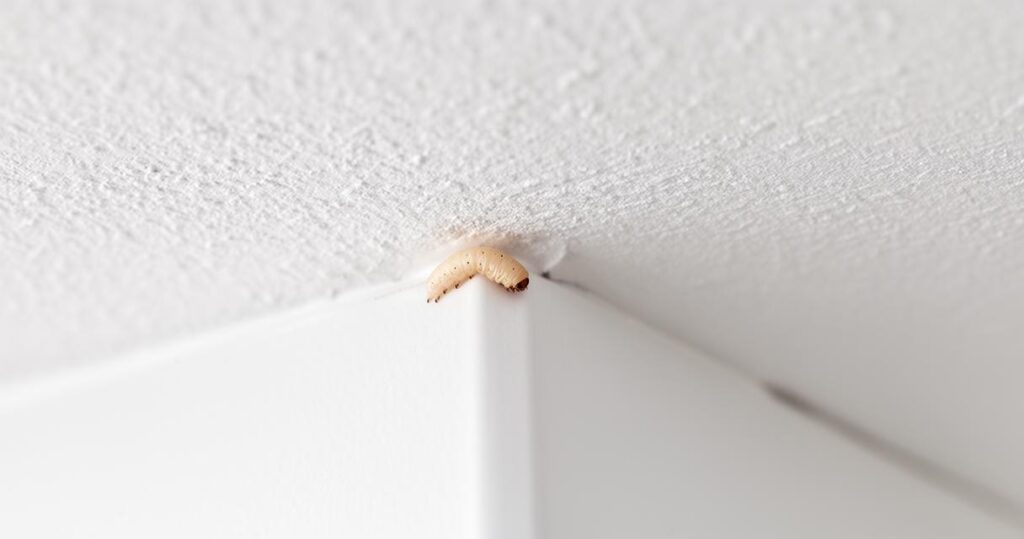
Discovering moth larvae clustered on your ceiling can be both unsettling and frustrating, particularly when you take pride in maintaining a clean and comfortable home. These unwelcome visitors are often a sign of an underlying issue that requires prompt attention and a strategic approach. Whether you are dealing with a minor nuisance or a more established problem, understanding the nature of the infestation and applying effective, natural solutions will help you reclaim your living space. This comprehensive guide will walk you through the identification process, offer practical remedies, and provide prevention strategies to ensure your home remains free from these persistent pests.
Understanding and identifying moth larvae infestations
Before you can effectively address the presence of moth larvae on your ceiling, it is essential to understand what you are dealing with. Moths are not just a seasonal annoyance; they can establish themselves in various areas of your home, especially where they find suitable conditions for breeding and feeding. The larvae themselves are the most destructive stage of the moth lifecycle, as they consume organic materials and cause visible damage to fabrics, food products, and other household items. Recognising the type of moth and assessing the severity of the infestation are crucial first steps in developing a successful control strategy.
Recognising Common Types of Moth Larvae in British Homes
In the United Kingdom, homeowners typically encounter three main species of moths that can become problematic indoors. The Common Clothes Moth is perhaps the most notorious, as its larvae feed on natural fibres such as wool, silk, and fur, leaving behind irregular holes and silken threads. These pests thrive in dark, undisturbed areas like wardrobes and storage cupboards. The Indian-meal Moth, on the other hand, prefers pantry staples and dried goods, making kitchens and food storage areas its preferred habitat. Finally, the White-shouldered House Moth can be found in a variety of locations, often favouring older properties where organic debris accumulates. Each species can lay between forty and four hundred eggs, depending on environmental conditions, which means a small problem can quickly escalate into a widespread infestation if left unchecked. Identifying the specific type of moth larvae present in your home will help you tailor your control measures and choose the most appropriate products and techniques.
Assessing the Extent and Severity of Your Infestation
Once you have identified the type of moth, the next step is to determine how widespread the problem has become. Look for telltale signs such as small holes in fabrics, silken webbing, and pupal casings in corners or along skirting boards. Moth larvae are often found in areas where they can access food sources, so inspect wardrobes, linen cupboards, and pantry shelves thoroughly. Pay particular attention to ceilings and upper corners, as these locations can harbour larvae and cocoons that are easily overlooked during routine cleaning. The presence of adult moths fluttering around is also an indicator that the lifecycle is ongoing, suggesting that eggs and larvae are likely present in nearby hiding spots. By conducting a comprehensive inspection, you can gauge the severity of the infestation and decide whether a targeted DIY approach will suffice or if professional intervention might be necessary. Remember, early detection and swift action are key to preventing further damage and ensuring that the problem does not spread to other areas of your home.
Natural Methods and Home Remedies for Eliminating Moth Larvae
For many homeowners, the appeal of natural and environmentally friendly solutions is considerable, especially when dealing with pests in living spaces. Natural remedies not only reduce reliance on harsh chemicals but also offer peace of mind when you have children or pets in the household. There are several effective methods you can employ to eliminate moth larvae and discourage future infestations, ranging from simple household ingredients to specialised natural products. The key is to combine these approaches with thorough cleaning and vigilant monitoring to achieve long-lasting results.
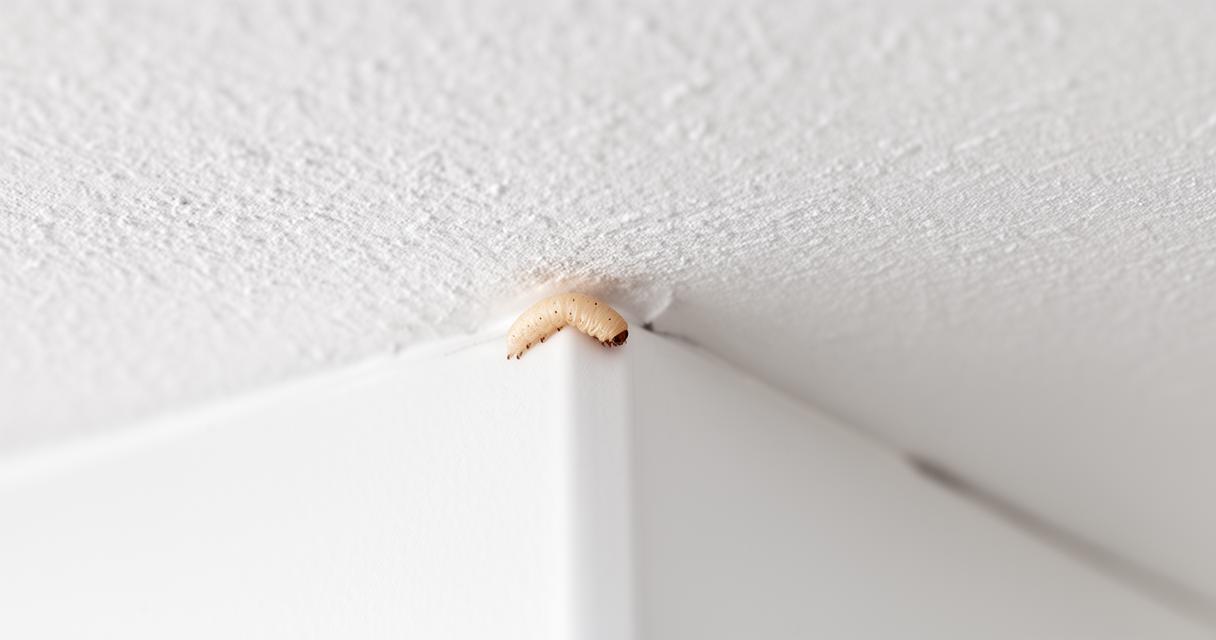
Using vinegar, essential oils, and natural repellents effectively
One of the most accessible and affordable natural remedies is white vinegar, which can be used to clean affected surfaces and disrupt the lifecycle of moth larvae. Simply mix equal parts of water and vinegar in a spray bottle and apply it to areas where you have noticed larvae or webbing. The acidic nature of vinegar helps to break down organic residues and remove any eggs or larvae that may be present. Essential oils such as lavender and cedarwood are also highly regarded for their repellent properties. Lavender, with its pleasant fragrance, can be placed in sachets or diffused in storage areas to deter adult moths from laying eggs. Cedarwood, either in the form of blocks, balls, or essential oil, emits natural compounds that are toxic to moth larvae and can be strategically positioned in wardrobes and cupboards. Additionally, you might consider using other natural repellents such as rosemary, thyme, or eucalyptus oil, all of which have been shown to discourage moths when used consistently. For best results, apply these natural solutions regularly and ensure that the treated areas are kept clean and dry, as moisture can diminish the effectiveness of essential oils over time.
Implementing Traps and Pheromone Solutions for Targeted Control
While natural repellents play an important role in prevention, traps and pheromone solutions offer a more targeted approach to controlling active infestations. Pheromone traps work by attracting male moths with synthetic scents that mimic the natural pheromones released by females. Once the males are captured, the breeding cycle is interrupted, which can significantly reduce the population over time. These traps are particularly useful for monitoring the extent of an infestation and identifying hotspots where moths are most active. When positioning pheromone traps, place them near areas where you have observed larvae or adult moths, such as in wardrobes, along ceilings, or close to food storage zones. It is important to replace the traps according to the manufacturer's instructions, as the pheromone lure can lose its effectiveness after a certain period. In addition to pheromone traps, you may also consider using sticky traps that capture both adult moths and larvae as they move across surfaces. These traps can be particularly effective when combined with thorough cleaning and the removal of potential food sources, creating a multi-layered defence against reinfestation. By integrating these targeted solutions with your natural remedies, you can address both the symptoms and the root causes of the moth problem in your home.
Prevention Strategies and Maintaining a Moth-Free Home
Successfully eliminating moth larvae is only part of the solution; maintaining a moth-free environment requires ongoing vigilance and a commitment to prevention. By adopting a few simple habits and implementing regular maintenance routines, you can significantly reduce the risk of future infestations. Prevention is not only about removing current pests but also about creating conditions that are inhospitable to moths and other unwelcome insects. This involves a combination of thorough cleaning, proper storage practices, and, when necessary, professional intervention.
Thorough Cleaning Techniques for Ceilings, Cupboards, and Storage Areas
One of the most effective ways to prevent moth infestations is to maintain high standards of cleanliness throughout your home. Regular vacuuming of carpets, upholstery, and hard-to-reach areas such as ceilings and cornices will remove dust, debris, and any eggs or larvae that may be lurking out of sight. Pay special attention to cupboards, wardrobes, and storage spaces where natural fibres and food products are kept. Wash fabrics regularly and store seasonal clothing in airtight containers or vacuum-sealed bags to deny moths access to potential breeding grounds. When cleaning ceilings and high corners, use a vacuum with an appropriate attachment to ensure that all organic material is removed. It is also advisable to periodically check and clean behind furniture and appliances, as these areas can accumulate organic matter that attracts moths. In addition to physical cleaning, consider using natural deterrents such as cedarwood sachets or lavender pouches in your storage areas to provide an extra layer of protection. By making these cleaning routines a regular part of your household maintenance, you create an environment that is far less conducive to moth activity, thereby reducing the likelihood of future infestations.
When to Call in Professional Pest Control Services
Despite your best efforts with natural remedies and preventative measures, there are situations where a professional pest control service may be the most effective solution. If your infestation persists despite repeated treatments, if the problem appears to be spreading to multiple areas of your home, or if you are dealing with particularly stubborn species of moths, it may be time to seek expert assistance. Professional pest controllers have access to advanced diagnostic tools and a wider range of treatment options, including specialised insecticides and fumigation techniques that are not available to the general public. They can conduct a thorough inspection of your property to identify hidden breeding sites and provide tailored recommendations for both immediate control and long-term prevention. In the UK, many reputable pest control providers offer free consultations and can deliver fast, effective solutions with minimal disruption to your daily routine. Additionally, if you have purchased moth control products or kits and find that they are not delivering the desired results, professional advice can help you understand what might be missing from your approach. Many companies also offer a thirty-day returns policy on their products, ensuring that you have the flexibility to adjust your strategy if needed. Ultimately, while DIY methods are highly effective for minor to moderate infestations, recognising when to call in the professionals is an important part of responsible home maintenance and can save you time, money, and frustration in the long run.