
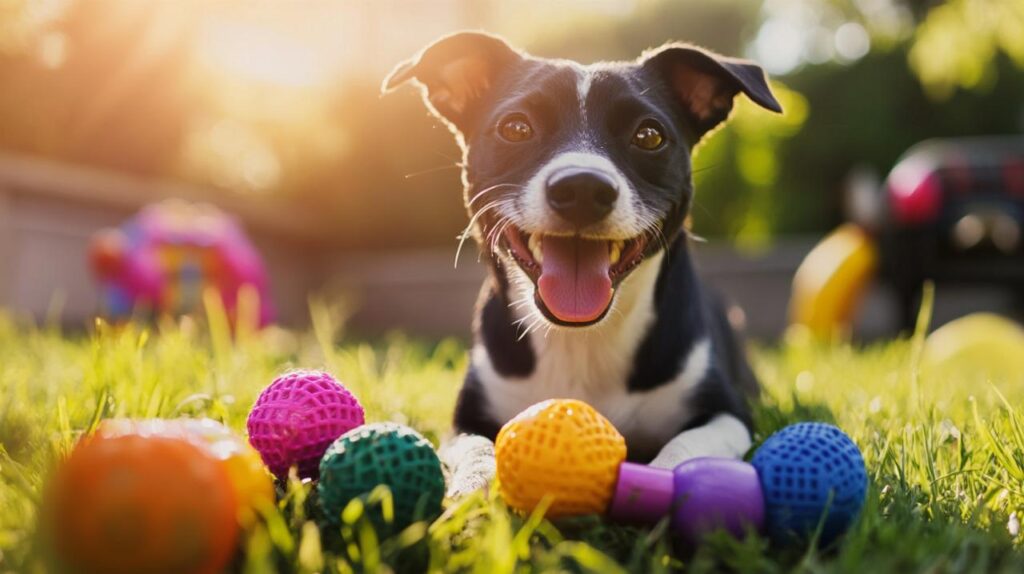
Every dog possesses a distinct personality and set of preferences that influence how they interact with toys. Understanding these individual traits is crucial for selecting items that not only entertain but also support physical health, mental sharpness, and emotional contentment. The right toy can transform playtime into an enriching experience, fostering good behaviour whilst keeping your canine companion happily occupied throughout the day.
Understanding your dog's play style and preferences
Observing how your dog engages with objects during play reveals valuable insights into their natural inclinations. Some dogs exhibit a strong retrieving instinct, repeatedly fetching items and returning them with enthusiasm. Others demonstrate a preference for tugging activities, gripping firmly and engaging in spirited back-and-forth contests. Certain canines enjoy squeaking sounds, finding auditory feedback particularly rewarding, whilst many relish the challenge of puzzle-solving or working to extract hidden treats from interactive designs.
Identifying different play behaviours in dogs
Recognising these behavioural patterns allows you to categorise your pet's play style effectively. Retrievers and sporting breeds typically gravitate towards toys they can chase and carry back, making balls and ropes ideal choices for these energetic companions. Terriers often favour noisy toys that simulate the excitement of hunting, responding enthusiastically to squeakers and rustling materials. Herding breeds benefit from items that replicate their instinctive tasks, such as toys that roll unpredictably or require strategic thinking to manipulate. Small breeds frequently enjoy squeaky toys, though durability becomes a critical consideration to withstand their persistent attention.
Matching toys to your dog's natural instincts
Aligning toy selection with innate drives ensures maximum engagement and satisfaction. Dogs with high energy levels require active toys that facilitate vigorous exercise, such as frisbees or bouncing balls that encourage running and jumping. For canines displaying strong chewing tendencies, robust chew toys provide an appropriate outlet whilst protecting household items from unwanted attention. Brain toys offer mental stimulation for intelligent breeds, starting with simpler challenges and gradually increasing in difficulty as your dog masters each level. Interactive designs that dispense treats reward problem-solving efforts and keep curious minds engaged for extended periods.
Selecting the Perfect Toy for Different Life Stages and Breeds
Age and breed characteristics significantly influence which toys prove most suitable and enjoyable. Puppies experience the world differently than adult dogs, with specific needs during their developmental phases. Similarly, breed heritage shapes preferences, as generations of selective breeding have emphasised particular traits and behaviours that manifest during play.
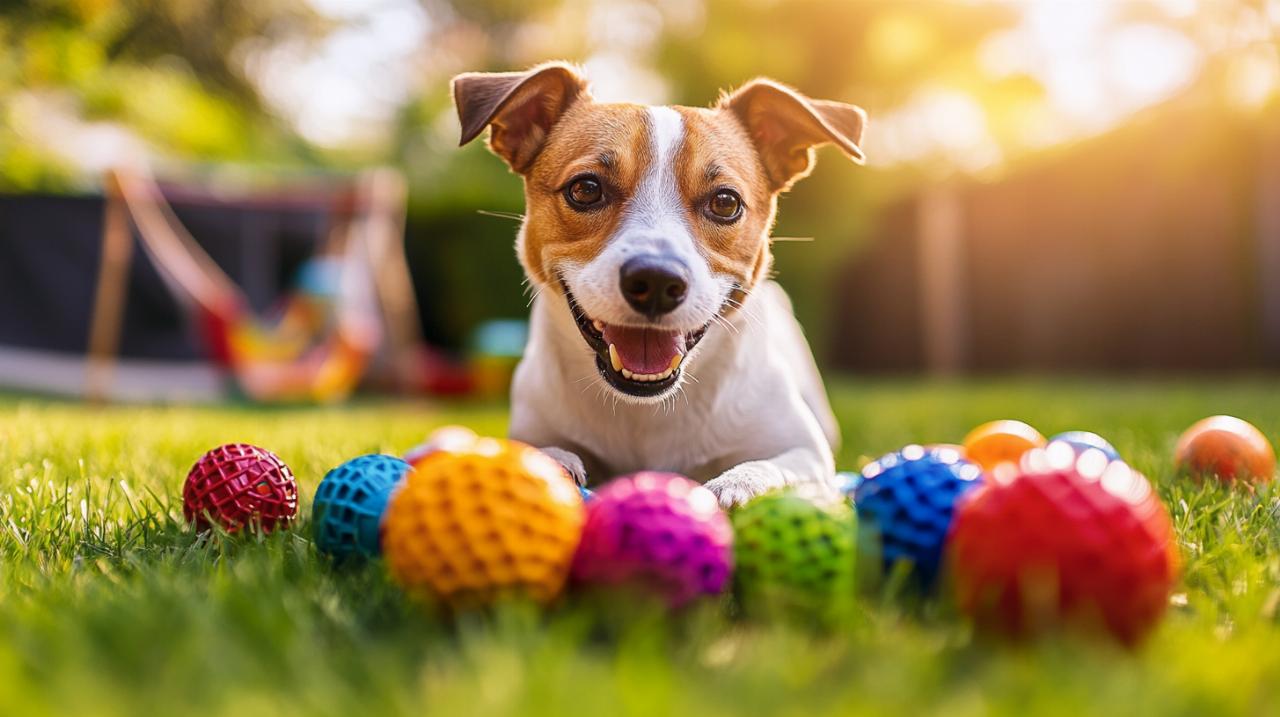
Toys for Puppies: Comfort and Teething Solutions
Young puppies benefit greatly from plush toys that provide comfort and security during their early months. These soft companions can ease anxiety when separated from littermates and offer reassurance in new environments. As teething begins, durable chew toys become essential, providing relief for sore gums whilst protecting furniture and shoes from destructive gnawing. Materials designed specifically for teething puppies combine gentle firmness with safety, allowing youngsters to satisfy their natural urge to chew without risk of injury or ingesting harmful substances.
Breed-specific considerations for toy selection
Understanding breed heritage helps predict toy preferences with remarkable accuracy. Sporting breeds bred for retrieving waterfowl naturally excel at fetch games and appreciate toys designed for carrying and returning. Terriers, developed for pursuing small prey into burrows, respond enthusiastically to toys that simulate hunting scenarios through movement, sound, or concealment of rewards. Herding breeds demonstrate satisfaction when engaging with toys that mimic their traditional work, responding well to items requiring strategic manipulation or sustained focus. Observing your individual dog's reactions remains paramount, as personal preferences sometimes diverge from breed expectations, revealing unique interests that deserve accommodation.
Safety and Maintenance: Ensuring Your Dog's Toys Remain Safe and Engaging
Responsible toy ownership extends beyond initial selection to ongoing care and assessment. Maintaining safety standards protects your dog from potential hazards whilst preserving the enjoyment and functionality of their favourite playthings.
Choosing non-toxic materials and appropriate sizing
Materials must be carefully evaluated to ensure they contain no harmful substances that could pose health risks if chewed or ingested. Selecting toys manufactured from safe, non-toxic components provides peace of mind during supervised and independent play. Size considerations prove equally important, as toys must match your dog's physical dimensions to prevent choking hazards. Items too small risk becoming lodged in the throat, whilst excessively large toys may prove frustrating or impossible for smaller breeds to manipulate effectively. Matching energy levels to toy design ensures appropriate challenge and satisfaction, with high-energy dogs requiring more demanding physical toys and calmer individuals appreciating gentler interactive options.
Regular toy inspection and replacement guidelines
Implementing a routine inspection schedule helps identify wear and tear before toys become dangerous. Checking for loose components, frayed edges, or weakened materials prevents accidental ingestion of damaged pieces. Rope toys require particular attention, as unravelling fibres can pose digestive risks if swallowed. Supervision during playtime allows immediate intervention if problems arise, especially with new toys or particularly enthusiastic chewers. Rotating toys periodically maintains interest and excitement, preventing boredom whilst extending the functional lifespan of your collection. Replacing worn items promptly ensures your dog always has access to safe, engaging options that continue supporting their physical activity, mental stimulation, and overall happiness.