
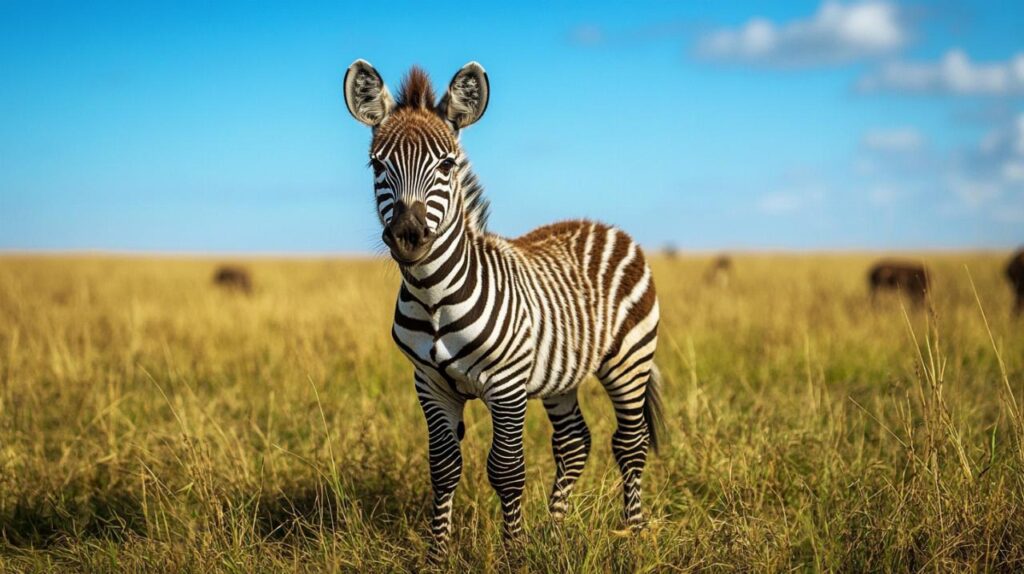
Across the vast landscapes of Africa, where the golden grasses sway beneath endless skies and the rhythms of the wild dictate life, zebras remain among the continent's most iconic inhabitants. Their striking black and white stripes have captivated observers for centuries, yet there is much more to these remarkable equines than their distinctive coats. Understanding the younger members of these herds, known as foals, offers a fascinating glimpse into the lives of these creatures, particularly those species now facing uncertain futures in the wild.
Understanding zebra foals: from birth to development
The Anatomy and Naming of Baby Zebras
When a zebra gives birth, the newborn is referred to as a foal, a term shared with other members of the horse family within the genus Equus. From the moment they enter the world, these young zebras display an innate vigour that is essential for survival in environments teeming with predators. The foal emerges already equipped with the same bold striping pattern that characterises adult zebras, a feature believed to serve multiple purposes including individual recognition within the herd and protection against biting insects such as horseflies. Research has suggested that these stripes evolved as a natural insect repellent, offering a crucial advantage in regions where disease-carrying flies are prevalent. The patterns are unique to each individual, much like human fingerprints, allowing mothers to identify their offspring through a combination of visual cues, calls, and scents.
Zebra mothers are notably protective and attentive during the early weeks following birth. The bond between mare and foal is critical, as the young zebra must quickly learn to recognise its mother's distinctive voice and scent amidst the bustling herd. This early imprinting ensures that the foal stays close and safe from the many dangers that lurk in the African wilderness. At facilities such as Marwell Zoo in southern England, where a rare Grevy's zebra foal was born in mid-August, keepers observed the mother, Khumba, demonstrating this protective behaviour. The foal, born on the twelfth of that month, was already running around with confidence just days later, a testament to the rapid development these animals undergo.
Early Life Stages and Growth Patterns of Zebra Foals
The journey from birth to independence is swift for zebra foals. Within hours of being born, a foal is capable of standing and walking, and within a few days, it can gallop alongside the herd. This rapid physical development is vital for evading predators, as the open savannas and grasslands offer little cover. At Cotswold Wildlife Park, a zebra foal born on a Friday the thirteenth showcased this remarkable agility when filmed galloping around the paddock at just over a week old. This particular foal, the fourth for a mare named Stella and her partner Spongebob, highlighted the successful breeding programmes that many wildlife parks have established to support zebra populations.
Gestation for zebras lasts approximately twelve months, a lengthy period that ensures the foal is well-developed at birth. During the first few months of life, the foal relies entirely on its mother's milk for nourishment, gradually transitioning to grazing as it matures. The herd structure plays a significant role in the foal's upbringing, as the social bonds within the group provide both protection and learning opportunities. Young zebras observe and mimic the behaviours of older members, acquiring the skills necessary for foraging, recognising threats, and navigating their environment. This communal approach to rearing the young enhances survival rates and strengthens the cohesion of the herd.
Exploring the Diverse Zebra Species and Their Habitats
Distinguishing Features of Grevy's and Burchell's Zebras
Not all zebras are the same, and the differences between species are both subtle and significant. The Grevy's zebra, for instance, is distinguished by its narrower stripes, larger ears, and more horse-like build compared to other zebra species. This zebra is also the largest of its kind, adapted to the arid and semi-arid regions of northern Kenya and southern Ethiopia. Unfortunately, the Grevy's zebra is now listed as endangered by the International Union for Conservation of Nature, with fewer than three thousand individuals believed to remain in the wild. Habitat loss, prolonged droughts, and poaching have all contributed to the species' decline, though recent conservation efforts have helped to stabilise the population.
In contrast, the Chapman's zebra, a subspecies of the plains zebra, is more commonly found across southern and eastern Africa. Cotswold Wildlife Park has maintained a population of Chapman's zebras since the late seventies, with the first individual arriving in 1978. The park has celebrated forty-five births of Chapman's zebras, marking a significant achievement in captive breeding. Unlike their Grevy's counterparts, plains zebras including Chapman's are relatively plentiful in their natural range, though they too face pressures from habitat encroachment and human activity. The extinct Quagga, a subspecies of the plains zebra that vanished in the nineteenth century, serves as a sobering reminder of how quickly these animals can be lost without adequate protection.
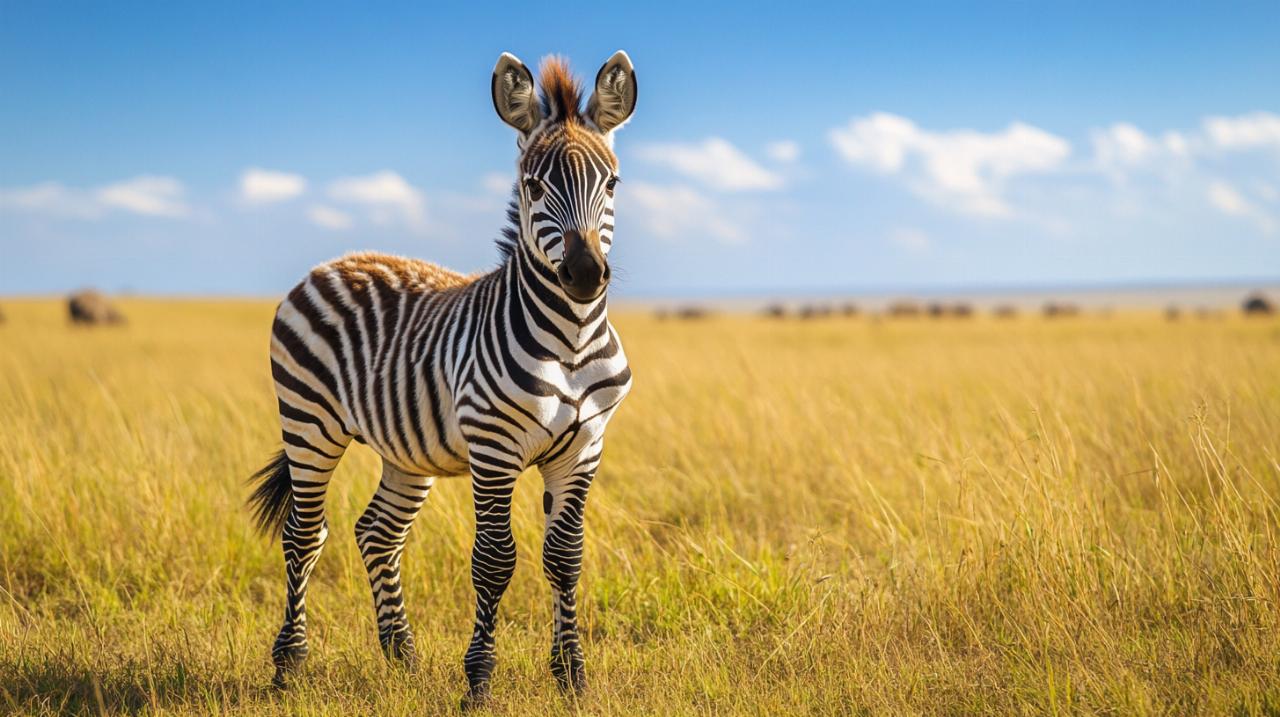
African landscapes: where zebra herds roam
Zebras inhabit a diverse array of environments across Africa, from the sweeping savannas and grasslands to mountainous regions and even semi-desert areas. Their adaptability to different habitats is one reason they have persisted in the wild for so long, though this resilience is now being tested by environmental changes and human expansion. In Kenya and Ethiopia, where the Grevy's zebra is primarily found, the landscape is characterised by dry, open plains interspersed with scrubland. These regions provide the sparse vegetation that the Grevy's zebra has evolved to consume, but they are also areas where water sources can become scarce during droughts, exacerbating the challenges faced by these endangered animals.
The social structure of zebra herds varies by species, but most live in groups that offer protection against predators such as lions, hyenas, and wild dogs. The presence of a herd provides multiple eyes and ears to detect danger, and the collective vigilance of the group increases the chances of survival for all members, particularly the vulnerable foals. In some species, such as the plains zebra, herds are organised into family units led by a dominant stallion, while others form more fluid associations. Regardless of structure, the communal nature of zebra life is central to their ability to thrive in the often harsh African environment.
Conservation challenges facing endangered zebra populations
The critical status of threatened zebra species
The plight of the Grevy's zebra serves as a stark example of the conservation challenges facing some zebra species today. With a population estimated at fewer than three thousand individuals, every birth is significant, and the arrival of a foal at Marwell Zoo in August was a cause for celebration among conservationists. The foal, a younger sibling to Windsor, a female born in July 2022, represents hope for the future of this endangered species. Habitat loss driven by agricultural expansion, prolonged droughts linked to climate change, and poaching for their distinctive skins have all played roles in the dramatic decline of Grevy's zebra numbers over recent decades.
Efforts to reverse this trend have involved both in-situ and ex-situ conservation strategies. In the wild, initiatives focus on habitat restoration, anti-poaching measures, and community engagement to reduce human-wildlife conflict. In captivity, institutions such as Marwell Zoo and Cotswold Wildlife Park participate in coordinated breeding programmes designed to maintain genetic diversity and support population recovery. These programmes are guided by international conservation bodies and rely on careful management to ensure that captive populations remain healthy and viable for potential future reintroduction efforts.
Protection Efforts and Future Prospects for Zebra Survival
While the situation for Grevy's zebras remains precarious, there are signs that conservation efforts are beginning to bear fruit. Populations have shown signs of stabilisation in recent years, thanks to coordinated action by governments, non-governmental organisations, and local communities. Education and awareness campaigns have helped to reduce poaching, while the establishment of protected areas has provided safe havens where zebras can roam without the immediate threat of habitat destruction. The involvement of local communities in conservation activities has also proven crucial, as it fosters a sense of stewardship and provides economic incentives for preserving wildlife.
Captive breeding programmes continue to play an important role in the broader conservation strategy. Facilities across the globe, from Marwell Zoo to Cotswold Wildlife Park, not only contribute to the preservation of genetic diversity but also serve as centres for education and research. Visitors to these parks can learn about the challenges facing zebras and other endangered species, and many institutions offer opportunities to support conservation through animal adoption schemes, keeper experiences, and donations. The birth of foals in captivity, such as the one captured galloping with joy at Cotswold Wildlife Park, reminds us of the resilience of these animals and the importance of continued commitment to their survival.
Looking ahead, the future of zebra species will depend on sustained efforts to address the root causes of their decline. Climate change poses an ongoing threat, as shifting weather patterns affect water availability and vegetation growth. Human population growth and the expansion of agriculture will continue to encroach on zebra habitats unless land use is carefully managed and balanced with conservation priorities. International cooperation, robust legal protections, and the active involvement of local communities will all be essential in ensuring that zebras, and the foals that represent their future, continue to grace the African landscape for generations to come.