
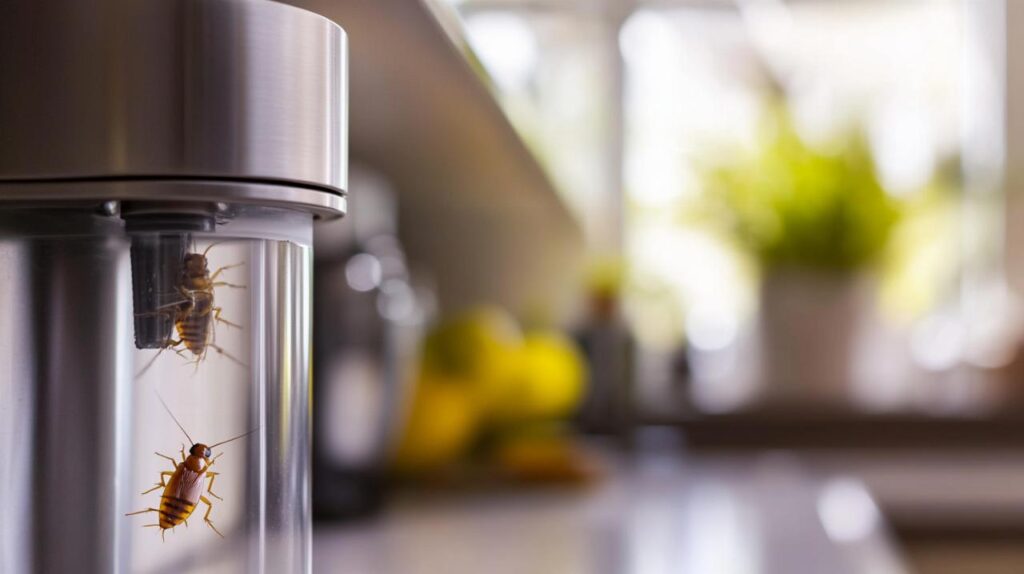
Cockroach infestations remain one of the most persistent challenges faced by homeowners and commercial property managers alike. These resilient pests adapt quickly to conventional treatments, making effective control increasingly difficult without advanced solutions. Modern cockroach gel formulations have emerged as a cornerstone of integrated pest management, offering targeted elimination that addresses both visible pests and hidden colonies. Understanding how these products work and selecting the appropriate application method can make the difference between temporary relief and comprehensive, lasting control.
Understanding cockroach gel technology and its superior effectiveness
Contemporary pest control products have evolved considerably, with gel baits representing a significant advancement over traditional sprays and powders. These formulations work by attracting cockroaches through carefully engineered palatants that mimic food sources the insects naturally seek. Once consumed, the active ingredients not only affect the individual pest but also facilitate a cascading effect throughout the colony. This secondary kill mechanism occurs when contaminated cockroaches return to their harbourages, where they subsequently die and are consumed by other colony members, spreading the toxicant further. This domino effect proves particularly valuable when addressing infestations where access to all hiding places proves impossible.
How modern gel formulations target roach colonies
The science behind effective cockroach gel centres on two critical factors: palatability and transferability. Advanced formulations maintain their attractiveness over extended periods, ensuring that roaches continue to feed even as the product ages. Products such as Imidasect Cockroach Gel utilise this principle to eliminate entire colonies by creating a chain reaction of contamination. When a cockroach consumes the gel bait, it becomes a vector for the active ingredient, carrying lethal doses back to nesting areas where other individuals, including nymphs and reproductive adults, come into contact with the substance. This horizontal transfer mechanism proves especially effective against German cockroaches, which exhibit strong aggregation behaviours and frequent interactions within harbourages. The gel's consistency allows for precise application in cracks, crevices, and other areas where cockroaches travel and congregate, maximising contact opportunities whilst minimising exposure to non-target organisms.
Active ingredients that deliver maximum pest elimination
The efficacy of any cockroach gel depends heavily on its active ingredient profile. Two compounds have demonstrated exceptional results in both laboratory and field applications: Dinotefuran and Imidacloprid. Dinotefuran, featured in products like Addict Gel, belongs to the neonicotinoid class of insecticides and delivers remarkable speed of kill, with some formulations achieving complete mortality rates in under one hour. This rapid action reduces the time pests have to reproduce and spread, making it particularly valuable in situations requiring immediate relief. Imidacloprid, utilised in Imidasect formulations at a concentration of 2.15 per cent, offers a slightly different profile with proven effectiveness against severe infestations. Both compounds interfere with the insect nervous system by targeting nicotinic acetylcholine receptors, leading to paralysis and death. The selectivity of these ingredients for insect physiology over mammalian systems contributes to their favourable safety profile when used according to label directions. However, it remains essential to recognise that these biocides require careful handling and application, particularly in professional settings where qualified users must observe stringent safety protocols.
Professional versus Domestic Applications: Choosing the Right Gel Treatment
Selecting the appropriate cockroach gel treatment depends on several factors, including the severity of the infestation, the environment requiring treatment, and the user's qualifications. Professional-grade solutions offer higher active ingredient concentrations and more robust formulations designed to address challenging scenarios, whilst household-friendly products provide safer alternatives for preventative applications. Understanding these distinctions helps ensure both effective control and compliance with regulatory requirements governing biocide use.
Commercial-grade solutions for severe infestations
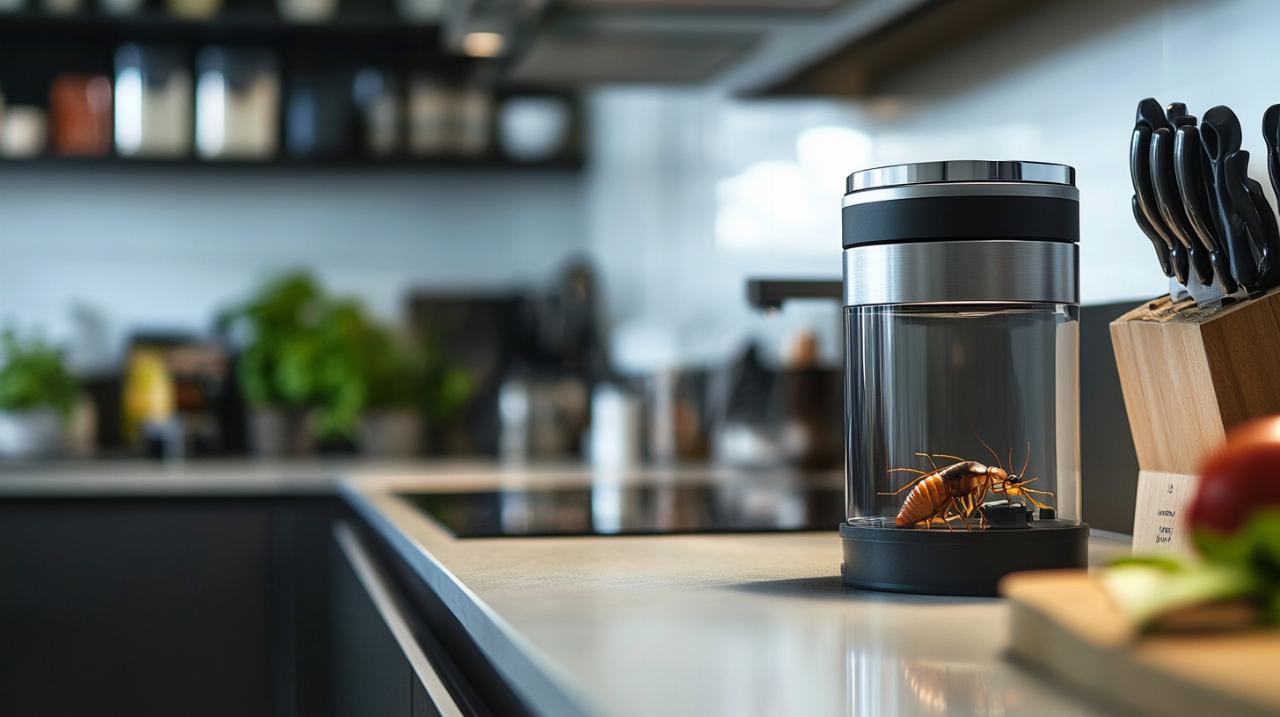
Professional pest control products represent the frontline defence against established and severe infestations. These formulations typically contain higher concentrations of active ingredients and are designed for use by qualified individuals who possess the training to assess infestation levels, identify species, and implement comprehensive integrated pest management strategies. Products designated for professional use only, such as certain formulations of Imidasect Cockroach Gel, require users to demonstrate competence in their application. Pest control professionals employ these gels alongside thorough inspections, sanitation recommendations, and structural modifications to address the root causes of infestations. Commercial-grade treatments prove particularly valuable in food service establishments, healthcare facilities, and multi-unit residential buildings where infestations can spread rapidly and pose significant health risks. The use of specialised equipment, such as the Lodi Gel Applicator Gun, enables precise application in difficult-to-reach areas, ensuring optimal placement that maximises bait consumption whilst minimising waste. Professional treatments often incorporate multiple product types, including complementary ant gel formulations when mixed pest populations exist, creating a comprehensive approach that addresses complex pest dynamics within commercial environments.
Household-friendly products for preventative measures
For homeowners and property managers addressing minor infestations or seeking preventative measures, consumer-grade cockroach gel products offer an accessible entry point into effective pest control. These formulations balance efficacy with safety considerations appropriate for domestic environments where children, pets, and untrained users may be present. Whilst containing lower concentrations of active ingredients compared to professional variants, consumer products still deliver significant results when applied correctly and as part of a broader pest management strategy. Preventative applications in kitchens, bathrooms, and other areas prone to cockroach activity can intercept small populations before they establish larger colonies. The availability of products like ant and cockroach gel bait stations, which retail for approximately eight pounds forty including VAT for a pack of ten, demonstrates the affordability and accessibility of these solutions for regular homeowners. These enclosed stations provide additional safety by limiting non-target exposure whilst maintaining attractiveness to target pests. Consumer products work best when combined with rigorous sanitation practices, elimination of water sources, and sealing of entry points. By addressing the environmental factors that attract and sustain cockroach populations, homeowners can significantly enhance the performance of gel baits and reduce the likelihood of re-infestation following initial treatment success.
Comprehensive treatment strategies: combining gels, traps, and prevention techniques
Achieving complete infestation control requires more than simply applying gel baits and hoping for results. A truly comprehensive approach integrates multiple tactics that address different aspects of pest biology and behaviour. By combining chemical controls with mechanical traps and environmental modifications, property owners can create layered defences that prevent, detect, and eliminate cockroach populations with greater reliability than any single method could achieve alone.
Strategic placement methods for optimal results
The effectiveness of cockroach gel depends not only on the formulation itself but also on where and how it is applied. Strategic placement begins with a thorough inspection to identify areas of high cockroach activity, including harbourages, feeding sites, and travel pathways. Gel should be applied in small dots or beads rather than continuous lines, as cockroaches prefer to feed on discrete food sources that mimic natural conditions. Key placement locations include areas behind and beneath appliances, along plumbing penetrations, within wall voids accessed through electrical outlets, and in corners where walls meet floors or ceilings. In commercial kitchens, particular attention should be paid to areas around cooking equipment, food storage zones, and waste disposal areas where both food and moisture create ideal conditions for pest populations. The use of an applicator gun ensures precise dosing and allows access to tight spaces where manual application would prove difficult. Insect monitors placed strategically throughout treated areas provide valuable feedback on treatment effectiveness and help identify any areas requiring additional attention. When combined with gel applications, these monitors create a comprehensive surveillance system that tracks population trends and guides ongoing management decisions. Avoiding contamination of gel placements with cleaning products or other substances that might repel cockroaches ensures that baits remain attractive throughout their effective lifespan.
Monitoring and Maintenance Protocols for Long-Term Control
Successful cockroach management extends beyond initial treatment to encompass ongoing monitoring and maintenance that prevents re-establishment of pest populations. Regular inspections using sticky traps and visual assessments help detect early signs of renewed activity before populations reach problematic levels. Gel baits should be refreshed according to manufacturer recommendations or when inspections reveal that placements have been consumed, dried out, or contaminated. Maintaining detailed records of treatment locations, dates, and observed results enables pest management professionals and property owners to identify patterns and refine strategies over time. Environmental controls remain equally important, as even the most effective gel formulations cannot overcome conditions that continuously attract and support cockroach populations. Eliminating food debris through regular cleaning, repairing water leaks, and sealing structural gaps reduces the resources available to pests and increases their reliance on bait stations for sustenance. This integrated approach, combining chemical control through products like Imidasect and Addict Gel with physical exclusion and sanitation, creates inhospitable conditions that discourage colonisation. For properties experiencing persistent challenges despite proper gel application, professional consultation may reveal underlying issues such as infestations originating from adjacent units, structural defects facilitating pest entry, or the presence of insecticide-resistant populations requiring alternative active ingredients. Companies such as Lodi UK, which can be reached at their Cutnall Green facility or via sales at lodi-uk.com, offer extensive product ranges and customer services to support both professional and consumer pest control efforts. Subscribing to newsletters from reputable suppliers provides updates on emerging pest control technologies and seasonal considerations that may affect treatment strategies. By maintaining vigilance and adapting approaches based on monitoring results, property owners can achieve the long-term control that transforms pest management from a reactive crisis response into a proactive, sustainable system that protects health, property, and peace of mind.