
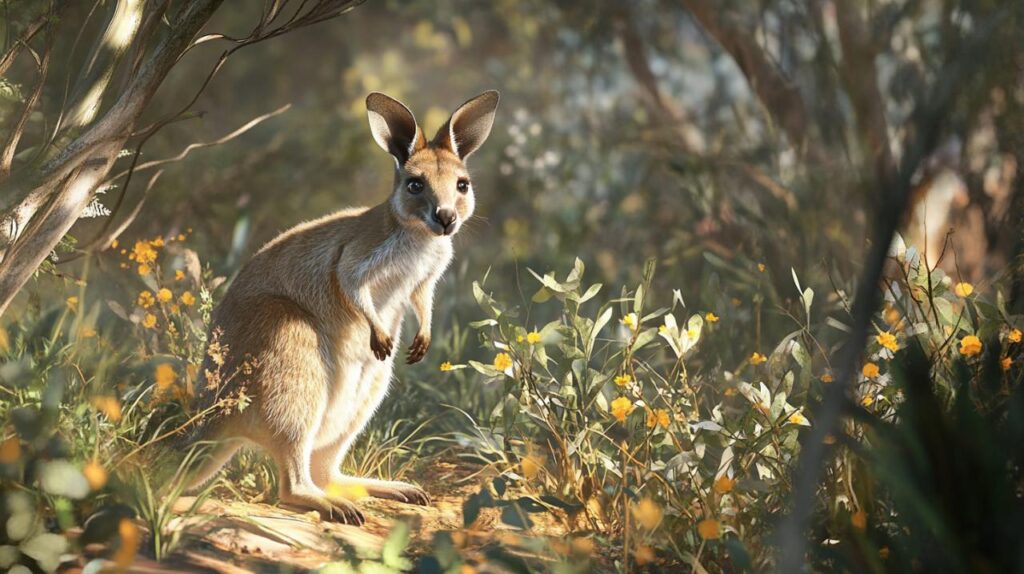
Britain's countryside holds an unexpected secret that continues to surprise hikers and nature enthusiasts alike. Whilst wallabies are typically associated with the vast landscapes of their native homeland, these charming marsupials have established remarkable populations in the most unlikely of places throughout the United Kingdom. From Scottish islands to English farms, the story of how these Australian natives came to thrive in the British Isles is as fascinating as the creatures themselves.
Where to spot wild wallabies across britain
The presence of wallabies in the United Kingdom might seem extraordinary, yet these resilient marsupials have been quietly making themselves at home for nearly a century. Around one hundred wild wallabies currently roam the British countryside, descendants of animals that escaped from captivity almost a hundred years ago. These pioneering populations have adapted remarkably well to the cooler climate and varied terrain of their adopted homeland.
The peak district's surprising marsupial colony
The Peak District represents one of the most established wallaby populations outside Australia, where these creatures have created a sustainable community against all odds. Red-necked wallabies, also known as Bennett's wallabies, form the backbone of this remarkable colony. These particular wallabies have demonstrated an impressive ability to thrive in the British environment, feeding on native grasses, roots, weeds and tree leaves that mirror their traditional diet. The colony's success speaks volumes about the adaptability of these marsupials, who have found the Peak District's varied landscape surprisingly accommodating to their needs.
Scotland's isle of man: a wallaby haven
Wallaby Island, more formally known as Inchconnachan Island, sits nestled within Loch Lomond and hosts one of Scotland's most intriguing wildlife populations. This forty-two acre sanctuary became home to red-necked wallabies during the nineteen forties when Fiona Colquhoun introduced them as part of a private collection. The isolation of the island has allowed these Australian natives to flourish without significant predation or human interference. Reaching this unique destination requires independent transport arrangements, as visitors must organise their own kayak or boat journey across the loch's waters. The island's remote nature has provided these wallabies with an ideal environment, though recent changes in ownership have raised questions about the colony's future, with discussions about potentially relocating these remarkable residents.
Understanding wallabies: australia's smaller kangaroo cousins
The distinction between these captivating creatures and their larger relatives often puzzles observers, yet understanding their unique characteristics reveals why wallabies hold such special appeal. As marsupials, female wallabies possess a distinctive pouch where their young, known as joeys, complete their development. This remarkable biological feature allows joeys to spend approximately six to eight months safely nestled within their mother's pouch, though some sources suggest this period can extend to around two hundred and eighty days depending on the species.
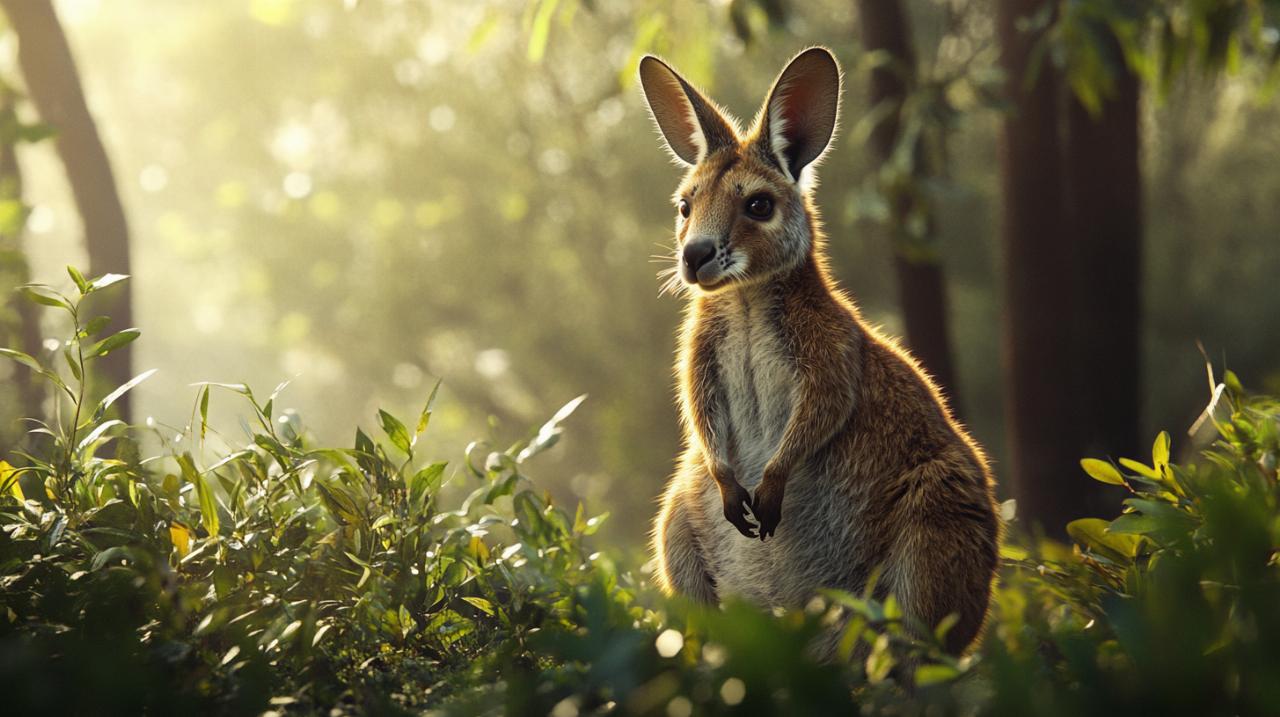
Key differences between wallabies and kangaroos
Both wallabies and kangaroos belong to the macropod family, a name meaning 'big foot' that perfectly describes their most prominent physical characteristic. However, size represents the most immediately obvious difference, with wallabies typically weighing up to eighteen kilogrammes whilst their kangaroo cousins can achieve considerably greater mass. Over thirty wallaby species exist across their native range in Australia and Tasmania, each displaying subtle variations in appearance and behaviour. Bennett's wallabies, frequently observed in British collections, showcase the characteristic red neck colouring that gives them their alternative name. These creatures rely heavily on their powerful hind legs for movement and their substantial tails for balance, creating the distinctive hopping motion that defines the entire macropod family.
How these australian natives adapted to british countryside
The successful establishment of wallaby populations throughout Britain demonstrates remarkable evolutionary flexibility. These herbivores have transitioned seamlessly from consuming native Australian vegetation to thriving on British flora, including various grasses, roots and tree leaves available throughout the changing seasons. Their crepuscular nature, being most active during dawn and dusk hours, has served them well in adapting to British weather patterns and avoiding potential disturbances. The creatures' acute hearing, facilitated by their prominent ears, allows them to detect danger effectively in their new environment. Interestingly, joeys occasionally display curious behaviour by attempting to climb into pouches belonging to wallabies other than their biological mothers, a testament to their social nature and the close-knit structure of wallaby communities. Hand-reared individuals, such as Jilly the white wallaby who featured on The Yorkshire Vet, have demonstrated the potential for these animals to form comfortable relationships with humans whilst maintaining their essential wild characteristics.
Planning your wallaby watching adventure
Experiencing these extraordinary marsupials in Britain requires thoughtful preparation and respect for the animals' natural behaviours. Several wildlife parks and farms across the country now offer opportunities to observe wallabies in carefully managed environments that prioritise both visitor experience and animal welfare.
Best Times and Seasons for Wallaby Spotting
Understanding wallaby behaviour patterns significantly enhances the likelihood of memorable encounters. These creatures demonstrate peak activity during dawn and dusk periods, making early morning or late afternoon visits most rewarding for observers. Wildlife parks such as those housing walkthrough exhibits typically maintain opening hours from approximately nine forty-five in the morning until five in the evening, though last entry often occurs around three in the afternoon to ensure adequate viewing time. Seasonal considerations also play a role, as certain times of year offer better opportunities to observe joeys in their mothers' pouches, providing unforgettable glimpses into marsupial parenting. Facilities like Yorkshire Wildlife Park's wallaby walkthrough and Monk Park Farm's dedicated area known as forty-two Wallaby Way allow visitors to walk amongst these gentle creatures, observing Bennett's wallabies, Parma wallabies and even swamp wallabies in naturalistic settings. Some establishments permit feeding and stroking under supervised conditions, though it remains important to remember that wallabies are fundamentally wild animals who generally prefer minimal physical contact.
Wildlife photography tips and ethical viewing practices
Capturing memorable images whilst respecting animal welfare requires careful consideration and patience. Photographers should maintain appropriate distances, allowing wallabies to move freely without feeling pressured or threatened by human presence. The creatures' natural wariness means sudden movements or loud noises can disturb them significantly, so a calm, measured approach yields the best results. Many wildlife parks encourage guests to sign up for newsletters to receive information about special offers, events and optimal visiting times for specific animal experiences. Establishments frequently host wild live concerts, wedding fayres, Easter events and sponsored activities such as wildlife runs, all designed to enhance public engagement with conservation efforts. When planning independent visits to locations like Inchconnachan Island, thorough logistical preparation proves essential, as transport arrangements fall entirely upon visitors themselves. Whether observing wallabies through guided wildlife tours or exploring established colonies independently, maintaining ethical standards ensures these remarkable populations continue thriving in their British homes for future generations to appreciate and study.