
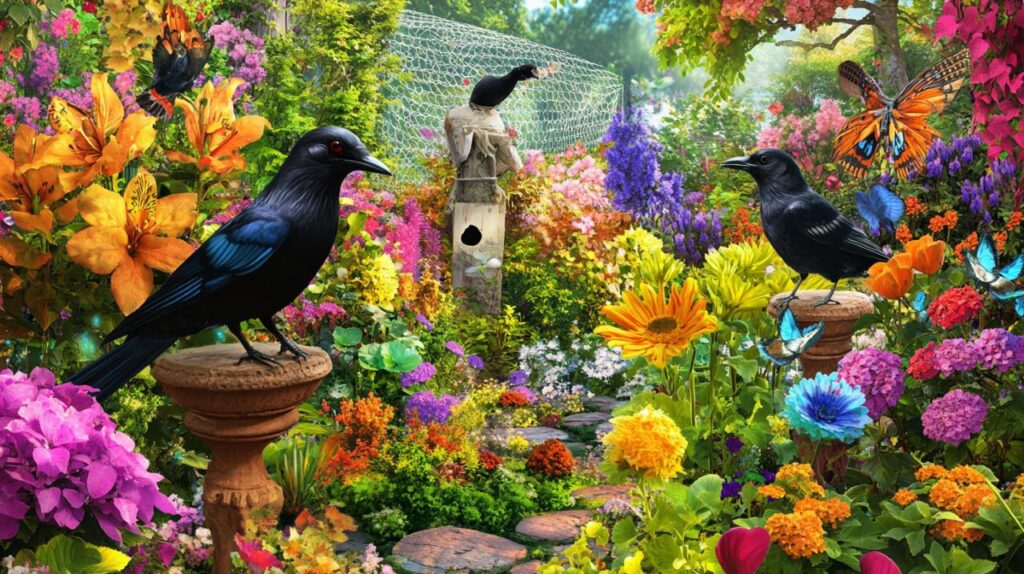
Magpies are among the most intelligent and resourceful birds you might encounter in your garden, yet their presence can quickly become a source of frustration for homeowners and poultry keepers alike. These black and white corvids are known for their boldness, often dominating bird feeders, disturbing smaller species, and even pecking at lawns in search of insects. While their clever antics can be amusing to observe from a distance, managing their impact on your outdoor space requires a thoughtful approach that respects their protected status under the Wildlife and Countryside Act 1981. Understanding what draws these birds to your property and implementing humane deterrents through strategic plant choices and garden upkeep can make all the difference in reclaiming your garden's harmony.
Understanding Magpie Behaviour and Creating an Unwelcoming Garden Environment
Why Magpies Are Attracted to Your Garden and What They're After
To effectively discourage magpies from settling in your garden, it helps to first understand what makes your outdoor space so appealing to them. These diurnal birds have a varied diet that includes insects, small animals, seeds, fruit, and carrion, which means gardens offering abundant food sources become prime targets. Magpies are particularly drawn to areas where pet food is left outdoors, bins are poorly secured, or fruit trees drop their harvest onto the ground. The presence of water features or birdbaths also provides them with essential hydration, while tall trees and thick shrubs offer ideal nesting sites where they can raise their young in relative safety. Additionally, their notorious attraction to shiny objects means that anything reflective or glittering in your garden might catch their eye and encourage repeat visits. The absence of natural predators further emboldens these birds, allowing them to operate with little fear of danger. Recognising these attractants is the first step in reshaping your garden into a less hospitable environment for magpies whilst still maintaining its beauty and functionality for other wildlife.
Strategic Plant Selection and Garden Layout to Deter Magpie Visits
One of the most effective long-term strategies for keeping magpies at bay involves careful consideration of the plants you cultivate and how you arrange them. By selecting native species that do not produce the kinds of fruits or seeds magpies favour, you can reduce the natural larder that draws them in. Incorporating thorny or prickly vegetation around vulnerable areas creates physical barriers that make landing and foraging uncomfortable for these birds. Dense, spiny shrubs such as hawthorn or brambles can be particularly useful when planted strategically near chicken runs or vegetable patches. Meanwhile, pruning existing trees and shrubs to thin out the canopy removes the sheltered perches and nesting opportunities that magpies seek. An open, well-maintained garden layout with fewer hiding spots and less dense foliage makes the space less attractive as a magpie habitat. By thoughtfully designing your garden with these principles in mind, you create an environment that naturally discourages magpies from taking up residence without resorting to harmful methods.
Natural deterrents and practical garden maintenance techniques
Using Native Plants and Thorny Vegetation as Natural Barriers
Turning to nature itself for solutions, the incorporation of thorny and dense native plants serves as an excellent first line of defence against persistent magpie visitors. Species such as holly, pyracantha, and blackthorn not only add visual interest and seasonal colour to your garden but also form protective barriers that magpies find difficult to navigate. These plants can be positioned around areas that require extra protection, such as vegetable gardens or henhouses, creating natural fences that deter landing and ground foraging. The prickly texture of these plants makes them uncomfortable perches, encouraging magpies to seek easier environments elsewhere. Beyond their deterrent qualities, native thorny plants support local biodiversity by providing habitat and food for beneficial insects and smaller bird species that magpies typically avoid. This approach aligns with environmentally friendly gardening practices and ensures that your efforts to manage magpie populations do not come at the expense of other wildlife. Complementing these plantings with a tidy garden layout further enhances their effectiveness, as magpies prefer areas where they can move freely and spot food easily.
Routine garden care and removing food sources that attract magpies
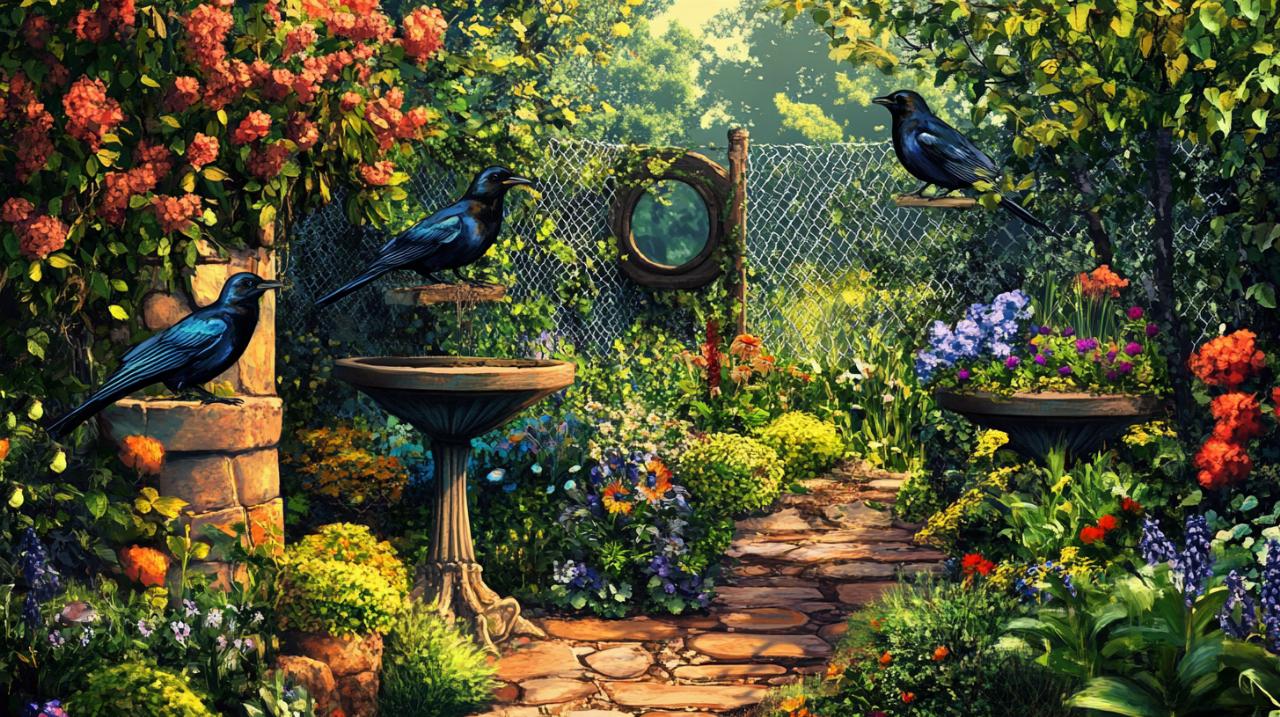
Regular garden maintenance plays a crucial role in making your outdoor space less inviting to magpies. One of the simplest yet most impactful steps is to eliminate readily available food sources that draw these birds in. This means securing rubbish bins with tight-fitting lids, promptly clearing away fallen fruit from beneath trees, and avoiding leaving pet food dishes outdoors. If you enjoy feeding garden birds, consider using feeders designed to exclude larger species or temporarily suspending feeding altogether if magpie activity becomes overwhelming. Cleaning gutters at least once a year is another often-overlooked task that can reduce magpie interest, as debris-filled gutters can harbour insects and nesting materials that attract them. Keeping lawns well-mowed and free of excessive thatch limits the invertebrate populations that magpies forage for, making your garden a less productive hunting ground. Composting should be managed in sealed bins rather than open piles, which can become magnet points for scavenging birds. By maintaining a tidy, well-kept garden with minimal food rewards, you send a clear signal to magpies that easier pickings can be found elsewhere.
Protecting Your Henhouse and Outdoor Spaces with Smart Installations
Physical Barriers: Netting, Mesh, and Protective Structures for Poultry
For those keeping chickens or other poultry, magpies can pose a serious threat by stealing eggs, harassing hens, and causing general distress within the flock. Installing physical barriers is one of the most reliable methods to safeguard your birds and their produce. Anti-bird netting with a mesh size of around one millimetre by fifty millimetres provides excellent coverage over chicken runs and vulnerable garden areas, preventing magpies from accessing food sources or nesting zones. This type of netting is typically made from durable, weather-resistant materials that can withstand the elements whilst remaining effective over time. Covering fruit and vegetable patches with similar netting protects your harvest from being plundered by opportunistic magpies. Bird spikes installed on ledges, fence tops, and the edges of coops create uncomfortable landing zones that discourage magpies from perching. These spikes are humane and do not cause injury but simply make it impractical for larger birds to settle. Ensuring that henhouse roofs and walls are secure and free from gaps also prevents magpies from gaining entry or disturbing nesting hens. Combining these physical deterrents with strategic garden design creates a multi-layered defence that significantly reduces magpie interference.
Visual and Movement-Based Deterrents to Keep Magpies at Bay
Beyond physical barriers, visual and movement-based deterrents offer additional layers of protection by exploiting magpies' natural wariness of perceived threats. Reflective objects such as old compact discs, strips of reflective tape, or even half-full plastic bottles hung around the garden can create flashes of light that magpies find unsettling. These inexpensive solutions take advantage of the birds' dislike of reflecting light and can be easily repositioned to maintain their effectiveness. Specially designed bird repellent balloons, often coloured in yellow, black, and white and inflating to around twenty-two inches, serve as another visual deterrent. Made from tear-resistant and weatherproof materials, these balloons mimic the appearance of predators or create an unfamiliar presence that magpies prefer to avoid. Wind chimes and other noise makers add an auditory element that can startle or irritate magpies, though it is worth noting that these may also affect your own enjoyment of the garden. Decoys such as plastic owls or hawks can be effective if moved regularly to prevent magpies from becoming accustomed to their presence. Encouraging natural predators by installing owl nesting boxes or allowing pets like dogs and cats to patrol the garden can further reinforce the message that your space is not a safe haven for magpies. By combining these methods with thoughtful garden maintenance and plant selection, you create a comprehensive strategy that respects wildlife protection laws whilst effectively managing magpie populations around your home.