
As the warmer months approach and we eagerly anticipate spending more time outdoors, there is one persistent nuisance that can quickly turn a pleasant evening into an itchy ordeal. Those tiny, buzzing invaders seem to have an uncanny ability to seek us out, particularly when we are trying to enjoy our gardens and patios. Fortunately, nature provides its own arsenal of defences, and with a bit of strategic planning, you can transform your outdoor space into a sanctuary that is far less appealing to these unwelcome guests. By selecting the right botanical allies and positioning them thoughtfully, you can create an environment that is not only beautiful but also naturally protective.
Understanding how botanical defence works against biting insects
The science behind natural insect deterrents in foliage
The effectiveness of certain plants in warding off biting insects lies in the essential oils and aromatic compounds they release. These natural substances act as a deterrent, masking the scents that typically attract these pests or producing fragrances that they find unpleasant. When leaves are crushed or simply warmed by the sun, these volatile oils are released into the surrounding air, creating an invisible barrier that discourages insects from lingering. This biological defence mechanism has evolved over millennia, allowing plants to protect themselves from herbivorous pests, and we can harness this same protective quality for our own benefit. The key is to select varieties that produce these compounds in sufficient quantities and to position them where their scent can be most effective.
Unlike synthetic repellents that rely on chemical formulations, the natural deterrents found in these plants offer a more organic and environmentally friendly approach to pest control. The scent of lavender, for instance, contains compounds that are delightful to humans but off-putting to many insects. Similarly, the oils in rosemary and sage have been used for centuries not only in culinary applications but also as natural insect repellents. Understanding how these plants work allows us to make informed choices about which varieties to include in our gardens and where to place them for maximum impact.
Which garden varieties release the strongest protective scents
Among the most potent natural deterrents is citronella grass, also known as lemon grass, which is widely recognised for its use in commercial repellents. This perennial thrives in warmer climates and releases a strong lemony fragrance that is highly effective at keeping pests at bay. For those in cooler regions, it can be grown as an annual or in containers that can be moved indoors during the winter months. Another standout is catmint, a hardy perennial that has been found in studies to be remarkably effective, even surpassing some synthetic alternatives in laboratory tests. Its robust growth and attractive blooms make it a dual-purpose plant that enhances both the beauty and functionality of your garden.
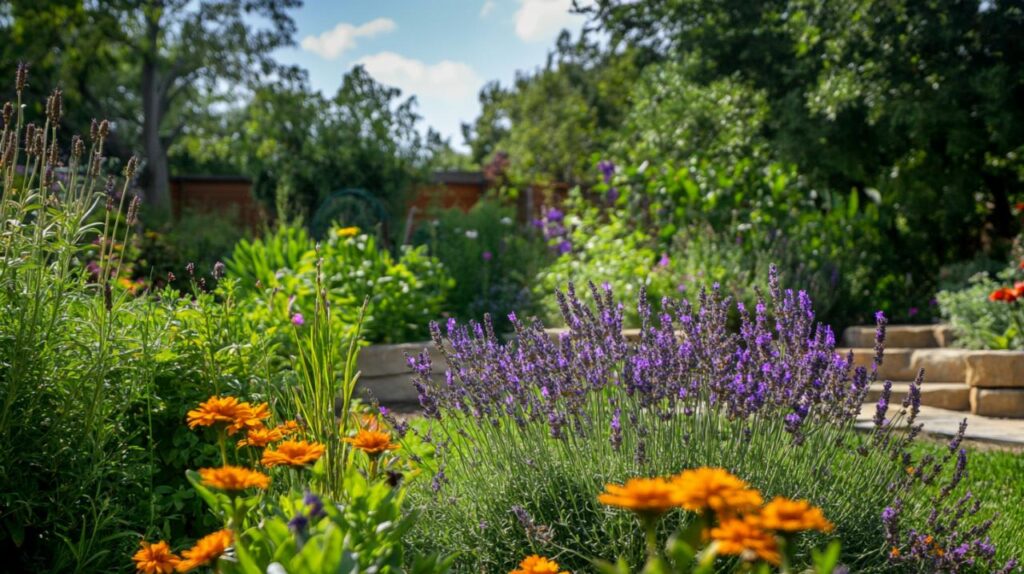
Lavender is another excellent choice, particularly for those seeking a plant that offers aesthetic appeal alongside its protective qualities. This drought-resistant perennial produces fragrant purple blooms that are adored by bees and butterflies but disliked by biting insects. Rosemary, with its woody aroma, is equally effective and has the added benefit of being a versatile culinary herb. Basil, with its pungent smell, is particularly useful when planted near doorways or seating areas, as it releases its scent more readily when its leaves are brushed against. Mint, sage, and bee balm are also highly regarded for their ability to release fragrant oils that deter pests, making them valuable additions to any outdoor space.
Positioning your green barriers for maximum protection
Creating natural boundaries around seating and dining areas
The most effective strategy for using these plants is to position them where you and your family spend the most time outdoors. Planting them around seating areas, dining spaces, and entryways ensures that their protective scent is concentrated in the zones where you are most vulnerable. Consider creating a border of lavender or catmint around your patio, or placing pots of basil and mint on tables and near doorways. The goal is to establish a natural barrier that surrounds you with their fragrance, reducing the likelihood of being bothered by pests.
For those with larger gardens, incorporating these plants into existing flower beds and borders can create a layered defence system. Marigolds, for example, are not only effective at repelling a variety of pests but also add vibrant colour to your landscape. Planting them alongside other flowering perennials creates a visually appealing display while simultaneously enhancing your natural pest control efforts. Similarly, bee balm can be interspersed among other plants to provide both beauty and protection. The key is to think strategically about placement, ensuring that these plants are not relegated to the far corners of your garden but are instead integrated into the areas where their scent will be most beneficial.
Strategic Container Arrangements for Patios and Decking
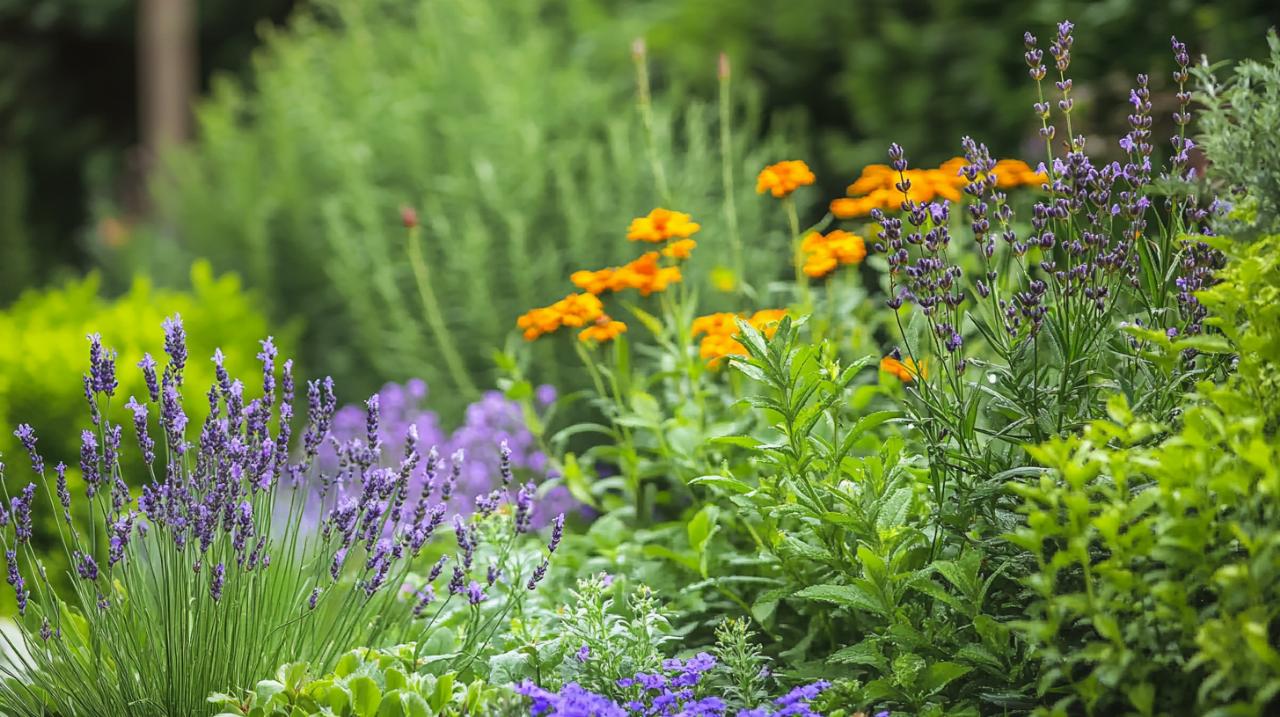
For those with limited outdoor space or for renters who cannot make permanent changes to their gardens, container gardening offers a flexible and effective solution. Growing these plants in pots allows you to move them around as needed, positioning them closer to seating areas during gatherings or relocating them to catch the best sunlight throughout the day. Citronella geraniums, with their fast growth and lemon-scented foliage, are particularly well-suited to container cultivation. Their strong fragrance is released as the sun warms their leaves, making them ideal for sunny patios and decking areas.
Rosemary and sage also thrive in containers and can be placed strategically around outdoor dining tables or near grilling areas, where their woody scents can help keep pests at bay while also providing fresh herbs for cooking. Mint, which can be quite invasive when planted directly in the ground, is best confined to pots where its vigorous growth can be easily managed. Grouping several containers together creates a concentrated zone of fragrance, amplifying the protective effect. Additionally, containers can be moved indoors during colder months, allowing you to extend the life of your plants and continue to enjoy their benefits year-round.
Cultivating and Maintaining Your Protective Greenery Throughout the Seasons
Care requirements for year-round effectiveness
To ensure that your plants remain effective throughout the growing season, it is essential to provide them with the care they need to thrive. Most of these varieties prefer full sun and well-drained soil, conditions that encourage the production of the essential oils that make them effective deterrents. Lavender, for instance, is highly drought-resistant once established and requires minimal watering, making it an excellent choice for low-maintenance gardens. Rosemary and sage share similar requirements and are well-suited to hot, dry climates where they can flourish with little intervention.
Basil, on the other hand, prefers slightly more moisture and benefits from regular watering, particularly during the hottest months. Ensuring that it receives adequate drainage prevents root rot and keeps the plant healthy and productive. Regular pruning encourages bushier growth and increases the surface area from which the plant can release its protective scent. Mint should be monitored closely to prevent it from spreading uncontrollably, and growing it in containers is often the best way to manage its enthusiastic growth habit. By attending to the specific needs of each variety, you can maintain a robust and effective natural barrier throughout the season.
Companion planting techniques to enhance your outdoor sanctuary
Companion planting involves grouping plants together in a way that maximises their mutual benefits, and this technique can be particularly effective when creating a pest-resistant garden. Pairing marigolds with vegetables such as tomatoes and beans not only deters a range of pests but also enhances the overall health of your garden. Alliums, with their globe-shaped flowers and strong fragrance, can be planted among roses and other ornamentals to provide both visual interest and additional protection.
Incorporating a variety of these plants throughout your garden creates a layered defence that is more effective than relying on a single species. The diverse scents and compounds released by different plants work together to create an environment that is inhospitable to a wide range of pests. Additionally, many of these varieties attract beneficial insects such as bees and butterflies, which contribute to the overall health and vitality of your garden. By embracing the principles of companion planting and biodiversity, you can create an outdoor sanctuary that is both beautiful and naturally protected, allowing you to enjoy your time outside without the constant annoyance of unwanted visitors.