
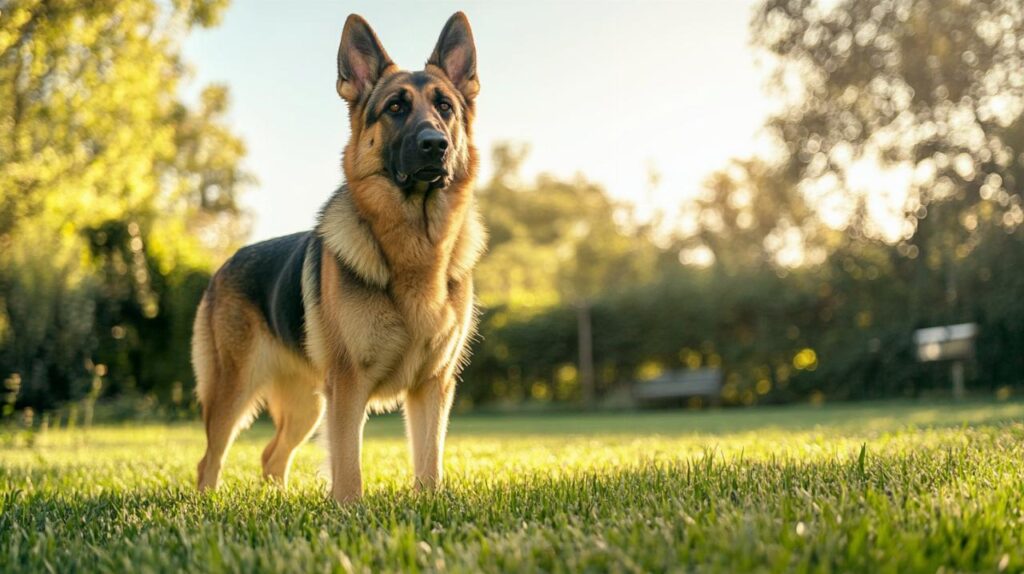
The German Shepherd stands as one of the most recognisable and admired breeds in the canine world, renowned for its striking appearance, unwavering loyalty, and impressive versatility. Originally hailing from Germany where it was bred for herding sheep, this magnificent breed has evolved into a trusted companion for families, a dedicated working dog for police and armed forces, and even the first guide dog to assist those with visual impairments. Understanding the specific needs of this large and energetic breed is essential for anyone considering welcoming one into their home, as their size, weight, and health requirements demand attention and commitment.
Understanding the Physical Characteristics of German Shepherds
The German Shepherd is undeniably a large breed, exhibiting a commanding presence that reflects its heritage as both a herding and working dog. This robust physique is not merely for show; it underpins the breed's ability to perform demanding tasks, from guiding the visually impaired to assisting law enforcement. Recognising the typical dimensions and weight expectations for this breed helps owners provide appropriate care, exercise, and nutrition tailored to their dog's developmental stage and adult size.
Expected Height and Size Standards for This Breed
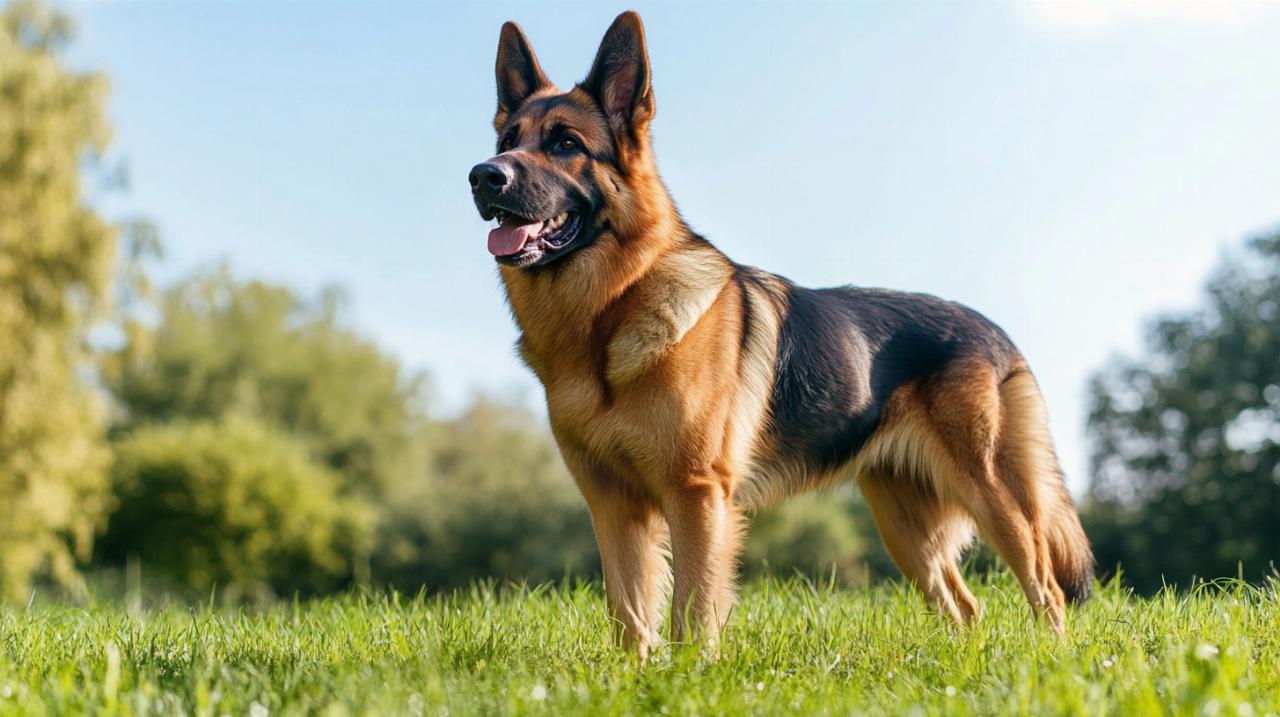
When it comes to height, German Shepherds display a noticeable distinction between males and females. Male dogs typically stand between 60 and 66 centimetres at the shoulder, whilst females tend to be slightly smaller, measuring from 55 to 60 centimetres. This difference, though modest, contributes to the overall balance and athleticism that characterise the breed. Both sexes share a well-proportioned build that combines strength with agility, allowing them to excel in various roles from family companion to working professional. The breed's stature is complemented by its attractive face, distinctive pointy ears, and a dense, weather-resistant coat that can range from medium to long in length. These physical traits not only contribute to the German Shepherd's striking appearance but also serve practical purposes, such as protection from the elements during outdoor activities.
Typical weight ranges throughout their development stages
Understanding how a German Shepherd grows from a playful puppy into a powerful adult is crucial for monitoring health and ensuring proper development. At one month of age, female puppies generally weigh between four and six kilograms, whilst males are slightly heavier at six to eight kilograms. By three months, females will have increased to approximately 10 to 14 kilograms, with males reaching 12 to 17 kilograms. This rapid growth continues, and by six months, females typically weigh 15 to 21 kilograms and males 21 to 28 kilograms. At nine months, the ranges expand further to 18 to 25 kilograms for females and 25 to 32 kilograms for males. By the time a German Shepherd reaches 12 months, females usually weigh between 20 and 28 kilograms, whilst males range from 28 to 36 kilograms. The breed generally stops growing in height around 12 months, but continues to fill out and gain muscle mass until approximately 18 months of age. At this stage, females typically weigh between 22 and 30 kilograms, and males between 30 and 40 kilograms. This weight range places the German Shepherd firmly in the large breed category, necessitating careful attention to diet and exercise to support healthy growth without placing undue stress on developing joints.
Essential health considerations for german shepherd owners
Owning a German Shepherd involves more than admiring their impressive physique and loyal temperament; it requires a commitment to understanding and managing the health challenges that can affect this breed. Whilst German Shepherds are intelligent, adaptable, and highly trainable, they are also predisposed to certain health conditions that responsible owners must be aware of. The Kennel Club has placed this breed in Category Three, a designation that reflects concerns about specific health issues linked to breeding practices. Being informed about these potential problems and taking proactive steps can significantly enhance the quality and longevity of your dog's life.
Common health conditions affecting this breed
German Shepherds are unfortunately susceptible to a range of health concerns, many of which are related to their size and conformation. Hip dysplasia and elbow dysplasia are among the most prevalent issues, affecting the joints and potentially leading to pain, lameness, and reduced mobility. These conditions arise when the joints do not develop correctly, often exacerbated by rapid growth during puppyhood. Back problems are also common, given the breed's long spine and active lifestyle. Degenerative myelopathy, a progressive neurological disorder, can affect older German Shepherds, leading to weakness and eventual paralysis of the hind limbs. Eye diseases, including progressive retinal atrophy, can also occur, potentially impacting vision. Additionally, German Shepherds may experience dietary sensitivities and inflammatory bowel disease, which can cause digestive upset and require careful management of their diet. Recognising the signs of these conditions early and working closely with a veterinarian is essential for effective management and treatment.
Preventative care and regular health monitoring practices
Preventative care is the cornerstone of maintaining a German Shepherd's health throughout its life, which typically spans 10 to 12 years. Regular veterinary check-ups are vital, allowing for early detection of any emerging issues. Vaccinations, neutering, and routine health screenings should be part of a comprehensive care plan. When selecting a German Shepherd, whether from a breeder or a rescue centre, it is crucial to ensure that appropriate health checks have been conducted. Responsible breeders will screen for hip and elbow dysplasia, among other conditions, to reduce the risk of passing on genetic problems. Monitoring your dog's weight and body condition is equally important, as maintaining an optimal weight reduces stress on joints and supports overall health. Regular grooming, though not directly related to preventing illness, allows owners to check for skin issues, lumps, or other abnormalities that might otherwise go unnoticed. Mental stimulation through consistent training and socialisation from a young age not only enhances a German Shepherd's well-being but also strengthens the bond between dog and owner, making it easier to notice any changes in behaviour that could indicate a health problem.
Maintaining Optimal Weight and Fitness for Your German Shepherd
Keeping a German Shepherd at a healthy weight and in peak physical condition is a responsibility that extends throughout the dog's life. This breed's high energy levels and substantial exercise needs mean that both diet and activity must be carefully balanced to prevent obesity and its associated health risks, whilst also supporting the dog's natural athleticism and vitality. Given that the minimum monthly cost of owning a German Shepherd is approximately 105 pounds, with a lifetime cost estimated at over 17,000 pounds, investing in proper nutrition and exercise is both a health imperative and a financial consideration.
Proper Nutrition and Feeding Guidelines for Different Life Stages
Nutrition plays a pivotal role in a German Shepherd's development and long-term health. Puppies require a diet rich in good quality protein and sufficient calories to fuel their rapid growth and boundless energy. It is essential to provide food specifically formulated for large breed puppies, as this supports healthy bone and joint development without encouraging excessive weight gain that could stress growing frames. As the dog matures into adulthood, the focus shifts to maintaining health and mobility through complete and balanced nutrition. Adult German Shepherds benefit from diets that support healthy joints, given their predisposition to dysplasia, and that are gentle on sensitive digestive systems, which is particularly important for dogs prone to dietary sensitivities or inflammatory bowel disease. Owners should be mindful of portion sizes and avoid overfeeding, as excess weight places additional strain on joints and can exacerbate existing health conditions. Consulting with a veterinarian to tailor the diet to the individual dog's needs, activity level, and any health concerns is a prudent approach. Regular monitoring of body condition and adjustments to food intake as the dog ages will help maintain an optimal weight throughout all life stages.
Exercise Requirements to Keep Your Dog in Peak Condition
German Shepherds are renowned for their high energy and need for substantial daily exercise, with a minimum of two hours recommended to keep them happy and healthy. This exercise should be a mix of high-intensity activities, such as running, playing fetch, and engaging in agility training, combined with mental stimulation through obedience work and interactive games. The breed thrives on challenges and enjoys tasks that engage both body and mind, reflecting its origins as a working dog. Without adequate exercise, German Shepherds can become bored, which may lead to destructive behaviour or excessive vocalisation. Owners should ensure their dog has access to spacious areas where it can roam and play safely. It is worth noting that there are two main types of German Shepherds: working line and show line. Working line dogs tend to have even higher exercise demands and may require more rigorous activity to remain content. Daily walks, playtime, and opportunities for off-lead exercise in secure environments are essential components of a well-rounded fitness routine. Additionally, regular exercise supports joint health, helps maintain a healthy weight, and provides an outlet for the breed's natural protective and loyal instincts. Consistent training and socialisation during these activities further enhance the German Shepherd's adaptability, trainability, and overall temperament, making it a well-adjusted and reliable companion.