
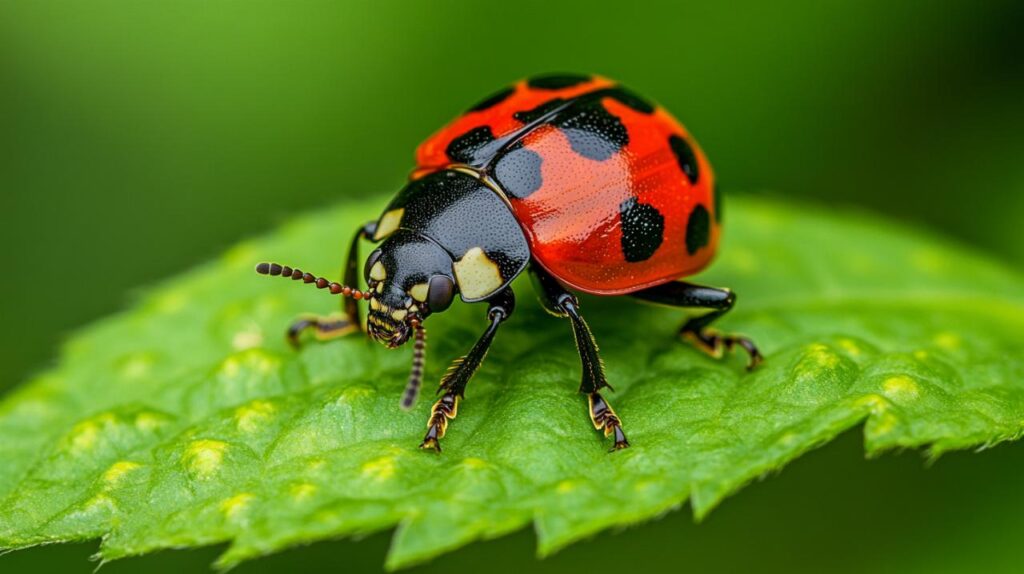
The harlequin ladybird has become a familiar yet somewhat controversial resident in British gardens over the past two decades. Whilst ladybirds are traditionally welcomed as natural pest controllers, the arrival and rapid spread of Harmonia axyridis has prompted questions about its impact on native species and the broader ecosystem. Understanding how to identify this invasive species and recognising its ecological significance is essential for gardeners and nature enthusiasts alike who wish to support biodiversity whilst managing garden pests effectively.
Identifying black ladybirds: distinguishing features and spot patterns
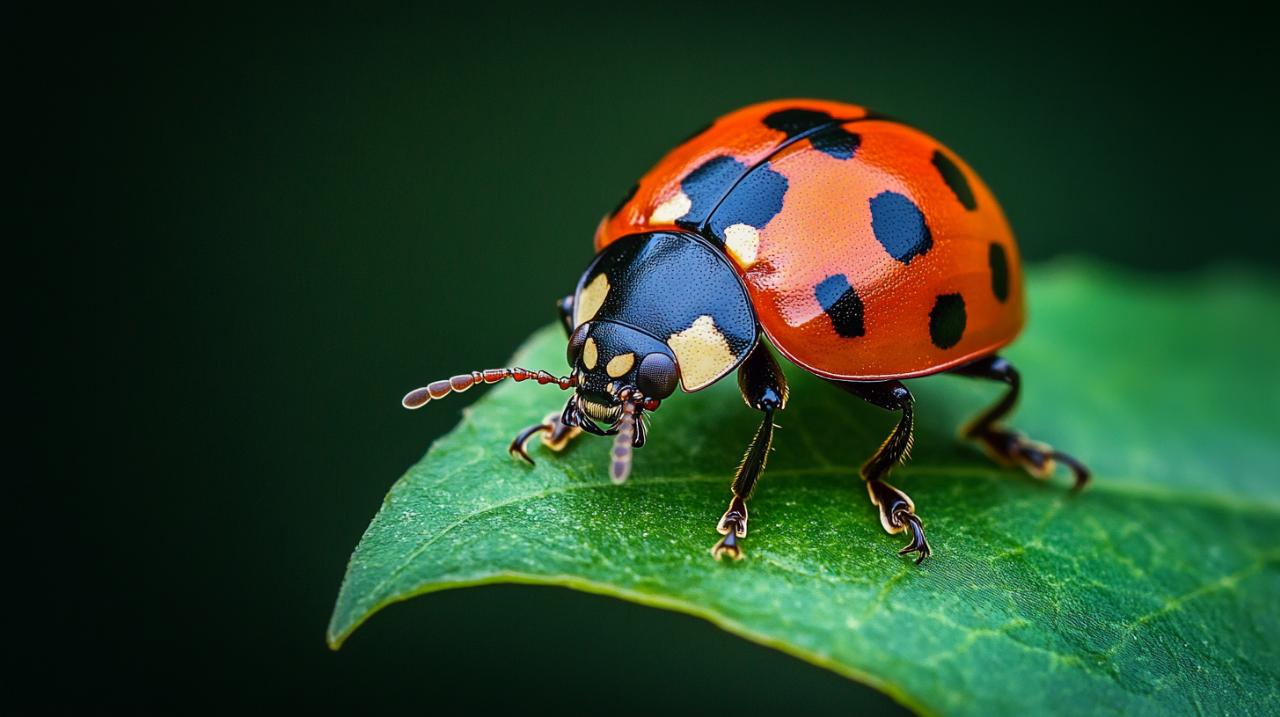
Recognising the various species of ladybirds in your garden begins with observing their markings and overall appearance. The harlequin ladybird is particularly notable for its remarkable variability in colour and pattern, which can make identification challenging for the uninitiated. Adults typically measure between eight and ten millimetres in length and can display a wide range of colour morphs. Some individuals present a red or orange background adorned with black spots, whilst others may appear predominantly black with red or orange markings. This diversity means that no two harlequin ladybirds necessarily look identical, and their appearance can shift across generations and habitats.
Recognising adalia bipunctata: the classic two-spot ladybird
The two-spot ladybird, known scientifically as Adalia bipunctata, is one of the native species that gardeners have long cherished for its role in controlling aphid populations. This species typically displays a black body with two distinctive red spots, though colour variations do exist. The consistent appearance of Adalia bipunctata makes it relatively straightforward to identify compared to the more variable harlequin ladybird. Native to many regions across northern Europe and parts of America, this classic ladybird has been a stalwart ally in the garden for generations. Its lifecycle progresses through eggs, larvae, and nymphs, with each stage contributing to its development and eventual emergence as an adult ready to prey on garden pests. The two-spot ladybird tends to favour habitats where aphids are abundant, making gardens and hedgerows ideal environments during the warmer months.
Harlequin ladybird variations: understanding colour morphs and markings
The harlequin ladybird exhibits a striking array of colour morphs that can confuse even experienced observers. Individuals may feature up to twenty-one black spots on a red or orange background, or conversely, they may display red or orange spots on a predominantly black body. This variability extends to the larvae, which are black and orange in colour and can grow up to approximately one centimetre in length. The pupae are dark with orange markings and measure around eight millimetres in diameter. Eggs are yellow or orange, roughly one to two millimetres long, and are typically laid in groups on the underside of leaves. The ability of Harmonia axyridis to present such diverse appearances across its lifecycle stages contributes to the difficulty in distinguishing it from native species. Understanding these variations is crucial for gardeners who wish to monitor and manage the presence of this invasive species whilst protecting the indigenous ladybird populations that have been part of the British landscape for centuries.
The Ecological Impact of Harlequin Ladybirds in British Gardens
The arrival of the harlequin ladybird in the United Kingdom has had profound ecological consequences, particularly for native ladybird species. Established in the country since two thousand and four, Harmonia axyridis has spread rapidly across England and Wales and is now moving into Scotland. The species originated in Asia and was introduced to various regions, including Ireland, through fresh vegetables and cut flowers. Its rapid reproduction and adaptability to a wide range of habitats, from urban areas to mixed woodlands, have enabled it to outcompete many native species. Research has shown that the harlequin ladybird poses the second largest threat to biodiversity after habitat loss, costing the European Union over twelve billion euros annually in management and mitigation efforts. The impact on native ladybird populations has been stark, with seven out of eight native species experiencing declines attributed to competition with Harmonia axyridis.
Competition with native species: how invasive ladybirds affect local populations
The harlequin ladybird competes aggressively with native insects for food and habitat, often outpacing indigenous species in the race for resources. Whilst both native and invasive ladybirds primarily consume aphids, the harlequin also preys on other insects, including other ladybirds, which further exacerbates the pressure on local populations. The ability of Harmonia axyridis to produce multiple broods throughout spring, summer, and autumn means that new generations can appear within twenty-five days of egg-laying, allowing the species to spread rapidly and dominate habitats. Observations have recorded congregations of up to twenty thousand individuals at a single site in the United States, illustrating the species' capacity for rapid population growth. In the United Kingdom, sightings in mixed woodlands account for a significant proportion of observations, demonstrating the harlequin's versatility in colonising diverse environments. This competitive pressure has contributed to the decline of native species, threatening the delicate balance of ecosystems that have evolved over millennia. Gardeners and conservationists are increasingly concerned about the long-term effects of this invasive species on biodiversity, particularly as climate change and habitat loss continue to challenge native wildlife.
Pest Control Benefits: The Role of Ladybirds in Managing Aphid Infestations
Despite the ecological concerns surrounding the harlequin ladybird, it is important to acknowledge its role in controlling aphid populations in gardens and agricultural settings. Aphids are a persistent nuisance for gardeners, feeding on plant sap and causing damage that can weaken and stunt growth. Both native and harlequin ladybirds are voracious predators of aphids, consuming large numbers over their lifetimes and helping to keep infestations in check. The presence of ladybirds in a garden can yield promising results in pest control, reducing the need for chemical interventions and promoting a healthier, more vibrant ecosystem. The harlequin ladybird's efficiency in controlling aphids is one reason it was initially introduced to various regions, including North America and Europe, as a biological control agent. However, the unintended consequences of this introduction have highlighted the complexities of managing invasive species. Whilst the harlequin's appetite for aphids is beneficial, its impact on native species and the broader ecosystem cannot be ignored. Gardeners face a delicate balancing act in welcoming the pest control benefits of ladybirds whilst striving to protect and encourage native species that are integral to local biodiversity.
Encouraging beneficial ladybirds whilst managing invasive species
Creating a garden environment that supports native ladybirds whilst managing the presence of harlequin ladybirds requires thoughtful planning and a commitment to biodiversity. Gardeners play a crucial role in supporting wildlife, with UK gardens collectively providing more space for nature than all National Nature Reserves combined. By adopting practices that favour native species and monitoring ladybird populations, individuals can contribute to conservation efforts and help mitigate the impact of invasive species on local ecosystems. The Wildlife Trusts, which comprise forty-seven independent charities working across the country, offer guidance and resources to support these efforts. Their work includes protecting over two thousand three hundred nature reserves and engaging communities in actions for nature, climate change mitigation, and habitat restoration.
Creating ladybird-friendly gardens: practical steps for gardeners
To encourage native ladybirds and support a healthy garden ecosystem, gardeners can adopt several practical measures. Planting a diverse range of native flowering plants provides nectar and pollen for adult ladybirds whilst attracting the aphids that larvae feed on. Avoiding the use of chemical pesticides is essential, as these can harm beneficial insects and disrupt the natural balance of predator and prey. Providing overwintering habitats, such as log piles, leaf litter, and undisturbed areas, offers shelter for ladybirds during the colder months when they are less active. Harlequin ladybirds are known to overwinter in buildings, where they may congregate in large numbers and occasionally cause staining on soft furnishings. Whilst they pose no danger to humans beyond the potential for minor bites and rare allergic reactions, their presence can be managed by vacuuming them up when they gather indoors. Creating a garden that supports a variety of habitats, from hedgerows to wildflower meadows, increases the chances of attracting a range of ladybird species and other beneficial insects that contribute to a thriving, biodiverse environment.
Monitoring and recording ladybird populations: citizen science opportunities
Gardeners and nature enthusiasts can play a vital role in tracking the spread and impact of harlequin ladybirds by participating in citizen science initiatives. Reporting sightings to organisations such as the National Biodiversity Data Centre or the Ladybirds of Ireland Survey helps researchers monitor population trends and assess the effectiveness of management strategies. These records are invaluable for understanding the distribution of both native and invasive species and for guiding conservation efforts. Volunteering with wildlife charities, becoming a member of organisations like the Royal Horticultural Society or the Wildlife Trusts, and participating in events and surveys are all ways to contribute to the broader effort to protect biodiversity. Education and awareness are key to managing invasive species, and by learning to identify the harlequin ladybird and understanding its ecological impact, individuals can make informed decisions about how to support native wildlife. The challenge of managing Harmonia axyridis without harming native ladybirds underscores the importance of research, monitoring, and community engagement in addressing the complex issues posed by invasive species in the modern world.