
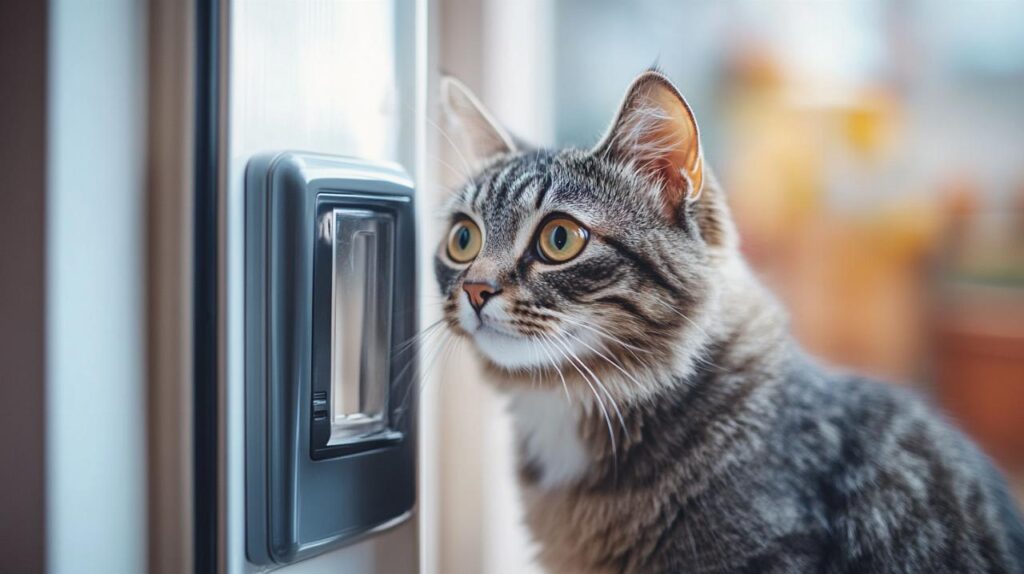
As pet owners increasingly seek convenient and secure solutions for their feline companions, the choice between leading brands in the cat flap market has become a critical decision. The modern cat flap is no longer a simple hinged door but a sophisticated piece of technology that requires careful consideration of power consumption, running costs, and environmental implications. This comprehensive examination delves into the energy demands of SureFlap and PetSafe cat flaps, exploring how each brand approaches power management and what this means for your household budget and ecological footprint.
Understanding the Power Requirements of Modern Cat Flaps
Contemporary electronic cat doors represent a significant advancement in pet access control, relying on microchip recognition technology to grant selective entry to authorised felines whilst keeping unwanted visitors at bay. Both SureFlap and PetSafe have developed electronic cat doors that operate on battery power, eliminating the need for mains electricity and offering flexibility in installation locations. The fundamental distinction between traditional flap-style doors and these modern variants lies in their ability to read microchip data, a feature that necessitates a constant power supply to maintain functionality throughout the day and night.
The power consumption of these devices varies considerably depending on usage patterns, environmental conditions, and the specific model selected. Electronic cat doors typically require energy for several components including the microchip reader mechanism, the electromagnetic locking system, and in some advanced models, connectivity features that enable remote monitoring through smartphone applications. Understanding these power requirements becomes essential when evaluating the long-term practicality of installing such a system in your home, particularly if you reside in a location where extreme weather conditions might affect battery performance.
Battery Life Expectations for SureFlap and PetSafe Models
The SureFlap Microchip Cat Door, recognised as one of the most popular options on the market, operates on four AA batteries that typically provide power for approximately six to twelve months under normal usage conditions. This impressive longevity stems from the device's efficient power management system, which activates the microchip reader only when motion sensors detect an approaching cat. The SureFlap Pet Door, designed for larger cats and small dogs, maintains similar battery specifications whilst accommodating a broader range of animals, though the increased size of the opening mechanism may result in marginally higher power consumption during operation.
PetSafe's microchip cat flap presents an affordable alternative with comparable battery life expectations, generally requiring replacement of four AA batteries once or twice annually depending on the frequency of use. The PetSafe models incorporate similar power-saving features, including selective activation of the scanning mechanism when a cat approaches the door. However, real-world experiences from cat owners suggest that environmental factors such as temperature fluctuations and humidity levels can significantly influence battery performance, with some users reporting more frequent replacement needs in particularly cold or damp conditions.
For those considering the SureFlap Microchip Cat Flap Connect, which represents the pinnacle of smart pet door technology, the power requirements increase moderately due to the addition of wireless connectivity features that enable pet monitoring through a dedicated smartphone application. This advanced model typically consumes batteries at a slightly faster rate than its standard counterpart, with users reporting battery life ranging from four to nine months. The trade-off between extended monitoring capabilities and increased power consumption becomes a personal decision based on individual preferences and the value placed on real-time insights into your cat's movements.
Environmental Impact of Different Energy Sources in Pet Door Technology
The reliance on disposable alkaline batteries raises important questions about the environmental sustainability of electronic cat doors. Each year, millions of batteries enter landfill sites, contributing to soil and water contamination through the leaching of heavy metals and other toxic substances. The cumulative environmental impact of replacing batteries multiple times annually across thousands of households equipped with electronic pet doors represents a significant ecological concern that conscientious pet owners must weigh against the convenience and security benefits these devices provide.
Fortunately, both SureFlap and PetSafe models accommodate rechargeable battery alternatives, offering a more environmentally responsible approach to powering your cat flap. High-quality rechargeable nickel-metal hydride batteries can be recharged hundreds of times before requiring replacement, substantially reducing the number of batteries destined for disposal. Whilst rechargeable batteries typically exhibit slightly lower capacity compared to premium alkaline options, the environmental benefits far outweigh this modest reduction in longevity between charges. Pet owners who opt for rechargeable batteries report satisfactory performance, with the added advantage of long-term cost savings that compound over the operational lifespan of the cat flap.
The broader consideration of sustainability extends beyond battery choice to encompass the durability and expected lifespan of the cat flap itself. Microchipped cat flaps generally offer a service life of five to ten years when properly maintained, with many manufacturers providing warranties of approximately three years. The combination of robust construction, weatherproofing features, and reliable electronic components ensures that these devices remain functional through thousands of entry and exit cycles, justifying the initial investment and associated energy consumption through years of dependable service.
Energy efficiency analysis: which brand offers better value for money
When assessing the financial implications of power consumption, the immediate focus often centres on the cost of replacement batteries, yet a comprehensive evaluation must consider the broader context of initial purchase price, installation expenses, and long-term maintenance requirements. The SureFlap Microchip Cat Door, priced at approximately two hundred and thirty pounds, represents a substantial upfront investment compared to simpler mechanical alternatives, yet this cost reflects the sophisticated technology embedded within the device. The PetSafe Microchip Cat Flap emerges as a more budget-friendly option whilst retaining essential features, appealing to cost-conscious consumers who seek reliable functionality without premium pricing.
The relationship between purchase price and energy efficiency becomes particularly relevant when projecting total cost of ownership over the expected lifespan of the device. A cat flap that consumes batteries more rapidly or requires premium battery types to function optimally will accumulate higher running costs over time, potentially offsetting any savings achieved through a lower initial purchase price. Furthermore, the quality of construction and reliability of electronic components directly influence maintenance costs, with frequent repairs or premature replacement effectively negating the perceived value of a cheaper model.
Annual running costs breakdown for each manufacturer
Calculating the annual running costs for electronic cat doors requires consideration of battery consumption rates, prevailing battery prices, and the frequency of usage typical in a multi-cat household. For a standard SureFlap Microchip Cat Door operating on quality alkaline batteries replaced once annually, the power cost amounts to approximately eight to twelve pounds per year, assuming a set of four AA batteries costs between two and three pounds. Households with multiple cats or flaps positioned in high-traffic locations may experience increased battery consumption, potentially doubling this annual expenditure to accommodate more frequent replacements.
PetSafe models exhibit comparable running costs, with annual battery expenses typically falling within the same range depending on usage patterns and battery quality. The marginal differences in power consumption between brands prove negligible in practical terms, with environmental conditions and usage frequency exerting far greater influence on battery life than inherent design variations. Pet owners who transition to rechargeable batteries can reduce annual power costs to virtually zero after recovering the initial investment in batteries and a charging station, typically achieved within the first year of operation.
For the SureFlap Microchip Cat Flap Connect with its enhanced connectivity features, annual running costs increase modestly to reflect the additional power demands of wireless communication. Users of this advanced model should anticipate battery replacement costs of approximately fifteen to twenty pounds annually, representing a reasonable premium for the convenience of remote monitoring and activity tracking. These costs remain substantially lower than the expenses associated with many other smart home devices, positioning connected cat flaps as relatively economical additions to a comprehensive home automation system.
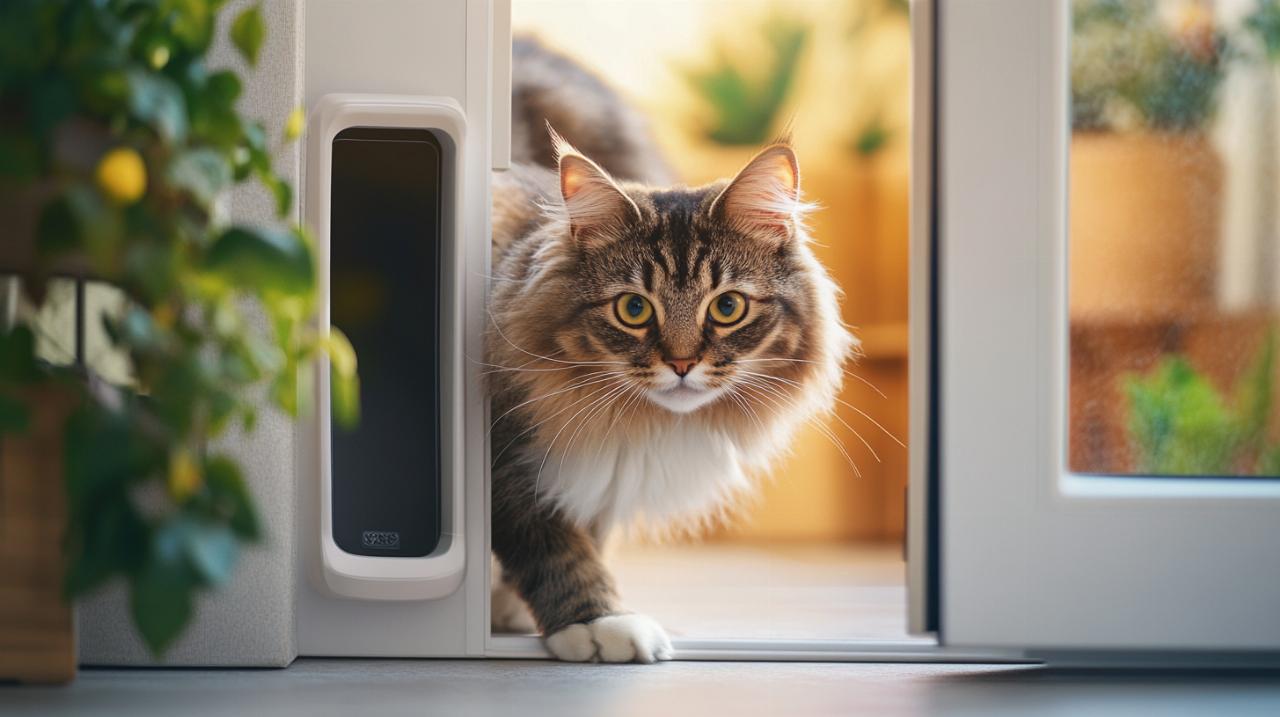
Long-term sustainability and maintenance considerations
Beyond the direct costs of battery replacement, the long-term sustainability of electronic cat doors encompasses several additional factors that influence their overall value proposition. The availability of replacement parts, the accessibility of technical support, and the manufacturer's commitment to product longevity all contribute to the total cost of ownership over the device's operational lifespan. SureFlap has established a reputation for excellent customer service and readily available replacement components, ensuring that minor issues can be addressed without necessitating complete unit replacement.
PetSafe similarly supports its products through comprehensive warranty coverage and accessible customer support channels, though some users report variability in response times and the effectiveness of troubleshooting assistance. The durability of the flap mechanism itself proves crucial to long-term satisfaction, as repeated opening and closing cycles gradually wear mechanical components regardless of the brand selected. Quality weatherproofing materials resist degradation from ultraviolet exposure and temperature extremes, preserving the integrity of seals and gaskets that prevent draughts and moisture ingress.
Maintenance requirements for both brands remain minimal, typically limited to periodic cleaning of the microchip reader window and inspection of the flap seal to ensure proper function. The four-way locking mechanism found in many models allows pet owners to control access direction, providing flexibility in managing their cat's outdoor activities whilst conserving battery power during periods when the electronic features are not required. This manual override capability enhances the practical sustainability of these devices by enabling continued use even when batteries are depleted or electronic components require servicing.
Real-world performance: user experiences with power consumption
The theoretical specifications provided by manufacturers offer valuable guidance, yet the authentic measure of a cat flap's energy efficiency emerges from the collective experiences of pet owners who integrate these devices into their daily lives. Online forums and product reviews reveal a spectrum of experiences ranging from exceptional battery longevity exceeding manufacturer estimates to frustrating scenarios of rapid battery depletion requiring frequent intervention. These varied accounts underscore the influence of individual circumstances on power consumption, including factors such as installation location, local climate conditions, and the temperament and habits of resident cats.
Pet owners consistently emphasise the importance of proper installation in optimising battery life, noting that cat flaps exposed to extreme temperatures or direct moisture infiltration exhibit accelerated battery drain. Positioning the device in a sheltered location protected from the full force of weather elements whilst maintaining adequate ventilation proves crucial to achieving the battery longevity promised in product specifications. Additionally, the frequency of use directly correlates with power consumption, with households hosting multiple active cats naturally experiencing shorter intervals between battery replacements compared to single-cat homes with less adventurous felines.
Common power-related issues reported by cat owners
Among the most frequently reported power-related concerns, premature battery depletion stands prominently, with some users expressing frustration at intervals as short as two to three months between replacements. Investigation of these cases often reveals contributing factors such as the use of economy-grade batteries with inferior performance characteristics, exposure to temperature extremes that accelerate chemical degradation within cells, or manufacturing defects in specific units that cause abnormal power draw. Both SureFlap and PetSafe have demonstrated responsiveness to warranty claims involving defective units, typically offering replacement devices when troubleshooting confirms hardware malfunction rather than user error.
Another common issue involves inconsistent microchip recognition that prompts repeated scanning attempts, consequently increasing power consumption as the device remains active for extended periods. This problem often stems from positioning the microchip reader at a suboptimal distance from the entry point or interference from nearby metal structures that disrupt radio frequency signals. Adjustment of the sensitivity settings available in some models or repositioning the flap can resolve these difficulties, restoring normal operation and associated power consumption patterns.
Some users of the SureFlap Microchip Cat Flap Connect report connectivity challenges that impact battery life, particularly when the device struggles to maintain a stable connection to the home wireless network. The repeated connection attempts required to establish and sustain network communication substantially increase power draw, potentially halving the expected battery lifespan. Addressing these connectivity issues through router configuration adjustments or the installation of wireless range extenders typically resolves the problem, restoring acceptable battery performance whilst preserving the monitoring capabilities that distinguish this premium model.
Tips for Maximising Battery Longevity in Your Cat Flap
Experienced cat flap users have developed numerous strategies for extending battery life and optimising the energy efficiency of their electronic pet doors. The selection of premium alkaline batteries from reputable manufacturers represents the most straightforward approach to maximising longevity, as these products deliver consistent voltage output throughout their discharge cycle and resist the gradual capacity loss that plagues inferior alternatives. Whilst the upfront cost of quality batteries exceeds that of budget options, the extended service life typically justifies the additional expenditure through reduced replacement frequency.
For those committed to environmental sustainability and long-term cost reduction, the transition to rechargeable batteries offers compelling advantages despite requiring an initial investment in batteries and charging infrastructure. Modern rechargeable batteries exhibit minimal self-discharge rates, maintaining their charge for months when not in use and delivering performance that closely approximates disposable alkaline alternatives. Maintaining a spare set of charged batteries ensures uninterrupted operation during the recharging cycle, eliminating concerns about temporary loss of electronic functionality.
Regular maintenance routines contribute significantly to optimal power consumption by ensuring that mechanical components operate smoothly without imposing excessive load on the electromagnetic locking mechanism. Cleaning the microchip reader lens quarterly removes accumulated dust and debris that might interfere with signal detection, whilst lubricating the hinge mechanism prevents friction that increases the energy required to actuate the flap. Seasonal inspection of weatherproofing seals identifies deterioration before it progresses to the point of compromising the internal electronics, protecting the investment and maintaining efficient operation throughout the device's service life.