
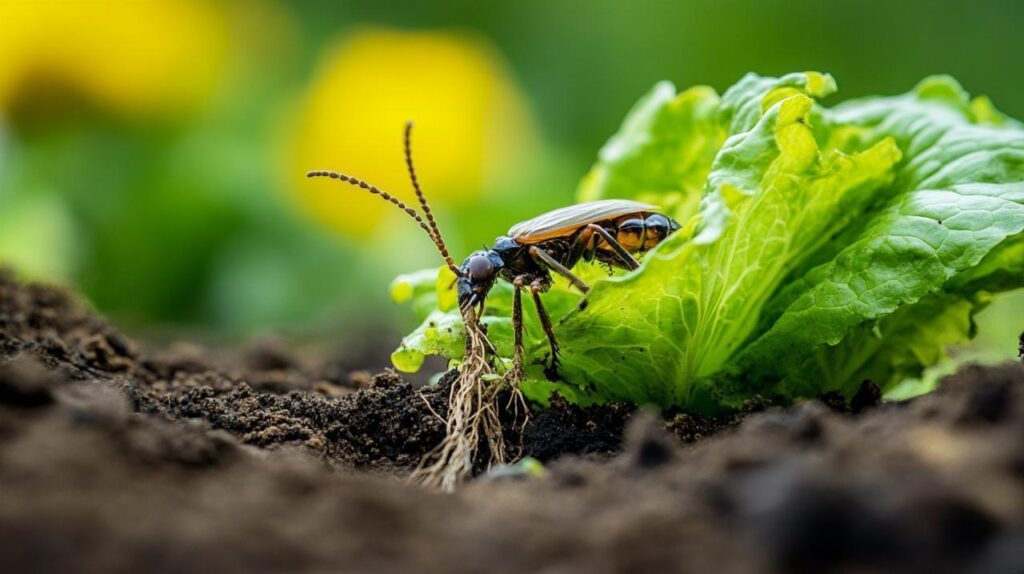
Lettuce cultivation, whether in sprawling commercial fields or modest home gardens, can face significant challenges from pests lurking beneath the soil surface. Among these hidden adversaries, certain insects specialise in feeding on lettuce roots, causing considerable distress to the plant and, ultimately, affecting yield and quality. Understanding which creatures are responsible, recognising the telltale signs of their presence, and implementing effective control measures are essential steps in protecting your crop and ensuring healthy growth throughout the season.
Identifying the primary root-feeding pests affecting lettuce crops
Several insect species are notorious for their appetite for lettuce roots, each bringing its own set of challenges to growers. The most common culprits include wireworms, slugs, and various larvae that dwell in the soil. However, one pest that stands out due to its specialised behaviour and significant impact is the lettuce root aphid, scientifically known as Pemphigus bursarius. This aphid species has a complex life cycle that involves both poplar trees and lettuce plants, making it particularly difficult to manage once established. Gardeners and commercial growers alike have reported infestations characterised by small, wax-covered insects clustering around the root systems, often going unnoticed until visible symptoms appear above ground.
Common underground insects: wireworms, slugs, and root-dwelling larvae
Wireworms, the larvae of click beetles, are slender, yellowish-brown creatures that can spend several years underground, feeding on roots and other plant material. Their presence is often discovered only when plants begin to wilt or fail to thrive despite adequate care. Slugs, though not insects, are another common pest that can damage lettuce roots, particularly in damp conditions. They leave behind a slimy trail and can consume tender root tissues, leading to stunted growth. Additionally, white or pale larvae, sometimes referred to as pot worms or other soil-dwelling grubs, have been observed near the roots of affected lettuce plants. These larvae can vary in size, with some measuring as small as five millimetres in length and less than a millimetre in thickness. Gardeners have reported finding these worms during inspections of wilting lettuce, raising concerns about their role in root damage. While some of these may be harmless decomposers, others, such as cutworm larvae, are known to feed on plant roots and lower stems, causing significant harm. Nematodes, microscopic worm-like organisms, also inhabit the soil and can attack lettuce roots, though they require careful identification to distinguish from other pests.
Understanding the Life Cycle and Behaviour of Root-Feeding Pests
The life cycle of the lettuce root aphid provides insight into the timing and severity of infestations. During the colder months, from November through February, the aphid overwinters as eggs on poplar trees, particularly Lombardy poplars, which serve as their primary host. As temperatures rise in spring, between March and May, these eggs hatch into nymphs that begin feeding on the petioles of poplar leaves, forming distinctive galls that house the developing aphids. By June and July, winged adults emerge and migrate to lettuce crops and wild host plants, where they reproduce asexually at a rapid pace. The wingless progeny of these winged aphids then migrate to the roots of lettuce plants between June and August, where they establish dense colonies. These colonies feed on the root system, drawing sap and impairing the plant's ability to absorb water and nutrients. As the summer progresses into autumn, from August to October, winged aphids are produced once more, returning to poplar trees to lay eggs and complete the cycle. This migratory behaviour and alternation between hosts make the lettuce root aphid particularly challenging to control, as infestations can quickly escalate during the warmer months when lettuce is actively growing.
Recognising the Warning Signs and Damage Symptoms in Lettuce Plants
Detecting root-feeding insects early can make a significant difference in managing the problem before it becomes severe. Since these pests operate below the soil surface, the first signs of trouble often manifest in the foliage and overall vigour of the plant. Growers should remain vigilant for a combination of symptoms that may indicate root damage, including wilting, stunted growth, yellowing leaves, and in severe cases, plant death. These indicators can sometimes be mistaken for other issues such as fungal infections, freezing damage, or inadequate watering, so careful examination is necessary to confirm the presence of pests.
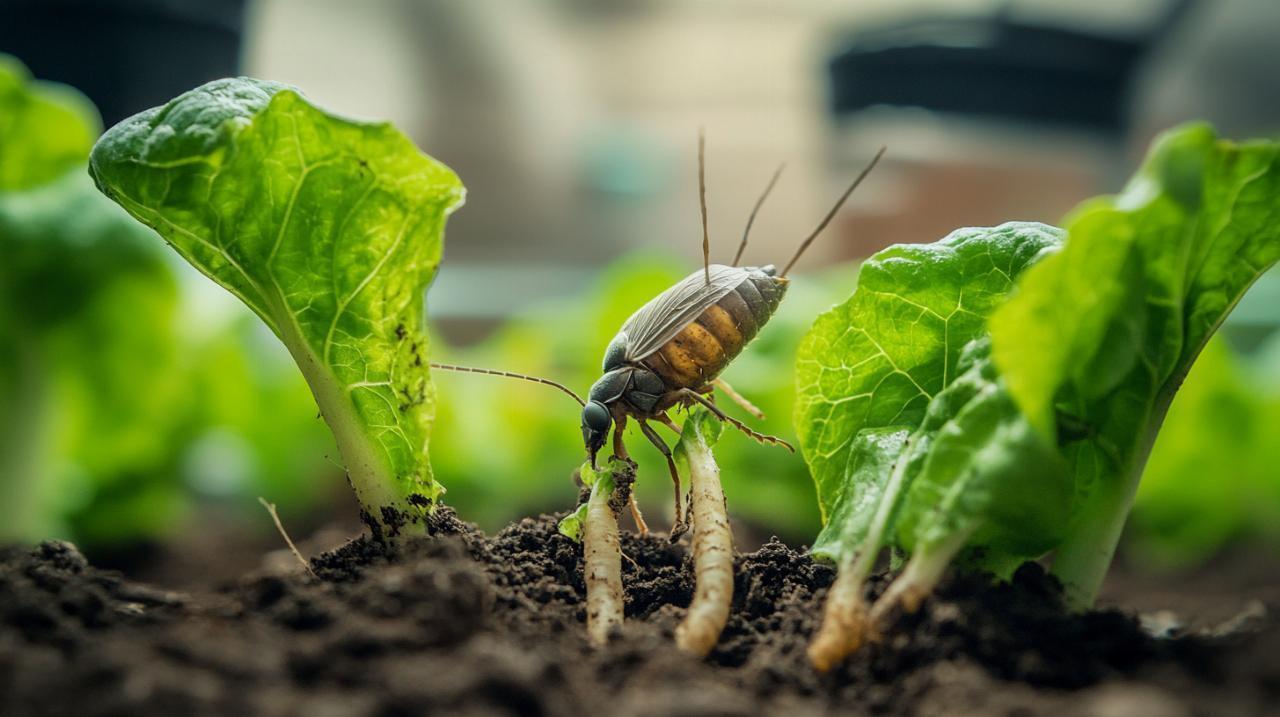
Visual Indicators of Root Damage: Wilting, Stunted Growth, and Plant Death
One of the most common and noticeable symptoms of root-feeding insect activity is wilting, even when soil moisture levels appear adequate. Lettuce plants affected by root aphids or other root pests often exhibit limp, drooping leaves that fail to recover with watering. This wilting can affect both the outer and inner leaves, progressing rapidly if the infestation is severe. Alongside wilting, growers may observe stunted growth, where plants fail to reach their expected size or remain small and weak despite favourable growing conditions. Yellowing of the foliage is another telltale sign, as the compromised root system struggles to transport nutrients efficiently throughout the plant. In cases of severe infestation, particularly during dry seasons when water uptake is already limited, the combination of root damage and environmental stress can lead to desiccation and plant death. The impact is often more pronounced in periods of drought or heat, as the aphids further reduce the plant's ability to absorb moisture from the soil. Gardeners have reported entire rows of lettuce succumbing to these symptoms, underscoring the importance of early detection and intervention.
Below-Ground Signs: Examining Roots for Feeding Marks and Pest Presence
To confirm the presence of root-feeding insects, it is necessary to carefully dig up affected plants and inspect the root system. Healthy lettuce roots should be white or light-coloured, firm, and well-developed. In contrast, roots damaged by pests may appear discoloured, stunted, or show signs of feeding marks such as scars or tunnels. In the case of lettuce root aphids, one of the most distinctive signs is the presence of small, wax-covered aphids clustered around the roots. Winged adults, which measure approximately two millimetres in length, have dark heads and thoraxes with brownish-orange abdomens. Wingless adults, on the other hand, feature yellow heads and yellowish-white bodies, often covered in a white waxy substance that can make them resemble mould or fungus to the untrained eye. Nymphs may also be present, appearing as smaller versions of the adults. In some instances, gardeners have discovered larger white maggots or grubs in the soil, which could be larvae of other pests such as cutworms. These larvae may feed on the lower stems and roots, contributing to the overall decline of the plant. Additionally, the presence of fungal rot or other secondary infections may complicate diagnosis, as weakened plants are more susceptible to disease. Thorough inspection and, if necessary, consultation with horticultural experts can help accurately identify the pest and determine the best course of action.
Effective Prevention and Control Strategies for Root-Feeding Insects
Managing root-feeding pests requires a multifaceted approach that combines cultural practices, biological controls, and, when necessary, chemical interventions. The goal is to create an environment that is less conducive to pest establishment and reproduction while encouraging beneficial organisms that can naturally suppress pest populations. Integrated pest management techniques are particularly effective, as they address the problem from multiple angles and reduce reliance on any single method.
Implementing integrated pest management techniques in your garden
Integrated pest management emphasises prevention and monitoring as the first lines of defence. For lettuce root aphids, one of the most effective strategies is to avoid planting Lombardy poplars near lettuce crops, as these trees serve as the primary overwintering host for the aphids. Removing or avoiding such trees in the vicinity can significantly reduce the risk of infestation. Additionally, encouraging natural enemies of aphids, such as ladybirds and hoverflies, can help keep populations in check. These beneficial insects prey on aphids and their larvae, providing a natural form of control that is both sustainable and environmentally friendly. Creating habitats that attract these predators, such as planting flowering plants that provide nectar and pollen, can enhance their presence in the garden. While no specific biological control agents have been widely tested or approved for lettuce root aphids, fostering a diverse ecosystem with a range of beneficial organisms can contribute to overall pest suppression. In terms of monitoring, growers should regularly inspect lettuce plants for signs of wilting or yellowing, and periodically examine the roots for aphid colonies. Although no formal thresholds for monitoring have been established, early detection allows for timely intervention before populations reach damaging levels.
Cultural and Biological Control Methods for Long-Term Protection
Cultural practices play a crucial role in preventing and managing root-feeding pests. Adequate irrigation is particularly important, as well-watered plants are better able to tolerate root damage and recover from aphid feeding. During dry seasons, when the impact of root aphids is more severe due to reduced water uptake, maintaining consistent soil moisture can help mitigate stress on the plants. Crop rotation is another valuable strategy, as it disrupts the life cycle of pests that overwinter in the soil or rely on specific host plants. Rotating lettuce with non-host crops can reduce the buildup of pest populations over time. In recent years, resistant cultivars such as Avoncrisp and Avondefiance have been developed, offering some protection against lettuce root aphids. However, these varieties are not yet widely used, and availability may be limited. Growers interested in these options should consult seed suppliers for the latest information. Soil health also plays a foundational role in pest management, as vigorous, well-nourished plants are more resilient to pest attacks. Incorporating organic matter, ensuring proper drainage, and avoiding compaction can all contribute to a robust root system. Additionally, some growers have experimented with nematodes as a biological control for soil-dwelling pests, though results can vary depending on the species and environmental conditions. At present, no significant insecticide resistance has been reported for lettuce root aphids, meaning that chemical controls remain an option in cases of severe infestation. However, non-chemical methods should always be prioritised to preserve beneficial insect populations and minimise environmental impact.