
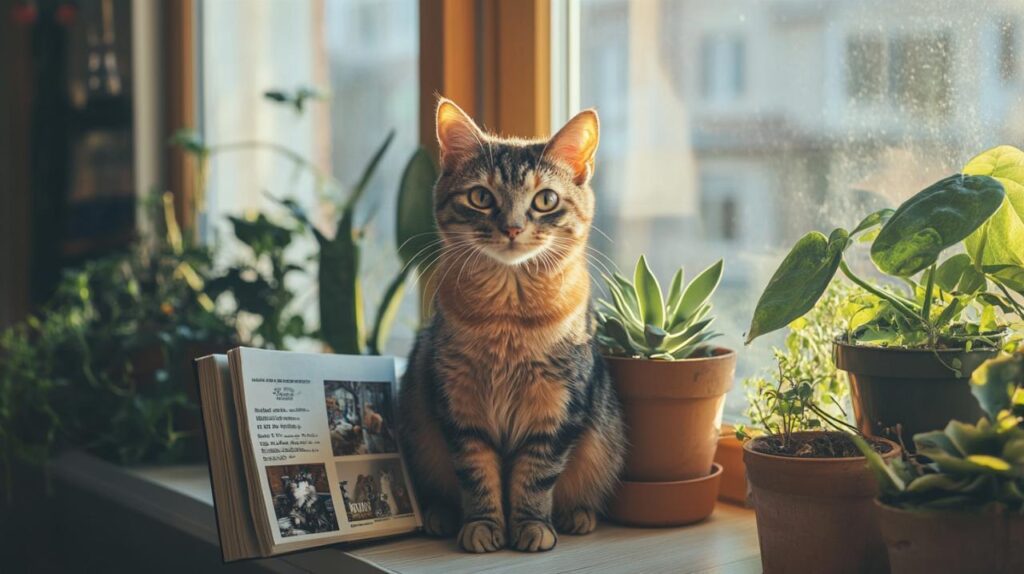
Identifying the breed of your beloved feline companion can be a fascinating journey, whether you've recently adopted a cat or simply wish to understand more about your pet's heritage. With so many distinctive breeds ranging from the plush British Shorthair to the gentle Ragdoll, recognising the unique characteristics that define each breed can deepen your appreciation for your cat's individual personality and care needs. Modern methods, from visual observation to advanced DNA testing, now make it easier than ever to determine your cat's lineage and celebrate the qualities that make them special.
Physical Characteristics and Visual Identification Methods for Common Cat Breeds
The most accessible way to identify a cat's breed is through careful observation of their physical appearance. Coat length, colour, patterns, and markings all serve as vital clues in the identification process. Cats can display a wide range of coat lengths, from hairless varieties to shorthair, medium hair, and longhair types. Each of these categories immediately narrows down the potential breeds. Similarly, coat colour offers another layer of distinction, with popular shades including black, grey, white, buff, brown, orange, tortoiseshell, and calico. These colours can appear in various combinations and intensities, creating the striking appearances that define many well-known breeds.
Coat patterns add further complexity to the identification process. Cats may exhibit bicolour, tabby, pointed, shaded, or spotted patterns, each of which is characteristic of certain breeds. For instance, the pointed pattern, where the extremities are darker than the body, is commonly associated with breeds like the Siamese. Tabby patterns, with their distinctive stripes and swirls, appear across numerous breeds and mixed-breed cats alike. Beyond these standard features, some cats possess unique identifiers such as eartips, ear notches, folded ears, polydactyl traits involving extra toes, or the tailless characteristic of the Manx breed. These distinctive markers can be invaluable when attempting to pinpoint a specific breed or understand a cat's mixed heritage.
Distinguishing Features of British Shorthairs and Ragdolls
The British Shorthair stands out as one of the most recognisable breeds, renowned for its dense, plush coat and robust, rounded body. These cats typically display a broad face with full cheeks and large, round eyes that give them an endearing, teddy bear-like appearance. Their coat, which can come in a variety of colours with blue-grey being particularly popular, has a crisp texture that distinguishes it from other shorthaired breeds. British Shorthairs are generally medium to large in size, with males often weighing considerably more than females. Their calm and dignified temperament matches their sturdy appearance, making them excellent companions for households seeking a placid yet affectionate pet.
Ragdolls, by contrast, are large, semi-longhaired cats known for their striking blue eyes and colour-pointed coat pattern. They earned their name from their tendency to go limp when picked up, displaying an exceptionally docile and trusting nature. Ragdolls have a silky coat that requires regular grooming to prevent matting, though it lacks the dense undercoat found in some other longhaired breeds. Their body is muscular yet graceful, with a long tail and large paws that add to their impressive presence. The breed's gentle disposition and sociable nature make them particularly well-suited to families and individuals seeking an interactive and affectionate companion. Their pointed colouring develops gradually, with kittens being born nearly white and darkening as they mature.
Recognising siamese and maine coon traits through appearance
Siamese cats are instantly recognisable thanks to their distinctive pointed coat pattern, where the ears, face, paws, and tail are darker than the rest of the body. This breed features a sleek, slender build with long, elegant lines and striking blue almond-shaped eyes. Their short coat lies close to the body, emphasising their svelte physique. Siamese cats are highly vocal and social, often forming strong bonds with their human companions. Their distinctive appearance has made them one of the most iconic and easily identified breeds, and their influence can be seen in numerous related breeds that share similar pointed patterns.
Maine Coons represent the opposite end of the size spectrum, being one of the largest domestic cat breeds. These magnificent cats boast a long, shaggy coat designed to withstand harsh weather, complete with a distinctive ruff around the neck and tufted ears. Their large, expressive eyes and square muzzle give them a wild yet friendly appearance. Maine Coons possess a long, bushy tail and substantial bone structure, with males often reaching impressive weights. Despite their imposing size, they are known for their gentle, playful nature and adapt well to various living situations. Their tufted paws act like snowshoes, a remnant of their heritage in the cold climate of Maine, and their tufted ears add to their distinctive appearance. The breed's coat can appear in numerous colours and patterns, making each Maine Coon unique whilst retaining the breed's characteristic features.
Modern Technology and DNA Testing for Accurate Breed Determination
Whilst visual identification provides valuable clues about a cat's breed, modern technology offers more precise methods for determining feline ancestry. This is particularly useful for cats with mixed heritage or when distinguishing between breeds with similar appearances. Advanced scientific approaches have made breed identification more accessible to cat owners who wish to understand their pet's genetic background comprehensively.
Mobile applications for cat breed identification
Recent years have seen the development of mobile applications designed to identify cat breeds through photograph analysis. These apps use sophisticated image recognition algorithms trained on extensive databases of breed characteristics to provide instant identification suggestions. Users simply photograph their cat and upload the image, after which the application analyses features such as facial structure, coat pattern, and body proportions to suggest likely breeds. Whilst these applications can be remarkably accurate for purebred cats with distinctive features, their reliability decreases when dealing with mixed-breed cats or moggies that display characteristics from multiple ancestries.
These digital tools serve as an excellent starting point for cat owners curious about their pet's heritage. They often provide detailed information about suggested breeds, including typical temperament traits, care requirements, and health considerations. However, it's important to approach these results as educated guesses rather than definitive answers, particularly for cats adopted from shelters or found as strays. The technology continues to improve as databases expand and algorithms become more sophisticated, but they remain most effective when used in conjunction with other identification methods. Many applications also offer community features where users can share photographs and receive input from fellow cat enthusiasts and breed experts, adding a social dimension to the identification process.
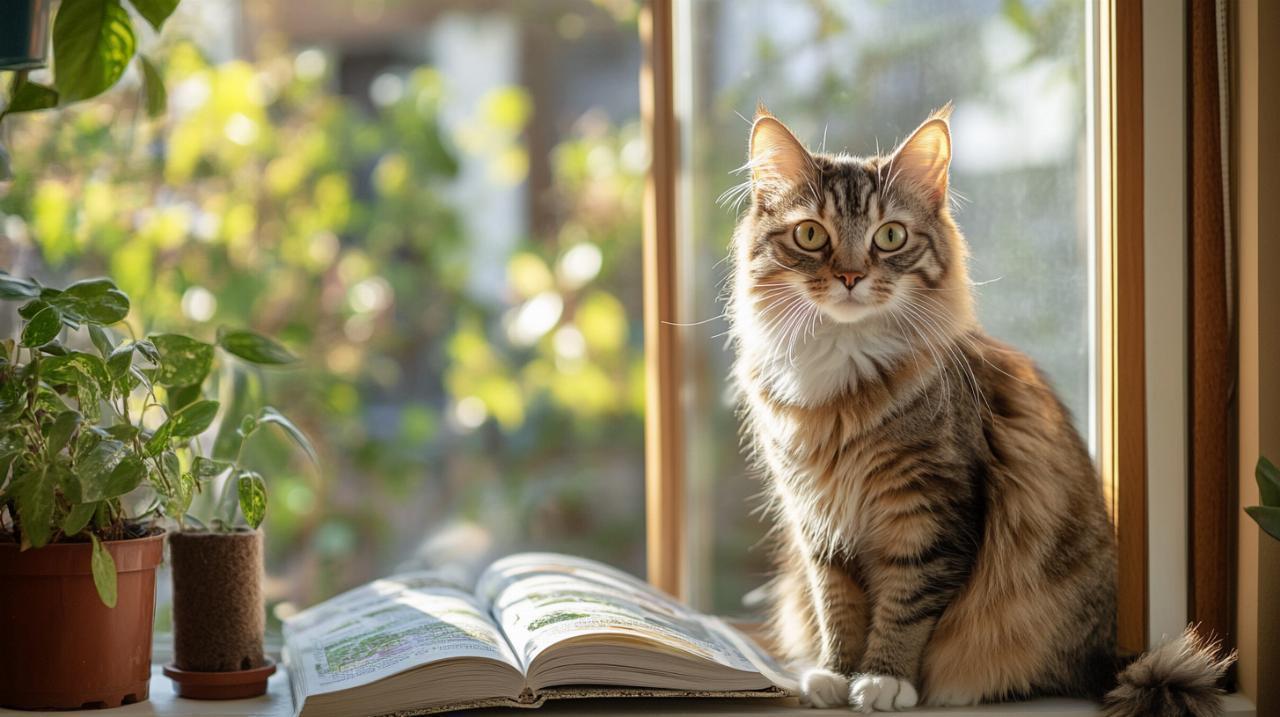
Veterinary dna testing services and their reliability
For cat owners seeking definitive answers about their pet's breed composition, veterinary DNA testing services offer the most accurate method available. These tests typically require a simple cheek swab collected at home or during a routine veterinary visit. The sample is then sent to a laboratory where technicians analyse genetic markers associated with specific breeds. The resulting report provides a breakdown of the cat's genetic heritage, often identifying breed percentages and tracing ancestry back several generations. This scientific approach removes much of the guesswork involved in visual identification and can reveal surprising information about a cat's background.
The reliability of these tests has improved significantly as databases of breed-specific genetic markers have expanded. Modern feline DNA tests can identify dozens of breeds with high accuracy, though they are most effective for cats with recent purebred ancestry. For cats with complex mixed heritage or those descended from long lines of domestic shorthairs or longhairs, results may be less specific. These tests also provide valuable health information, screening for genetic conditions common to certain breeds and offering insights that can guide preventative care. Organisations like Alley Cat Allies, which has supported over 1.7 million people worldwide since its inception in 1990, provide resources and guidance for cat care, including information about veterinary services and identification methods. Their Cat Help Desk and various educational resources help cat owners make informed decisions about their pets' health and welfare.
Adopting cats and understanding mixed breed characteristics
Many wonderful cats available for adoption are mixed breeds or moggies, displaying a delightful combination of characteristics from various ancestries. Understanding what to expect when adopting these cats can help ensure a successful match between pet and owner whilst celebrating the unique qualities that make each cat special.
What to Expect When Adopting Moggies and Crossbreeds
Mixed-breed cats often display the best traits of their diverse heritage whilst avoiding some of the health issues associated with purebred lines. These cats may exhibit unexpected combinations of physical features, creating unique and striking appearances. A moggie might possess the round face of a British Shorthair combined with the pointed markings of a Siamese, or display the long coat of a Maine Coon with the compact body of a domestic shorthair. This genetic diversity often contributes to robust health and adaptable temperaments, making mixed-breed cats excellent companions for a wide range of households.
When adopting a cat, whether from a shelter, rescue organisation, or through community programmes, it's helpful to understand the various systems used to describe feline characteristics. Guides that identify cats based on coat length, colour, patterns, and markings provide a common language for discussing and documenting cats. Determining a cat's sex involves checking the distance between the anus and the genital opening, with males displaying a greater gap than females. Some cats may display unique identifiers such as eartips or ear notches, which typically indicate that a cat has been part of a trap-neuter-return programme. These markers help communities manage feral and stray cat populations humanely whilst protecting individual cats from unnecessary procedures. Organisations supporting cat welfare provide directories of low-cost veterinary care to ensure all cats receive necessary medical attention regardless of their owner's financial circumstances.
Temperament and care requirements across different breeds
Understanding breed-specific temperament traits can help cat owners provide appropriate enrichment and care, though individual personality always plays a significant role. British Shorthairs typically exhibit calm, independent natures, requiring moderate interaction and being content with their own company for periods. Ragdolls, conversely, thrive on human companionship and may follow their owners from room to room, seeking involvement in daily activities. Siamese cats are renowned for their vocal and demanding personalities, often engaging in lengthy conversations with their humans. Maine Coons generally display playful, sociable dispositions that persist well into adulthood, making them wonderful family pets that interact gently with children.
Care requirements also vary significantly between breeds. Longhaired breeds like Ragdolls and Maine Coons require regular grooming to prevent matting and reduce shedding, whilst shorthaired breeds like British Shorthairs and Siamese need minimal coat maintenance. Some breeds are predisposed to specific health conditions that require monitoring, making breed identification useful for preventative veterinary care. For instance, certain breeds may be prone to heart conditions, joint issues, or dental problems that benefit from early detection and management. Mixed-breed cats often enjoy hybrid vigour, displaying fewer breed-specific health issues, though they still benefit from regular veterinary check-ups and appropriate nutrition. Resources for cat care, including information about nutrition, environmental enrichment, and behavioural support, help ensure all cats live healthy, fulfilling lives regardless of their breed or background. Supporting organisations through donations and community involvement helps extend these resources to cats and caregivers who need them most, strengthening the bond between humans and their feline companions whilst promoting responsible cat ownership and welfare across communities.