
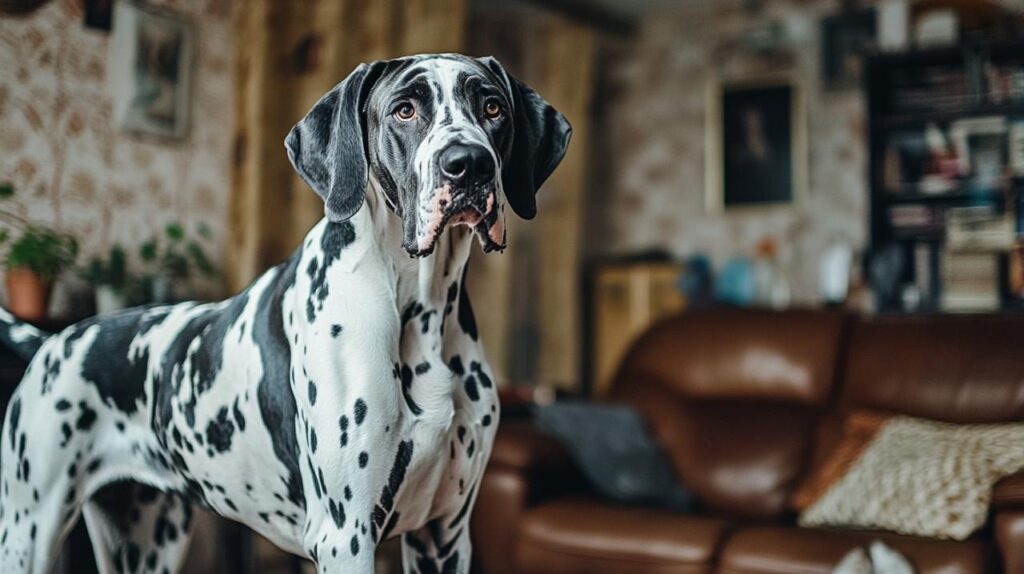
Great Danes are magnificent creatures that capture the hearts of many with their imposing stature and gentle nature. These energetic, loving, and loyal companions bring immense joy to households, yet their sheer size and spirited temperament can present unique challenges for owners. Understanding the behavioural tendencies of this breed is essential for fostering a harmonious relationship. Whilst their affectionate disposition makes them wonderful family pets, certain issues can arise if training and boundaries are not established early on. Consistent training is not merely a recommendation but a necessity for ensuring that these gentle giants develop into well-mannered members of the household.
Understanding Separation Anxiety and Its Impact on Your Great Dane
Separation anxiety is a common concern amongst Great Dane owners, as these dogs form strong attachments to their families. When left alone, they may exhibit distressing behaviours such as excessive barking, destructive chewing, or even attempts to escape. This emotional turmoil stems from their deep-rooted need for companionship and their reliance on human interaction. Recognising the signs of distress is crucial for addressing the issue promptly and preventing it from escalating into more severe behavioural problems.
Recognising the Signs of Distress When Left Alone
Owners should be vigilant for indicators that their Great Dane is struggling with solitude. Persistent vocalisation, including whining or howling, often signals anxiety. Additionally, destructive behaviour such as scratching doors or chewing furniture can be a manifestation of their discomfort. Some dogs may also display physical symptoms such as excessive drooling or restlessness. Understanding these signs allows owners to intervene with appropriate strategies rather than dismissing the behaviour as mere mischief.
Building independence through gradual desensitisation techniques
Addressing separation anxiety requires patience and a structured approach. Gradual desensitisation involves slowly increasing the duration of time the dog spends alone, starting with just a few minutes and building up over weeks. Providing a safe and comfortable space, along with engaging toys, can help distract the dog and ease their stress. Consistency in departure and arrival routines also plays a vital role, as erratic behaviour from owners can heighten anxiety. Over time, the Great Dane learns that being alone is not a cause for alarm, and their confidence grows.
Managing Jumping and Counter Surfing in Large Breed Dogs
Jumping and counter surfing are behaviours that many Great Dane owners encounter, and whilst they may seem endearing in puppies, they become problematic as the dog matures. A fully grown Great Dane can easily reach kitchen counters and knock over individuals with their enthusiastic greetings. These habits are often rooted in excitement and a desire for attention, but they can pose safety risks and create tension in the household.
Why great danes develop these habits and their consequences
Great Danes are naturally curious and energetic, traits that can lead to undesirable behaviours if not properly channelled. Jumping often begins as a puppy's way of seeking interaction, and if inadvertently rewarded with attention, it becomes ingrained. Counter surfing, on the other hand, is driven by the allure of food and the dog's ability to access surfaces that smaller breeds cannot. The consequences of these behaviours extend beyond mere inconvenience; they can result in injuries to people, especially children or elderly individuals, and pose health risks if the dog consumes harmful substances from kitchen surfaces.
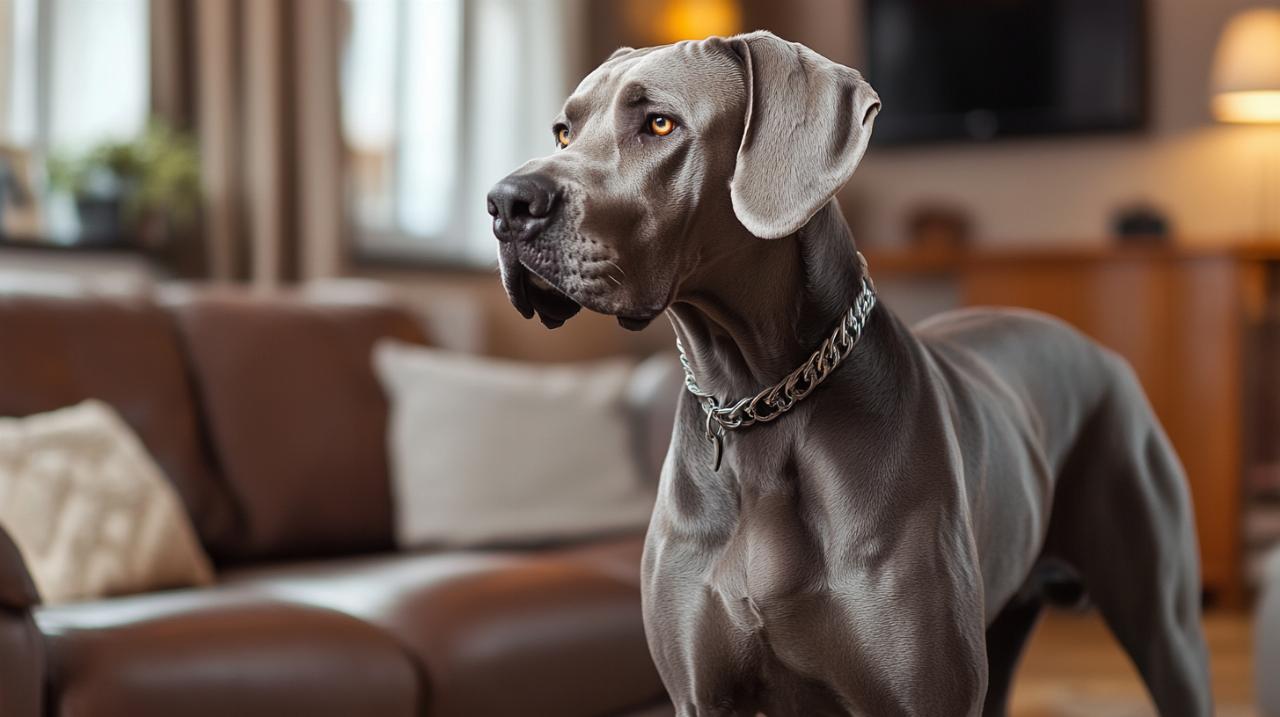
Teaching proper greetings and boundaries with positive reinforcement
Correcting these behaviours requires a commitment to consistent training. Teaching a Great Dane to greet people calmly involves rewarding them for keeping all four paws on the ground and withdrawing attention when they jump. Commands such as sit or stay should be considered non-negotiable, providing clear boundaries that the dog learns to respect. Positive reinforcement, including praise and affection, reinforces desired behaviour without relying solely on treats. For counter surfing, ensuring that surfaces are kept clear and using deterrents such as noise-making devices can discourage the habit whilst training progresses. Over time, the dog learns that calm behaviour is more rewarding than impulsive actions.
Addressing leash pulling and walking challenges
Walking a Great Dane can be a daunting task for owners, especially when the dog pulls on the lead. Their strength and enthusiasm can turn a leisurely stroll into a physical struggle, causing frustration and fatigue. This issue is not merely a matter of convenience; it can also pose safety concerns for both the owner and the dog. Understanding the underlying reasons for leash pulling and implementing effective training techniques is essential for enjoyable walks.
The Physical Strain of Walking an Untrained Giant Breed
Great Danes, despite their size, are not naturally aware of their strength and may pull on the lead out of excitement or distraction. This behaviour places significant strain on the owner, particularly if they are of smaller stature or have physical limitations. Additionally, the dog's lack of self-control can lead to dangerous situations, such as lunging at other animals or darting into traffic. The physical and emotional toll of managing an untrained Great Dane on walks underscores the importance of addressing this issue early in their development.
Establishing loose-lead walking through consistent practice
Teaching a Great Dane to walk calmly on a lead requires patience and consistency. The goal is to instil self-control, enabling the dog to hold themselves back rather than being restrained by the owner. Training should begin in a low-distraction environment, gradually increasing the level of challenge as the dog improves. Rewarding the dog for walking beside the owner without tension on the lead reinforces the desired behaviour. Commands should be clear and non-negotiable, ensuring that the dog understands what is expected. Over time, the Great Dane learns that pulling does not result in forward movement, whilst calm walking is rewarded with progress and praise. This approach not only resolves the issue of leash pulling but also strengthens the bond between owner and dog, fostering mutual respect and understanding.
Training a Great Dane is a journey that demands dedication and a structured approach. These dogs thrive when provided with clear boundaries and consistent accountability, which instil a sense of security and purpose. Common issues such as barking, jumping, and pulling on the lead can be effectively resolved through proper training methods that prioritise self-control and non-negotiable commands. Programmes such as Canine Chaos to Calm offer step-by-step systems designed to address behavioural problems and refine the skills of dogs at any stage of their development. By investing time and effort into training, owners can unlock the full potential of their Great Danes, transforming challenges into opportunities for growth and connection.