
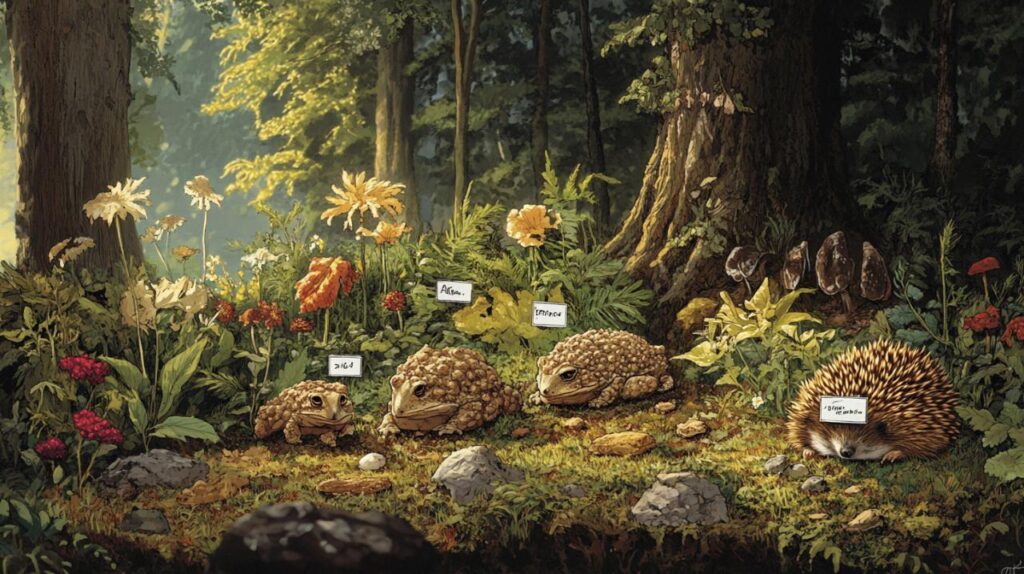
Exploring your garden on a quiet evening may reveal more than just blooming flowers and rustling leaves. Among the patches of grass and beneath the hedgerows, small clues often indicate the presence of nocturnal visitors. Hedgehogs and toads, both treasured members of British wildlife, leave behind traces of their nightly wanderings. Learning to identify their droppings not only enhances your understanding of garden ecology but also allows you to appreciate the subtle interactions between these creatures and their environment.
Distinguishing Features: How to Tell Toad and Hedgehog Droppings Apart
Visual identification: shape, size, and texture differences
When it comes to recognising hedgehog droppings, several visual characteristics stand out. Hedgehog poo typically appears dark brown to black in colour, forming a cylindrical shape that measures about three to five centimetres in length. The droppings are slightly curved, resembling small sausages, and their texture is firm yet not overly hard. You might find them scattered on lawns, along garden paths, or near feeding stations where hedgehogs have foraged during the night. The presence of shiny insect remains within the droppings is a telltale sign, reflecting the hedgehog's diet rich in beetles, caterpillars, and other invertebrates. This glittering quality can help distinguish hedgehog droppings from those of other animals such as rats, cats, or foxes, which differ in size, shape, and location.
Toad droppings, on the other hand, present a markedly different appearance. They are generally much smaller and more irregular in shape compared to hedgehog droppings. Toad faeces tend to be compact and less defined, often appearing as tiny pellets rather than elongated cylinders. The colour can vary from dark brown to greenish hues, depending on the toad's diet and health. Unlike hedgehog droppings, toad faeces are less likely to contain visible insect parts, as toads consume a broader range of prey, including worms and slugs, which break down more completely during digestion. The texture is softer and may appear moist, especially if deposited recently. These droppings are commonly found near water sources, damp areas, or beneath stones and logs where toads seek shelter during the day.
Content analysis: what each species' droppings reveal about their diet
Examining the contents of droppings offers valuable insights into the dietary habits and ecological roles of hedgehogs and toads. Hedgehog droppings frequently contain shiny fragments of beetle exoskeletons, caterpillar skins, and other insect casings. This reflects their preference for a diet dominated by invertebrates, which they hunt with remarkable efficiency in gardens and woodland edges. The presence of these insect remains not only confirms the identity of the droppings but also highlights the hedgehog's role as a natural pest controller, consuming creatures that might otherwise damage plants. Occasionally, droppings may include seeds or berry remnants, indicating opportunistic feeding on fruits found in hedgerows or garden borders.
Toad droppings reveal a diet that is equally diverse but less focused on hard-bodied insects. Toads consume a wide range of prey, including earthworms, slugs, and small invertebrates. Because these food items are softer and break down more thoroughly during digestion, toad faeces lack the conspicuous shiny fragments seen in hedgehog droppings. The consistency and colour of toad droppings can vary depending on the abundance of certain prey types and the toad's overall health. Green or runny droppings may indicate dietary imbalances or health issues, much like in hedgehogs. Understanding these differences in content not only aids identification but also provides a window into the feeding ecology and well-being of these garden inhabitants.
The Ecological Significance of Hedgehog and Toad Droppings in Your Garden
Understanding the Role of These Creatures in the Garden Ecosystem
Both hedgehogs and toads play vital roles in maintaining the balance of garden ecosystems. Hedgehogs, with their insectivorous diet, help control populations of beetles, slugs, caterpillars, and other invertebrates that can become garden pests if left unchecked. By consuming these creatures, hedgehogs contribute to natural pest management, reducing the need for chemical interventions. Their presence in a garden is a sign of a healthy, biodiverse environment where native wildlife can thrive. Hedgehogs also serve as prey for larger predators, linking various trophic levels within the ecosystem.
Toads, similarly, are indispensable allies in the garden. Their appetite for slugs, worms, and other soft-bodied invertebrates complements the role of hedgehogs, targeting different prey items and thus broadening the spectrum of pest control. Toads are particularly effective at reducing slug populations, which are often responsible for damage to tender shoots and vegetables. Beyond their predatory function, toads contribute to nutrient cycling through their droppings, enriching the soil and supporting plant growth. The presence of toads also indicates the availability of suitable habitats, such as ponds, damp corners, and sheltered hideaways, which enhance overall garden biodiversity.
How Droppings Indicate a Healthy Wildlife Population and Environmental Balance
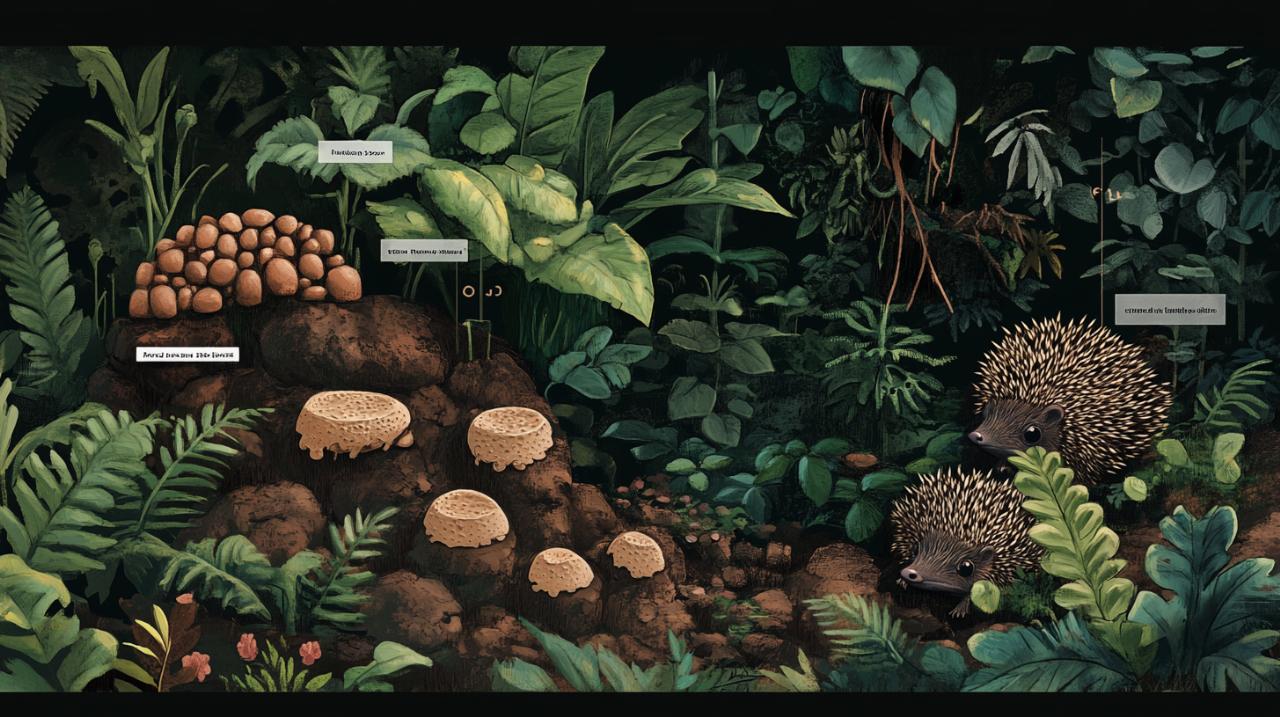
The regular appearance of hedgehog and toad droppings in your garden is a positive indicator of a thriving wildlife population and a balanced ecosystem. Healthy hedgehog droppings are firm, dark, and may carry a mild earthy smell, suggesting that the animal is well-fed and free from disease. Conversely, green, runny, or foul-smelling droppings can signal health problems, such as parasitic infections or dietary disturbances, which may require intervention or professional advice. Monitoring the frequency and condition of droppings allows gardeners to gauge the well-being of local hedgehog populations and take appropriate steps to support them.
Similarly, the presence of toad droppings, especially near water features or damp areas, reflects the availability of suitable habitats and abundant food sources. Toads require access to moisture and shelter to complete their life cycles, and their droppings serve as evidence that these conditions are being met. A decline in the number or quality of droppings could indicate habitat degradation, pollution, or a reduction in prey availability, all of which have broader implications for garden biodiversity. By paying attention to these subtle signs, gardeners and wildlife enthusiasts can make informed decisions about habitat management, such as creating log piles, maintaining ponds, or planting native species to support a diverse range of wildlife.
Practical wildlife observation: why recognising animal droppings matters
Monitoring garden visitors through their traces and signs
Recognising animal droppings is a fundamental skill for anyone interested in wildlife observation and garden ecology. Droppings provide concrete evidence of the presence of specific species, even when the animals themselves remain elusive. Hedgehogs and toads are largely nocturnal, making direct sightings less common, but their droppings offer a reliable way to confirm their activity. By regularly inspecting garden paths, lawns, and feeding stations, you can track the movements and habits of these creatures, gaining insights into their preferred routes, feeding times, and territorial behaviours.
Beyond hedgehogs and toads, the ability to identify droppings extends to other British wildlife, including foxes, rabbits, badgers, deer, and otters. Each species leaves distinctive faecal traces that reveal information about diet, health, and habitat use. For example, fox droppings are often twisted and contain fur or bone fragments, while rabbit pellets are small, round, and fibrous. Learning to differentiate these signs enriches your understanding of the complex web of interactions that occur in gardens and woodlands. This knowledge also supports citizen science projects and conservation efforts, as accurate identification of wildlife traces contributes to monitoring population trends and habitat quality.
The Benefits of Identifying Wildlife Activity for Conservation and Garden Management
Identifying wildlife activity through droppings and other traces offers numerous benefits for conservation and garden management. For conservationists, tracking the presence of hedgehogs and toads helps assess the health of local populations and the effectiveness of habitat restoration initiatives. Hedgehogs, in particular, have experienced significant declines in recent decades due to habitat loss, road mortality, and reduced food availability. By documenting the presence of hedgehog droppings, volunteers and researchers can map distribution patterns, identify critical habitats, and advocate for protective measures.
For gardeners, recognising these signs informs decisions about habitat creation and maintenance. Leaving hedgehog droppings in the garden, for instance, aids natural fertilisation and supports soil health. Creating log piles, hedgerows, and ponds provides shelter and foraging opportunities for both hedgehogs and toads, enhancing biodiversity and ecosystem resilience. Understanding the ecological roles of these animals encourages a more wildlife-friendly approach to gardening, where chemical pesticides are minimised and native plants are prioritised. This not only benefits hedgehogs and toads but also supports a wide range of other species, from insects and birds to fungi and woodland plants. Engaging with wildlife through observation and habitat management fosters a deeper connection to nature and contributes to the broader goals of conservation and environmental stewardship.