
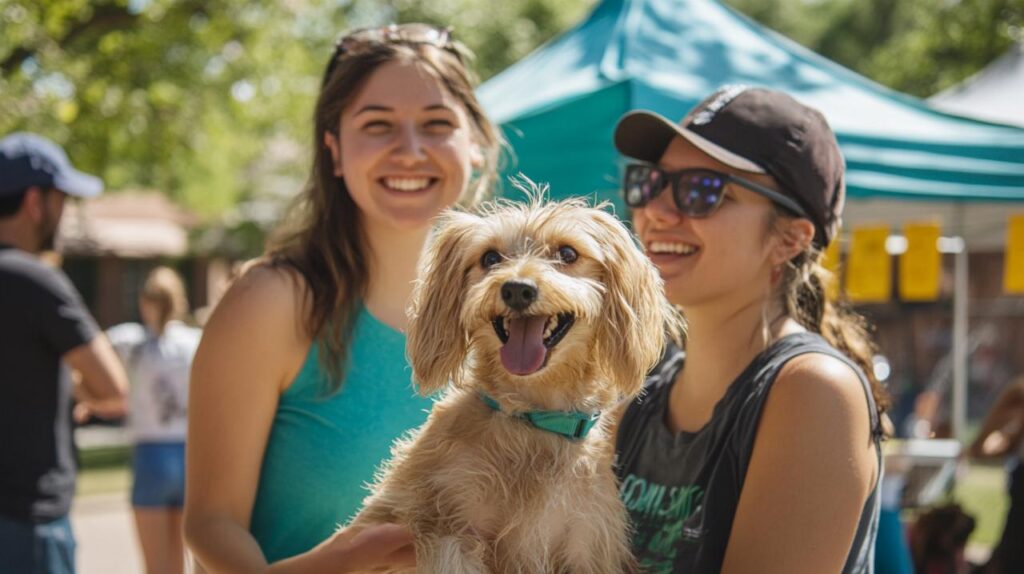
Across towns and cities throughout the United Kingdom, a quiet revolution is taking place in the realm of compassionate care for creatures both domestic and wild. Local community associations, fuelled by passion and dedication, are stepping up to create meaningful change in the lives of animals in need. These grassroots organisations are not merely responding to crises; they are building frameworks of support, education, and advocacy that strengthen the bond between people and the natural world. From volunteer-led rescue operations to innovative wildlife conservation projects, these groups exemplify the power of collective action in addressing the challenges faced by animals in our modern landscape.
Grassroots Groups Making a Difference for Local Animals
Throughout the country, neighbourhood-based organisations have emerged as vital forces in addressing the urgent needs of abandoned, injured, and vulnerable animals. These associations operate on principles of community empowerment, recognising that sustainable solutions to animal welfare challenges must come from within the communities themselves. By fostering a sense of shared responsibility, these groups create networks of trust and cooperation that extend far beyond traditional charity models. The work they undertake is diverse and multifaceted, encompassing everything from direct rescue operations to long-term programmes designed to prevent suffering before it begins.
Volunteer-led rescue and rehoming programmes
At the heart of many local associations lies a robust system of volunteer-driven rescue and rehabilitation programmes. These initiatives bring together individuals from all walks of life, united by a common desire to alleviate the suffering of stray animals and companion animals who have lost their homes. Successfully raising orphaned or abandoned creatures requires not only practical skills but also emotional resilience and a deep understanding of animal behaviour. Across the United Kingdom, such groups have achieved remarkable success, with some organisations having successfully rehabilitated and rehomed hundreds of animals over the years. The process begins with rescue, often involving collaboration with local councils, community leaders, and other animal charities to identify animals in distress. Once an animal is brought into care, the focus shifts to veterinary treatment, behavioural assessment, and eventual rehoming. This comprehensive approach ensures that animals are not simply moved from one location to another, but are given the best possible chance at a stable and fulfilling life. The volunteers involved in these programmes often receive training in animal handling, first aid, and the principles of ethical animal care, enabling them to provide high-quality support. Moreover, these rescue operations frequently serve as entry points for broader community engagement, raising awareness about responsible pet ownership and the importance of accessible veterinary services. By demonstrating the impact of coordinated volunteer efforts, these associations inspire others to join the cause, creating a ripple effect that extends the reach of animal welfare initiatives far beyond the initial rescue.
Community-funded veterinary care schemes
One of the most pressing barriers to ensuring the wellbeing of companion animals is the cost and accessibility of veterinary care. Many pet owners face reluctance to seek timely veterinary treatment due to financial constraints, limited time, or anxiety about the process. Recognising this challenge, community associations have developed innovative schemes to provide affordable and accessible veterinary services directly within neighbourhoods. These programmes often involve partnerships with local veterinary professionals who offer health checks, preventative care, and basic treatments at reduced or no cost to members of the community. The importance of such initiatives cannot be overstated, particularly in areas where traditional veterinary clinics may be scarce or prohibitively expensive. By bringing veterinary care closer to the people who need it, these associations help to reduce the number of animals who suffer from untreated illnesses or injuries. Furthermore, these schemes play a crucial role in reducing pet relinquishment, as owners who might otherwise feel compelled to surrender their animals due to medical expenses are given the support they need to keep their pets healthy and happy. The design of these programmes often incorporates principles of human behaviour change, aiming to move pet owners from a state of contemplation about seeking care to taking concrete action. For instance, offering free annual health checks for pets within the community not only addresses a lack of physical opportunity, such as money or transport, but also builds awareness and normalises the practice of regular veterinary visits. Community-funded veterinary care schemes also serve an educational function, providing pet owners with information about preventative health measures, nutrition, and responsible care practices. Through participatory workshops and co-creation methodologies, these associations ensure that the services they offer are tailored to the specific needs and preferences of the community, fostering a sense of ownership and long-term sustainability.
Neighbourhood networks championing wildlife protection
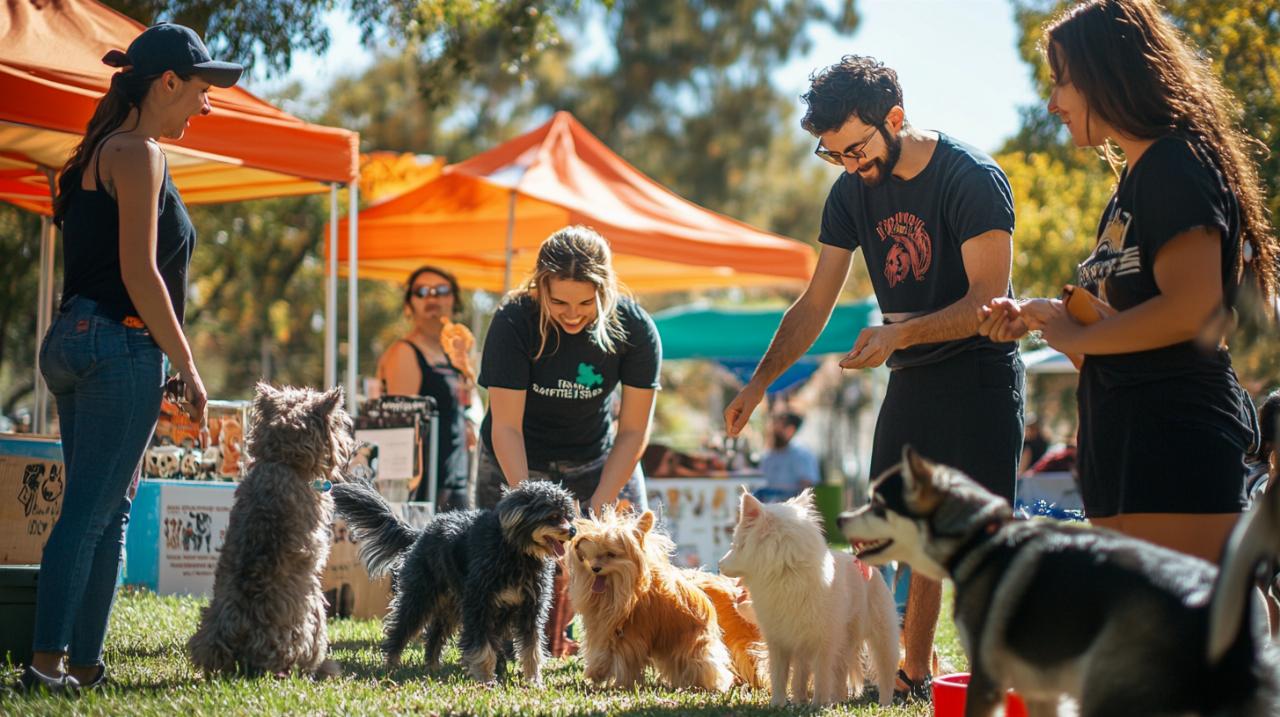
Beyond the realm of domestic animals, community associations are increasingly turning their attention to the protection and conservation of wildlife within urban and rural environments. These groups understand that biodiversity protection and habitat preservation are not solely the responsibility of large international organisations, but are tasks that can and should be undertaken at the local level. By engaging residents in hands-on conservation efforts, these associations contribute to the resilience of ecosystems and the survival of endangered species. The work encompasses a broad spectrum of activities, from creating safe corridors for wildlife to move through urban areas, to removing debris from natural habitats, to advocating for policies that prioritise environmental protection and climate impact mitigation.
Urban wildlife conservation projects
Urban environments present unique challenges for wildlife, yet they also offer opportunities for innovative conservation efforts. Community associations dedicated to urban wildlife conservation have launched a variety of projects aimed at creating habitats, protecting native species, and fostering coexistence between people and animals. These initiatives often focus on species such as birds, small mammals, and insects, which play critical roles in maintaining healthy ecosystems. For example, neighbourhood groups have established community gardens and green spaces that provide food and shelter for pollinators, whilst also serving as educational resources for residents. Some associations have worked to install nesting boxes for birds, contributing to the conservation of species that are under threat from habitat loss. The RSPB, a prominent organisation working throughout the United Kingdom, has been instrumental in caring for injured birds and conserving habitats, and many local groups draw inspiration from its model. Urban wildlife conservation also extends to aquatic environments, with some associations organising clean-up efforts along rivers, canals, and coastal areas to protect marine conservation and freshwater ecosystems. These projects not only improve the health of underwater ecosystems but also raise public awareness about the impact of pollution and the importance of responsible waste management. By involving residents in hands-on activities such as debris removal and habitat restoration, these associations foster a deeper connection to the natural world and a greater appreciation for the services that healthy ecosystems provide. The success of urban wildlife conservation projects depends heavily on stakeholder collaboration, as they often require cooperation between local councils, environmental agencies, landowners, and community members. Through persistent advocacy and practical action, these neighbourhood networks are transforming urban areas into places where both people and wildlife can thrive.
Educational outreach and awareness campaigns
Education is a cornerstone of effective conservation, and community associations recognise that lasting change begins with raising awareness and fostering empathy. Through educational outreach and awareness campaigns, these groups work to inform the public about the challenges facing wildlife, the importance of biodiversity, and the actions individuals can take to make a difference. Campaigns often utilise a mix of traditional and digital media, including social media outreach, local partnerships, and community events, to reach a wide audience. Workshops and participatory sessions provide opportunities for people to learn about topics such as sustainable livelihoods, disaster mitigation, and the role of indigenous peoples in conservation. These educational initiatives are designed to encourage human behaviour change, empowering individuals to make informed choices that support animal welfare and environmental protection. For instance, campaigns may highlight the impact of consumer behaviour on endangered species, such as the ivory trade, or promote ethical practices in relation to farmed animals and wild animals. By presenting information in an engaging and accessible manner, these associations help to demystify complex issues and inspire action. Educational outreach also plays a vital role in building community resilience, as informed communities are better equipped to respond to environmental challenges and advocate for systemic change. Many associations offer resources and guidance on topics such as responsible pet ownership, the benefits of native plantings for wildlife, and the importance of preserving natural habitats. Through these efforts, community groups are not only raising awareness but also cultivating a culture of stewardship and shared responsibility. The ultimate goal of these campaigns is to create a society in which empathy development and informed decision-making are the norm, and where the rights and wellbeing of all animals are valued and protected. By investing in education and outreach, neighbourhood networks are laying the groundwork for a future in which conservation efforts and animal welfare initiatives are embraced by all.