
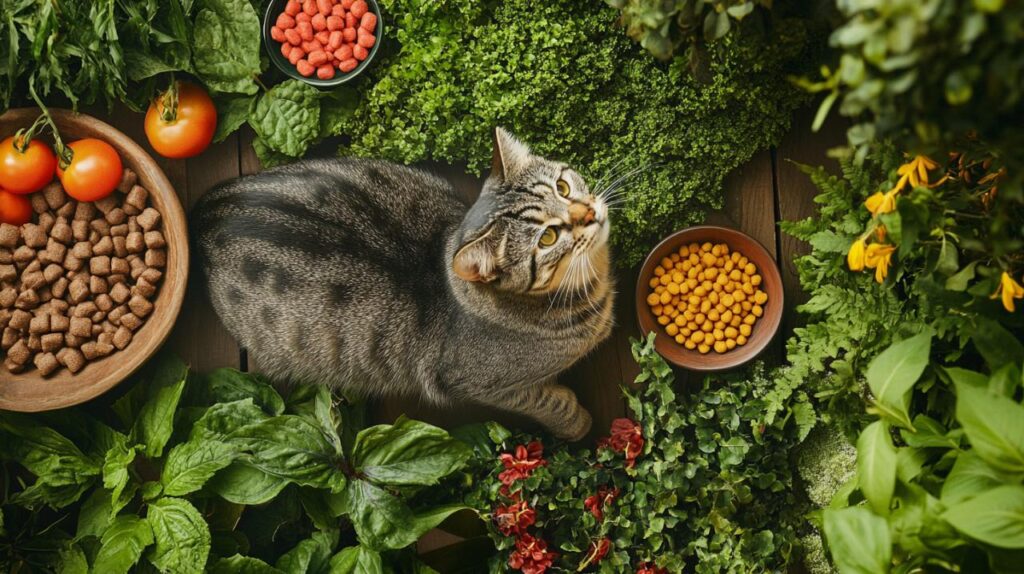
Cat owners across the United Kingdom and beyond are transforming the way they nourish their feline companions, driven by a deep appreciation for natural and organic ingredients that promise better health outcomes and a lighter footprint on the planet. This shift is not merely a passing fad but a profound evolution in how people view their pets, treating them as cherished family members who deserve meals crafted from wholesome, ethically sourced components. As the pet food market continues its remarkable expansion, expected to reach nearly five hundred billion dollars globally by 2030, the choices made by cat enthusiasts today are influencing the trajectory of an entire industry, pushing manufacturers to adopt greener practices and innovate with ingredients that honour both animal welfare and environmental stewardship.
The Rising Demand for Natural and Organic Cat Nutrition
The modern cat owner is no longer content with conventional kibble that relies on ambiguous fillers or artificial additives. Instead, there is a growing preference for foods that list recognisable ingredients such as free-range chicken, sustainably caught fish, and vegetables that have been cultivated without synthetic pesticides. This trend reflects a broader movement toward transparency and quality in pet nutrition, where health claims and preventative health measures take centre stage. Indeed, research indicates that 57 per cent of pet owners globally consider health claims important when selecting food for their pets, and an impressive 88 per cent of pet parents in the United States believe it is vital to take preventative measures to safeguard their pets' wellbeing. This emphasis on quality extends to taste preference as well, with more than 80 per cent of owners closely monitoring whether their cats enjoy the flavours they are offered, ensuring that nutrition does not come at the expense of palatability.
Why cat owners are choosing wholesome ingredients over traditional kibble
The humanisation of pets has played a pivotal role in this shift, with 97 per cent of pet owners regarding their animals as integral members of the family. This emotional bond translates into purchasing decisions that mirror the dietary values owners hold for themselves, such as a preference for organic pet food, natural ingredients, and specialised diets tailored to individual health needs. Millennials, who make up 30 per cent of pet owners, are particularly attuned to these values, often seeking out premium pet products that align with their own commitment to wellness and sustainability. The result is a market where traditional kibble is being challenged by innovative formulations that prioritise real meat, vegetables, and a minimal ingredient list free from artificial preservatives. This demand for authenticity and quality has spurred a 30 per cent increase in the appetite for natural and organic pet foods in the UK alone, signalling a profound change in consumer expectations.
Understanding quality protein sources: from free-range chicken to sustainable fish
Protein is the cornerstone of any feline diet, and discerning cat owners are now paying close attention to where that protein originates. Free-range chicken, raised in environments that allow birds to roam and forage naturally, is prized for its superior flavour and ethical production methods. Similarly, fish sourced from sustainable fisheries ensures that ocean ecosystems remain balanced while providing cats with omega-rich nutrition that supports skin, coat, and overall vitality. These quality protein sources are not only healthier for cats but also reflect a commitment to sustainable sourcing, with over 42 per cent of pet owners actively seeking out ingredients that are produced in an environmentally responsible manner. The emphasis on novel proteins, such as venison or duck, further expands the dietary options available, catering to cats with sensitivities or allergies while introducing diverse taste profiles that keep mealtimes engaging. This focus on high-quality, ethically obtained protein underscores a broader recognition that what goes into a cat's bowl has far-reaching implications for animal welfare and the planet.
Environmental Impact and Sustainability in Cat Food Production
As awareness of climate change and ecological degradation intensifies, the pet food industry is under increasing pressure to adopt practices that minimise environmental harm. Cat owners are becoming more conscious of the carbon footprints associated with the products they purchase, and this awareness is driving a shift toward brands that prioritise sustainability throughout their entire value chain. From the selection of raw materials to the packaging that encloses the final product, every stage of production is being scrutinised for its environmental impact. Companies are responding by integrating organic farming methods, investing in biodegradable packaging, and committing to ambitious sustainability goals that aim to reduce greenhouse gas emissions and conserve natural resources. This holistic approach not only benefits the planet but also resonates with consumers who are eager to support businesses that align with their values.
How Organic Farming Practices Benefit Both Felines and the Planet
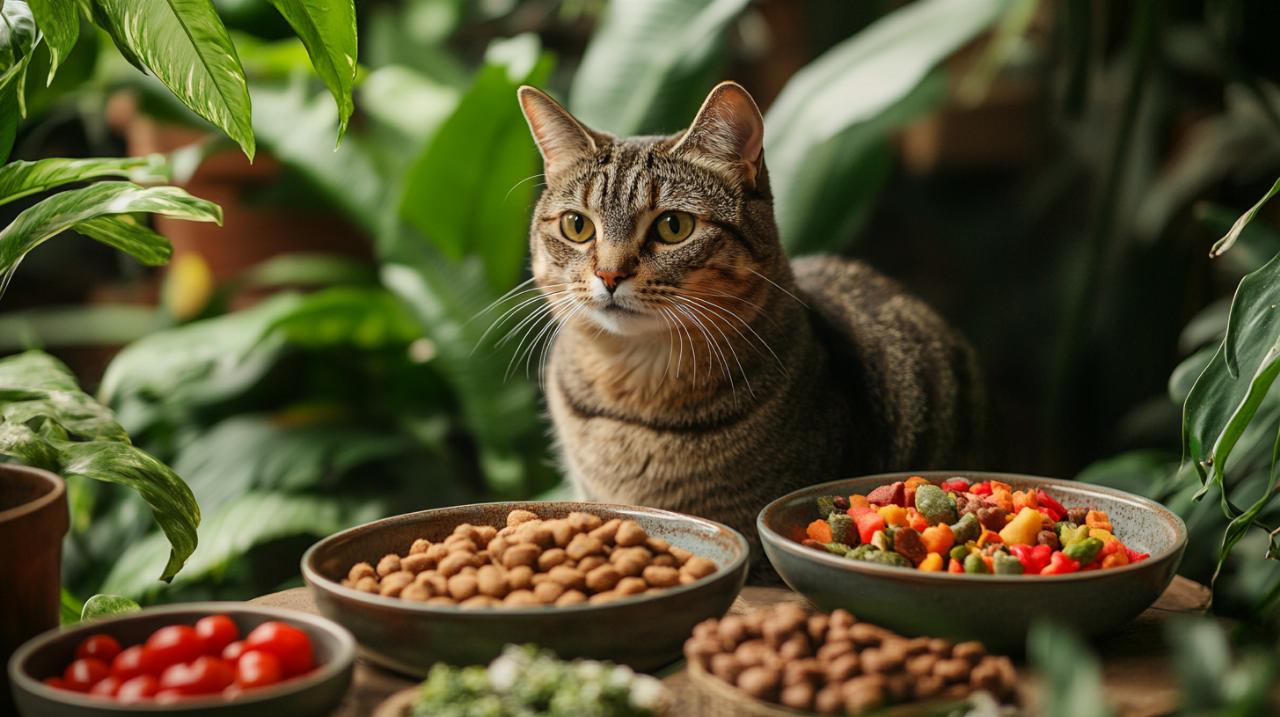
Organic farming eschews synthetic fertilisers and pesticides in favour of natural methods that promote soil health and biodiversity. By choosing cat food made from organically grown ingredients, pet owners are supporting agricultural systems that protect wildlife, reduce water pollution, and sequester carbon in the soil. These benefits extend beyond the farm gate, as organic production often involves humane treatment of livestock and a commitment to animal welfare standards that resonate with the ethical concerns of modern consumers. For cats, the absence of chemical residues means fewer potential allergens and irritants, contributing to better digestive health and overall vitality. The interconnectedness of these practices illustrates how individual purchasing decisions can ripple outward, fostering a more sustainable food system that respects both animal and environmental wellbeing. Research shows that 72 per cent of pet owners will choose a product that is more environmentally friendly, underscoring the powerful influence that sustainability has on consumer behaviour.
Packaging Innovations and Reduced Carbon Footprints in the Pet Food Sector
Packaging has emerged as a critical area of innovation in the quest for sustainability, with six out of ten pet owners viewing the materials used in packaging as an important consideration when making purchasing decisions. In response, manufacturers are exploring a range of eco-friendly packaging solutions, from biodegradable pouches to recyclable tins, all designed to minimise plastic waste and reduce the carbon footprint associated with production and transportation. Some companies have achieved notable success by streamlining their packaging processes, thereby cutting costs while maintaining the integrity and freshness of their products. Others have embraced certifications for eCommerce packaging, ensuring that their materials meet rigorous environmental standards and can be easily recycled or composted. The recent merger of major packaging firms such as Smurfit Kappa and WestRock to form Smurfit Westrock signals a broader industry trend toward consolidation and innovation in sustainable packaging. These efforts are not merely about meeting regulatory requirements but reflect a genuine commitment to reducing the environmental burden of pet food production, aligning with the values of a consumer base that is increasingly attuned to the ecological consequences of their choices. As 52 per cent of pet owners actively work to reduce their plastic use, the pressure on manufacturers to innovate in this space will only intensify.
Future prospects: where natural cat nutrition is heading
The trajectory of cat nutrition is poised to continue its evolution toward ever more sophisticated and sustainable offerings. Emerging ingredients and novel protein alternatives are capturing the attention of researchers and manufacturers alike, promising to deliver nutrition that is not only beneficial for cats but also less taxing on the planet's resources. At the same time, the demand for transparency and traceability is reshaping the relationship between brands and consumers, with pet owners expecting detailed information about where ingredients come from, how they are produced, and what steps are taken to ensure quality and safety. This convergence of innovation and accountability is setting the stage for a future where natural and organic cat food is the norm rather than the exception, supported by technological advancements and a marketplace that rewards ethical practices.
Emerging Ingredients and Novel Protein Alternatives for Tomorrow's Cat
As the search for sustainable protein sources intensifies, novel alternatives such as insect protein, cultured meat, and plant-based supplements are beginning to make their way into feline diets. These ingredients offer the dual benefits of reducing reliance on traditional livestock farming, which is a significant contributor to greenhouse gas emissions, and providing cats with high-quality nutrition that meets their unique dietary needs. Insect protein, for instance, is rich in essential amino acids and can be produced with a fraction of the land and water required for conventional animal agriculture. Meanwhile, advances in cellular agriculture are paving the way for cultured meat products that replicate the nutritional profile of traditional meat without the environmental costs. While these innovations are still in their early stages, they represent a bold step forward in reimagining what cat food can be. Additionally, the incorporation of functional ingredients such as supplements that support calming benefits, digestive health, or joint mobility reflects a growing understanding of pet wellness as a multifaceted concept. With 33 per cent of pet owners in the United States expressing interest in calming benefits and two-thirds of global pet parents seeking new and unusual flavours for their animals, the market for these specialised products is ripe for expansion.
The Role of Transparency and Traceability in Building Consumer Trust
In an era where information is readily accessible and scrutiny is high, transparency has become a non-negotiable expectation for pet food brands. Consumers want to know not only what goes into their cat's food but also how those ingredients are sourced, processed, and delivered. This demand for traceability is driving companies to adopt rigorous certification standards, such as those set by the National Animal Supplement Council and the European Pet Food Industry Federation, which ensure that products meet stringent nutritional and safety criteria. Brands that openly share their sourcing practices, provide detailed ingredient lists, and communicate their sustainability goals are finding favour with a discerning audience that values honesty and integrity. The rise of direct-to-consumer models and e-commerce platforms has further amplified this trend, as pet owners can now access detailed product information and reviews with just a few clicks. Social media platforms such as Instagram, Facebook, and TikTok also play a significant role in shaping purchasing behaviour, with influencers and pet communities sharing their experiences and recommendations. This digital landscape empowers consumers to make informed choices and holds brands accountable to their promises, fostering a culture of trust that is essential for long-term success in the competitive pet food market. As the industry continues to grow, with global spending on pet food projected to reach over 150 billion dollars by the end of 2025, the companies that prioritise transparency and customised nutrition will be best positioned to thrive in this dynamic environment.