

The decision to pursue a career working closely with animals represents a commitment to both compassion and rigorous professional training. Aspiring animal caretakers often find themselves drawn to a field that blends hands-on practical experience with a solid foundation of theoretical knowledge, spanning animal health, species behaviour, and welfare standards. The journey from initial interest to qualified professional involves navigating a diverse landscape of qualifications, training programmes, and work placements, each designed to equip individuals with the skills necessary to thrive in roles ranging from zoological parks to veterinary practices and wildlife conservation centres.
Understanding the Role and Different Pathways into Animal Care
What Does an Animal Keeper Actually Do? Responsibilities Across Zoological Parks and Private Collections
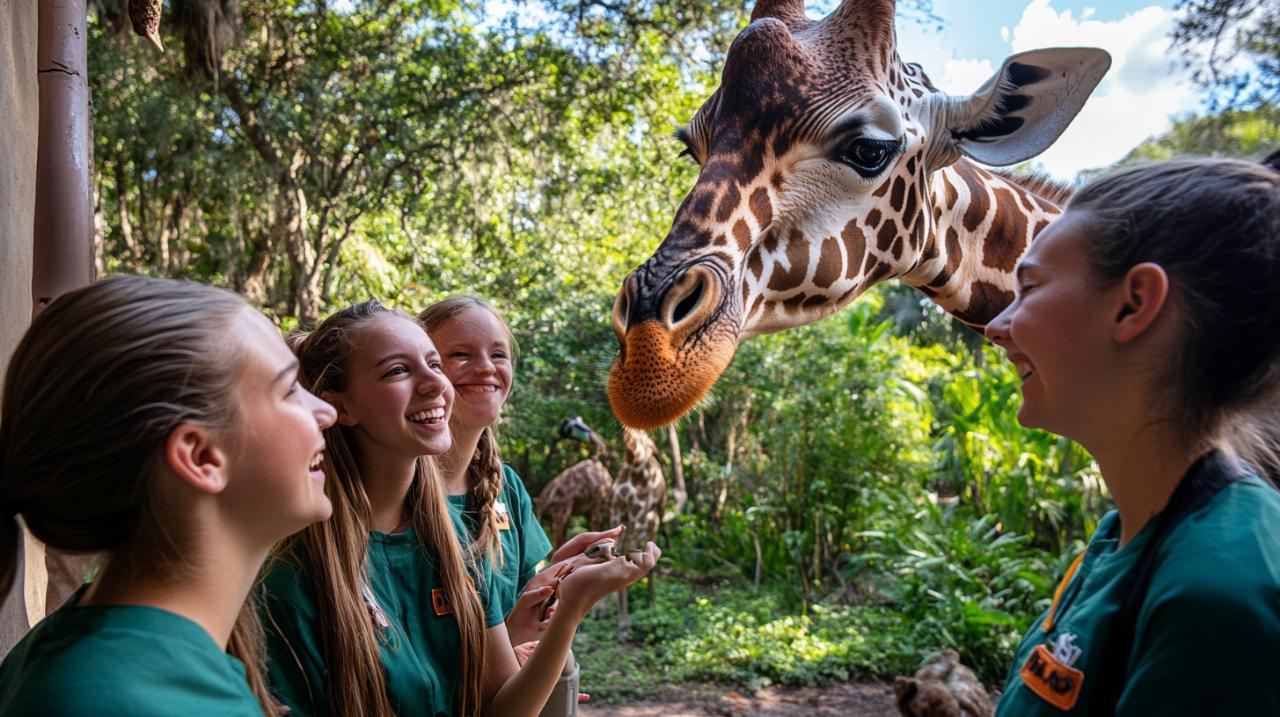
The responsibilities of an animal keeper extend far beyond simply feeding and cleaning. These professionals serve as the primary guardians of the creatures in their care, monitoring health indicators, recognising subtle changes in behaviour that might signal distress or illness, and maintaining detailed records to support veterinary teams. In zoological parks, keepers often specialise in particular taxonomic groups, developing expertise in the unique dietary requirements, environmental enrichment needs, and social dynamics of species ranging from primates to reptiles. The role demands acute observational skills, as early detection of health issues can prove critical. Daily activities typically involve preparing species-specific diets, conducting welfare checks, maintaining enclosures to exacting standards, and participating in conservation breeding programmes. In private collections, the scope may narrow to exotic pets or specialist species, yet the attention to detail and commitment to animal welfare remains equally paramount. The work is physically demanding, often conducted outdoors in all weathers, and requires a blend of patience, resilience, and genuine empathy for the animals under one's stewardship.
Exploring Career Opportunities: From Wildlife Sanctuaries to Aquariums and Specialist Facilities
The animal care industry, valued at approximately one billion pounds to the United Kingdom economy, offers a remarkable breadth of career opportunities. Graduates of training programmes frequently find employment within animal welfare societies, rehabilitation centres, aquariums, and specialist facilities dedicated to endangered species. Zoos and wildlife establishments remain a popular destination, where roles can evolve from junior keeper positions to senior management overseeing conservation initiatives. Wildlife sanctuaries provide another avenue, often focusing on rescue and rehabilitation of native species, demanding a deep understanding of local ecosystems and the particular challenges facing British wildlife. Aquariums present unique demands, requiring knowledge of aquatic life support systems, water chemistry, and the specific husbandry needs of marine and freshwater species. Meanwhile, private veterinary practices employ animal care assistants who support clinical teams, handle pre-operative preparations, and ensure the comfort of patients during recovery. Increasingly, opportunities arise in animal training, where professionals work with companion animals, assistance dogs, or even animals featured in education and entertainment settings, applying principles of positive reinforcement and behavioural science.
Navigating Professional Qualifications and Training Programmes for Aspiring Animal Caretakers
Levels of Professional Training: Certificates, Diplomas and Specialised Courses Available
Professional qualifications in animal care are structured to accommodate individuals at various stages of their careers, from complete beginners to those seeking advanced specialisation. City and Guilds Work-based Animal Care qualifications are a cornerstone of this framework, offering Level 1, 2, 3 qualifications in formats that include Awards, Certificates, Diplomas. Those new to the field typically commence with Level 1, which is tailored for individuals starting their journey in animal care. This entry-level programme encompasses approximately ninety to one hundred hours of guided learning and can be achieved through a Diploma requiring three hundred and ninety total qualification hours or a more concise Certificate. The tuition fees for these programmes are modest, reflecting their foundational nature. Progression to Level 2 introduces pathways that allow learners to specialise, with options in Animal Care and Welfare, Zoos and Wildlife Establishments, Dog Grooming, Pet Care and Retail, and Animal Training. This intermediate stage demands between one hundred and fifty-eight and four hundred and forty guided learning hours depending on the chosen award, certificate, or diploma, with last registration dates set for August 2026 and certification available until 2028. At Level 3, experienced animal carers can pursue advanced diplomas and certificates, exploring specialised pathways that include Animal Welfare Enforcement, Dogs and Animals Wardens, and Animals in Education and Entertainment. These qualifications demand between one hundred and fifty-one and four hundred and ninety-seven guided learning hours, equipping graduates with the expertise required for senior roles and supervisory positions.
Distance Learning and Flexible Study Options: Balancing Education with Practical Experience
Recognising the diverse circumstances of students, many institutions now offer distance learning and flexible study options, enabling individuals to balance their education with work commitments and personal responsibilities. Stonebridge Associated Colleges, for example, provides a comprehensive range of animal care courses online, allowing learners to study at their own pace from home while accessing expert tutor support. These online courses cover subjects such as Veterinary Nursing Assistant at Level 2 Diploma, African Wildlife and Conservation Studies Diploma, and Small Animal Care and Welfare at Level 3 Award. Some programmes, such as the Level 6 Diploma in Veterinary Physiotherapy with Hydrotherapy, combine online theory with mandatory practical training days, requiring twenty-five days of hands-on experience and eight hundred hours of clinical practice to ensure graduates possess both academic knowledge and real-world competence. Similarly, the Dog Grooming and Salon Management Level 3 Diploma includes thirty days of practical training in Cheshire, merging theoretical understanding with the tactile skills essential to professional grooming. Scotland's Rural College, known widely by its acronym SRUC, exemplifies this flexible approach, offering full-time, part-time, and distance learning options across its campuses in Edinburgh, Aberdeen, Fife, and West Lothian. The institution provides pathways from further education through to postgraduate studies, encompassing subjects such as Agriculture, Business, Veterinary Medicine, and Zoology, with apprenticeships available for those seeking to earn while they learn. Bursaries and loans are accessible to help manage tuition fees and living costs, ensuring that financial constraints do not impede access to high-quality education.
Gaining Hands-On Experience and Building a Successful Career in Animal Keeping
The Importance of Work Placements and Internships: Finding Opportunities at Training Centres and Facilities
Theoretical knowledge alone cannot prepare an individual for the realities of animal care. Work placements and internships serve as the bridge between classroom learning and professional practice, offering invaluable opportunities to apply acquired skills in real-world settings. The Sheffield College, for instance, integrates practical experience into its Animal Care and Animal Management programmes, with courses such as the Veterinary Nursing Apprenticeship Level 3 requiring students to secure employment in a veterinary practice as a condition of enrolment. This ensures that learners engage directly with the daily challenges and rewards of the profession, developing competence in tasks ranging from administering medications to assisting with surgical procedures. Prospective students are encouraged to seek placements at local zoos, wildlife sanctuaries, animal shelters, and veterinary clinics, where they can observe seasoned professionals, participate in routine husbandry tasks, and build networks that often prove instrumental in securing future employment. Many training centres maintain partnerships with established facilities, facilitating placement opportunities and ensuring students gain exposure to diverse species and management practices. The experience gained during these placements not only enhances CVs but also allows individuals to identify their preferred specialisation, whether that be wildlife conservation, companion animal care, or exotic species management.
Essential Skills and Knowledge: Animal Health, Species Behaviour and Daily Activities Required for Success
Success in animal care hinges upon a robust understanding of animal health, species behaviour, and the myriad daily activities that underpin professional standards. Animal welfare, defined as the mental and physical wellbeing of animals, remains central to every aspect of the role, requiring practitioners to recognise signs of stress, disease, and discomfort while implementing strategies to promote positive welfare outcomes. Knowledge of Veterinary Medicine supports this endeavour, enabling carers to collaborate effectively with veterinary teams, administer basic first aid, and understand the rationale behind treatment protocols. Zoology, the scientific study of animal life encompassing biology, psychology, and environmental science, provides the theoretical framework necessary to interpret behaviour, anticipate needs, and design enrichment programmes that stimulate natural instincts. Strong communication skills are indispensable, facilitating clear exchanges with colleagues, veterinarians, and the public, while time management ensures that the varied demands of feeding schedules, enclosure maintenance, and health monitoring are met without compromise. The ability to work independently is equally vital, as animal keepers often operate autonomously, making critical decisions in the best interests of their charges. For those aspiring to the highest echelons of the profession, roles such as Veterinarian can command salaries around seventy-one thousand pounds per year, while Zoologists, Wildlife Biologists, and Conservation Officers earn between forty-six and fifty-two thousand pounds annually. Animal Nutritionists, responsible for formulating diets that optimise health and performance, can expect earnings of approximately thirty-nine thousand pounds per year. These figures reflect the expertise and dedication required to excel in a field where the stakes involve the lives and wellbeing of sentient creatures. Ultimately, a career in animal care offers not only financial rewards but also the profound satisfaction of contributing to the protection, health, and happiness of the animal kingdom.