
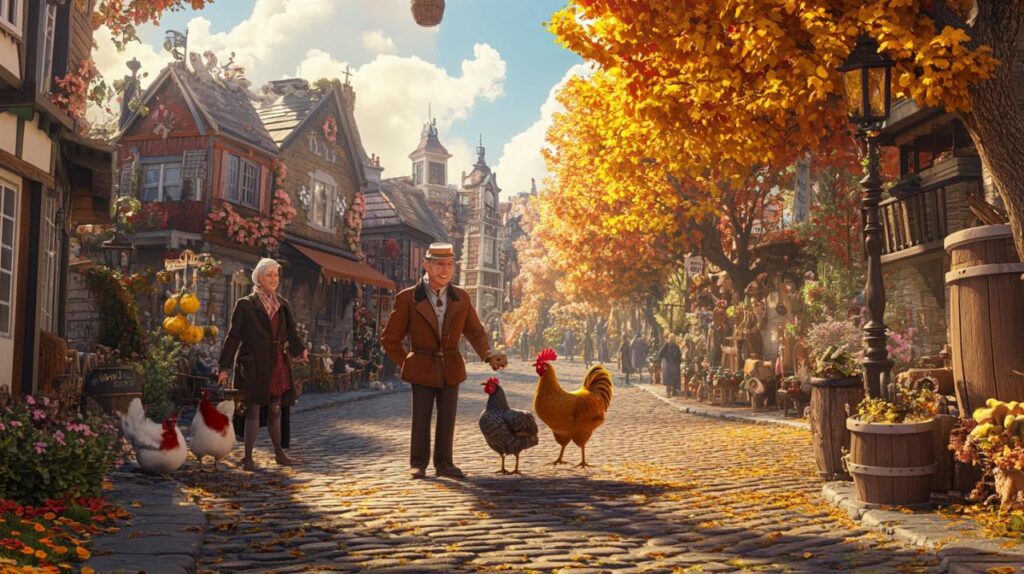
In an era where social media platforms dominate our daily interactions and communication, a growing number of local councils across the United Kingdom are reimagining what it means to truly welcome new residents. While online spaces like Facebook offer the convenience of connecting with friends and neighbours through a simple log in using an email or mobile number, the digital realm cannot replicate the warmth of a tangible, thoughtful gesture from the community itself. This article delves into a distinctive initiative by councils to offer new arrivals a gift that reflects local character and heritage, moving beyond the conventional hen or turkey present to embrace charitable donations made in the names of newcomers.
The council's welcoming initiative: a gift of local character
The Symbolic Value of the Town Hall's Gesture to Newcomers
The town hall has long served as the heart of civic life, a place where decisions affecting the community are made and where residents gather to celebrate shared achievements. In recent years, councils have sought to extend this sense of belonging to those who have just moved into the area. Rather than offering a generic gift, many local authorities have opted for something that carries deeper symbolic value. The gesture is intended to convey a message that new residents are not merely names on a register but valued members of a living, breathing community. By presenting a gift that embodies the spirit of the town, the council aims to foster an immediate sense of connection and pride among newcomers.
This approach reflects a broader understanding that the act of welcoming someone goes beyond formalities. It acknowledges the challenges and uncertainties that often accompany relocation and seeks to ease the transition by demonstrating that the community is ready to embrace its newest members. The gift itself, whether it be a local delicacy, a piece of craftsmanship, or a charitable donation made in the resident's name, serves as a tangible reminder that they are part of something larger than themselves. It is a gesture that speaks volumes about the council's commitment to building a cohesive and inclusive society.
How the Museum's Heritage Enriches the Welcome Package
The local museum plays a pivotal role in this initiative by providing context and depth to the welcome package. Many councils collaborate closely with their museums to ensure that the gifts offered to new arrivals are steeped in the town's rich history and cultural heritage. The museum curators and historians contribute their expertise to select items or themes that resonate with the community's past and present. This collaboration ensures that the welcome package is not just a token gesture but a meaningful introduction to the area's unique character.
By incorporating elements from the museum's collections or highlighting significant historical events, the council offers newcomers a window into the stories that have shaped the town. This enriches the welcome experience, transforming it into an educational opportunity that encourages new residents to explore their surroundings and engage with the community's heritage. The museum's involvement also underscores the importance of preserving and celebrating local history, ensuring that it remains a living part of the community rather than a distant memory. In this way, the welcome package becomes a bridge between past and present, inviting new arrivals to become active participants in the ongoing narrative of the town.
Building community bonds through shared experiences
Picnics and music events: bringing neighbours together
Beyond the initial welcome gift, councils are increasingly recognising the importance of creating opportunities for residents to interact and form meaningful connections. Organising picnics and music events in local parks or community centres provides a relaxed and informal setting where neighbours can meet and socialise. These gatherings are designed to break down barriers and encourage conversations among people who might otherwise remain strangers. The atmosphere at such events is typically warm and inclusive, with activities and entertainment that appeal to a wide range of ages and interests.
Music, in particular, has a universal appeal that transcends cultural and linguistic differences. Live performances by local artists or community bands create a shared experience that can unite residents in appreciation and enjoyment. Picnics, meanwhile, offer a chance for families to spend time together outdoors, enjoying the simple pleasures of good food and pleasant company. By providing these opportunities, the council not only enhances the quality of life for all residents but also strengthens the social fabric of the community. The relationships forged at these events often extend beyond the day itself, leading to lasting friendships and a stronger sense of belonging.
The Role of Dog-Friendly Activities in Fostering Social Connections
Recognising that many residents share their lives with canine companions, councils have begun to incorporate dog-friendly activities into their community programmes. These events are particularly effective at bringing people together, as dog owners often find common ground in their shared love of animals. Organised walks in local parks, dog training workshops, and informal meet-ups create a natural environment for conversation and connection. The presence of dogs adds an element of joy and spontaneity to these gatherings, making them memorable and enjoyable for all involved.
Dog-friendly activities also serve a practical purpose by helping new residents become familiar with local amenities and green spaces. They provide an opportunity to explore the area in the company of others, making the experience less daunting and more sociable. For those who may feel isolated or uncertain in their new surroundings, these events offer a welcoming entry point into the community. The council's decision to include such activities in its programme reflects an understanding that building a cohesive community requires attention to the diverse needs and interests of its residents.
Charitable Donations in Newcomers' Names: A Modern Take on Tradition
Understanding the Shift from Traditional Gifts to Philanthropic Gestures
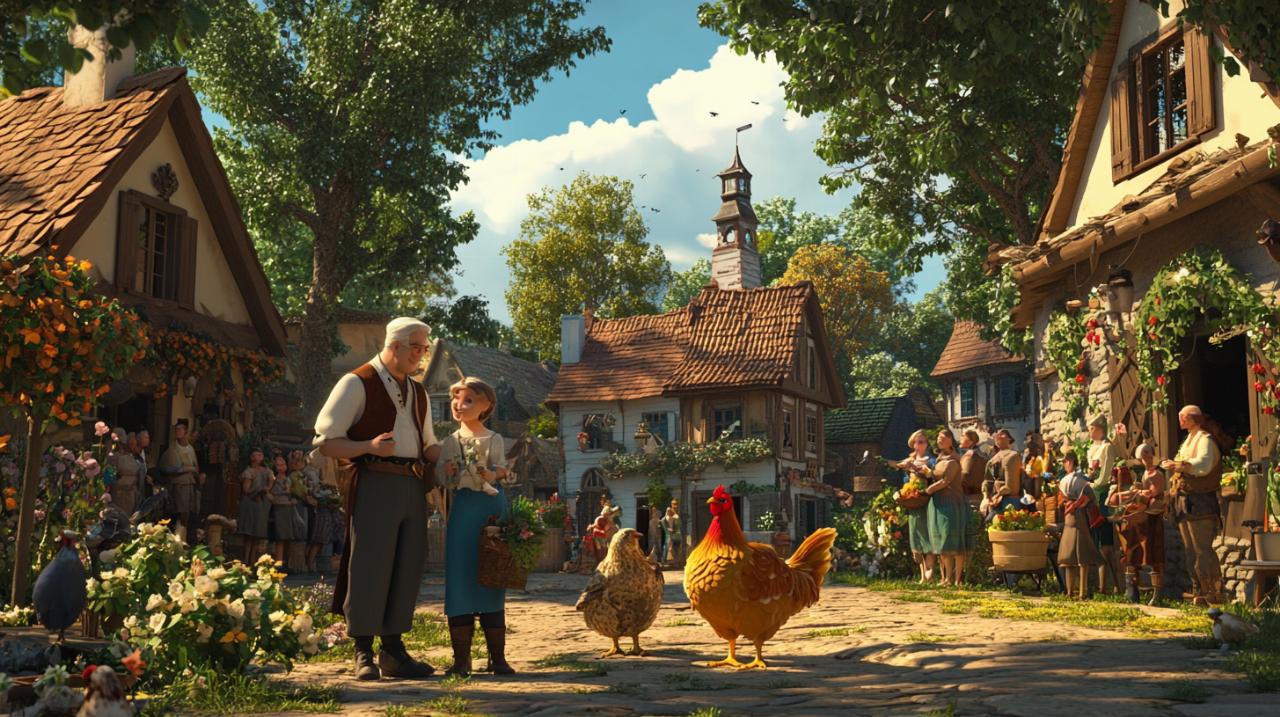
In recent years, there has been a noticeable shift in how councils approach the tradition of welcoming new residents. While the gift of a hen or turkey once symbolised prosperity and abundance, modern sensibilities and values have prompted a re-evaluation of what constitutes a meaningful gesture. An increasing number of councils are now opting to make charitable donations in the names of newcomers, directing funds to local causes or organisations that reflect the community's priorities. This approach resonates with a growing desire among residents to contribute to the greater good and make a positive impact on their surroundings.
The decision to replace a physical gift with a philanthropic gesture is rooted in the belief that such donations offer lasting benefits that extend beyond the individual recipient. By supporting local charities, food banks, educational programmes, or environmental initiatives, the council demonstrates its commitment to addressing real needs within the community. New residents, in turn, are given an early opportunity to feel that they are contributing to the welfare of their new home. This modern take on tradition aligns with broader societal trends towards sustainability and social responsibility, reflecting a collective desire to create communities that are not only welcoming but also compassionate and forward-thinking.
Diverse Perspectives on the Council's Approach to Welcoming Residents
While many applaud the council's innovative approach to welcoming new residents, it is important to acknowledge that opinions on this initiative are varied. Some residents appreciate the symbolic value of a charitable donation, viewing it as a progressive and meaningful way to mark the occasion of a new arrival. They argue that such gestures reflect the values of a community that prioritises collective well-being over material gifts. For these individuals, the initiative represents a refreshing departure from conventional practices and a step towards a more socially conscious society.
However, others express a preference for more traditional forms of welcome, valuing the tangible and personal nature of a physical gift. They argue that a hen or turkey, while perhaps less contemporary, carries a sense of history and tradition that connects new residents to the community's past. For these individuals, the act of receiving a gift that can be enjoyed or used in daily life holds a special significance that a donation, no matter how well-intentioned, cannot fully replicate. This diversity of opinion highlights the challenge faced by councils as they seek to balance innovation with respect for tradition, ensuring that their efforts to welcome new residents resonate with a broad spectrum of the community.
Ultimately, the success of any welcoming initiative depends on the council's ability to listen to the voices of its residents and adapt its approach accordingly. By engaging with the community and soliciting feedback, councils can refine their programmes to better meet the needs and expectations of those they serve. Whether through charitable donations, heritage-rich gifts, or a combination of both, the goal remains the same: to create a warm and inclusive environment where new residents feel valued and inspired to contribute to the life of their new community.