
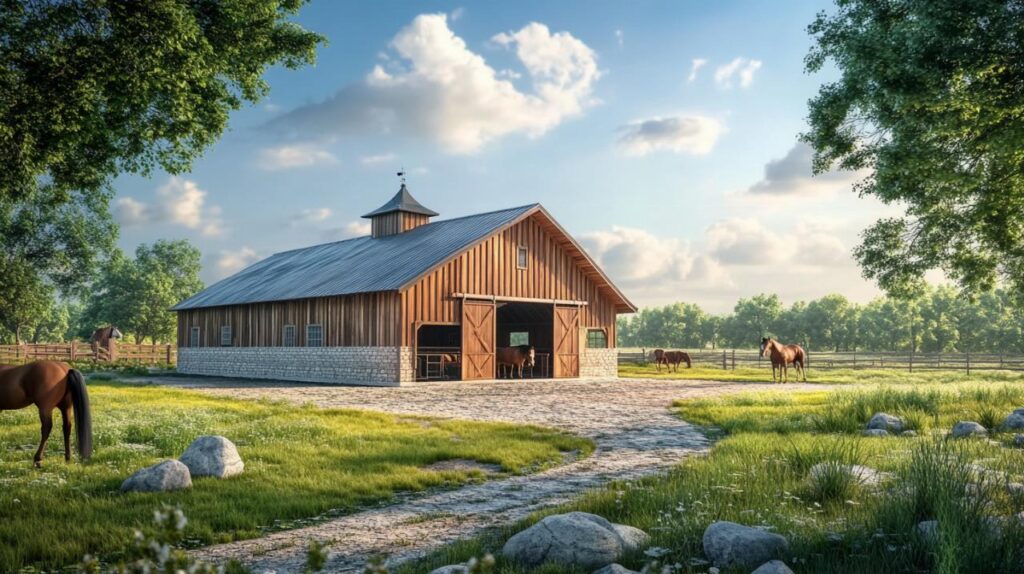
Constructing a horse barn is a significant undertaking that demands careful thought about the materials you choose. The decision between timber and metal extends beyond mere appearance; it involves considerations of durability, cost-effectiveness, fire safety, and the overall welfare of the horses who will reside within. Whether you are building a modest stable or a larger equestrian facility, understanding the strengths and limitations of different materials is crucial for creating a safe, comfortable, and long-lasting environment for your equine companions.
Understanding material choices: timber versus metal for equestrian structures
When it comes to barn construction, the debate between timber and metal remains a central issue for many owners and builders. Both materials offer distinct advantages, and the choice often hinges on specific needs, budget constraints, and long-term maintenance expectations. Traditional wood barns evoke a sense of warmth and natural beauty that many find appealing, whilst metal structures promise longevity and reduced upkeep. Evaluating these options carefully ensures that the final design not only meets practical requirements but also enhances the daily lives of the horses and their caretakers.
The Natural Appeal and Comfort of Timber in Horse Barns
Timber has been a favoured material in barn construction for centuries, prized for its natural qualities and the comfort it provides to horses. Wood offers excellent insulation, helping to maintain a stable temperature within the barn throughout the seasons. This natural insulation is particularly beneficial in the UK climate, where temperature fluctuations can be significant. Horses tend to respond well to the tactile warmth of wood, which can contribute to their overall sense of security and well-being. Pine is a popular wood choice for its excellent characteristics in indoor environments, offering a balance of strength, workability, and aesthetic appeal. The material can be treated to enhance fire safety, addressing one of the primary concerns with timber structures. However, traditional wood barns do require regular maintenance to prevent rot, insect damage, and weathering, which can add to long-term costs and labour.
Durability and Structural Integrity: The Case for Metal Frameworks
Metal barns have gained considerable traction in recent years due to their impressive durability and structural integrity. A well-constructed metal barn can last between fifty and one hundred years with minimal maintenance, making it a cost-effective choice over the long term. Metal structures are non-combustible, which significantly reduces fire risk, a critical consideration given that nearly half of all barn fires occur overnight. The cost of metal barns typically ranges between seven and twenty-five pounds per square foot, compared to around forty-five pounds per square foot for wood barns. This difference in expense, combined with the speed of construction, makes metal an attractive option. A forty by sixty foot metal barn can be erected in approximately one week, whereas wood barns may take six to twelve weeks to complete. Metal buildings also offer flexible configurations, allowing for customised layouts that can adapt to changing needs. However, some argue that metal lacks the warmth and natural aesthetic of timber, and it may not provide the same level of insulation without additional treatment.
Design Considerations for Safe and Functional Horse Barns
Beyond the choice of materials, the design of a horse barn plays a pivotal role in ensuring the safety, comfort, and health of its occupants. A well-planned layout considers the height and dimensions of stalls, the flow of air and light, and the accessibility of essential facilities such as tack rooms and water supplies. These elements work together to create an environment that supports the physical and psychological well-being of horses, whilst also facilitating efficient management by caretakers.
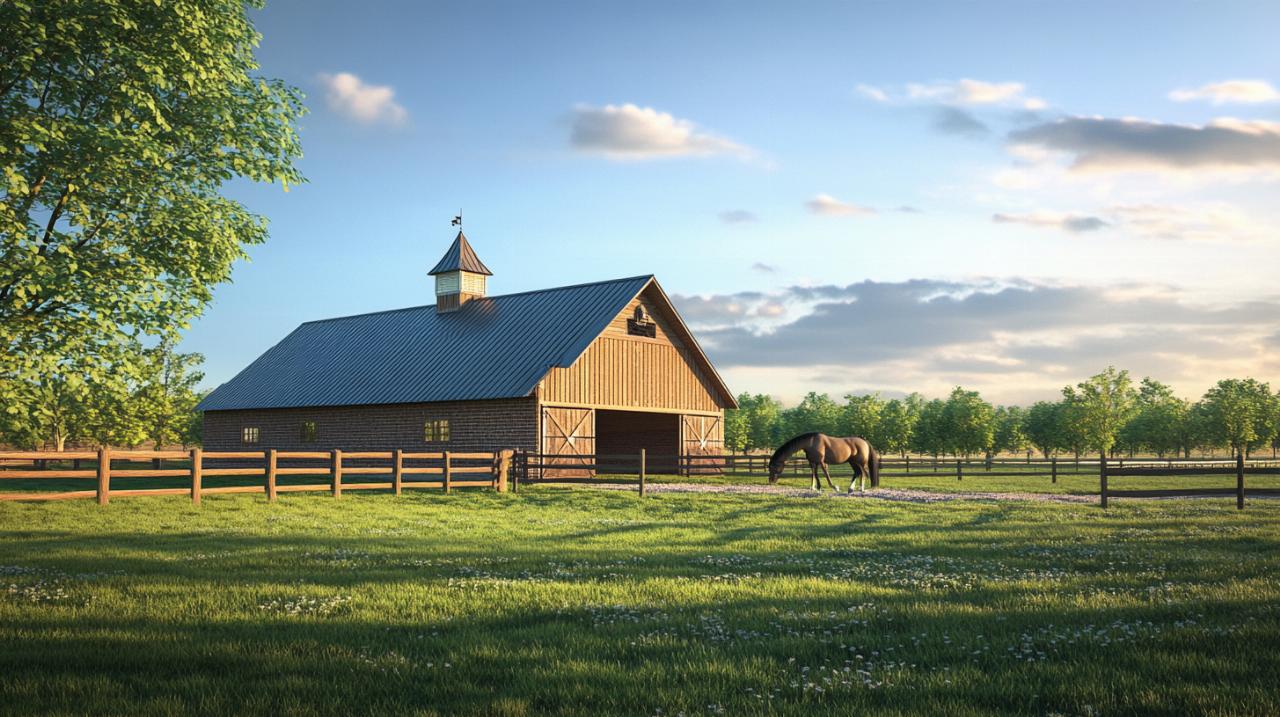
Optimising space: height, layout, and stall configuration
Adequate space is fundamental to horse comfort and safety. Stalls should be at least ten feet by ten feet, providing sufficient room for horses to move, lie down, and turn around comfortably. For larger breeds, particularly those standing over seventeen hands high, dimensions of at least three point six five metres by four point two five metres are recommended. Ponies and smaller breeds may require less space, but it is essential to avoid cramped conditions that can lead to stress and injury. Foaling boxes should be even more spacious, measuring approximately four point two five metres by four point two five metres, to accommodate mares and their foals safely. The layout of the barn should facilitate easy access to stalls, feed storage, and grooming areas, whilst minimising potential hazards. Metal buildings offer flexible configurations that can be tailored to specific needs, allowing for the creation of efficient and practical spaces.
Ventilation and Natural Light: Creating a Healthy Equestrian Environment
Proper ventilation is essential to prevent respiratory issues in horses, which are particularly sensitive to poor air quality. Stables must be designed to allow for good air circulation without creating draughts that could chill the animals. Metal barns naturally provide good air circulation due to their construction, whilst timber structures can be fitted with strategically placed vents and windows to achieve similar results. Natural light is equally important, contributing to the overall health and mood of horses. Stable doors should open outwards or slide, with a minimum width of one point two five metres, to ensure easy access and emergency egress. Designing barns with proper ventilation and natural light contributes to a healthy equestrian environment, reducing the risk of respiratory disease and promoting overall well-being. A constant supply of clean water is also crucial to prevent dehydration and colic, and this can be managed through automatic drinking bowls or traditional buckets, each offering distinct advantages depending on the specific circumstances of the barn.
Selecting Quality Materials for Long-Term Stability and Safety
The quality of materials used in barn construction directly impacts the longevity and safety of the structure. Whether opting for timber or metal, it is essential to source high-quality components that meet rigorous safety standards. This focus on quality ensures that the barn will withstand the demands of daily use and the challenges posed by the British weather, whilst providing a secure and comfortable home for horses.
Pine and Other Timber Varieties: Characteristics Suited to Indoor Environments
Pine is a popular wood choice for its excellent characteristics in indoor environments, combining strength with a pleasing appearance. It is relatively easy to work with, allowing for the creation of detailed joinery and fittings that enhance both functionality and aesthetics. Other timber varieties, such as oak and larch, offer different properties that may be better suited to specific applications. Oak is renowned for its durability and resistance to wear, making it ideal for high-traffic areas and structural supports. Larch, on the other hand, provides natural resistance to decay and insect infestation, reducing the need for chemical treatments. Regardless of the variety chosen, it is important to ensure that the timber is properly seasoned and treated to maximise its lifespan and maintain fire safety standards. Timber's natural insulation can be further enhanced through additional treatments, balancing the material's traditional appeal with modern safety requirements.
Balancing Practicality and Longevity: Shelters, Tack Rooms, and Fencing Solutions
Beyond the main barn structure, shelters, tack rooms, and fencing are integral components of a comprehensive equestrian facility. These elements must be well-constructed to ensure practicality and longevity, supporting the day-to-day management of horses and equipment. Shelters provide essential protection from the elements, allowing horses to seek refuge during adverse weather. Tack rooms must be secure, dry, and well-organised to protect valuable equipment and supplies. Fencing is perhaps the most critical safety feature, requiring careful consideration of material selection to prevent injury. Timber fencing offers a traditional aesthetic and can be relatively forgiving if a horse collides with it, but it requires regular maintenance to prevent rot and splintering. Metal fencing, particularly when coated to prevent rust, offers exceptional durability and low maintenance, though it may pose a greater risk of injury if not properly designed. Balancing practicality and longevity involves selecting materials and designs that meet the specific needs of the facility, whilst remaining mindful of budget constraints and maintenance capabilities. Focusing on the quality of the materials will result in a long-lasting and safe stable that serves horses and their caretakers well for decades to come.