
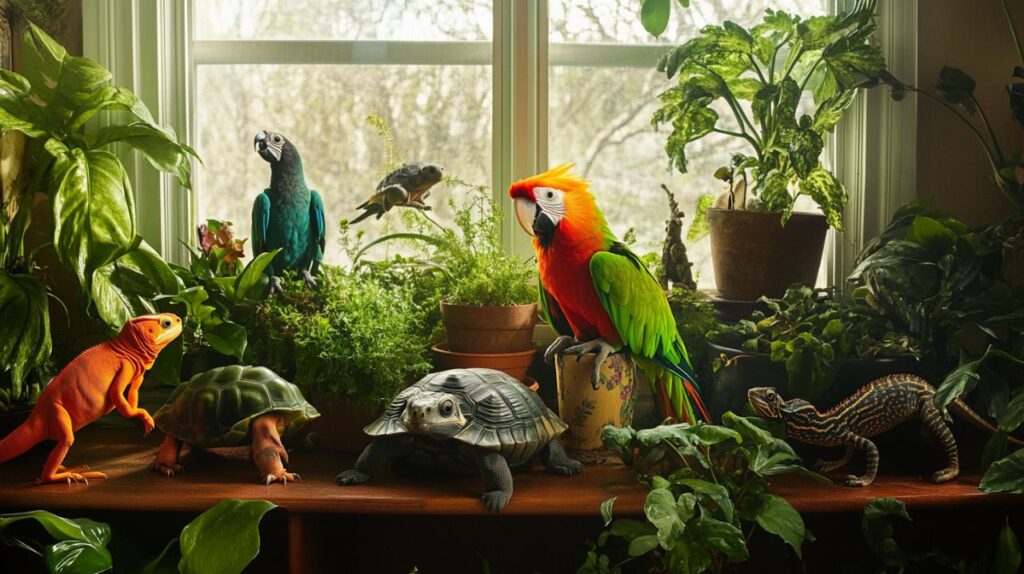
Welcoming an exotic pet into your home is an exciting adventure that brings unique joys and responsibilities. These remarkable creatures, from scaled reptiles to vibrant birds and small mammals, captivate us with their distinctive characteristics and behaviours. However, their care demands a thoughtful approach that differs significantly from traditional pets. New owners must be prepared to meet specialised needs and invest time in understanding what makes their chosen companion thrive. Embarking on this journey with proper knowledge ensures both pet and owner enjoy a rewarding, healthy relationship.
Understanding your exotic pet's unique requirements
Species-specific care and behavioural needs
Each exotic species brings its own set of requirements that must be carefully researched before bringing the animal home. Bearded dragons, for instance, exhibit different social behaviours compared to leopard geckos, which can live between fifteen and twenty years with males typically enjoying slightly longer lifespans. Understanding these nuances is essential, as exotic pets often mask signs of illness far better than cats or dogs, making early detection of health problems particularly challenging. Birds face their own distinct challenges, including conditions such as beak and feather disease, which require vigilant observation and specialist knowledge. Small mammals and reptiles alike may suffer from stress-related illnesses if their environment or routine is disrupted, underscoring the importance of consistency and patience.
When considering adoption or fostering, potential owners should evaluate not only the lifespan and size of the animal but also its dietary and social needs. Some species thrive in solitary environments, while others require companionship to remain mentally stimulated. Legal paperwork is often necessary for certain exotic animals, and understanding local regulations ensures compliance and responsible ownership. Seeking out reliable exotic animal care advice during this research phase helps prevent common pitfalls and sets the foundation for a successful relationship with your new pet.
Creating an appropriate habitat environment
Habitat setup is perhaps the most critical aspect of exotic pet ownership, as these animals depend entirely on their enclosures to replicate the conditions of their natural environments. Temperature and humidity control are vital for reptiles, with bearded dragons requiring basking spots between forty and forty-two degrees Celsius, while crested geckos need humidity levels maintained between sixty and eighty percent alongside temperatures ranging from twenty-two to twenty-six degrees Celsius. Initial setup costs can vary, with bearded dragon enclosures typically requiring around two hundred pounds and crested gecko habitats costing approximately one hundred and fifty pounds.
Beyond the basic infrastructure, enrichment plays a significant role in maintaining mental and physical health. DIY options for pet care and enrichment can help manage costs during challenging economic times, such as the ongoing cost of living crisis, without compromising the quality of care. Thoughtful habitat design includes appropriate hiding spots, climbing structures, and substrates that suit the species. Regular monitoring of environmental conditions ensures that your pet remains comfortable and healthy, reducing the risk of preventable illnesses. Detailed guides for specific reptiles like corn snakes and various gecko species provide invaluable insights into creating optimal living spaces tailored to their unique physiological needs.
Nutritional guidelines and health monitoring

Tailoring your pet's dietary programme
Nutrition is a cornerstone of exotic pet wellbeing, yet it varies dramatically across species. Reptiles may require live insects, fresh vegetables, or specialised pellets, while birds need a balanced mix of seeds, fruits, and fortified foods to prevent deficiencies. Small mammals such as sugar gliders, which are indeed marsupials, have distinct dietary requirements that include protein sources and fresh produce. Understanding the specific nutritional needs of your chosen species is essential, as improper feeding can lead to serious health complications over time.
Feeding schedules must align with the natural behaviours of the animal, with some species requiring daily meals and others thriving on less frequent feeding. Monitoring portion sizes and variety ensures a balanced diet that supports growth, energy levels, and immune function. Comprehensive care guides covering feeding schedules and dietary advice are freely available and serve as valuable resources for both first-time and experienced exotic pet owners. These guides are regularly updated, with the latest information reflecting advancements in veterinary science and animal husbandry practices.
Establishing regular veterinary care routines
Routine veterinary visits are indispensable for exotic pets, as they help monitor health and provide appropriate preventative care. Specialist veterinary services are essential, as traditional veterinarians may lack the expertise required to handle the unique medical challenges presented by reptiles, birds, and small mammals. Diagnostic techniques such as blood work and X-ray imaging often differ based on species, requiring tailored approaches that consider the animal's physiology and stress responses. Broadway Veterinary Group offers specialised services for exotic pets, and emergency care is available around the clock through VetsNow, ensuring that help is accessible whenever needed.
Preventative care is paramount, as many conditions can be avoided with proper husbandry and timely veterinary intervention. Administering medication to exotic pets, particularly birds, can be challenging and requires careful technique to avoid causing harm or stress. Regular health monitoring at home, including observing behaviour, appetite, and physical appearance, allows owners to detect subtle changes that may indicate illness. Establishing a relationship with a qualified exotic animal veterinarian early on provides peace of mind and ensures that your pet receives the highest standard of care throughout its life. Free resources, including a comprehensive sixty-eight-page exotic pet starter guide, offer practical advice on emergency preparedness and routine care, empowering owners to make informed decisions for their beloved companions.