
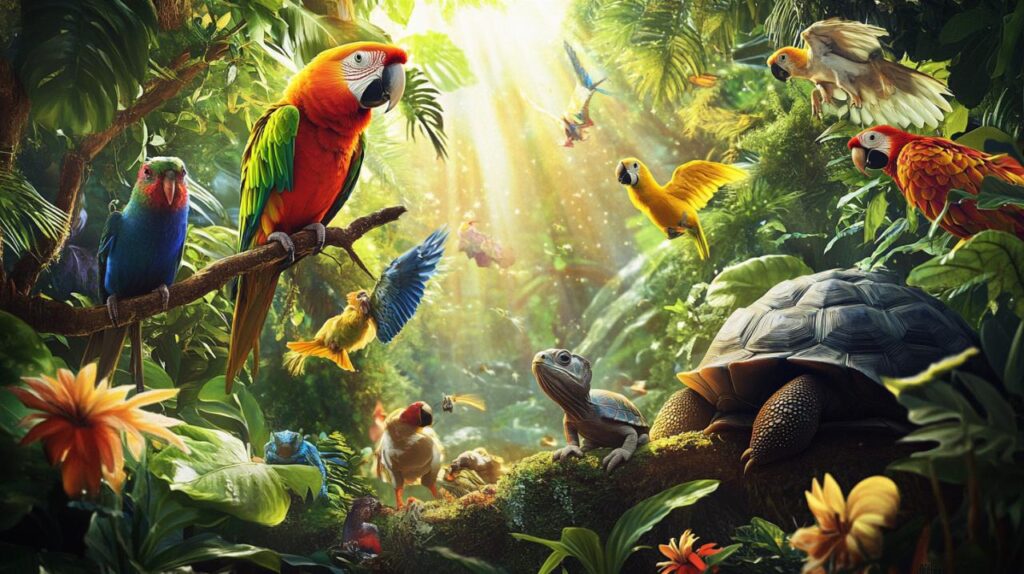
Caring for exotic animals requires dedication, knowledge, and a commitment to understanding the particular needs of species that differ significantly from traditional household pets. Whether you're drawn to the quiet charm of reptiles, the vibrant personalities of birds, or the fascinating behaviours of small mammals, providing excellent care means going beyond basic food and shelter. This comprehensive guide explores exotic animal care tips to ensure your companion thrives in a setting that respects their natural instincts and physiological requirements.
Understanding your exotic pet's unique requirements
Species-specific research and environmental needs
Before welcoming an exotic pet into your home, thorough research into the specific needs of the species is absolutely essential. Exotic animals such as reptiles, amphibians, birds, and small mammals each have unique physiological demands that differ vastly from one another. For instance, bearded dragons require arid conditions reminiscent of their Australian origins, whilst corn snakes thrive in environments that simulate the temperate forests of North America. Understanding these distinctions is fundamental to creating a setting where your pet can flourish. Over thirteen thousand species of reptiles and amphibians are kept as pets worldwide, highlighting the incredible diversity within the exotic pet community and the corresponding variety of care requirements.
Each species comes with considerations regarding environment, lifespan, size, diet, and social needs. Some exotic pets can live for decades, demanding a long-term commitment that potential owners must carefully weigh. Additionally, many exotic animals require legal paperwork and permits, ensuring compliance with wildlife regulations and conservation laws. Consulting specialist care guides and veterinary advice before acquisition helps prevent mismatches between owner expectations and the animal's actual needs, ultimately contributing to a healthier and happier relationship.
Temperature, humidity, and lighting considerations
Replicating natural habitat conditions is critical for exotic pets, particularly reptiles and amphibians. Temperature regulation is vital, as many of these animals are ectothermic and rely on external heat sources to maintain their body temperature. Providing basking areas with appropriate heat lamps alongside cooler zones allows pets to thermoregulate effectively. Humidity control is equally important, especially for tropical species that require moist environments to support skin health and respiratory function. Using hygrometers and thermometers to monitor these parameters ensures that conditions remain within the optimal range for your pet's species.
Lighting also plays a crucial role in the wellbeing of many exotic animals. Reptiles, for example, often need ultraviolet lighting to synthesise vitamin D3, which is essential for calcium metabolism and bone health. Birds benefit from exposure to natural daylight cycles, which influence their hormonal balance and overall mood. Ensuring that your exotic pet receives the correct spectrum and duration of light mimics their natural environment and supports their physiological processes, reducing the risk of health complications associated with improper lighting.
Creating the Perfect Habitat for Your Exotic Companion
Enclosure size and environmental enrichment
The housing requirements for exotic pets vary significantly depending on the species, but one universal principle is that adequate space is non-negotiable. An enclosure should be large enough to allow natural behaviours such as climbing, burrowing, or flying, depending on the animal. For reptiles like bearded dragons, a spacious vivarium with vertical and horizontal dimensions allows for exploration and exercise. Birds require cages that permit flight and wing stretching, whilst small mammals benefit from multi-level habitats that encourage activity and curiosity.
Environmental enrichment is a cornerstone of exotic animal care tips, promoting mental stimulation and preventing boredom-related behaviours. Incorporating elements such as branches, rocks, plants, and hides creates a dynamic environment that encourages natural exploration. For birds, toys and puzzles provide cognitive challenges, whilst reptiles appreciate varied textures and hiding spots that mimic their wild habitats. Enrichment not only enhances the quality of life for your pet but also reduces stress, contributing to better overall health and longevity.
Safe substrate and hiding spaces
Selecting the appropriate substrate for your exotic pet's enclosure is essential for their comfort and health. Substrates should be safe, non-toxic, and suitable for the species' natural behaviours. For example, bearded dragons may do well with reptile carpet or tile, which prevents impaction from ingesting loose substrates. Corn snakes benefit from aspen shavings or paper-based bedding that allows for burrowing. Avoiding substrates that pose ingestion risks or harbour harmful bacteria is crucial for preventing health issues.
Hiding spaces are equally important, offering your pet a sense of security and a retreat from potential stressors. Reptiles, in particular, require hides on both the warm and cool sides of their enclosure, allowing them to regulate their body temperature whilst feeling protected. Birds appreciate covered areas or nesting boxes, whilst small mammals thrive with tunnels and enclosed shelters. Providing these safe spaces reduces anxiety and supports natural behaviours, fostering a more relaxed and contented pet.
Nutrition and Dietary Requirements for Exotic Pets
Species-appropriate foods and supplements
A balanced diet that mimics the natural food sources of your exotic pet is fundamental to their health and vitality. Reptiles such as bearded dragons require a combination of insects, leafy greens, and vegetables, with dietary proportions shifting as they mature from juveniles to adults. Corn snakes, being carnivorous, thrive on appropriately sized rodents, typically offered frozen and thawed to ensure safety and convenience. Birds have diverse dietary needs depending on their species, ranging from seed-based diets supplemented with fresh fruits and vegetables to specialised pellets formulated for optimal nutrition.
Supplements play a vital role in preventing nutritional deficiencies, particularly calcium and vitamin D3 for reptiles. Dusting insects with calcium powder before feeding ensures that your pet receives adequate minerals to support bone health and prevent metabolic bone disease. Birds may benefit from vitamin supplements, especially if their diet lacks variety. Consulting with a specialist exotic animal veterinary surgeon helps tailor dietary plans to your pet's specific needs, ensuring they receive comprehensive nutrition throughout their life stages.
Feeding schedules and portion control
Establishing a consistent feeding schedule is important for maintaining your exotic pet's health and preventing obesity or malnutrition. Reptiles typically have varied feeding frequencies depending on their age and species; juvenile bearded dragons may eat daily, whilst adults thrive on a schedule of every other day. Corn snakes generally require feeding once a week, with the size of the prey increasing as the snake grows. Birds often benefit from daily feeding routines, with fresh food offered in the morning and any uneaten portions removed to prevent spoilage.
Portion control is equally critical, as overfeeding can lead to obesity and associated health problems, whilst underfeeding results in malnutrition and stunted growth. Observing your pet's body condition and adjusting portions accordingly ensures they maintain a healthy weight. For species that hide signs of illness, monitoring food intake can serve as an early indicator of health issues, prompting timely veterinary intervention. Balancing diet with activity levels and metabolic needs supports long-term wellbeing and vitality.
Veterinary care and health monitoring
Finding a specialist exotic animal veterinary surgeon
One of the most significant challenges in exotic pet ownership is locating a veterinary surgeon with expertise in exotic animal care. Unlike cats and dogs, exotic pets have unique physiological needs and medical challenges that require specialised knowledge. Reptiles need monitored habitats and tailored diagnostic techniques, whilst birds face species-specific diseases such as beak and feather disease. Small mammals may present with dental issues or respiratory conditions that demand specific treatment protocols. Ensuring that your veterinary practice has experience with your pet's species is essential for accurate diagnosis and effective treatment.
Specialist veterinary services for exotic pets include diagnostic imaging, blood work, and surgical procedures adapted to the anatomical and physiological characteristics of different species. For example, administering medication to birds can be particularly challenging due to their unique respiratory systems and rapid metabolic rates. Exotic pets often hide signs of illness, making early detection difficult without regular professional assessments. Establishing a relationship with a trusted exotic animal veterinary surgeon ensures that your pet receives appropriate preventative care and prompt attention to any health concerns that arise.
Routine health checks and warning signs
Regular veterinary check-ups, ideally at least once a year, are recommended for exotic pets to monitor their health and detect potential issues before they become serious. Routine visits allow the veterinary surgeon to assess weight, body condition, and overall vitality, as well as to provide guidance on diet, habitat, and enrichment. Preventative care is essential, as many conditions can be avoided with proper husbandry and timely interventions. For example, metabolic bone disease in reptiles is largely preventable through adequate calcium supplementation and appropriate ultraviolet lighting.
Recognising warning signs of illness is crucial, as exotic pets often mask symptoms until their condition is advanced. Common indicators include lethargy, changes in appetite, abnormal droppings, respiratory difficulties, weight loss, and behavioural changes such as increased aggression or withdrawal. Any deviation from your pet's normal behaviour warrants prompt veterinary attention. Early detection significantly improves treatment outcomes and reduces the risk of complications. Keeping detailed records of your pet's behaviour, feeding patterns, and physical condition helps you identify subtle changes and communicate effectively with your veterinary surgeon.
Enrichment activities and proper socialisation
Mental stimulation through interactive play
Mental stimulation is vital for the wellbeing of exotic pets, preventing boredom and promoting natural behaviours. For birds, interactive play with toys, puzzles, and foraging activities engages their intelligence and satisfies their curiosity. Rotating toys regularly and introducing new challenges keeps the environment stimulating and prevents habituation. Reptiles, though often perceived as less interactive, also benefit from environmental changes and novel objects that encourage exploration and activity.
Small mammals such as rabbits and guinea pigs thrive on social interaction and environmental enrichment. Providing tunnels, platforms, and safe chew toys encourages physical activity and mental engagement. For species that are naturally social, such as certain parrots or guinea pigs, companionship with conspecifics or regular interaction with their human caregivers is essential. Understanding the social needs of your exotic pet ensures that enrichment activities are tailored to their natural behaviours, supporting both physical and psychological health.
Building trust and safe handling techniques
Developing a trusting relationship with your exotic pet requires patience, consistency, and respect for their individual temperament. Handling should always be gentle and calm to avoid causing stress or injury. For reptiles, allowing them to become accustomed to your presence before initiating handling helps build trust. Birds often respond well to positive reinforcement training, which encourages voluntary participation in handling and medical procedures. Small mammals benefit from gradual socialisation, starting with short, positive interactions and gradually increasing contact as they become more comfortable.
Understanding species-specific handling techniques is crucial for safety and comfort. For example, supporting the entire body of a reptile prevents stress and reduces the risk of injury, whilst birds should be handled in ways that avoid damaging delicate feathers and bones. Avoiding sudden movements and providing predictable routines helps your pet feel secure. Recognising signs of stress, such as defensive postures, vocalizations, or attempts to escape, allows you to adjust your approach and prioritize your pet's comfort. Safe handling practices foster a positive bond and contribute to a more relaxed and cooperative companion.
Hygiene standards and habitat maintenance
Daily cleaning routines and waste management
Maintaining cleanliness in your exotic pet's habitat is essential for preventing illness and ensuring a healthy living environment. Daily tasks include removing uneaten food, spot-cleaning waste, and refreshing water supplies. Regular removal of waste prevents the buildup of harmful bacteria and reduces odours, contributing to both your pet's health and your home's hygiene. For reptiles, promptly removing faeces and urates minimizes the risk of bacterial contamination and parasitic infections.
Different species have varying requirements for habitat maintenance. Birds benefit from daily cage liner changes and regular cleaning of perches and food dishes. Small mammals require frequent bedding changes to maintain a dry and odour-free environment. Reptile enclosures should be thoroughly disinfected periodically, with substrates replaced as needed. Establishing a consistent cleaning routine not only promotes hygiene but also provides opportunities to observe your pet's health and behaviour closely, enabling early detection of potential issues.
Preventing illness through proper sanitation
Proper sanitation practices are fundamental to preventing illness in exotic pets. Disinfecting enclosures, food dishes, and accessories with reptile-safe or pet-safe cleaners eliminates pathogens that could compromise your pet's health. Ensuring that water sources are clean and fresh prevents the spread of waterborne diseases, particularly important for amphibians and aquatic species. Avoiding cross-contamination between different animals' habitats and maintaining separate cleaning equipment reduces the risk of disease transmission.
Personal hygiene is equally important when caring for exotic pets. Washing hands thoroughly before and after handling your pet or cleaning their enclosure prevents the spread of zoonotic diseases, which can be transmitted between animals and humans. Using gloves during cleaning tasks offers additional protection, particularly when handling waste or treating sick animals. Educating all household members about proper hygiene practices ensures a safe environment for both your exotic pet and your family. Preventative care through diligent sanitation significantly reduces the incidence of illness and supports the long-term health of your companion.