
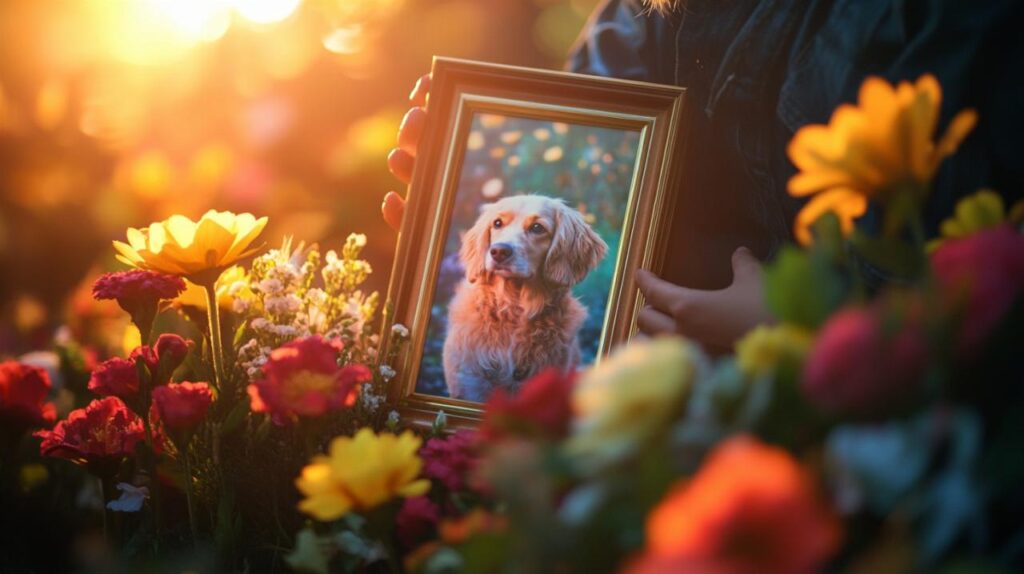
Losing a beloved dog is one of the most heart-wrenching experiences a pet owner can face. The emptiness left behind after a cherished companion passes away can feel overwhelming, leaving many to wonder how they will ever cope with such a profound loss. It is essential to recognise that the pain you feel is valid and that seeking comfort and understanding during this difficult time is not only natural but necessary. Whether through the support of friends, family, or dedicated pet loss groups, there are ways to navigate the mourning process and begin to heal.
Understanding your grief: why losing a dog hurts so much
The unique bond between dogs and their owners
The connection between a dog and its owner is something truly special. Dogs offer companionship that goes beyond mere presence; they become integral parts of daily routines, providing structure, purpose, and unconditional love. This bond is built over years of shared experiences, from morning walks to quiet evenings on the sofa. Dogs seem to understand their owners in ways that few others can, offering comfort during tough times and joy during the good. When such a significant relationship comes to an end, it is no wonder that the grief feels as intense as losing a family member. The emotional wellbeing that dogs contribute to cannot be understated, and their absence leaves a noticeable void.
Allowing yourself to grieve properly
Grief is an individual experience, and there is no set timetable for how long it should last. It is crucial to allow the mourning process to unfold naturally, without forcing yourself to move on before you are ready. Acknowledging and expressing grief is a vital part of healing, and it is important not to let others invalidate your feelings. Some people may not understand the depth of the bond you shared with your dog, but that does not make your pain any less real. Crying, feeling sad, and even experiencing difficulty concentrating are all normal symptoms of pet bereavement. Embracing these emotions rather than suppressing them will help you to process the loss and eventually find a way forward.
Practical Ways to Cope with the Loss of Your Beloved Dog
Cherishing memories and creating lasting tributes
One of the most meaningful ways to honour your dog's life is by cherishing the memories you shared. Reflecting on the happy times, the silly moments, and the unconditional love your dog gave you can bring a sense of warmth amidst the sadness. Creating a memorial can also be a powerful way to pay tribute. This could be as simple as planting a tree in your garden, assembling a photo album, or making a donation to an animal shelter in your dog's name. Some people find therapeutic writing helpful, such as penning letters to their departed pet, expressing all the things they wish they could say. These rituals not only help to keep the memory alive but also provide a sense of closure and a tangible way to honour the life that meant so much to you.
Seeking Support from Friends, Family, and Professionals
Coping with the loss of a pet is not something you have to do alone. Talking to someone about your feelings can make a world of difference. Whether it is a friend, a family member, or a professional counsellor, sharing the burden of grief can lighten the emotional load. There are also dedicated bereavement support services and grief counselling options available for those who need extra help. In the UK, the Pet Bereavement Support Service can be reached at 0800 096 6606, offering a listening ear and guidance during this difficult time. Connecting with others who have experienced similar losses, whether through online support groups or community gatherings, can provide a sense of understanding and solidarity. These social connections remind you that you are not alone and that others have walked the same painful path.
Moving forward: finding hope after pet loss
Taking care of your mental health during bereavement
While grieving, it is vital to look after your mental health and physical health. The emotional toll of loss can sometimes lead to neglecting self-care, but maintaining routines and healthy habits can support the healing process. Staying hydrated, getting regular exercise, and ensuring you have enough sleep are all important aspects of self-care during bereavement. It is also essential to give yourself permission to experience moments of happiness without feeling guilty. Laughing at a memory or enjoying a walk in the park does not mean you are forgetting your dog; it simply means you are learning to live with the loss. If the grief becomes overwhelming or you find it difficult to function, do not hesitate to reach out to your GP or a bereavement counsellor for professional support. There are helplines and resources designed specifically to assist with pet loss grief, ensuring that help is available when you need it most.
Considering when you might be ready for another companion
The question of when to welcome another pet into your life is deeply personal and varies greatly from one individual to another. It is important to wait until you feel truly ready, as rushing into a new companionship can sometimes hinder the grieving process. A new pet will never replace the dog you lost, but when the time is right, another animal can bring joy, laughter, and companionship back into your life. Before making this decision, take time to reflect on whether you have completed the mourning process and whether you are emotionally prepared to open your heart again. Some people find that a new pet helps them to heal, while others may need more time to adjust to life without their previous companion. Trust your instincts and allow yourself the space to make the decision that feels right for you. The loss of a dog is a profound experience, but with time, support, and self-compassion, it is possible to find hope and healing once more.