
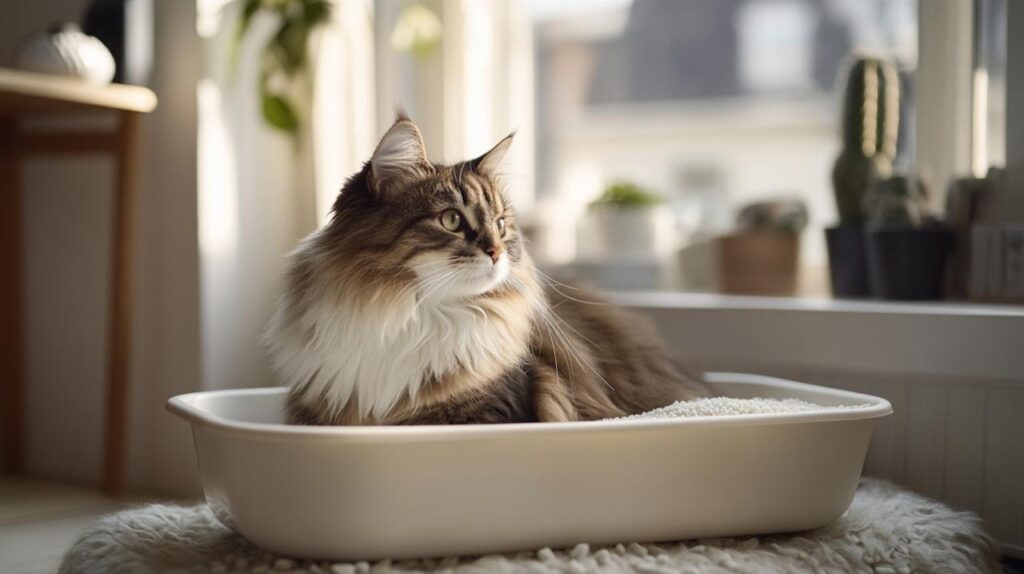
Choosing the perfect cat litter for a long-haired feline can feel like a never-ending quest, especially when you are dealing with a particularly discerning moggy. Long-haired cats present unique challenges that go beyond the typical concerns of odour control and clumping ability. From managing the inevitable tracking of granules through their luxurious coats to preventing matting around their paws and bottoms, owners of these beautiful breeds require a litter that performs exceptionally well in multiple areas. This comprehensive review examines the best deodorising cat litter options available in the UK market today, focusing on products that address the specific needs of fluffy felines while keeping your home fresh and clean.
Understanding the Unique Challenges of Long-Haired Cats and Litter Selection
Why long-haired breeds need special consideration when choosing cat litter
Long-haired cats such as Persians, Maine Coons, and Norwegian Forest Cats require special attention when it comes to litter selection for several compelling reasons. Their abundant fur acts as a natural trap for litter particles, meaning that whatever substrate you choose will inevitably travel beyond the confines of the litter box. The texture and size of litter granules become particularly important, as larger pellets or softer materials tend to cling less aggressively to their coats. Dust levels also warrant careful consideration, as fine particles can settle into dense fur and potentially cause respiratory irritation for both cats and their owners. Many experts now recommend that cat owners with long-haired breeds opt for dust-free formulations whenever possible, as these reduce the likelihood of particles becoming embedded in the coat and subsequently tracked throughout the home.
The moisture absorption capabilities of litter take on added significance with long-haired cats. When urine is not absorbed quickly and efficiently, moisture can transfer to the fur around the paws and lower body, creating uncomfortable clumps and potentially leading to hygiene issues. This makes highly absorbent options particularly valuable for these breeds. Additionally, the scent profile of the litter matters greatly, as cats possess extraordinarily sensitive noses that are far more discerning than our own. Unscented varieties often prove more acceptable to fussy felines, though some naturally scented options using materials like pine or lavender can provide effective odour control without overwhelming delicate feline sensibilities.
Common Issues: Tracking, Clumping, and Matting in Long-Haired Felines
Tracking represents perhaps the most persistent headache for owners of long-haired cats. The phenomenon occurs when litter particles cling to fur and paws, subsequently being deposited around the home as the cat goes about their daily routine. Lightweight litters, whilst often easier to manage in terms of weight and handling, can exacerbate tracking problems due to their tendency to stick more readily to fur. Conversely, heavier granules or larger pellet-style litters typically remain more confined to the immediate vicinity of the litter box, though they may present other challenges in terms of texture and acceptance by particularly fussy cats.
Clumping behaviour becomes especially critical when dealing with long-haired breeds. A litter that forms solid, easy-to-scoop clumps prevents urine from spreading throughout the box and reduces the likelihood of moisture coming into contact with your cat's fur during use. Products that clump weakly or break apart during scooping create a messier environment and increase the chances of damp litter adhering to your cat's coat. Matting around the paws and hindquarters represents another significant concern, particularly with finer grain litters that can become entangled in fur when moistened. This not only causes discomfort for the cat but also requires regular grooming intervention from owners to prevent the formation of painful knots and potential skin irritation beneath the matted fur.
Top deodorising cat litter types for long-haired cats: a comprehensive comparison
Natural and Eco-Friendly Options: Okoplus and Nature Gold Reviewed
The shift towards natural and eco-friendly cat litters has gained considerable momentum among conscientious pet owners, and these options often prove particularly well-suited to long-haired cats. Wood-based pellet litters have emerged as strong contenders in this category, with products like Fresh Paws Premium Wood Pellet Cat Litter offering exceptional absorbency through their construction from British softwood. These pellets possess natural antibacterial properties and provide a fresh scent without artificial additives, making them appealing to sensitive felines. At approximately forty-seven pence per litre, they also represent excellent value whilst delivering superior performance in controlling odours through moisture absorption rather than masking agents.
Recycled paper litters have carved out their own niche, particularly for cats recovering from surgery or those with sensitivity to traditional clay formulations. BreederCelect Recycled Paper Cat Litter stands out as an overall best choice, combining dust-free performance with low tracking characteristics at forty-eight pence per litre. The absence of artificial scents makes this option ideal for cats with discerning noses, whilst the larger granule size reduces the likelihood of particles becoming embedded in long fur. Similarly, Bio-Catolet Hygienic Recycled Paper Cat Litter offers a biodegradable and compostable alternative that remains both lightweight and budget-friendly at fifty-six pence per litre, making it an accessible option for environmentally conscious households managing multiple cats or requiring frequent litter changes.
Clumping vs Non-Clumping: Which Works Best for Fluffy Coats
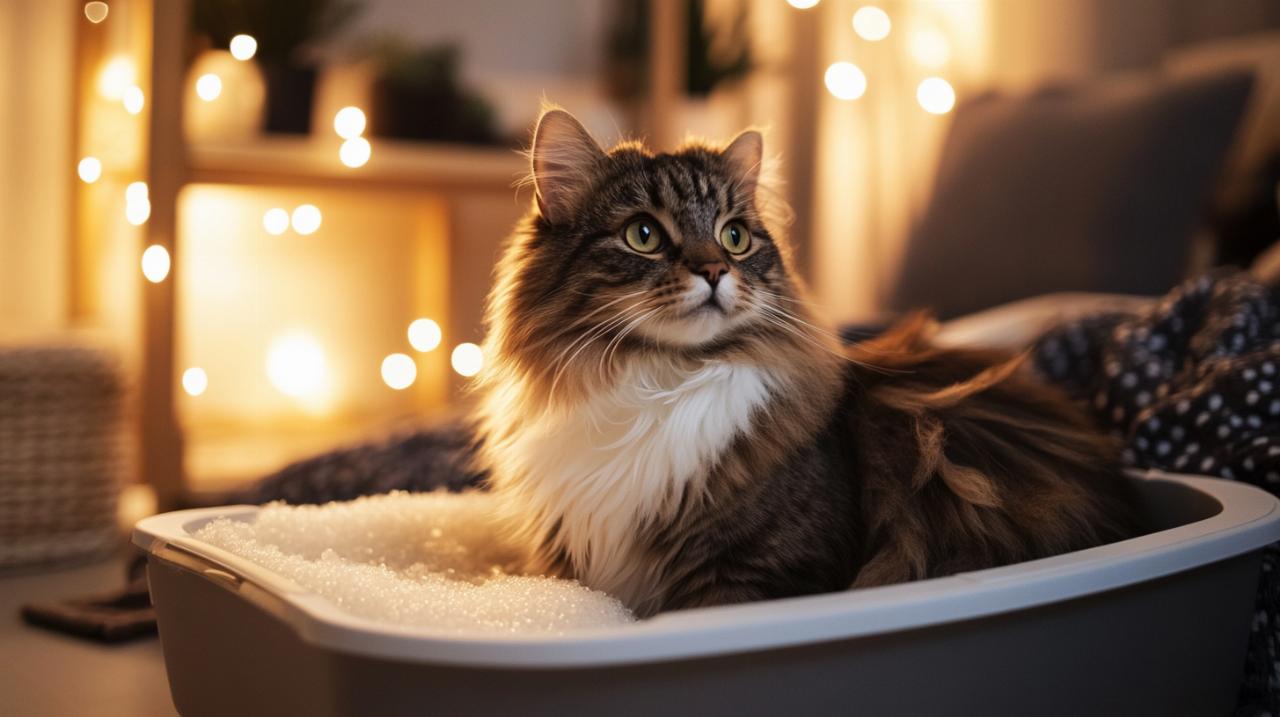
The debate between clumping and non-clumping litters takes on particular significance when considering the needs of long-haired cats. Clumping formulations generally prove more popular due to their ease of maintenance and superior odour control capabilities. Ever Clean Clumping Cat Litter exemplifies the premium end of this category, forming exceptionally solid clumps that remain intact during scooping, which helps maintain a cleaner box environment and reduces the chances of moisture spreading to your cat's fur. The pleasant lavender scent provides effective deodorisation whilst remaining subtle enough not to offend sensitive feline noses, though this comes at a higher price point of one pound ninety per litre.
Amazon Lifelong Bentonite Premium Cat Litter represents another compelling clumping option, offering highly absorbent performance that creates firm clumps whilst delivering excellent odour control at one pound forty per litre. The rapid absorption rate proves particularly beneficial for long-haired breeds, as it minimises the window during which moisture might transfer to fur. For those seeking innovative clumping solutions, Fuzzball Cat Litter brings biodegradable credentials to the table alongside compostable and flushable properties. Its lightweight formulation and low-tracking design make it exceptionally suitable for long-haired cats, whilst the easy-to-scoop clumps simplify daily maintenance at one pound twenty-five per litre. Non-clumping alternatives such as Catsan Hygiene Cat Litter continue to maintain a devoted following, particularly among owners who prefer the traditional approach of complete litter changes. This highly absorbent option provides good odour protection and longevity at sixty-five pence per litre, though it requires more frequent full replacements rather than daily spot cleaning.
Practical Buying Guide: Cost, Performance, and What Matters Most for Your Moggy
Balancing Quality and Budget: Finding Value for Money in Cat Litter
Navigating the cat litter market requires careful consideration of both upfront costs and long-term value, particularly when managing the specific needs of long-haired cats. Price per litre provides a useful benchmark for comparison, yet the most economical option may not always prove most cost-effective when factors such as absorption rates, clumping efficiency, and required frequency of complete changes are taken into account. World's Best Cat Litter represents a premium investment at one pound forty-two per pound, yet its flushable and compostable properties combined with excellent moisture absorption and dust-free performance justify the higher expenditure for many households. The ability to flush soiled litter reduces waste disposal concerns whilst the superior clumping action means less product is required for each cleaning session.
For budget-conscious cat owners who refuse to compromise on quality, several options deliver impressive performance without breaking the bank. The wood pellet varieties consistently punch above their weight in terms of value, with Fresh Paws offering antibacterial properties and super absorbency at less than fifty pence per litre. Similarly, recycled paper options provide excellent balance between cost and performance, particularly for multi-cat households where litter consumption rates are higher. When evaluating true value, consider not just the initial purchase price but also factors such as how much litter you need to use per change, how frequently complete replacements are required, and whether the product reduces ancillary costs such as cleaning supplies for tracked litter around your home.
Expert Tips for Reducing Tracking and Keeping Your Home Fresh
Managing tracking from long-haired cats requires a multi-pronged approach that extends beyond simply selecting the right litter. Positioning a quality litter mat outside the box creates a first line of defence, catching particles that cling to paws and fur before they spread throughout your home. Mats with raised textures or deep grooves prove particularly effective at dislodging stubborn granules, though they require regular cleaning to maintain their effectiveness. Some owners find success with enclosed or top-entry litter boxes, which create additional opportunities for litter to fall away from fur before the cat exits, though these designs may not suit all felines, particularly those with mobility concerns or strong preferences for open-plan facilities.
Regular grooming becomes doubly important for long-haired cats, not only for general coat health but specifically to remove litter particles that become entangled in fur. Daily brushing helps prevent the formation of mats whilst removing trapped granules before they can be deposited around your living spaces. Pay particular attention to the areas around the paws and hindquarters where litter contact is most frequent. For stubborn particles, a fine-toothed comb proves invaluable for teasing out embedded pieces without causing discomfort. Maintaining optimal litter depth also influences tracking behaviour, as boxes filled too generously provide more opportunity for litter to be kicked out during digging and covering behaviours. Most experts recommend maintaining a depth of approximately five to seven centimetres, which provides adequate coverage for burial instincts without creating excessive loose material. Finally, ensure the litter box itself is appropriately sized for your cat, as cramped quarters increase the likelihood of litter being scattered during use. A general rule suggests the box should be at least one and a half times the length of your cat from nose to base of tail, providing ample space for turning and positioning without sending litter flying over the sides.