
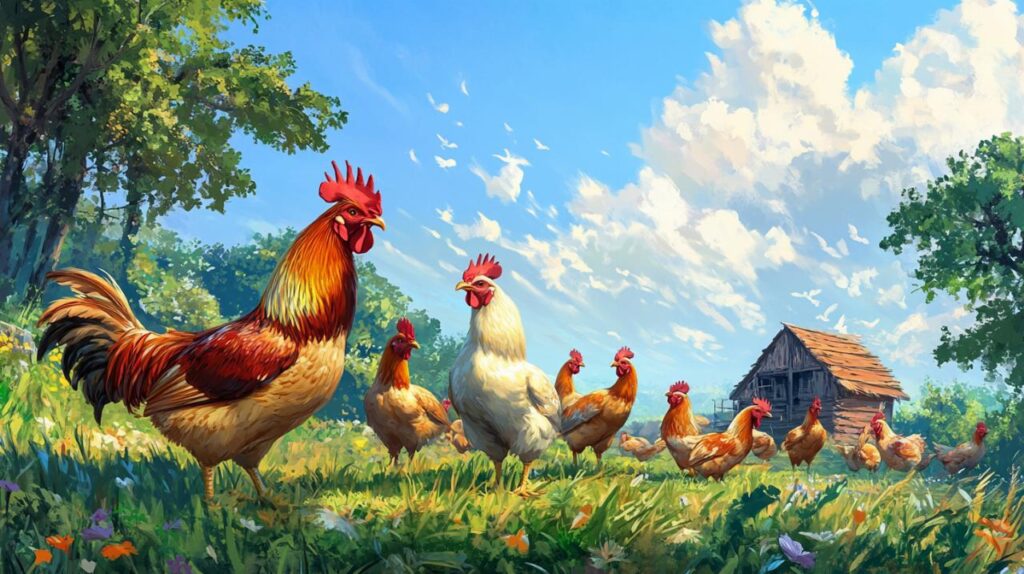
Maintaining a harmonious and productive poultry flock requires careful consideration of the balance between males and females. Whether your goal is to produce fertile eggs, ensure the wellbeing of your birds, or simply enjoy the natural dynamics of a backyard flock, understanding the correct proportions is essential. The relationship between roosters and hens influences not only breeding success but also the overall health and behaviour of your birds. By getting this balance right, you create an environment where stress is minimised, aggression is controlled, and egg laying thrives.
Understanding the Ideal Hen-to-Rooster Ratio for Your Flock
The foundation of a well-managed flock lies in establishing the proper ratio of hens to roosters. The widely accepted guideline is to maintain ten hens for every single rooster. This proportion is not arbitrary; it has been refined through generations of poultry keeping and reflects the natural social structure of chickens. When this balance is observed, hens are less likely to suffer from overbreeding, which can lead to physical injuries, feather loss, and heightened stress levels. A rooster that has too few hens under his care may focus his attention excessively on individual birds, resulting in harm and distress.
Conversely, an imbalance in the opposite direction, where too many roosters are present relative to the number of hens, creates a host of problems. Competition for dominance can trigger frequent fights among males, leading to injuries and a tense atmosphere within the flock. Hens caught in the crossfire of these disputes may become stressed, which in turn affects their egg production and overall health. Observing signs such as hens with missing feathers, frequent skirmishes among roosters, and a noticeable drop in egg laying are clear indicators that the ratio has tipped too far in favour of males.
Recommended Ratios Based on Breed and Size Considerations
While the ten-to-one guideline serves as a general rule, it is important to consider the specific characteristics of the breeds you are keeping. Some roosters are naturally more gentle and less aggressive, making them better suited to smaller flocks or tighter spaces. Breeds such as the Cochin, Australorp, and Silkie are renowned for their calm temperament and are less likely to cause distress among hens. These breeds can sometimes manage slightly smaller groups without issue, though maintaining the recommended ratio remains the safest approach.
On the other hand, more assertive or larger breeds may require strict adherence to the ten-hen guideline to prevent behavioural problems. The size of your birds also plays a role in how much space they need and how they interact. Larger breeds naturally occupy more room and may require more generous enclosures to avoid overcrowding, which can exacerbate tensions and lead to aggression. Taking breed-specific traits into account allows you to tailor your flock management to the unique needs of your birds.
The Impact of Group Dynamics on Bird Welfare and Stress Levels
Chickens are inherently social creatures with a well-defined hierarchy, often referred to as the pecking order. A rooster plays a vital role in maintaining this structure, providing protection and mediating disputes among hens. However, when the balance of the flock is disrupted by an improper ratio, the social dynamics can quickly deteriorate. Hens subjected to excessive attention from a single rooster or caught between competing males experience chronic stress, which manifests in reduced egg production, weakened immune systems, and abnormal behaviours.
Stressed hens may become withdrawn, stop eating properly, or exhibit signs of feather pecking directed at themselves or others. In severe cases, the physical damage from overbreeding can lead to open wounds and infections. Monitoring the behaviour and physical condition of your birds is crucial for early detection of these issues. A well-balanced flock, by contrast, displays relaxed, confident behaviour, with hens foraging freely and roosters calmly overseeing their group without excessive aggression.
Optimising Your Coop and Garden Space for Safe Breeding
The physical environment in which your flock lives has a profound impact on their welfare and productivity. Even with the ideal hen-to-rooster ratio, inadequate space can undermine the benefits of proper flock composition. Chickens need room to move, forage, and establish their social hierarchy without constant conflict. Cramped conditions amplify stress and aggression, making it difficult for birds to escape unwanted attention or confrontations.
When planning your coop and outdoor run, consider both the number of birds and their size. Each hen requires a minimum amount of space inside the coop for roosting and nesting, as well as additional space in the run for daytime activity. The general recommendation is to provide at least one square metre per bird inside the coop and several square metres per bird in the outdoor area. Larger breeds or more active flocks may benefit from even more generous allocations.
Calculating Adequate Space Requirements per Bird in Your Enclosure
Calculating the right amount of space involves assessing the total number of birds you intend to keep and the dimensions of your available area. For a flock of ten hens and one rooster, a coop of at least eleven square metres is advisable, with a run of significantly larger size to allow for natural behaviours such as scratching, dust bathing, and exploration. These activities are essential for physical health and mental wellbeing, and restricting them can lead to frustration and aggression.
If you are keeping multiple roosters, the space requirements increase substantially. Each rooster should have his own group of at least ten hens, and the overall enclosure must be large enough to allow these subgroups to establish their own territories. Providing visual barriers such as shrubs, fencing, or structures can help reduce direct confrontations between rival males and give hens safe zones where they can retreat if needed.
Designing a Functional Layout to Promote Natural Behaviours and Reduce Aggression
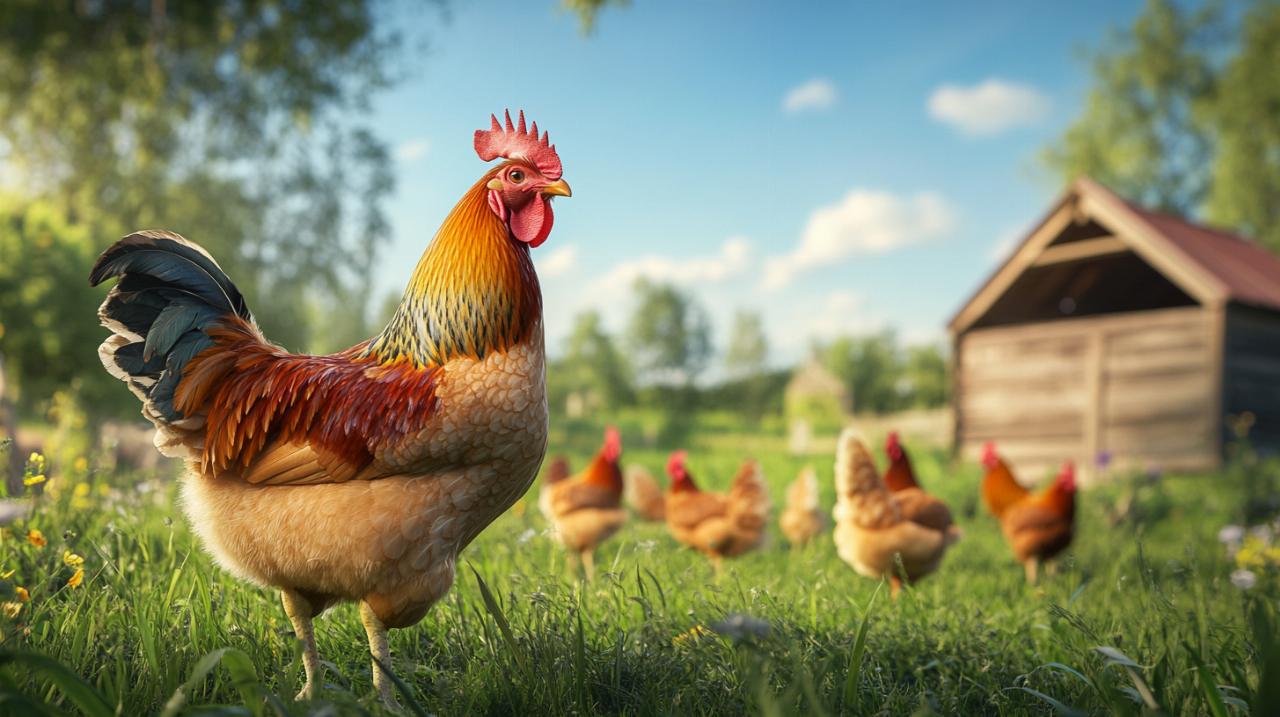
A thoughtfully designed layout can make a significant difference in flock harmony. Incorporate features such as multiple feeding and watering stations to prevent competition and ensure that all birds have access to resources. Roosting bars should be placed at varying heights to accommodate the natural pecking order, with lower-ranking birds able to settle on less desirable perches without being forced into confrontation.
Outdoor areas should include shaded spots, areas for dust bathing, and a variety of substrates to encourage foraging. Enrichment such as perches, logs, and vegetation not only keeps birds occupied but also provides escape routes for hens that need to avoid an overly attentive rooster. When introducing a new rooster to an established flock, it is essential to follow a careful protocol. Quarantine the new bird for at least two weeks to prevent the spread of disease, then introduce him to the flock through a fence so that birds can see and become accustomed to each other without physical contact. Supervise initial interactions closely and be prepared to intervene if aggression escalates.
Maximising egg production and fertility through proper flock management
The primary reason many people maintain a balanced flock is to optimise egg production, whether for consumption or hatching. The presence of a rooster is not strictly necessary for hens to lay eggs, as unfertilised eggs are perfectly suitable for eating. However, if your goal is to breed chickens or maintain a sustainable flock, a rooster becomes indispensable.
Fertility rates are directly influenced by the hen-to-rooster ratio. A single rooster can successfully fertilise the eggs of up to ten hens, provided he is healthy and active. Exceeding this number can result in lower fertilisation rates, as the rooster may not be able to mate with all hens frequently enough. On the other hand, having too many roosters competing for the same hens can reduce overall mating success and increase stress, which negatively impacts egg laying.
How rooster-to-hen ratios affect egg laying success and fertilisation rates
Egg production is closely tied to the overall wellbeing of your hens. Birds that are stressed, injured, or undernourished will lay fewer eggs or stop laying altogether. Maintaining the recommended ratio of ten hens per rooster ensures that hens are not overbred, which can cause physical exhaustion and reduce their laying capacity. Signs of overbreeding include bald patches on the back and head, broken feathers, and a general decline in condition.
In terms of fertilisation, a rooster in good health will typically achieve high success rates across his group of ten hens. Factors such as age, nutrition, and overall fitness play a role in his ability to perform this function. Younger roosters tend to be more vigorous, while older males may slow down. Ensuring that your rooster receives a balanced diet rich in protein and vitamins supports his reproductive health and, by extension, the fertility of your flock.
Practical Tips for Maintaining a Healthy Breeding Environment in Your Yard
Creating and maintaining a healthy breeding environment requires ongoing attention and adjustment. Regularly inspect your hens for signs of stress or injury, paying particular attention to feather condition and behaviour. If you notice frequent fighting among roosters or hens that appear harassed, it may be necessary to rehome one or more males or to increase the size of your flock to restore balance.
For those interested in keeping multiple roosters, consider the concept of a bachelor flock. If roosters are raised together from a young age, they are more likely to coexist peacefully without hens present. This arrangement requires careful monitoring, as even well-socialised males can develop rivalries. Ensure that all birds have ample space and enrichment to reduce tension.
If you do not intend to breed your chickens and are solely interested in egg production for consumption, you may choose to keep a hen-only flock. This eliminates the complications associated with roosters entirely, though it also means forgoing the benefits of having a male to protect and organise the group. Many backyard keepers find that a single rooster adds to the character and functionality of their flock, provided the ratio and space are managed correctly.
Ultimately, the key to a happy and productive flock lies in maintaining the ideal balance of ten hens per rooster and providing sufficient space for all birds to thrive. By understanding the natural behaviours and needs of your chickens, you can create an environment that supports their health, minimises stress, and maximises both egg production and breeding success. Regular observation, thoughtful design, and a commitment to animal welfare will ensure that your flock remains harmonious and productive for years to come.