
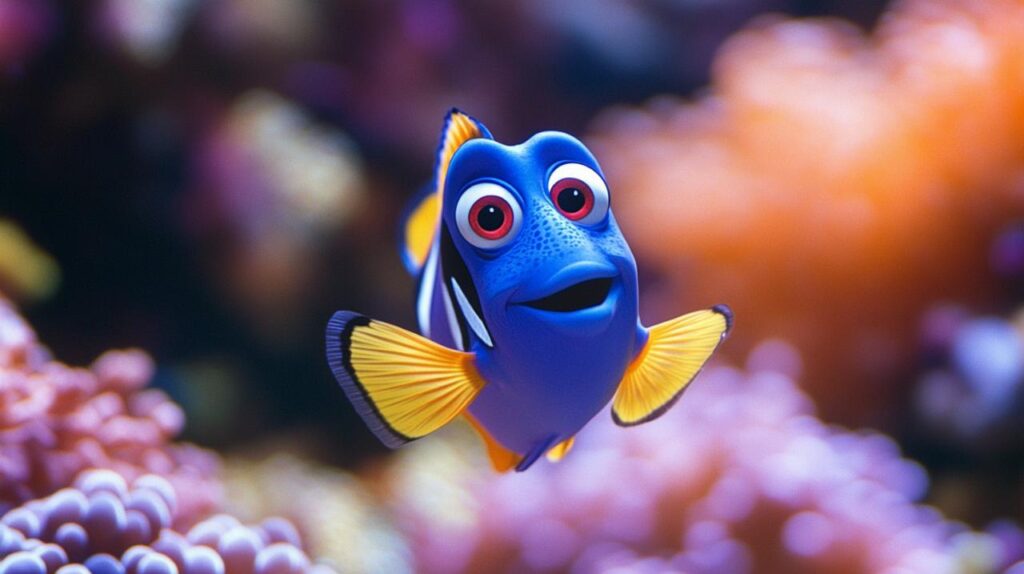
The unforgettable character of Dory, with her vibrant blue colouring and endearing personality, captured the hearts of audiences worldwide in Disney and Pixar's animated films. Her journey alongside Marlin and Nemo introduced viewers to a fascinating underwater world teeming with diverse marine life. Yet beyond the animation lies a real species that inspired this beloved character, offering a glimpse into the rich biodiversity of our oceans and the importance of preserving these delicate ecosystems for future generations.
Understanding the regal blue tang: dory's real-life counterpart
Scientific Classification and Physical Characteristics of Paracanthurus hepatus
Dory is a Regal Blue Tang fish, scientifically known as Paracanthurus hepatus, a species that inhabits coral reefs across tropical waters. This striking fish is immediately recognisable by its brilliant blue body adorned with bold black markings and a bright yellow tail, creating a vivid contrast that makes it stand out amongst the colourful tapestry of reef life. Blue tangs can grow up to twelve inches in length, a size that allows them to navigate the complex structures of coral formations with agility and grace. These fish often live in small groups, moving together through the reef in search of food and shelter, forming social bonds that help protect them from predators lurking in the shadows of the ocean.
The physical beauty of the Regal Blue Tang is matched by its ecological significance within reef ecosystems. Their streamlined bodies and sharp spines near the tail serve as natural defences against threats, whilst their vibrant colouration plays a role in communication and species recognition. Observers note that juveniles often display slightly different hues, with brighter yellow tones that gradually shift as they mature into adults. This transformation reflects the dynamic nature of marine life, where every stage of development is intricately linked to survival strategies honed over millennia of evolution in the vast expanse of ocean waters.
Natural Habitat and Distribution of Blue Tang Fish in Ocean Waters
The natural habitat of the Regal Blue Tang stretches across the Indo-Pacific region, encompassing areas such as the Hawaiian Islands, the Western Caribbean, and the Coral Triangle, which is renowned for its unparalleled marine biodiversity. These fish thrive in warm, shallow waters where coral reefs provide both sustenance and sanctuary. The intricate architecture of coral formations offers countless hiding spots for juveniles seeking protection from larger predators, whilst adults forage openly across the reef, grazing on algae that proliferate on coral surfaces. This behaviour not only sustains the blue tang but also contributes to the health of the reef itself, as their feeding habits help prevent algae overgrowth that could smother delicate coral polyps.
Coral reefs serve as crucial ecosystems for blue tangs, offering food, shelter, and breeding grounds essential for their survival. The reefs act as nurseries where young fish develop under the watchful presence of established communities, learning the rhythms of the ocean and the dangers that accompany life beneath the waves. However, the health of these habitats is increasingly threatened by warming oceans and pollution, factors that disrupt the delicate balance maintaining reef vitality. When coral reefs suffer damage, blue tangs face heightened risks as their food sources diminish and protective structures crumble, leaving them vulnerable to predation and environmental stress. Protecting these underwater landscapes is therefore vital not only for the survival of species like the Regal Blue Tang but also for the myriad of other organisms that depend on reefs for their existence.
Dory's Character in Finding Nemo and Finding Dory: Animation Meets Marine Biology
How Disney and Pixar Brought the Blue Tang to Life on Screen
Disney and Pixar's portrayal of Dory in the animated films showcases the remarkable ability of animators to blend artistic creativity with scientific observation. The filmmakers meticulously studied the behaviour and appearance of the Regal Blue Tang to ensure that Dory's on-screen presence reflected the true essence of her real-life counterpart. The bright blue hues, the distinctive black markings, and the graceful movements were all carefully crafted to capture the spirit of this ocean dweller. By translating the natural beauty of Paracanthurus hepatus into animation, the studios created a character that resonated with audiences whilst also sparking curiosity about marine biology and the creatures inhabiting our seas.
The success of Dory's character lies not only in her visual appeal but also in the emotional depth that the storytelling brings to her journey. Her interactions with Marlin and Nemo unfold against a backdrop of stunning ocean environments, showcasing the diversity of sea creatures that populate coral reefs and open waters. From schools of colourful fish darting through the currents to majestic rays gliding effortlessly above the seabed, the films paint a vivid picture of the interconnectedness of marine life. This artistic representation serves as both entertainment and education, inviting viewers to appreciate the wonders of the ocean whilst subtly emphasising the importance of conservation efforts to protect these fragile ecosystems.
The Significance of Dory's Short-Term Memory Loss in the Storyline
A defining aspect of Dory's character is her short-term memory loss, a trait that adds both humour and poignancy to the narrative. This condition shapes her interactions with other characters and drives much of the plot in both Finding Nemo and Finding Dory, as she navigates challenges whilst grappling with the inability to retain recent memories. The storytelling uses this characteristic to explore themes of resilience, friendship, and the determination to overcome obstacles despite inherent limitations. Dory's unwavering optimism and resourcefulness in the face of her memory struggles resonate with audiences, offering a message of hope and perseverance that transcends the animated medium.
The portrayal of Dory's memory loss also provides an opportunity to reflect on the complexities of cognitive challenges and the ways in which individuals adapt to their circumstances. Throughout her adventures, Dory relies on the support of friends and her own instincts to find her way, demonstrating that strength comes not only from individual capability but also from the bonds forged with others. This narrative thread enriches the films, transforming them into stories about identity, belonging, and the power of community. By weaving together elements of marine biology with deeply human themes, Disney and Pixar crafted a character whose impact extends far beyond the screen, inspiring conversations about both ocean conservation and the resilience of the spirit.
Marine life and conservation: what finding nemo teaches us about ocean creatures
The diverse sea creatures featured alongside dory, marlin, and nemo
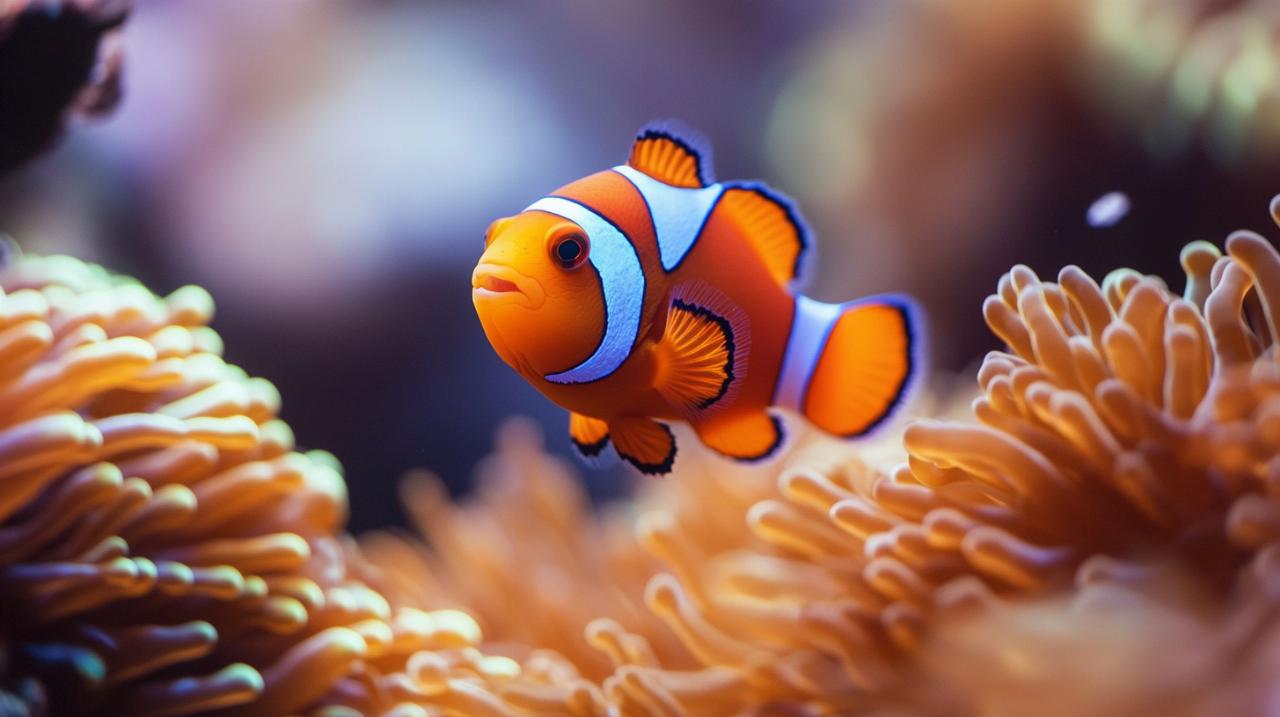
The films featuring Dory introduce audiences to a kaleidoscope of marine species, each contributing to the vibrant tapestry of life beneath the waves. Alongside the Regal Blue Tang, viewers encounter clownfish, sea turtles, rays, and a host of other reef inhabitants, each depicted with attention to their unique behaviours and ecological roles. This diverse cast of characters serves to illustrate the complexity of ocean ecosystems, where countless species coexist in delicate balance, relying on one another for survival. The portrayal of such variety underscores the richness of marine biodiversity and the importance of preserving habitats that support this intricate web of life.
By showcasing the interactions between different sea creatures, the films highlight the interdependence that characterises reef communities. Blue tangs, for instance, play a vital role in maintaining reef health by consuming algae, whilst other species contribute to the ecosystem through predation, symbiosis, or nutrient cycling. This interconnectedness means that the loss of one species can have cascading effects throughout the entire community, disrupting the balance that has evolved over countless generations. The animated representation of these relationships serves as a reminder of the fragility of ocean environments and the urgent need for conservation measures to protect the habitats upon which so many species depend.
Protecting blue tang species and their ocean environment
The Coral Reef Alliance and similar organisations work tirelessly to protect coral reefs through environmental stewardship and better protections for these vital ecosystems. Their mission encompasses efforts to ensure clean water, promote sustainable fisheries, and safeguard habitat from the myriad threats posed by human activity and climate change. Regions such as the Hawaiian Islands, the Western Caribbean, and the Coral Triangle are focal points for these initiatives, as they harbour some of the most diverse and productive reef systems on the planet. By addressing issues such as pollution, overfishing, and coastal development, conservation groups aim to create resilient ecosystems capable of withstanding the pressures of a rapidly changing world.
Blue tangs and other reef-dwelling species face significant risks from the degradation of their habitats. Warming oceans lead to coral bleaching events that strip reefs of the symbiotic algae upon which corals depend, resulting in widespread die-offs that leave the reef barren and lifeless. Pollution from agricultural runoff, plastic waste, and industrial discharge further compounds these challenges, introducing toxins and debris that harm marine life and disrupt reproductive cycles. Protecting coral reefs is therefore not only an environmental imperative but also a matter of supporting coastal communities that rely on healthy oceans for food, livelihoods, and cultural identity. The survival of species like the Regal Blue Tang is inextricably linked to the health of the reefs they call home, making conservation efforts essential for preserving marine biodiversity and the myriad benefits that thriving oceans provide to humanity.
The legacy of characters like Dory extends beyond entertainment, serving as ambassadors for ocean conservation and inspiring a new generation to appreciate and protect marine life. By bringing the beauty and complexity of the underwater world to audiences worldwide, these films have sparked interest in marine biology and raised awareness about the threats facing our oceans. The challenge now lies in translating that awareness into meaningful action, ensuring that the vibrant ecosystems depicted on screen continue to flourish in the real world for years to come.