
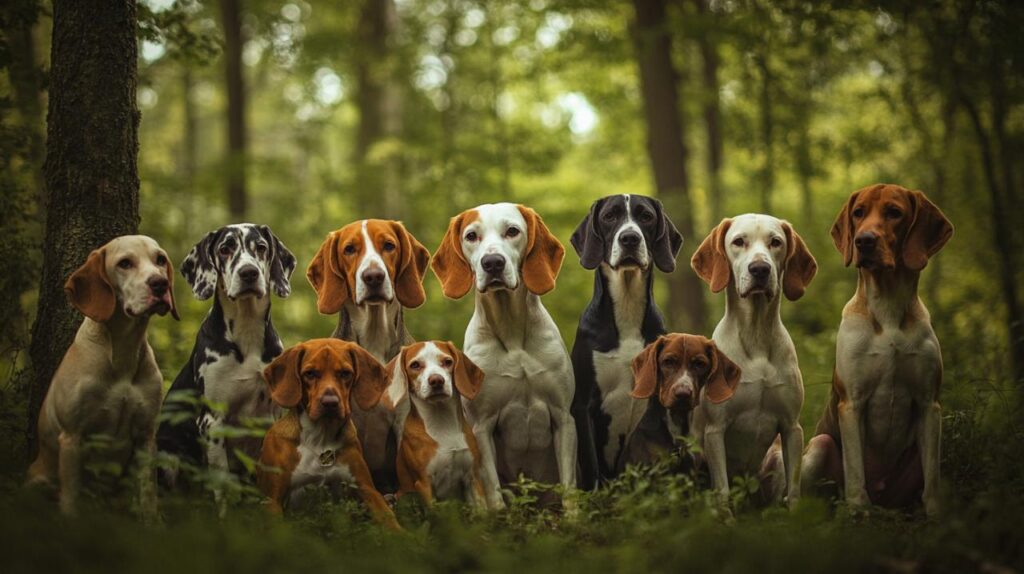
For centuries, hunting dogs have accompanied humans in the pursuit of game, fulfilling roles that range from tracking elusive prey to retrieving fallen birds. These remarkable canines, often referred to collectively as hounds, possess a suite of traits that make them indispensable companions in the field. From the Bloodhound's extraordinary olfactory prowess to the Beagle's tireless stamina, each breed brings something unique to the chase. Among this diverse group, the English Foxhound stands out as a paragon of traditional hunting excellence, embodying both the heritage and the physical attributes necessary for the demanding work of fox hunting.
Understanding hunting dogs: breeds and classifications
The hound group: traditional hunting companions
Hunting dogs, particularly those classified as scenthounds, rely on their remarkable sense of smell to locate and follow prey across vast distances. These animals are distinguished by their long ears, which help to channel scents toward their noses, and their exceptional endurance, allowing them to maintain pursuit over extended periods. The American Kennel Club recognises a substantial number of scenthound breeds, with twenty distinct varieties that include the American English Coonhound, Basset Hound, and the English Foxhound, amongst others. Beyond their traditional roles in the field, many of these breeds have adapted to modern activities such as agility trials and scent work, demonstrating their versatility and intelligence. The hound group is celebrated not only for its hunting capabilities but also for the loyalty and companionship these dogs provide to their handlers.
The heritage of scenthounds is deeply rooted in the practical needs of hunters who required reliable partners capable of tracking prey through dense woodland and across open moorland. Their breeding emphasised traits such as stamina, keen scenting ability, and a temperament suited to working in packs. As pack animals, these dogs thrive in social settings, often displaying a natural inclination to cooperate with both their canine companions and human handlers. This communal nature has been honed over generations, resulting in breeds that are not only effective hunters but also sociable dogs that integrate well into various environments. The combination of physical prowess and a cooperative spirit has ensured that hounds remain a vital component of hunting traditions around the world.
Distinguishing Bloodhounds, Beagles, and Foxhounds by Their Hunting Purpose
While all scenthounds share a common foundation in tracking prey, the specific purposes for which they were developed have led to notable differences among breeds. Bloodhounds, for instance, are renowned for their unparalleled ability to follow a scent trail over great distances and even after considerable time has elapsed, making them invaluable in search and rescue operations as well as law enforcement. Beagles, on the other hand, were bred for hunting smaller game such as rabbits and hares, and their compact size and energetic nature make them well suited to navigating dense undergrowth. Foxhounds, including both the American and English varieties, were specifically developed for the pursuit of foxes, with their breeding prioritising speed, endurance, and the ability to work effectively within a pack. Each of these breeds reflects the demands of the hunting environment they were designed to tackle, demonstrating the remarkable diversity within the hound group.
The distinction between these breeds extends beyond physical characteristics to encompass temperament and working style. Bloodhounds, with their methodical approach to tracking, often display a focused, determined demeanour that can border on stubbornness. Beagles are typically more exuberant and playful, traits that make them popular as companion dogs in addition to their hunting roles. Foxhounds, however, exhibit an independent temperament that reflects their history of operating within a pack rather than as individual pets. This independence can present challenges for training, as foxhounds may not bond as closely with individual humans as some other breeds. Understanding these differences is essential for prospective owners and hunters alike, as selecting the right breed depends on both the intended purpose and the capacity to meet the dog's unique needs.
The english foxhound: heritage and hunting excellence
Origins and Development of the English Foxhound Breed
The English Foxhound emerged from a long tradition of breeding dogs specifically for fox hunting, a pursuit that has been central to British rural culture for centuries. Historically, these hounds were employed in parforce hunts, a method that involved chasing foxes across open countryside with a pack of dogs leading the way. Although parforce hunting has been banned in the United Kingdom, the legacy of the English Foxhound endures through alternative activities such as drag hunting, where a scent trail is laid for the dogs to follow. The breed was refined over generations to produce a dog with the ideal combination of speed, stamina, and a keen sense of smell, traits that remain evident in the modern English Foxhound. This hunting heritage has shaped not only the physical attributes of the breed but also its temperament, resulting in a dog that is both athletic and sociable, yet retains a degree of independence that reflects its pack-oriented origins.
Throughout its development, the English Foxhound was bred to work harmoniously within a pack, a characteristic that continues to influence its behaviour today. Pack life is intrinsic to the breed, and these dogs thrive when they have the company of other hounds. This social nature, however, does not necessarily translate into a strong attachment to individual humans, which can make the English Foxhound less suited to the role of a traditional companion dog unless its exercise and social needs are adequately met. The breed's history is one of collaboration and collective effort, with each dog playing a vital role in the success of the hunt. This communal approach to work has been preserved through careful breeding, ensuring that the English Foxhound remains a testament to the skills and dedication of those who developed it.
Physical characteristics that make them superior hunters
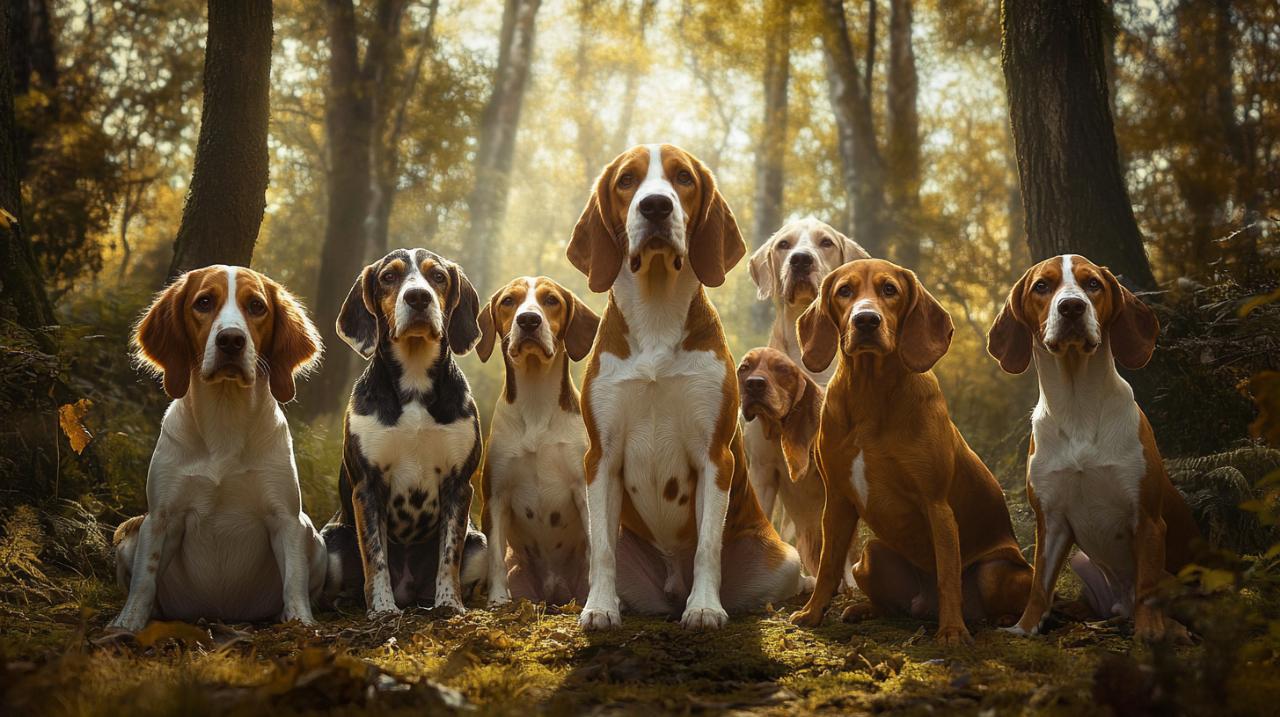
The English Foxhound is a striking example of form following function, with a physique that is purpose-built for the rigours of the hunt. Typically, these dogs reach a shoulder height of between fifty-eight and sixty-four centimetres and weigh approximately thirty to thirty-five kilograms, dimensions that provide both agility and power. Their deep chest accommodates large lungs, essential for sustaining prolonged periods of exertion, whilst their long legs enable them to cover ground quickly and efficiently. The breed's coat is short and can be found in a variety of colours, including white, white with black markings, or white with orange, all of which are well suited to outdoor work in varying weather conditions. These physical traits combine to create a dog that is not only capable of enduring long runs across challenging terrain but also possesses the stamina required to maintain pursuit over extended periods.
Beyond their muscular build and athletic proportions, English Foxhounds possess an excellent sense of smell, a characteristic that is fundamental to their role in tracking prey. Their long ears, a hallmark of scenthound breeds, serve to funnel scents towards the nose, enhancing their ability to detect and follow trails. This olfactory capability, combined with high endurance and a resilient constitution, makes the English Foxhound exceptionally well suited to the demands of fox hunting and related activities. The breed's physical characteristics are complemented by a coat that requires minimal grooming, though regular checks for parasites and attention to nail length remain important aspects of their care. For those involved in hunting or considering this breed for active pursuits, the English Foxhound represents a remarkable blend of athleticism, stamina, and sensory acuity.
Training and Working with Hunting Hounds
Essential skills: tracking and retrieving game
Training hunting dogs, particularly those in the hound group, revolves around honing their natural abilities to track and, in some cases, retrieve game. For scenthounds such as the English Foxhound, the primary skill lies in their capacity to follow a scent trail with precision and determination. This requires not only an excellent sense of smell but also the mental stamina to remain focused over long distances and extended periods. Training typically begins at a young age, with pups being introduced to scent work in controlled environments before progressing to more challenging outdoor settings. The aim is to reinforce the dog's instinct to follow a trail whilst ensuring they can work effectively within a pack, responding to cues from both their handlers and fellow hounds. Regular exercise and mental stimulation are crucial components of this training, as they help to maintain the dog's physical condition and prevent boredom, which can lead to undesirable behaviours.
In addition to tracking, some hunting dogs are trained to retrieve game, although this skill is more commonly associated with breeds outside the hound group, such as spaniels and retrievers. For hounds, the emphasis remains on locating and pursuing prey rather than bringing it back to the handler. Nevertheless, the principles of training are similar across breeds, relying on positive reinforcement and consistency to develop reliable behaviour. For the English Foxhound, whose independent temperament can make training more challenging, patience and experience are essential. These dogs do not bond as readily with individual humans as some other breeds, and their training must account for this characteristic by focusing on the pack dynamic and the inherent rewards of the hunt itself. Experienced owners who understand the nuances of hound behaviour are best placed to bring out the full potential of these remarkable dogs.
Modern applications of traditional hunting dog training methods
Whilst the traditional role of hunting dogs remains relevant in rural communities and among those who participate in drag hunting and similar activities, modern applications of hound training have expanded to include a variety of dog sports and recreational pursuits. The American Kennel Club, established in 1884, has been instrumental in promoting activities such as agility, scent work, and tracking trials, all of which draw on the natural abilities of scenthounds. These pursuits offer an outlet for the energy and instincts of breeds like the English Foxhound, providing mental and physical challenges that are essential for their wellbeing. Participation in such activities not only helps to maintain the dog's fitness but also strengthens the bond between handler and hound, even in breeds that are naturally more independent.
For owners who do not engage in traditional hunting, these modern applications provide a valuable means of channelling the talents of their dogs in a constructive manner. Regular exercise and opportunities for mental stimulation are particularly important for the English Foxhound, a breed that requires ample space and activity to remain healthy and content. Without sufficient engagement, these dogs may become restless or develop behavioural issues, underscoring the need for prospective owners to carefully consider whether they can meet the breed's demands. Health issues such as osteoarthritis, hip dysplasia, heart murmurs, and kidney disease are also concerns for the breed, with a typical lifespan of thirteen to fourteen years. A meat-based diet is recommended, with energy needs increasing on days when the dog is engaged in prolonged physical activity. Grooming requirements are relatively minimal, though regular parasite checks and attention to nail care remain important. For those prepared to invest the time and effort, the English Foxhound can be a rewarding companion, embodying both the rich heritage of hunting dogs and the versatility that has allowed these breeds to thrive in modern times.