
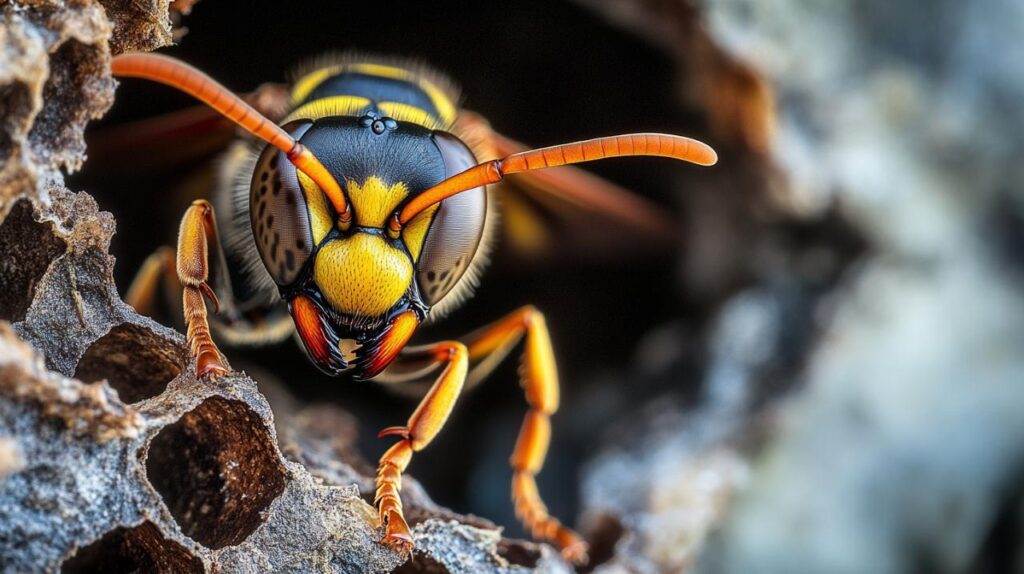
The construction of a hornet's nest is a fascinating biological process that unfolds in stages throughout the warmer months. From the moment a solitary queen emerges from hibernation to the point when a bustling colony occupies a fully developed structure, the timeline and techniques involved reveal the remarkable industriousness of these insects. Understanding how long it takes for hornets to build their nests, and recognising the key phases of their life cycle, is essential for homeowners and pest control professionals alike. This knowledge not only demystifies the rapid growth of these papery fortresses but also informs the best strategies for managing them safely and effectively.
The Spring Awakening: Primary Phase of Hornet's Nest Construction and Timeline
Queen Hornet Emergence and Initial Nest Foundation in Early Spring
As the chill of winter recedes and the first warm days of spring arrive, queen hornets emerge from their hibernation sites to begin the critical task of establishing a new colony. These solitary queens are the sole survivors of the previous year's colony, having mated before the onset of cold weather. Their primary objective upon waking is to find a suitable location for a nest, often in sheltered spots such as lofts, roof eaves, hollow trees, or even garden sheds. The queen begins her work alone, meticulously constructing the initial cells of the nest using a papery substance she creates by chewing wood fibres and mixing them with her saliva. This early structure typically begins with a modest cluster of around ten to twelve cells, each designed to house a single egg. The queen's diligence during this period is crucial, as she must lay her first batch of eggs and nurture them through their early development stages without the assistance of any workers. This solitary phase of nest building is relatively brief but foundational, setting the stage for the exponential growth that will follow once the first generation of workers matures.
Material Selection and Building Techniques During the Primary Construction Period
The materials and methods employed by the queen during the primary construction phase are both resourceful and efficient. Hornets are known for their use of weathered wood, which they scrape from fence posts, tree bark, and wooden structures. By grinding these fibres with their mandibles and blending them with saliva, they create a papery pulp that dries into the distinctive grey or brown layers of the nest. This paper-like substance is remarkably strong and water-resistant, providing excellent insulation for the developing larvae inside. The queen carefully layers the pulp to form hexagonal cells, a design that maximises space and structural integrity. During this early spring period, the nest remains small and inconspicuous, often no larger than a walnut or golf ball. The queen's focus is on creating a secure environment for her first brood, which will emerge as sterile female workers in a matter of weeks. These initial workers will then take over the bulk of the nest-building duties, allowing the queen to concentrate solely on egg-laying. The transition from the primary phase to the secondary phase marks a significant acceleration in nest development, as the workforce multiplies and the structure expands rapidly.
Colony Expansion: Secondary Phase and Worker Hornet Contributions to Nest Development
Worker Hornet Roles and Their Impact on Construction Speed Throughout Summer
Once the first generation of worker hornets emerges, the pace of nest construction intensifies dramatically. These sterile females assume all foraging, building, and defence responsibilities, enabling the queen to devote her energy entirely to laying eggs. The workers are tireless in their efforts, venturing out to gather wood fibres, hunt for protein to feed the growing larvae, and expand the nest structure. During the summer months, the colony can swell to include hundreds or even thousands of individuals, depending on the species and environmental conditions. European hornets and Asian hornets, both of which can be found in the United Kingdom, exhibit slightly different growth patterns, but both follow the same fundamental trajectory of rapid expansion during the warmer season. The workers add new layers to the nest, often encasing it in a protective outer envelope that shields the internal cells from the elements. This outer shell is constructed from the same papery material, but it is layered in such a way as to provide insulation and camouflage. The nest can grow to the size of a football or larger by midsummer, and the sheer number of hornets coming and going makes it a formidable and potentially dangerous structure. Professional pest control services often note that summer is the peak period for intervention, as nests become more aggressive and pose greater risks to residents and pets.
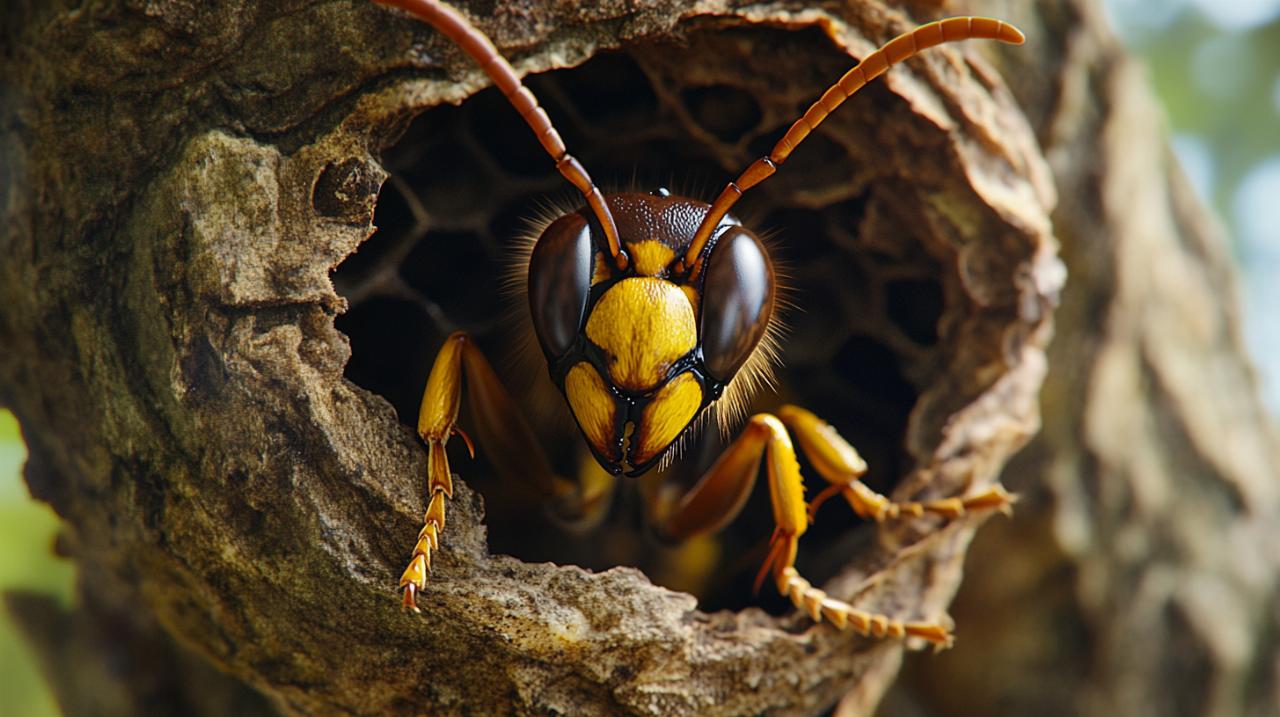
Colony Size Growth and Nest Expansion Patterns Across European and Asian Species
The rate and extent of colony growth can vary significantly between European and Asian hornet species. European hornets, which are native to the continent and have long been established in parts of the UK, typically build nests that house several hundred individuals at their peak. Asian hornets, an invasive species that has been spreading across parts of Europe, can produce colonies of similar or even greater size, and their nests are often located higher in trees, making them harder to detect and remove. Both species follow a similar developmental timeline, with the primary phase beginning in April or May and the secondary phase extending through June, July, and August. By late summer, the nest may contain multiple tiers of cells, with each tier representing a new generation of workers and, eventually, reproductive males and new queens. The expansion patterns are influenced by factors such as food availability, weather conditions, and the initial success of the queen's early brood. In areas with abundant food sources and mild weather, nests can reach their maximum size more quickly and support larger populations. This rapid growth underscores the importance of early detection and timely intervention, as a small nest discovered in spring can be far easier and safer to manage than a fully developed structure teeming with defensive workers in late summer.
Life Cycle Stages and Safe Intervention: From Spring Construction to Nest Removal Options
Understanding the Complete Life Cycle and Optimal Timing for Nest Management
The life cycle of a hornet colony is a carefully orchestrated sequence that begins with the queen's awakening in spring and concludes with the dispersal of new queens in autumn. After the queen establishes the initial nest and raises her first workers, the colony enters a phase of intense activity throughout the summer. Workers continually expand the nest, feed larvae, and defend the colony against threats. By late summer, the queen begins to produce reproductive males and new queens, which will mate and then leave the nest. As autumn approaches, food sources dwindle, and the colony's focus shifts from growth to survival. Workers become more aggressive in their search for sugary foods, often leading them into homes and gardens in greater numbers. By the time winter arrives, the old queen and her workers die off, leaving only the newly mated queens to hibernate and start the cycle anew the following spring. Importantly, hornet nests are not reused. Once abandoned, the papery structure gradually deteriorates over the winter months, although new queens may establish nests in the same vicinity if conditions are favourable. For homeowners, understanding this lifecycle is critical for determining the optimal timing for nest management. Spring and early summer offer the best window for professional removal, as nests are smaller and colonies are less aggressive. Attempting to treat a nest during peak summer activity, especially without proper training and equipment, can result in dangerous encounters. Certified professionals, such as those adhered to standards set by the British Pest Control Association, are equipped to assess the situation, identify the species, and carry out safe and effective treatments.
Professional Destruction Methods and Material Breakdown of Hornet's Nests
When it comes to removing or destroying a hornet's nest, professional intervention is strongly recommended to ensure safety and effectiveness. Pest control experts employ a range of methods tailored to the nest's location, size, and the species involved. Treatments typically involve the application of insecticidal sprays or dusts directly into the nest entrance, which rapidly incapacitate the inhabitants. In some cases, physical removal of the nest may follow once the colony has been neutralised. It is crucial that children and pets are kept indoors during treatment to avoid any risk of stings, as hornets can become highly aggressive when their nest is threatened. Many pest control services offer guarantees on their work and provide detailed advice on preventing future infestations. The cost of professional treatment can vary, but many providers offer competitive pricing for initial treatments and reduced rates for secondary nests treated on the same day. Payment is typically due upon completion, and no additional charges such as value-added tax may apply in certain cases. Homeowners are strongly advised not to attempt DIY treatments using shop-bought products, as these can provoke the colony and increase the risk of multiple stings. Once the nest has been treated and the colony is no longer active, the structure itself begins to break down over time. The papery material, composed of chewed wood fibres, gradually disintegrates under the influence of moisture and weather, leaving little trace by the following spring. Understanding the materials and methods involved in both nest construction and destruction provides valuable insight into managing these formidable insects, ensuring that homes and gardens remain safe throughout the year. Services are available seven days a week in many regions across the UK, including Teesside, Yorkshire, Cambridgeshire, and Essex, offering peace of mind and expert support when it is needed most.