
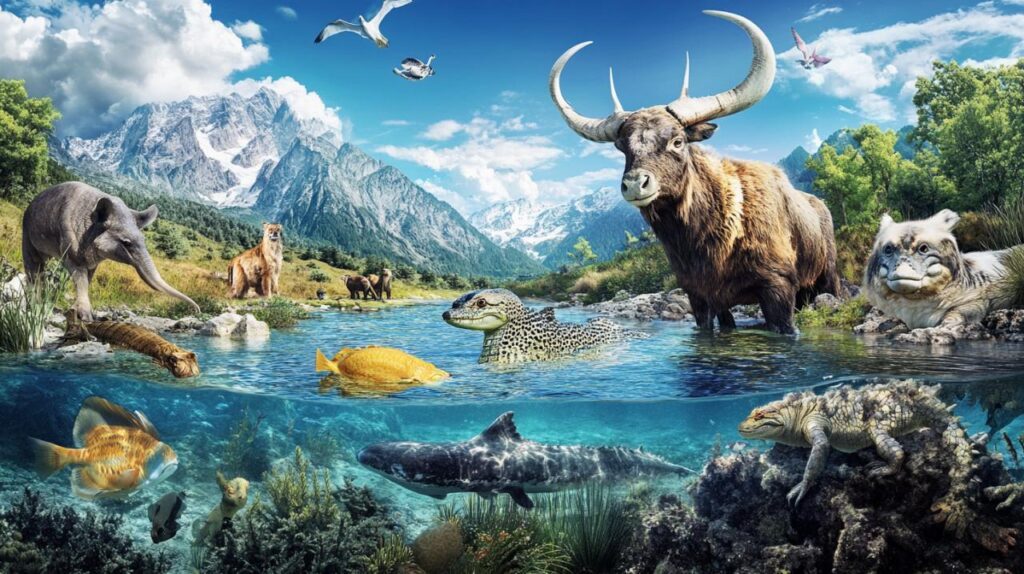
Exploring the animal kingdom reveals a fascinating array of creatures whose names begin with the letter Y, a collection that spans continents and ecosystems. From the rugged highlands of Asia to the coastal regions of Australia and the biodiverse wetlands of South America, these species represent a remarkable spectrum of life forms. Understanding their roles within their respective environments not only enriches our appreciation of nature but also underscores the importance of conservation efforts aimed at preserving biodiversity for generations to come.
Discovering diverse species: from yaks to yabbies
Terrestrial creatures: yorkshire terriers and wild yaks
The terrestrial realm offers a captivating variety of mammals that begin with the letter Y, each adapted to unique habitats and climates. The domestic yak, scientifically known as Bos grunniens, thrives in the high-altitude regions of Asia, where it has been a vital companion to human communities for centuries. These sturdy animals are well suited to harsh conditions, providing milk, meat, and wool whilst also serving as beasts of burden across mountainous terrain. Their importance extends beyond mere utility, as yaks are deeply intertwined with the cultural heritage of the regions they inhabit.
In stark contrast, the Yorkshire Terrier represents a beloved domestic breed originating from the United Kingdom. Though small in stature, this breed is renowned for its spirited personality and luxurious coat. As a domesticated animal, the Yorkshire Terrier enjoys a conservation status that reflects its widespread popularity and stable breeding programmes. Meanwhile, the wild relatives of domesticated species continue to roam freely in their natural habitats, such as the yellow mongoose found across the African continent. This agile predator, classified as least concern by conservation organisations, plays a crucial role in controlling insect and small vertebrate populations within its ecosystem.
Further afield, the yellow-throated marten inhabits the forests of Asia, where it demonstrates remarkable adaptability and intelligence. This mammal, also categorised as least concern, showcases the resilience of certain species despite ongoing environmental pressures. Similarly, the yellow-winged bat, a denizen of Africa, contributes to the ecological balance by consuming vast quantities of insects during nocturnal flights. These examples illustrate the diversity of terrestrial life forms that share a common initial letter yet occupy vastly different ecological niches.
Aquatic and Invertebrate Varieties: Yabbies and Yellowjackets
Aquatic environments and invertebrate communities also harbour intriguing species beginning with Y, each fulfilling essential roles within their respective ecosystems. The common yabby, known scientifically as Cherax destructor, is a freshwater crustacean native to Australia. This species, currently classified as vulnerable, faces challenges related to habitat degradation and water quality changes. Yabbies are valued both ecologically and economically, serving as a food source for various predators whilst also being harvested for human consumption. Their presence in rivers and streams acts as an indicator of environmental health, making their conservation a priority for maintaining aquatic biodiversity.
Yellowjackets, on the other hand, belong to the world of invertebrates and are recognised for their distinctive black and yellow markings. These social wasps play a dual role in nature, acting as both pollinators and predators of other insects. Although often perceived as pests due to their defensive behaviour near nests, yellowjackets contribute significantly to pest control within agricultural and natural settings. Their colonies demonstrate complex social structures, with thousands of individuals working cooperatively to ensure the survival of the group. Understanding the ecological significance of such invertebrates enhances our broader comprehension of the animal kingdom and its intricate web of interactions.
Wildlife Encounters: Yacare Caimans and Howler Monkeys in Their Natural Habitats
Reptilian residents: the yacare caiman's role in ecosystems
Reptiles add another dimension to the catalogue of animals beginning with Y, with the yacare caiman standing out as a notable example. This species, scientifically termed Caiman yacare, inhabits the wetlands and river systems of South America, where it serves as an apex predator. Despite its formidable appearance, the yacare caiman holds a conservation status of least concern, reflecting relatively stable population numbers across its range. These caimans regulate fish and amphibian populations, thereby maintaining the ecological balance of their aquatic habitats.
The yacare caiman's behaviour and habitat preferences offer valuable insights into the health of wetland ecosystems. As indicators of environmental quality, their presence signals the availability of clean water and abundant prey. Conservation programmes aimed at protecting these reptiles often extend to safeguarding entire habitats, benefiting countless other species that share the same environment. The interconnectedness of species within such ecosystems highlights the importance of holistic conservation strategies that consider the needs of multiple organisms rather than focusing solely on individual species.
Primate populations: understanding howler monkey behaviour
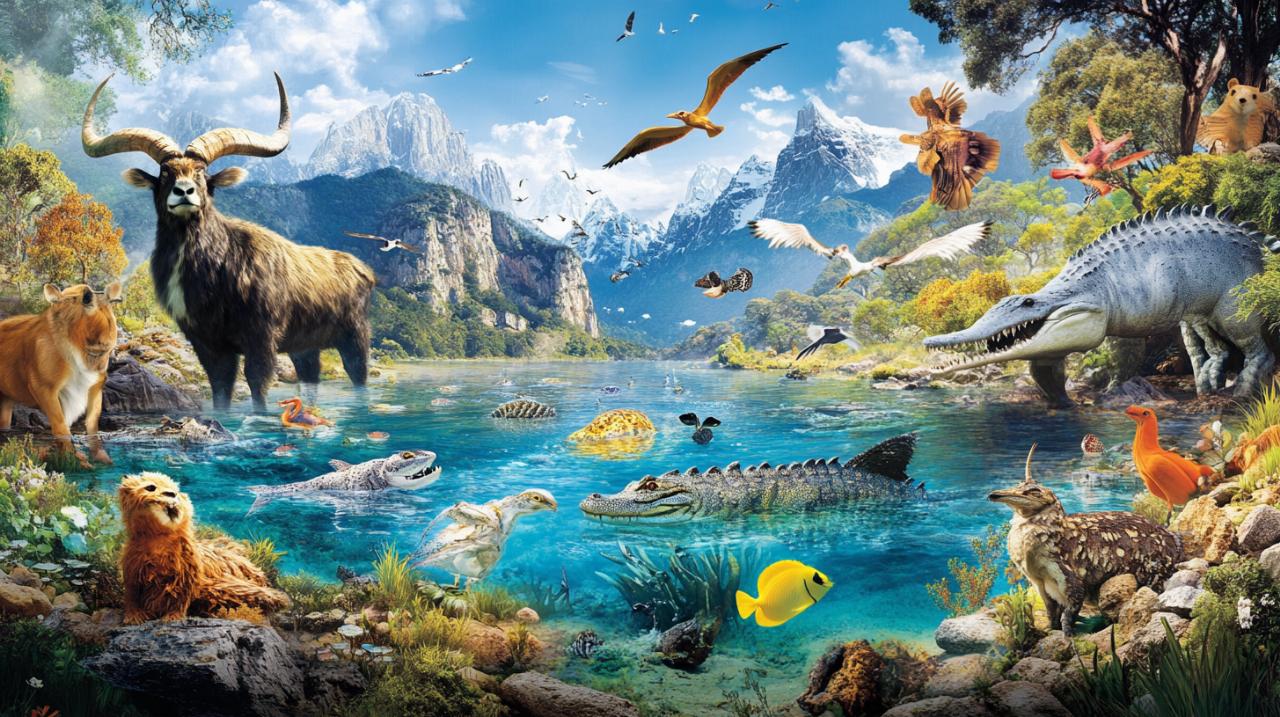
Primates, though not exclusively starting with Y, often coexist with many of the species discussed here, particularly in biodiverse regions such as South America. Howler monkeys, for instance, are frequently observed in the same habitats as yacare caimans, where dense forests meet waterways. These primates are renowned for their distinctive vocalisations, which can be heard echoing through the canopy at dawn and dusk. Howler monkeys play a vital role in seed dispersal, contributing to forest regeneration and the maintenance of plant diversity.
Understanding the behaviour and ecological roles of such primates enriches our broader appreciation of wildlife interactions. Although howler monkeys themselves do not begin with Y, their presence in ecosystems alongside species such as the yacare caiman underscores the complexity of natural communities. Observing these animals in their natural habitats provides researchers and conservationists with critical data on population health, habitat requirements, and the impacts of environmental change. Such information is essential for developing effective conservation strategies that address the needs of entire ecosystems rather than isolated species.
Conservation priorities: safeguarding biodiversity for future generations
Preservation programmes: protecting endangered y-named species
Conservation efforts targeting animals that start with Y are critical for maintaining global biodiversity, particularly for species facing significant threats. The yellow-eyed penguin, scientifically known as Megadyptes antipodes, represents one of the most urgent cases. This endangered bird, native to New Zealand, numbers fewer than two thousand breeding pairs, making it one of the rarest penguin species in the world. Habitat loss, predation by introduced species, and climate change have all contributed to its declining population. Preservation programmes focus on protecting nesting sites, controlling predators, and monitoring breeding success to ensure the species' survival.
Similarly, the common yabby, classified as vulnerable, benefits from targeted conservation initiatives aimed at restoring freshwater habitats and improving water quality. These efforts often involve collaboration between governmental agencies, environmental organisations, and local communities. By addressing the root causes of habitat degradation, such programmes aim to create sustainable environments where vulnerable species can recover and thrive. The success of such initiatives not only benefits the target species but also enhances the overall health and resilience of ecosystems.
Other species, such as the yellow-backed duiker, face near-threatened status due to habitat fragmentation and hunting pressures. This mammal, found in the forests of Africa, requires large, undisturbed territories to sustain viable populations. Conservation strategies for the yellow-backed duiker include establishing protected areas, enforcing anti-poaching laws, and promoting sustainable land-use practices. These multifaceted approaches recognise that effective conservation must address both immediate threats and long-term sustainability.
Community engagement: ying shanghai's approach to wildlife conservation
Community engagement plays a pivotal role in conservation efforts, particularly in regions where human activities intersect with wildlife habitats. Although Ying Shanghai may not be a widely recognised conservation hub, the principles of community-based conservation are universally applicable. Engaging local populations in wildlife protection initiatives fosters a sense of ownership and responsibility, leading to more sustainable outcomes. Educational programmes that highlight the ecological and economic value of biodiversity encourage communities to participate actively in conservation efforts.
In many regions, local knowledge and traditional practices offer valuable insights into sustainable resource management. By incorporating such knowledge into formal conservation strategies, programmes can become more culturally relevant and effective. Community-led monitoring projects, for instance, empower residents to track wildlife populations and report threats, creating an early warning system for conservation challenges. This collaborative approach not only enhances the effectiveness of conservation efforts but also builds resilience within communities facing environmental change.
Furthermore, promoting eco-tourism and sustainable livelihoods linked to wildlife conservation can provide economic incentives for protecting natural habitats. When communities benefit directly from the presence of healthy wildlife populations, they are more likely to support conservation initiatives. This model has proven successful in various parts of the world, demonstrating that conservation and community development can go hand in hand. By fostering partnerships between scientists, policymakers, and local communities, conservation programmes can achieve lasting success and safeguard biodiversity for future generations.