
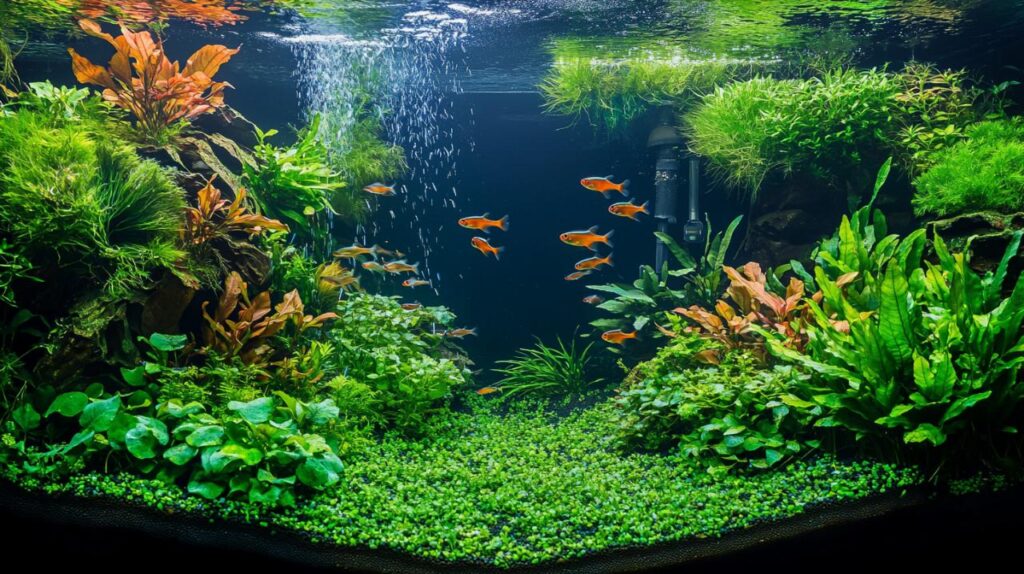
Transforming an aquarium into a thriving aquatic ecosystem requires more than just the right fish and equipment. The selection of plants plays a pivotal role in maintaining a healthy environment, and fast-growing varieties offer a host of benefits that appeal to both novice and seasoned aquarists. These dynamic species not only enhance the visual appeal of your tank but also contribute significantly to water quality, algae control, and the overall well-being of your aquatic inhabitants. Whether you are setting up your first freshwater aquarium or seeking to optimise an established setup, understanding the characteristics and advantages of fast-growing plants is essential for achieving aquatic success.
Understanding fast-growing aquarium plants and their benefits
Fast-growing aquarium plants are distinguished by their remarkable ability to develop and propagate at an accelerated pace compared to their slower counterparts. This rapid growth is typically driven by a combination of factors including efficient nutrient absorption, adaptability to various water conditions, and robust metabolic processes. These plants are often characterised by their vigorous stem structures or expansive root systems that enable them to thrive even in less-than-ideal environments. The appeal of such species lies in their capacity to quickly establish themselves, creating lush greenery that transforms a bare tank into a vibrant underwater landscape within a short period.
What makes certain aquarium plants grow rapidly
The secret behind the swift development of certain aquarium plants lies in their inherent biological traits and environmental preferences. Many fast-growing species possess highly efficient chloroplasts that maximise photosynthesis, allowing them to convert light and carbon dioxide into energy more effectively. Additionally, these plants often have extensive root systems that facilitate superior nutrient uptake from the substrate and water column. Species such as those belonging to the Hygrophila and Limnophila families demonstrate this trait remarkably well, as they are equipped to absorb excess nitrogen and phosphorus, which are common contributors to algae blooms. The combination of favourable lighting, consistent temperature, and adequate nutrient availability further accelerates their growth, making them ideal candidates for aquarists seeking rapid establishment and ongoing vitality in their aquatic displays.
Advantages of Fast-Growing Species in Freshwater Aquariums
Incorporating fast-growing plants into your freshwater aquarium yields a multitude of advantages that extend beyond mere aesthetics. One of the most significant benefits is their role in managing algae proliferation. By rapidly consuming excess nutrients such as nitrates and phosphates, these plants effectively outcompete algae for resources, thereby reducing unwanted green growth and maintaining water clarity. Furthermore, fast-growing varieties contribute to improved water quality by absorbing harmful compounds and releasing oxygen during photosynthesis, which is crucial for the health of fish and invertebrates. These plants also provide essential cover and breeding environments for aquatic fauna, offering safe havens for fry and shy species. The ease of maintenance associated with many fast-growing species makes them particularly appealing to beginners, who can enjoy a thriving planted tank without the need for complex care routines or advanced equipment.
Top 10 fast-growing plants for your aquatic environment
Selecting the right plants for your aquarium involves considering both the aesthetic appeal and the practical benefits they offer. The following selection highlights some of the most popular and effective fast-growing species that cater to a range of experience levels and tank setups. Each plant brings unique qualities that enhance the overall health and beauty of your aquatic environment, ensuring that your aquarium remains a source of pride and enjoyment.
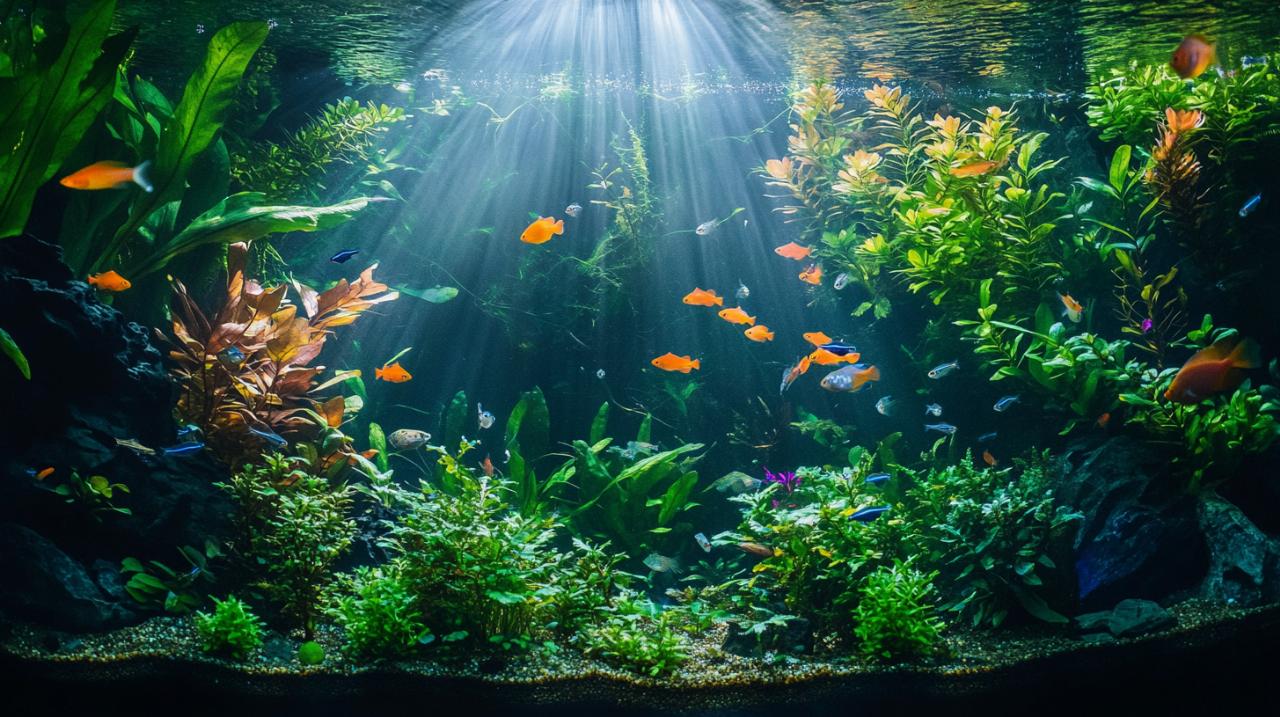
Limnophila and Hygrophila: Vigorous Stem Plants for Beginners
Among the most celebrated fast-growing stem plants are Limnophila and Hygrophila, both of which are highly recommended for beginners due to their forgiving nature and rapid development. Limnophila species, often referred to as ambulia, are known for their feathery leaves and vibrant green hue, which add a soft texture to the aquarium. These plants thrive in a variety of water conditions and are particularly effective at absorbing nutrients, making them excellent allies in the battle against algae. Hygrophila difformis, commonly known as water wisteria, is another standout option that grows at an impressive rate, sometimes reaching several inches per week under optimal conditions. Its ease of care and striking foliage make it a favourite among hobbyists looking to achieve a lush planted tank with minimal effort. Both Limnophila and Hygrophila benefit from moderate to high lighting and regular pruning to maintain their shape and prevent overcrowding.
Cryptocoryne and Other Rapid Growers for Experienced Aquarists
For those with more experience in aquascaping, Cryptocoryne species offer a blend of beauty and resilience that appeals to discerning aquarists. Cryptocoryne wendtii and Cryptocoryne lutea are particularly noteworthy for their low maintenance requirements and ability to adapt to a wide range of water parameters. While they may not grow as rapidly as stem plants, their steady development and attractive foliage make them valuable additions to any planted aquarium. Cryptocoryne species benefit from the addition of root tabs, which provide essential nutrients directly to their root systems, ensuring robust growth and vibrant coloration. Beyond Cryptocoryne, other rapid growers such as Vallisneria gigantea and Bacopa caroliniana are excellent choices for experienced aquarists seeking to create dynamic and layered aquascapes. Vallisneria, with its tall, grass-like leaves, is ideal for creating striking backdrops, while Bacopa caroliniana offers beautiful green foliage that flourishes with the addition of carbon dioxide supplementation. These plants not only enhance the visual complexity of the aquarium but also contribute to a balanced ecosystem by consuming excess nutrients and providing oxygen.
Creating optimal conditions for maximum plant growth
Achieving the full potential of fast-growing aquarium plants requires careful attention to environmental conditions. From lighting and temperature to water quality and nutrient management, each factor plays a critical role in supporting vigorous growth and maintaining the health of your aquatic plants. By understanding and optimising these parameters, you can create an environment that fosters lush, thriving greenery and a balanced ecosystem that benefits all inhabitants of your aquarium.
Lighting Requirements and Temperature Parameters for Aquatic Plants
Lighting is one of the most crucial elements in promoting the rapid growth of aquarium plants. Most fast-growing species require moderate to high levels of light to support photosynthesis and energy production. Full-spectrum LED lights are often recommended, as they provide the broad range of wavelengths necessary for healthy plant development while being energy-efficient and long-lasting. The intensity and duration of lighting should be tailored to the specific needs of your plants, with many species thriving under ten to twelve hours of illumination per day. Temperature is another vital consideration, as aquatic plants generally prefer stable conditions within a range that suits both the flora and fauna in your tank. For most tropical species, maintaining a temperature between twenty-two and twenty-eight degrees Celsius ensures optimal metabolic activity and growth. Sudden fluctuations or prolonged exposure to temperatures outside this range can stress plants, leading to stunted growth or even die-off. By carefully monitoring and adjusting lighting and temperature, you can create an environment that maximises the growth potential of your fast-growing plants.
Water Quality and Nutrient Management in Planted Aquariums
Water quality is the foundation of a thriving planted aquarium, and maintaining optimal conditions is essential for supporting fast-growing species. Regular testing of pH, hardness, and ammonia levels helps ensure that your tank remains within the ideal parameters for both plants and fish. Most aquatic plants prefer slightly acidic to neutral pH levels, typically ranging from six point five to seven point five, though some species are more adaptable. Nutrient management is equally important, as fast-growing plants have high demands for macronutrients such as nitrogen, phosphorus, and potassium, as well as micronutrients like iron and magnesium. Liquid fertilisers and root tabs are commonly used to supplement these nutrients, ensuring that plants receive a consistent supply to support their rapid development. Carbon dioxide supplementation can further enhance growth, particularly for species like Bacopa caroliniana and certain stem plants, by providing an additional source of carbon for photosynthesis. However, it is important to balance nutrient levels carefully to avoid algae outbreaks, which can occur when excess nutrients are not fully consumed by plants. Regular water changes and the use of efficient filtration systems help maintain water quality and remove waste products, creating a clean and healthy environment for your aquatic plants to flourish.