
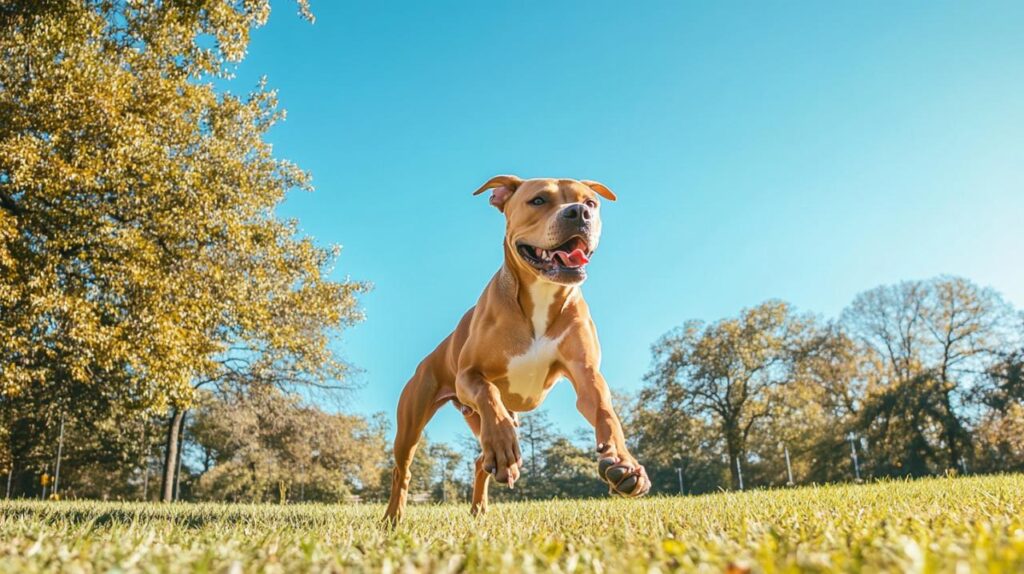
Developing a well-muscled physique in your canine companion is not merely an aesthetic pursuit but a comprehensive approach to enhancing overall health, vitality, and longevity. A robust muscular system supports joint health, prevents injuries, and combats the natural decline in muscle mass that accompanies ageing. By combining a carefully planned diet rich in essential nutrients with a tailored exercise programme, you can significantly improve your dog's physical condition. This guide explores the science behind canine muscle development, outlines specific exercise routines designed to build strength and endurance, and emphasises the importance of veterinary oversight to ensure a safe and effective fitness journey for your beloved pet.
Understanding canine muscle development and nutritional requirements
The science behind building muscle mass in dogs
Muscle growth in dogs operates on principles similar to those in humans, relying on a combination of targeted physical activity and adequate nutritional support. When a dog engages in strength-building exercises, the muscle fibres experience microscopic damage that the body repairs during rest periods, leading to increased muscle mass and tone. This process, known as hypertrophy, requires not only consistent training but also sufficient recovery time to allow the muscles to rebuild stronger than before. Rest and recovery are as critical as the training itself, as overworking without adequate downtime can lead to fatigue and even injury. The immune system also benefits from regular exercise, becoming more resilient and better equipped to fight off illness. Mental stimulation through varied exercises further enhances a dog's overall well-being, providing focus and problem-solving opportunities that keep the mind sharp alongside the body.
Essential Protein Sources and Dietary Considerations for Muscular Growth
A diet abundant in high-quality protein forms the cornerstone of any muscle-building programme for dogs. Proteins provide the amino acids necessary for repairing and constructing muscle tissue, making them indispensable for canines undergoing strength training. Meat-based diets that exclude fillers such as corn, soy, and by-products are highly recommended, as they deliver superior nutritional value and are more readily digestible. Dividing daily food intake into two meals can optimise nutrient absorption and energy levels throughout the day. Incorporating specialised supplements, such as muscle-building powders derived from fertilised chicken egg yolk, can further support muscle development, reduce muscle loss, and accelerate recovery after strenuous activity. These supplements have been shown to enhance muscle tone and overall physical performance when combined with a balanced diet. Always ensure your dog has access to plenty of fresh water, particularly during and after exercise, to maintain hydration and support metabolic processes. Consulting with a veterinary professional to tailor the diet to your dog's specific breed, age, and activity level is essential for achieving optimal results while safeguarding their health.
Targeted exercise routines for canine muscle building
Hill sprints and incline training techniques
Hill sprints and incline training are among the most effective methods for building powerful leg muscles and improving cardiovascular endurance in dogs. Walking or running on an incline forces the muscles to work harder against gravity, which stimulates muscle growth and enhances overall stamina. For dogs new to this type of training, it is advisable to start with gentle slopes and gradually increase the steepness as their fitness improves. Stair climbing offers a similar benefit, engaging the muscles of the legs and core while also providing a vigorous cardiovascular workout. However, this exercise should be avoided for dogs with pre-existing back issues or joint problems, as the repetitive motion can exacerbate these conditions. Walking on sand or through shallow water provides a different form of resistance that challenges the muscles in new ways, promoting balanced development and reducing the risk of overuse injuries. Consistency is key when incorporating incline training into your dog's routine, and sessions should be tailored to the individual animal's fitness level and overall health.
Supervised weight-pulling and resistance activities
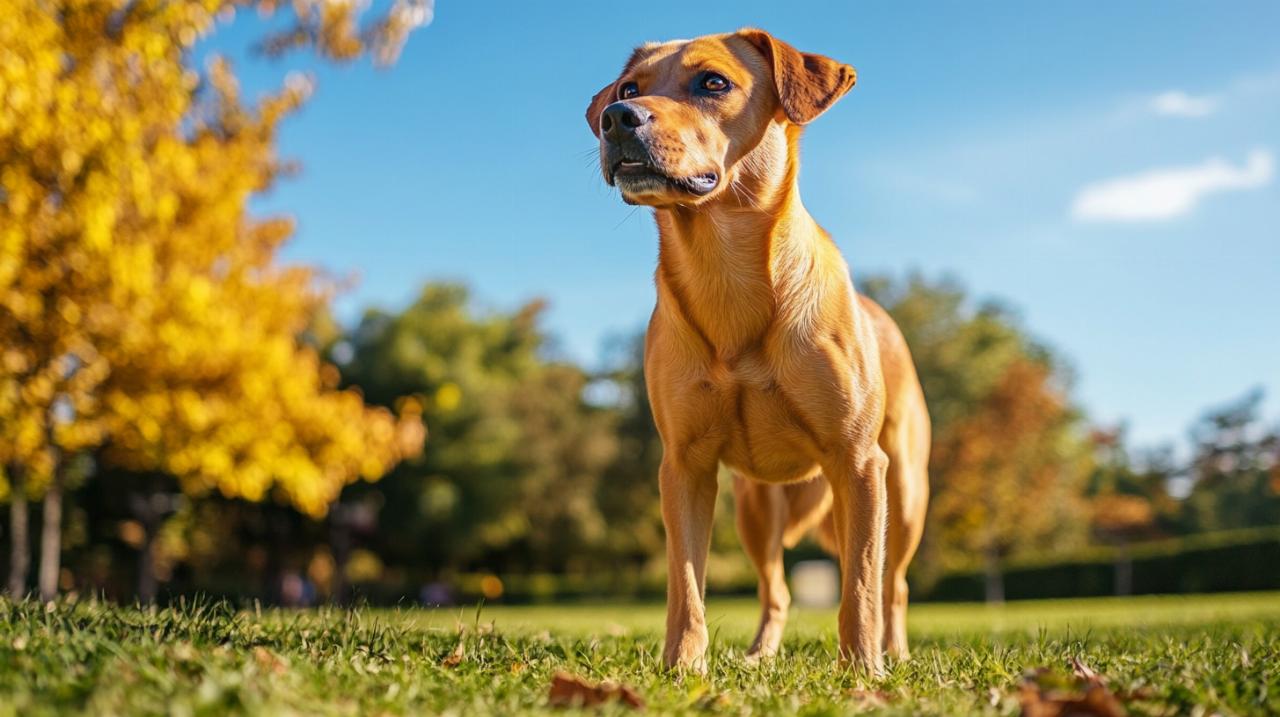
Weight-pulling is a classic strength-building exercise that can significantly enhance a dog's muscular power when performed correctly and safely. Using a properly fitted harness designed for pulling is essential to distribute the weight evenly and prevent injury. Begin with light loads and gradually increase the weight as your dog's strength develops, always monitoring for signs of strain or discomfort. Weighted vests or backpacks, loaded to no more than ten per cent of the dog's body weight, can be used during walks to add resistance without overwhelming the animal. Sled pulls, in which the dog draws a weighted sled over a short distance, are another excellent option for building muscle in the legs and core. Tug of war, a beloved game for many dogs, doubles as a strength exercise when you control the intensity and duration, allowing the dog to pull against resistance without becoming overly excited. A spring pole, which encourages the dog to grip and pull on a hanging object, targets the jaw, neck, and shoulder muscles while providing an outlet for natural instincts. Flirt poles, which involve chasing a lure attached to a pole, combine cardio with short bursts of intense activity that build muscle and agility. Always introduce these exercises gradually, ensuring that your dog is warmed up beforehand and stretched afterwards to minimise the risk of injury.
Safety Guidelines and Veterinary Consultation for Your Dog's Fitness Programme
Breed-specific exercise adaptations and health precautions
Different breeds have unique physical characteristics and health considerations that must be taken into account when designing a muscle-building programme. Larger breeds, for example, may be more prone to joint issues and require exercises that minimise impact on the hips and elbows. Smaller breeds, on the other hand, may benefit from exercises that focus on agility and balance rather than heavy resistance training. Always obtain veterinary approval before starting any new exercise routine, particularly if your dog has a history of health issues or is recovering from an injury. Swimming is an excellent low-impact exercise that works multiple muscle groups simultaneously while being gentle on the joints, making it ideal for dogs of all ages and fitness levels. Balance exercises using cushions, inflatable discs, or wobble boards improve core strength and body awareness, helping to prevent falls and injuries. These activities also provide mental stimulation, as the dog must concentrate to maintain stability. Jumping exercises can build power and agility but should be introduced cautiously to avoid placing excessive strain on developing bones in younger animals or aggravating arthritis in older dogs. Selecting softer surfaces such as grass or sand for running and jumping can protect the joints from the hard impact of concrete or asphalt.
Monitoring progress and adjusting your dog's training regime
Tracking your dog's progress is essential for ensuring that the exercise programme is effective and safe. Regular veterinary check-ups provide an opportunity to assess muscle tone, weight, and overall physical condition, allowing for timely adjustments to the training and diet. Observing behavioural and physical changes at home can also offer valuable insights; increased energy levels, improved muscle definition, and enhanced endurance are all positive indicators that the programme is working. Conversely, signs of fatigue, reluctance to exercise, or changes in gait may suggest that the intensity needs to be reduced or that the dog requires additional rest. Maintaining a log of exercise sessions, including the type, duration, and intensity of each activity, can help identify patterns and inform future adjustments. Incorporating a variety of exercises, such as puppy push-ups, figure eights, and step stool strolls, keeps the routine engaging and targets different muscle groups. These movements improve spinal flexibility, rear-end awareness, and overall coordination. Stretching routines performed after exercise help to maintain flexibility and reduce muscle stiffness, contributing to quicker recovery and sustained performance. Mental exercises, such as drills and games that require focus and problem-solving, complement physical training by keeping the dog mentally sharp and engaged. By combining careful observation with professional guidance, you can create a dynamic and responsive fitness programme that evolves alongside your dog's changing needs and capabilities.