
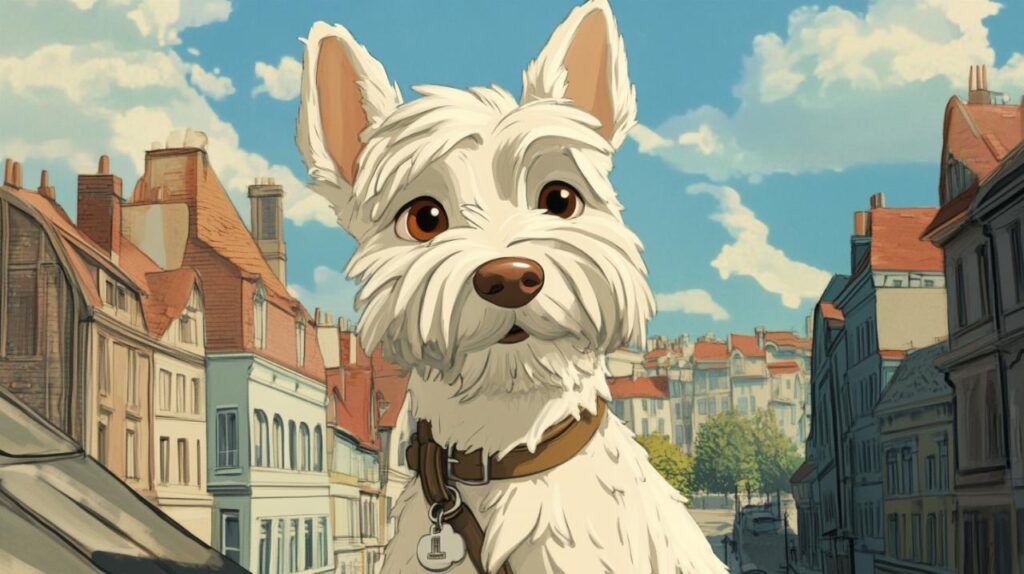
Few fictional companions have achieved the enduring charm and universal recognition that Milou, the spirited white fox terrier from Hergé's beloved Tintin series, enjoys today. Created in the vibrant streets of Brussels, Milou has transcended his role as a mere sidekick to become a cultural icon whose loyalty, wit, and occasional appetite for whisky bones have captured the imaginations of readers across generations. From the Congo to the moon, this four-legged adventurer has accompanied the intrepid reporter Tintin through escapades that blend mystery, humour, and heart. Yet beneath the surface of these thrilling tales lies a rich tapestry of symbolism and hidden meanings that fans and scholars alike have sought to unravel over the decades. This exploration delves into the origins, thematic depth, and global legacy of a dog who has become nothing short of legendary.
The Origins and Creation of Milou: Hergé's Beloved Fox Terrier
Hergé's inspiration: real-life animals behind milou's character
The genesis of Milou is as fascinating as the adventures he would eventually embark upon. Hergé, the pen name of Belgian cartoonist Georges Remi, drew inspiration from the world around him when crafting this unforgettable canine companion. The white fox terrier breed, with its energetic disposition and expressive features, provided the perfect canvas for a character who needed to convey both loyalty and mischief without uttering a single human word. Hergé was reportedly influenced by various animals he encountered throughout his life, blending their characteristics to create a dog whose personality would resonate with readers of all ages. The decision to make Milou a fox terrier was not arbitrary; this breed's intelligence and spirited nature mirrored the qualities Hergé envisioned for a companion who could hold his own alongside a young investigative journalist.
Beyond the breed itself, Hergé infused Milou with traits that reflected his own observations of animal behaviour and human relationships. The dog's ability to communicate through thought bubbles, offering sarcastic commentary or moments of genuine concern, granted him a voice that transcended the limitations of his species. This narrative device allowed Milou to serve as both comic relief and emotional anchor throughout the series. The careful attention to detail in Milou's design, from his expressive eyes to his distinctive black ears, ensured that readers could instantly recognise him and connect with his adventures. This blend of realism and anthropomorphism became a hallmark of Hergé's storytelling, setting a standard for how animals could be portrayed in graphic literature.
From Brussels to the World: The Birth of a Legendary Companion
The Tintin series made its debut in Brussels, a city that would forever be associated with the intrepid reporter and his faithful dog. First appearing in the pages of a Belgian youth supplement, Milou quickly established himself as more than just a pet. He became an integral part of the narrative fabric, a character whose presence was essential to the success of each story. The early adventures, though simpler in plot and illustration compared to later works, showcased the dynamic between Tintin and Milou that would define the series for decades. This partnership, built on mutual trust and shared curiosity, resonated with audiences who saw in it a reflection of the ideal bond between human and animal.
As the series evolved, so too did Milou's role within it. Hergé refined his artistic style and deepened the character's personality, allowing Milou to display a broader range of emotions and reactions. The dog's penchant for getting into trouble, whether through his love of bones or his occasional fondness for a drop of whisky, added layers of humour and relatability. These flaws made Milou more than a perfect sidekick; they made him real. The global expansion of the Tintin series transformed Milou from a local favourite into an international sensation. Translations into numerous languages carried his adventures across continents, and readers from diverse cultures found themselves enchanted by the little white terrier who fearlessly faced danger alongside his master. This universality is a testament to Hergé's skill in creating a character whose appeal transcends linguistic and cultural boundaries.
Symbolism and Themes: Loyalty, Companionship, and Hidden Meanings in Milou's Adventures
The Embodiment of Loyalty: Milou's Unwavering Bond with Tintin
At the heart of every Tintin adventure lies the theme of companionship, and no character embodies this more profoundly than Milou. The fox terrier's unwavering loyalty to Tintin serves as a constant throughout the series, a beacon of stability in stories that often plunge the duo into perilous situations. Whether navigating treacherous jungles, escaping from villains, or exploring uncharted territories, Milou remains steadfast by Tintin's side. This devotion is not presented as blind obedience but as a conscious choice rooted in mutual respect and affection. Hergé masterfully illustrated this bond through countless small moments: a worried glance when Tintin faces danger, a joyful reunion after a brief separation, or a protective stance when threats loom.
The relationship between Tintin and Milou also reflects broader themes of trust and interdependence. While Tintin provides direction and purpose, Milou offers intuition and emotional grounding. There are instances where the dog's instincts prove sharper than human reasoning, leading to crucial discoveries or timely rescues. This dynamic challenges traditional hierarchies and suggests that true companionship is a partnership of equals, each contributing unique strengths. The absence of a patronising tone in their interactions elevates Milou from pet to partner, a distinction that enriches the narrative and deepens the emotional impact of their shared journey. Readers, in turn, are invited to reflect on their own relationships with animals and the profound connections that can exist across species.
Fan Interpretations: Uncovering Deeper Symbolism in Milou's Actions and Personality
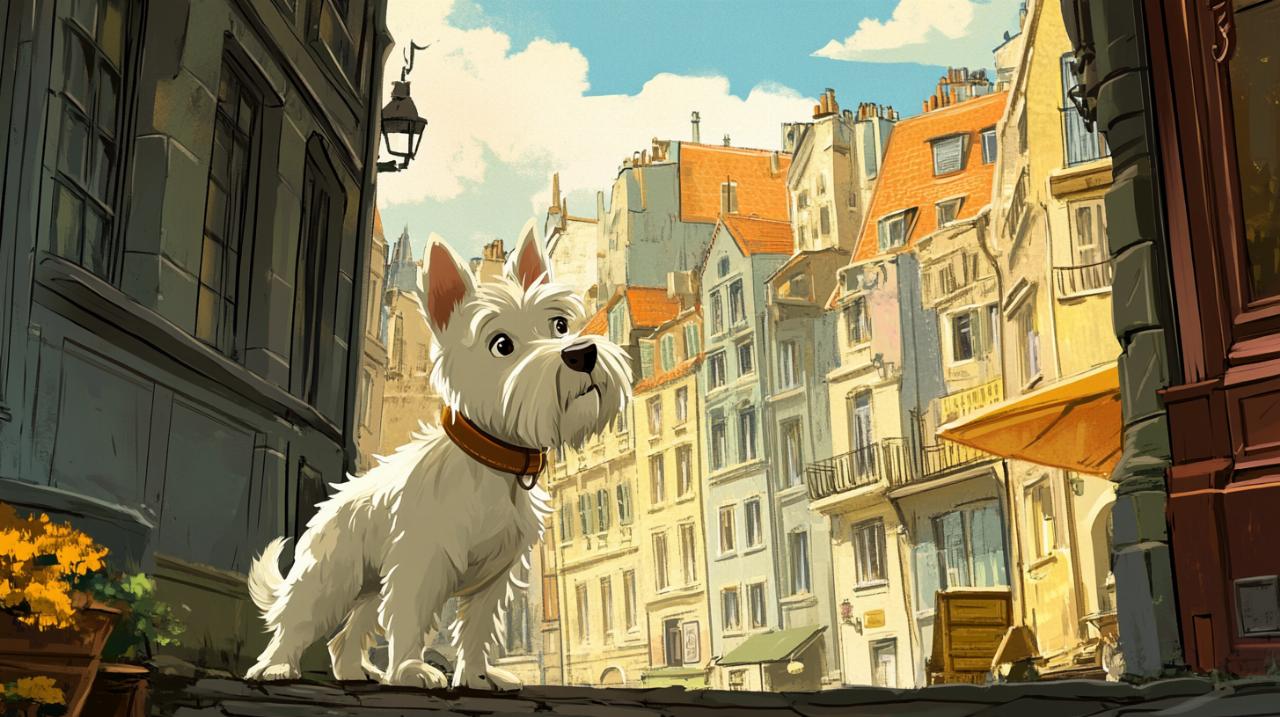
Over the years, fans and scholars have delved into the Tintin series seeking hidden meanings and symbolic depth, and Milou has become a focal point for many of these interpretations. Some readers view the dog as a representation of innocence and purity, his white coat a visual metaphor for untainted virtue in a world often marred by greed and corruption. Others interpret his frequent inner monologues as a commentary on the human condition, with Milou serving as a voice of reason or scepticism that contrasts with Tintin's idealism. These thought bubbles, filled with humour and occasional cynicism, offer a counterbalance to the earnestness of the main narrative, adding complexity to the storytelling.
Another layer of interpretation focuses on Milou's flaws and vices. His love of whisky and bones, while played for comedic effect, has been analysed as a critique of indulgence and the struggle between desire and duty. In moments of temptation, Milou often faces a choice between satisfying his immediate cravings and supporting Tintin's mission. These internal conflicts humanise the character and provide subtle moral lessons without resorting to heavy-handed didacticism. Additionally, some enthusiasts have noted that Milou's presence often signals shifts in tone within a story. His playful antics can diffuse tension, while his moments of fear or concern alert readers to genuine danger. This narrative function transforms Milou into more than a character; he becomes a storytelling device that guides emotional and thematic arcs with remarkable subtlety.
Milou's Cultural Impact: From the Congo to Captain Haddock and Beyond
Notable adventures: milou's journey through exotic locations and memorable encounters
Milou's adventures have taken him across a dazzling array of exotic locations, each journey adding new dimensions to his character and the series as a whole. The early expeditions to the Congo introduced readers to a world of colonial intrigue and wild landscapes, settings that tested the duo's courage and resourcefulness. While these stories have since been subject to critical re-evaluation regarding their portrayal of colonialism, they remain significant for establishing the globe-trotting format that would define the series. Milou's interactions with local wildlife and his reactions to unfamiliar environments provided both humour and a sense of wonder, inviting readers to explore the world through his eyes.
As the series progressed, Milou encountered a host of memorable characters, none more iconic than Captain Haddock. The gruff sea captain, with his colourful vocabulary and penchant for whisky, formed an unexpected yet endearing bond with the fox terrier. Their shared love of spirits, albeit expressed differently, created moments of comic brilliance and deepened the sense of camaraderie that permeates the later albums. From the icy expanses of Tibet to the bustling streets of Cairo, Milou proved himself adaptable and brave, qualities that endeared him to fans who followed his escapades with bated breath. Each adventure added layers to his legend, cementing his status as one of the most beloved animal characters in literary history.
The global legacy: how a white fox terrier captured hearts worldwide
The influence of Milou extends far beyond the pages of comic books. His image has been reproduced on countless pieces of merchandise, from plush toys to statues, and he has become a symbol of the Tintin brand recognised around the world. Museums dedicated to Hergé and his work prominently feature Milou, celebrating the character's contribution to the artistic and cultural legacy of the series. The fox terrier's appeal lies not only in his charm but also in the universal themes he represents: loyalty, bravery, and the joy of adventure. These qualities resonate with audiences regardless of age or background, making Milou a timeless figure whose relevance has not diminished with the passage of time.
Moreover, Milou's impact can be seen in the broader landscape of popular culture. He has inspired countless other animal sidekicks in literature, film, and television, serving as a blueprint for how such characters can enhance storytelling. The careful balance Hergé struck between humour, emotion, and action in Milou's portrayal has been studied and emulated by creators across genres. The enduring popularity of the Tintin series, and Milou by extension, speaks to the power of well-crafted characters to transcend their original medium and become part of the collective cultural imagination. As new generations discover the adventures of Tintin and his faithful companion, Milou's legacy continues to grow, ensuring that this fictional dog remains a legend for years to come.