
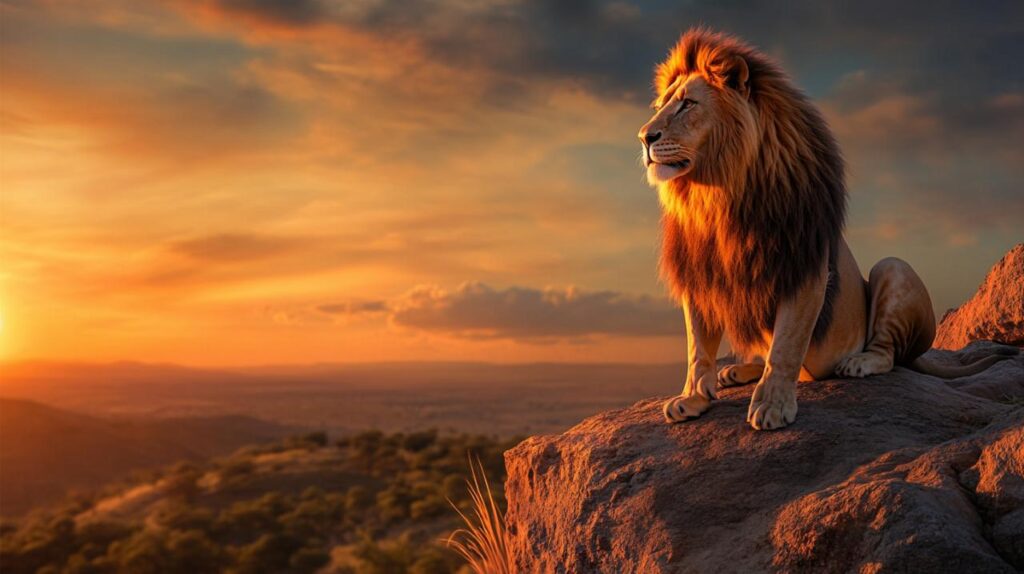
Throughout history, the lion has captivated human imagination as the ultimate symbol of strength, courage and majesty. Yet the journey of this magnificent creature from the wild savannahs and rugged dens it once called home to the carefully managed environments of modern sanctuaries and zoos reflects profound shifts in our relationship with nature. As wild populations faced mounting threats from habitat loss and human encroachment, the story of the lion transformed into one of conservation, rescue and hope. This article explores how these regal animals have adapted to new spaces, how individuals like Leo and Patrick have found refuge, and how communities worldwide now rally to protect the king of the animal kingdom.
From Ancient Dens to Modern Sanctuaries: The Evolution of Lion Conservation
For centuries, lions roamed vast territories across Africa, the Middle East and even parts of southern Europe, making their dens in rocky outcrops, dense thickets and shaded caves. These natural habitats provided shelter from the elements and a secure place to rear cubs away from predators. The den served as the heart of pride life, where lionesses would gather and young cubs would learn the essential skills needed for survival. However, as human populations expanded and agricultural lands replaced wilderness, the lion's range began to shrink dramatically. What was once an unbroken expanse of wild territory gradually fragmented into isolated pockets, forcing these apex predators into ever-smaller spaces.
By the late nineteenth and early twentieth centuries, conservationists began to recognise the urgent need to protect dwindling wildlife populations. The establishment of protected areas and national parks marked the beginning of organised conservation efforts. Yet even these measures were not always sufficient to halt the decline. In response, wildlife sanctuaries emerged as a vital tool in the fight to save endangered species. Unlike traditional zoos, which initially focused on displaying animals for public entertainment, sanctuaries prioritised the welfare and rehabilitation of rescued individuals. These facilities offered a refuge for lions that could no longer survive in the wild due to injury, illness or loss of habitat. Over time, the role of both zoos and sanctuaries evolved, with many institutions adopting rigorous standards for animal care, breeding programmes and public education. Today, these modern havens stand as testament to humanity's growing commitment to preserving the legacy of the lion.
The natural den: understanding wild lion habitats and their decline
In their natural environment, the den is more than just a shelter; it is a carefully chosen stronghold that reflects the strategic intelligence of the pride. Lionesses typically select locations that offer concealment, proximity to water sources and easy access to hunting grounds. Rocky crevices and dense vegetation provide protection from rival prides and the harsh midday sun, while the terrain itself offers vantage points for spotting prey. Historical records and early naturalist accounts describe vast territories where prides could roam freely, their dens dotting the landscape like fortresses of the wild. However, the expansion of agriculture, urban development and infrastructure projects has steadily encroached upon these territories. Land that once supported thriving ecosystems has been converted for human use, leaving wildlife with nowhere to go. The result has been a dramatic reduction in suitable den sites and a corresponding decline in lion numbers. Conflicts with livestock farmers and retaliatory killings have further exacerbated the situation, creating a complex web of challenges that conservationists must navigate. Understanding the ecological and social dynamics of these natural habitats remains crucial for any effective conservation strategy.
The Rise of Wildlife Sanctuaries and Zoos in France and Beyond
While Africa remains the primary focus of lion conservation, efforts to protect and rehabilitate these animals have spread across the globe. In France, several notable zoos and wildlife parks have embraced the mission of housing and caring for lions rescued from difficult circumstances. These institutions have transformed from mere menageries into centres of education and conservation science. French wildlife parks often participate in international breeding programmes and collaborate with organisations across Europe to ensure genetic diversity and the long-term survival of captive populations. The emphasis has shifted towards creating environments that mimic natural habitats as closely as possible, allowing animals to exhibit behaviours they would in the wild. Visitors to these parks are no longer passive spectators; they are invited to learn about the threats facing lions and the ongoing efforts to protect them. This educational component is critical, as it fosters a sense of responsibility and connection to the natural world. Beyond France, sanctuaries in countries such as South Africa, the United States and India have pioneered innovative approaches to animal welfare, setting new benchmarks for the care of rescued lions. The rise of these institutions reflects a broader cultural shift towards recognising animals not as commodities but as sentient beings deserving of respect and protection.
Leo and Patrick: Stories of Rescued Lions Finding New Homes
Among the many lions that have found sanctuary in recent years, the stories of individuals like Leo and Patrick stand out as powerful examples of resilience and recovery. Each of these animals arrived at their respective sanctuaries after enduring difficult circumstances, and their journeys highlight the challenges and triumphs inherent in wildlife rescue. Leo, for instance, was rescued from a facility where he had been kept in inadequate conditions, deprived of the space and social interaction necessary for his wellbeing. Upon arrival at his new home, he was underweight, stressed and wary of human contact. The dedicated team at the sanctuary worked tirelessly to rehabilitate him, providing medical care, a nutritious diet and a carefully managed environment designed to help him regain his confidence. Over time, Leo began to exhibit behaviours that had long been suppressed, such as playful interactions with enrichment items and a renewed interest in his surroundings. His transformation became a symbol of hope and a testament to the impact that compassionate care can have on even the most traumatised animals.
Patrick's story is equally compelling. He was discovered living in a cramped enclosure far from his natural habitat, with little opportunity for exercise or social engagement. Recognising the urgent need for intervention, animal welfare advocates coordinated a complex rescue operation to transport him to a sanctuary where he could enjoy a higher quality of life. The move was fraught with logistical challenges, from securing permits to ensuring safe travel conditions, but the dedication of all involved made it possible. Once settled in his new home, Patrick began to flourish. The spacious enclosure, complete with trees, water features and varied terrain, allowed him to explore and reclaim behaviours that are instinctive to his species. His progress has been closely monitored by sanctuary staff and wildlife researchers, who use his case as a learning opportunity to improve rescue protocols and sanctuary design. Both Leo and Patrick serve as ambassadors for their species, reminding the world of the individual lives at stake in the broader conservation narrative.
The Journey from Captivity to Sanctuary: Individual Tales of Survival
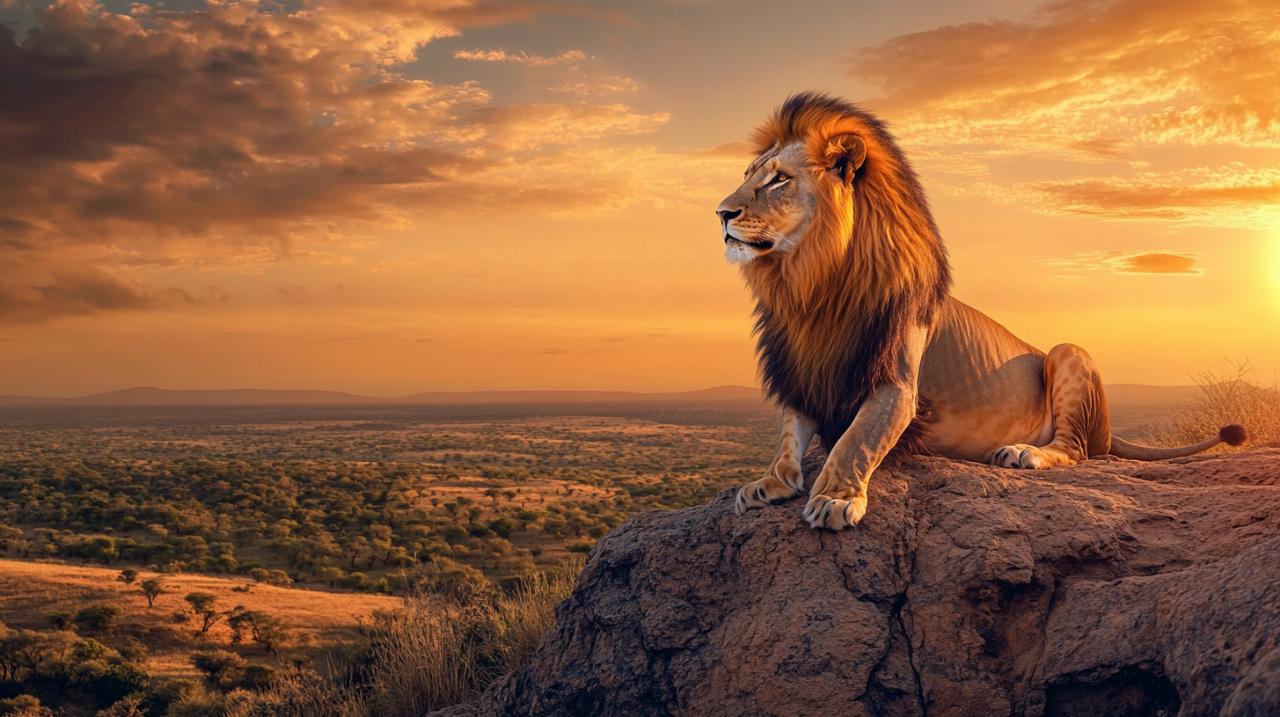
The path from captivity to sanctuary is rarely straightforward. Each rescued lion arrives with a unique history of trauma, neglect or exploitation, and the rehabilitation process must be tailored to the individual's needs. Initial assessments by veterinarians and animal behaviourists help identify physical ailments and psychological scars that require attention. Many rescued animals suffer from malnutrition, dental problems and chronic stress, all of which demand immediate intervention. Beyond medical care, the emotional recovery of these lions is equally important. Creating a secure and stimulating environment allows them to rebuild trust and rediscover natural behaviours. Sanctuaries employ a range of strategies, from environmental enrichment to gradual socialisation with other animals, to support this healing process. The success of these efforts depends on the expertise and dedication of staff, as well as the availability of resources to provide long-term care. Stories like those of Leo and Patrick illustrate the profound difference that a safe haven can make, transforming lives once marked by suffering into examples of resilience and renewal.
Social Networks and Community Engagement in Modern Wildlife Research
In the digital age, social networks have become powerful tools for advancing wildlife research and fostering community engagement. Sanctuaries and conservation organisations harness these platforms to share updates on rescued animals, educate the public about conservation challenges and mobilise support for their missions. Posts featuring the progress of individuals like Leo and Patrick generate widespread interest and empathy, connecting people across continents to the plight of lions and other endangered species. Social media also facilitates collaboration among researchers, enabling the rapid exchange of data, insights and best practices. Online communities dedicated to animal welfare and conservation create spaces for discussion, advocacy and fundraising, amplifying the impact of local initiatives on a global scale. This interconnectedness has revolutionised the way conservation work is conducted, making it more transparent, inclusive and responsive to emerging challenges. By leveraging the reach of social networks, organisations can inspire a new generation of conservationists and ensure that the stories of rescued lions resonate far beyond the walls of any sanctuary.
Supporting the King of Animals: From Conservation to Cultural Connection
The movement to protect lions extends beyond the boundaries of sanctuaries and research facilities, reaching into the realms of culture, commerce and community action. One intriguing aspect of this broader engagement is the proliferation of wildlife-themed products, from jewellery to accessories, that celebrate the beauty and majesty of the lion. These items serve not only as personal adornments but also as statements of solidarity with conservation efforts. Many artisans and companies design pieces inspired by the lion's iconic mane, powerful gaze and regal bearing, channelling a portion of their proceeds to support sanctuaries and wildlife protection programmes. Wearing such jewellery becomes an act of advocacy, sparking conversations about the importance of preserving these magnificent animals and their habitats. This fusion of art and activism demonstrates how cultural expression can contribute to tangible conservation outcomes, bridging the gap between awareness and action.
The Role of Wildlife-Themed Jewellery and Accessories in Raising Awareness
Wildlife-themed jewellery has emerged as a unique medium for raising awareness and funds for conservation. Designers draw inspiration from the natural world, crafting pieces that capture the essence of animals like the lion in intricate detail. From pendants shaped like roaring heads to bracelets adorned with symbolic motifs, these accessories resonate with individuals who wish to express their passion for wildlife in their everyday lives. The popularity of such items reflects a broader cultural shift towards ethical consumerism, where buyers seek products that align with their values. Many jewellers collaborate directly with conservation organisations, ensuring that a percentage of sales is directed towards rescue operations, habitat restoration and community education programmes. This model not only generates financial support but also creates a sense of shared purpose among consumers, who feel empowered to contribute to meaningful change. The visibility of these products in public spaces further amplifies their impact, as wearers become ambassadors for the cause, spreading awareness through personal style.
How Communities and Organisations Champion Animal Care and Protection
At the grassroots level, communities play an indispensable role in championing animal care and protection. Local groups, volunteer networks and advocacy organisations work tirelessly to support sanctuaries, raise funds and lobby for stronger wildlife protection laws. In regions where human-wildlife conflict is prevalent, community-based initiatives focus on education and conflict mitigation, helping people coexist peacefully with large predators. Schools and educational programmes introduce young people to the importance of biodiversity and the specific challenges facing species like the lion, fostering a generation of informed and passionate advocates. International organisations coordinate these efforts, providing resources, expertise and a platform for collaboration. The synergy between local action and global coordination is essential for addressing the multifaceted threats to wildlife. Whether through direct support of sanctuaries, participation in research projects or the promotion of conservation-themed products, communities demonstrate that the fight to protect the king of animals is a collective endeavour, uniting people from all walks of life in a common cause.