
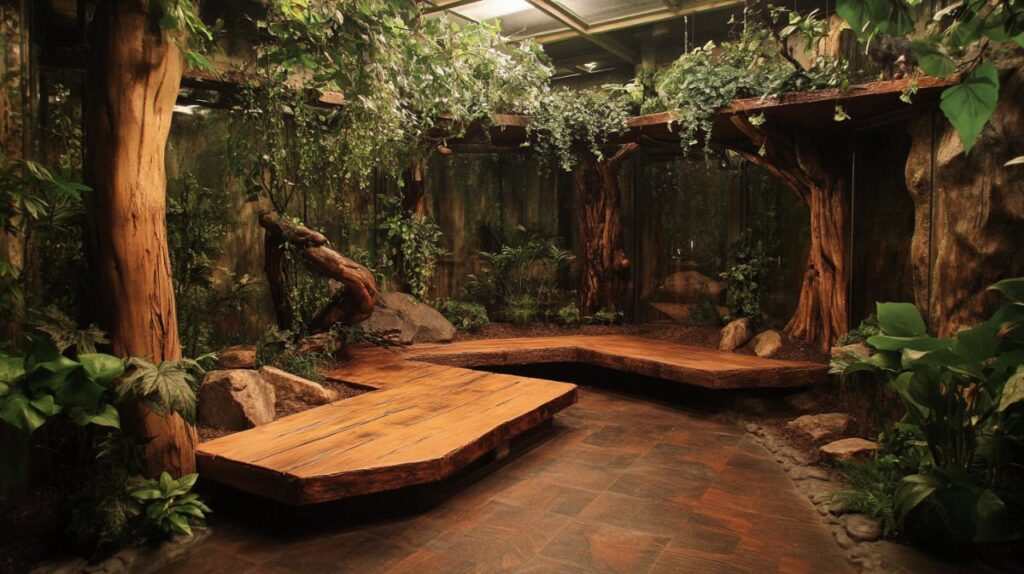
Creating naturalistic environments for exotic creatures requires careful attention to materials, design, and the unique needs of each species. Wood plays a vital role in transforming sterile enclosures into dynamic, enriching habitats that support natural behaviours and promote overall well-being. By thoughtfully incorporating wooden elements, caretakers can provide both functional structures and aesthetically pleasing decor that mirrors the wild environments these animals would encounter in nature. This approach not only enhances the quality of life for the inhabitants but also creates engaging displays for observers, blending the demands of modern pet care with a commitment to sustainability and ecological responsibility.
Selecting appropriate timber materials for animal enclosures
The foundation of any successful habitat design begins with choosing the right timber materials. Not all wood is created equal, and understanding the specific requirements of exotic creatures is essential to ensuring their safety and comfort. The selection process must account for the diverse needs of different species, from burrowing reptiles to climbing arboreal animals, while also considering the longevity and environmental impact of the materials used. Eden Products has been supplying the pet care industry for over fifteen years, offering a range of wood-based solutions that prioritise both functionality and eco-friendliness.
Non-toxic wood species suitable for exotic creatures
Safety is paramount when introducing wood into animal habitats. Certain timber species contain natural oils, resins, or chemical compounds that can be harmful to sensitive creatures, particularly reptiles and small mammals. Cork bark stands out as an excellent choice due to its lightweight, porous nature and ability to regulate moisture within enclosures. Virgin cork bark provides a natural aesthetic while offering hiding spots and climbing opportunities, making it ideal for species that require both vertical space and retreat areas. Aspen fibre is another highly recommended option, particularly for drier environments, as it is dust-free and highly absorbent, reducing the risk of respiratory issues in delicate animals. Orchid bark, soft and odourless, serves as a super-absorbent substrate suitable for various reptiles, ensuring a comfortable and safe living space. Java wood, harvested from discarded non-fruit-bearing coffee trees, has gained popularity for its durability and chew safety, promoting natural behaviours in pets while being entirely eco-friendly. An exotic animal care guide would emphasise the importance of avoiding treated or chemically processed timber, which can leach toxins into the environment and pose serious health risks. Grapewood vine adds verticality and climbing opportunities for species that naturally spend time in trees, while cork granules offer a soft substrate for burrowing reptiles that require a forgiving surface to dig and nest.
Sourcing sustainable and chemical-free timber options
Environmental responsibility and animal welfare go hand in hand when sourcing timber for habitats. Eden Products is committed to reducing their ecological footprint by offering customised solutions for businesses and individual caretakers, ensuring that every product aligns with sustainable practices. Choosing materials like coffee wood, sourced from trees that no longer bear fruit, prevents waste and gives new life to resources that would otherwise be discarded. The company's offerings extend to wood wool, smoking chips, reptile substrates, wood flour, filtration materials, corn cob, walnut shell, pumice stone, and poultry bedding, all designed with sustainability and eco-friendliness in mind. When selecting timber, it is crucial to verify that no harmful sealants or preservatives have been applied during processing. Cork tiles, available in wholesale quantities, can be paired with a safe sealant for just five pounds ninety-nine, providing both functionality and aesthetics for vivarium decor. The porous nature of natural cork allows it to regulate moisture levels, creating microclimates within the habitat that benefit species with specific humidity requirements. Additionally, materials like hemp rope and cotton rope can be incorporated alongside wooden structures to enhance climbing opportunities and enrichment. The availability of currencies such as EUR and GBP reflects the global reach of sustainable suppliers, making it easier for caretakers worldwide to access high-quality, chemical-free timber options.
Designing functional wooden structures for habitat enrichment
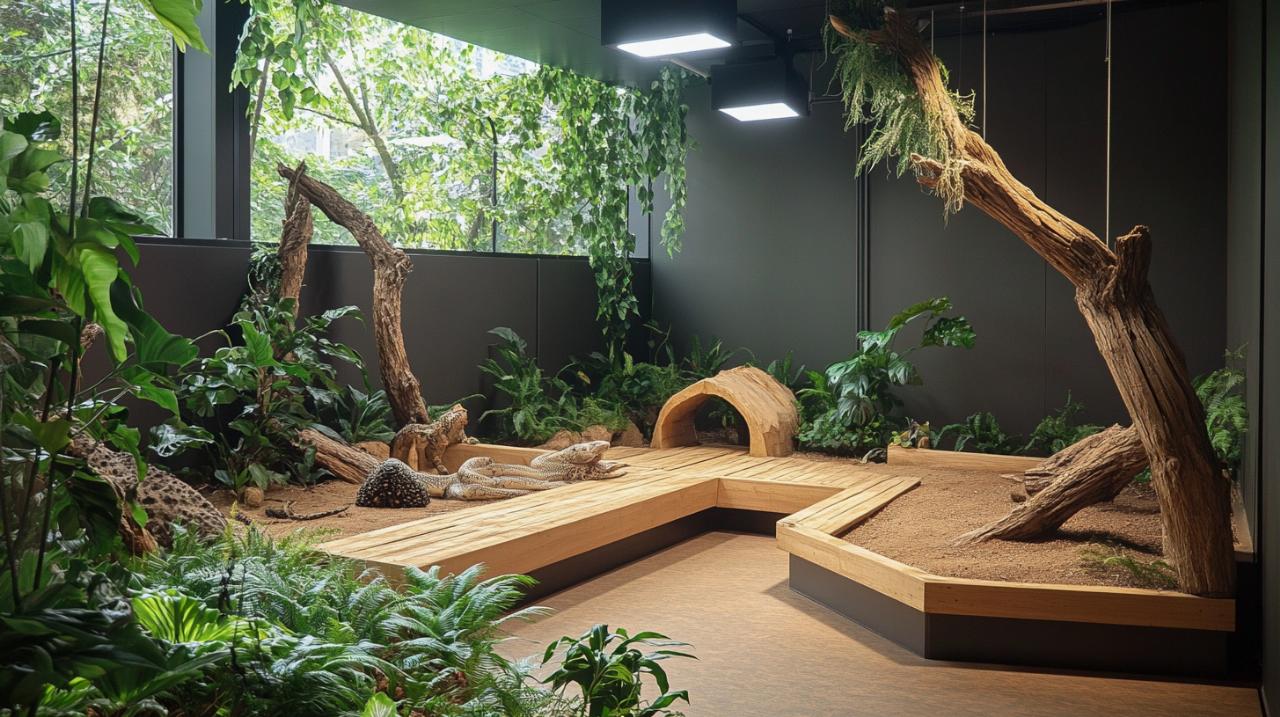
Once the appropriate materials are selected, the next step involves designing and constructing structures that enhance the habitat's functionality and support the natural behaviours of its inhabitants. Thoughtful design principles such as layering, enrichment opportunities, and the creation of microclimates can transform a simple enclosure into a thriving ecosystem. Natural materials provide not only shelter but also stimulation, encouraging animals to climb, burrow, explore, and interact with their environment in ways that promote physical and mental health. Eden Products offers a variety of product categories including mix boxes, branches, tubes, flats, pieces, granules, and wholesale options, enabling caretakers to tailor habitats to the specific needs of their animals.
Building climbing frames and elevated platforms
Vertical space is often underutilised in animal enclosures, yet it is critical for many exotic species, particularly arboreal reptiles and climbing mammals. Cork bark branches are lightweight and ideal for constructing climbing frames that allow animals to navigate their environment as they would in the wild. Grapewood vine, with its natural twists and turns, adds both verticality and visual interest, encouraging exploration and exercise. Elevated platforms can be fashioned from flat pieces of Java wood, providing resting spots that mimic the perches and branches found in natural habitats. These structures not only support physical activity but also offer vantage points from which animals can survey their surroundings, reducing stress and promoting a sense of security. For desert species, incorporating wood alongside sand and rocks creates a balanced environment that supports both burrowing and climbing behaviours. Rainforest species benefit from the addition of mosses and live plants intertwined with wooden structures, replicating the humid, layered environments of their native habitats. Customisation for species is essential; arboreal species require vines and elevated hides, while ground-dwelling reptiles may prefer lower platforms and natural hiding spots formed by carefully positioned branches and cork pieces. The combination of coffee wood, coconut coir, and various wood-based substrates allows for endless creative possibilities, ensuring that each habitat is as unique as the animals it houses.
Crafting shelter spaces and privacy hideaways
Privacy and shelter are fundamental to the well-being of exotic animals, providing them with safe retreats where they can rest, regulate their body temperature, and escape from perceived threats. Cork bark, with its natural curves and hollows, is particularly effective for creating hiding spots that feel secure and comfortable. Cork granules can be layered to form soft, burrowing substrates, especially beneficial for species that naturally spend time underground. Tubes fashioned from cork or Java wood offer enclosed spaces that serve as both shelters and enrichment opportunities, encouraging animals to explore and interact with their environment. Orchid bark, with its soft texture and super-absorbent properties, can be arranged to form naturalistic bedding areas that retain moisture and provide insulation. Water features, when integrated with wooden decor, enhance the habitat by offering drinking and bathing spots, particularly important for rainforest species that require higher humidity levels. Natural hiding spots created from grapewood vine, branches, and cork pieces encourage natural behaviours such as foraging and nesting, reducing stress and promoting overall health. Maintenance of these structures is straightforward; regular cleaning, monitoring for wear, and refreshing substrates ensure that the habitat remains safe and functional over time. The aesthetic appeal of wooden decor cannot be overstated, as it creates visually engaging environments that are enjoyable for both the animals and their caretakers. By combining functionality with beauty, wooden structures contribute to habitats that are not only practical but also inspiring, reflecting a deep respect for the natural world and the creatures that inhabit it.
Eden Products, located in Hamlet 2, Bien Ho Village, Pleiku City, Gia Lai Province, can be reached by phone at eighty-four nine oh three four nine five eight seven five or by email at contact at eden-products dot com. Social media platforms including Youtube, Pinterest, Facebook, Twitter, LinkedIn, Instagram, and WhatsApp provide additional resources and updates. The company's commitment to OEM and ODM solutions ensures that businesses and individual caretakers can access customised products tailored to their specific needs. Whether designing habitats for hamsters, reptiles, birds, or other exotic creatures, the thoughtful integration of wood decor enhances both the functionality and aesthetics of the environment, supporting natural behaviours and promoting long-term health and happiness.