
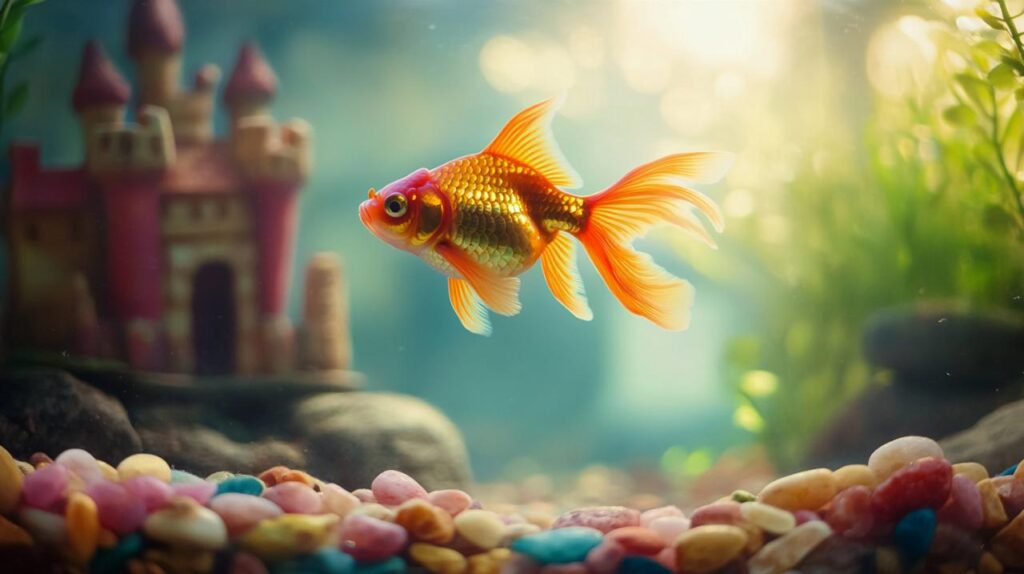
Goldfish are among the most beloved aquarium inhabitants in homes across the United Kingdom, cherished for their vibrant colours and relatively straightforward care requirements. Whether you are a first-time fish keeper or an experienced aquarist, creating a harmonious aquatic environment for these delightful creatures involves careful consideration of their habitat, diet, and social companions. Understanding the nuances of goldfish care, from tank setup to selecting appropriate tank mates, ensures that your fish thrive and lead long, healthy lives in a peaceful community setting.
Setting up the perfect goldfish habitat
Choosing the Right Tank Size and Equipment
Providing adequate space is fundamental when caring for goldfish, as these fish require more room than many novices might anticipate. A single goldfish needs a minimum of around 100 litres to flourish, with each additional fish requiring at least another 50 to 60 litres. This generous allocation prevents stunted growth and promotes overall wellbeing, allowing the fish to exhibit natural behaviours and maintain optimal health. Some sources suggest a guideline of one gallon of water per inch of fish, yet modern best practices advocate for larger volumes to accommodate the bioload and waste production inherent to goldfish.
Beyond sheer volume, the quality of the tank itself matters considerably. Equipping the aquarium with efficient filtration systems is essential, as goldfish are notorious for producing substantial waste. A robust filter helps maintain water clarity and removes harmful toxins, contributing to a stable and safe environment. Additionally, incorporating accessories such as rock caves, smooth ornaments, and live or artificial plants enriches the habitat, offering goldfish opportunities for exploration and play. These elements not only enhance the aesthetic appeal of the aquarium but also support the mental stimulation and physical activity of its inhabitants.
Maintaining optimal water quality and temperature
Water quality stands as a cornerstone of successful goldfish husbandry. Regular testing is advisable to ensure that the pH level remains between 6.5 and 7.5, a range that supports the physiological needs of goldfish. Ammonia and nitrite levels must be kept at zero, while nitrates should be managed through routine partial water changes, typically around twenty to thirty percent weekly. Consistency in these parameters prevents stress and disease, fostering a resilient and vibrant aquatic community.
Temperature regulation is another critical aspect, as goldfish are eurythermal creatures capable of thriving across a wide spectrum of conditions. Maintaining the water temperature between 20 and 24 degrees Celsius strikes a balance that suits most goldfish varieties, though they can tolerate cooler conditions down to around 10 degrees Celsius. This adaptability allows keepers to house goldfish in unheated tanks in temperate climates, yet careful monitoring ensures that fluctuations remain gradual and within safe limits. Sudden temperature changes can induce stress and compromise immune function, making steady environmental conditions paramount for long-term health.
Feeding and Daily Care for Healthy Goldfish
Selecting quality food and establishing feeding routines
Feeding your goldfish the right grub is important for maintaining their health and vitality. High-quality pellets or flakes specifically formulated for goldfish provide balanced nutrition, including proteins, vitamins, and minerals essential for growth and colour development. It is wise to avoid overfeeding, as goldfish have a tendency to consume more than necessary, leading to digestive issues and increased waste production. A practical approach involves offering small portions two to three times daily, ensuring that all food is consumed within a few minutes.
Variety in diet can further enhance the wellbeing of goldfish. Supplementing staple foods with occasional treats such as blanched peas, leafy greens, or specially prepared gel foods promotes digestive health and prevents constipation. Peas, in particular, are valued for their ability to alleviate buoyancy issues, a common concern in goldfish. By rotating food types and observing the response of your fish, you can tailor feeding routines to meet individual needs and preferences, fostering robust health and vibrant appearance.
Recognising Signs of Illness and Promoting Longevity
Goldfish can live for 10 to 15 years with proper care, and some individuals have been known to reach beyond 20 years, a testament to the resilience of these remarkable fish when given suitable conditions. Monitoring your goldfish's health involves looking out for signs such as buoyancy issues, changes in behaviour, loss of appetite, or unusual lesions and spots. Swim bladder disorder, for example, manifests as difficulty maintaining balance or swimming upright, often stemming from overfeeding or poor water quality.
Preventing common ailments requires vigilance and proactive management. Regular health checks, combined with maintaining clean water and a balanced diet, form the foundation of disease prevention. Quarantining new arrivals for at least two weeks before introducing them to the main tank minimises the risk of transmitting infections or parasites. Acclimating new fish properly, by gradually matching water temperature and chemistry, further reduces stress and enhances the likelihood of successful integration. By fostering a stable and nurturing environment, keepers can significantly extend the lifespan and quality of life of their goldfish.
Selecting compatible tank mates for your goldfish
Understanding goldfish varieties and their social needs
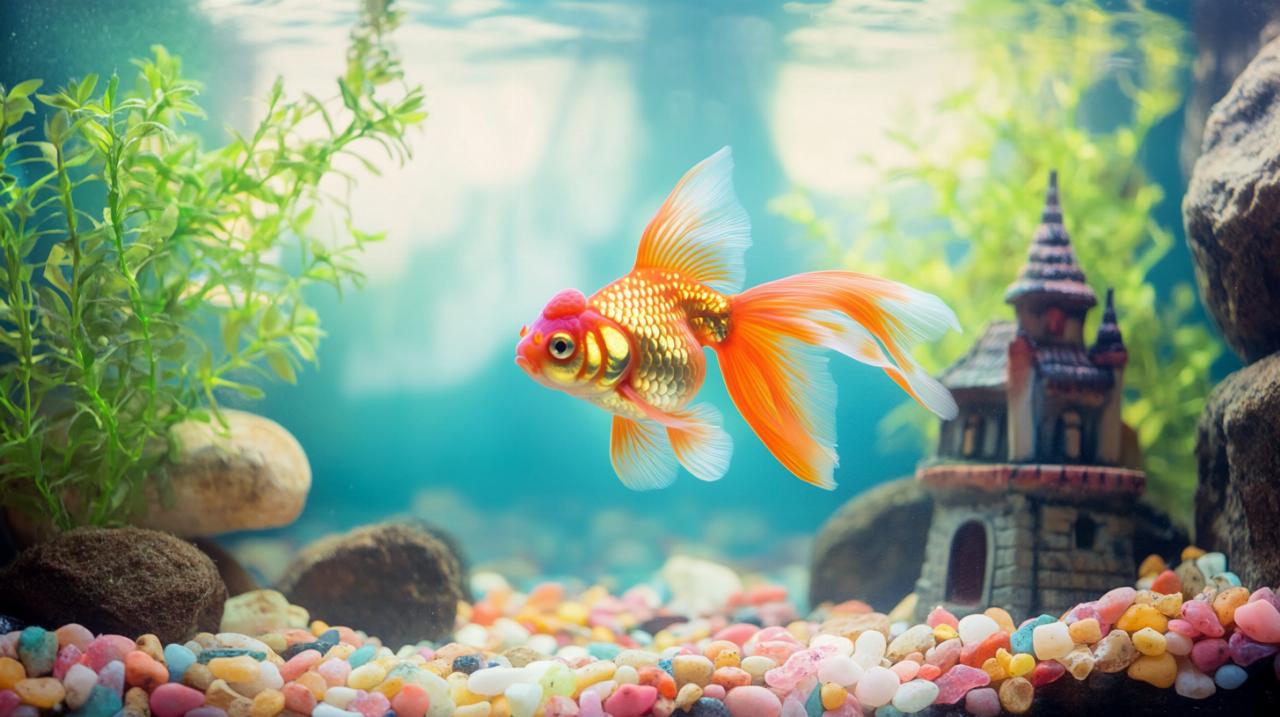
There are several types of goldfish, such as the common goldfish, ranchu, and oranda, each with unique traits and care needs that influence their compatibility with other species. Fancy goldfish, characterised by their rounded bodies, flowing fins, and slower swimming speeds, require calm tank mates that will not compete aggressively for food or harass them. In contrast, common or comet goldfish are more streamlined and agile, capable of coexisting with more active and competitive companions. Understanding these distinctions is essential when curating a peaceful community aquarium.
The social nature of goldfish also plays a role in tank mate selection. While they are generally peaceful fish, goldfish can exhibit curiosity and may investigate or nibble at slower-moving or long-finned companions. This behaviour is rarely aggressive but can cause stress or injury to unsuitable tank mates. Therefore, choosing species that share similar temperaments, swimming capabilities, and environmental preferences ensures a harmonious and low-stress community.
Best Fish Species and Invertebrates for a Peaceful Community
When selecting compatible species for a goldfish aquarium, several cool water fish and cold water species stand out as excellent choices. The Hillstream Loach, particularly the reticulated variety, thrives in cooler temperatures and enjoys strong water flow, making it a natural fit for goldfish tanks. These algae eaters contribute to tank cleanliness while remaining unobtrusive and peaceful. Similarly, the Dojo Loach, also known as the Weather Loach, is a hardy and adaptable fish that flourishes in cold water, tolerating a wide temperature range from around 5 to 25 degrees Celsius. Its playful demeanour and scavenging habits make it a delightful addition, though monitoring for any signs of stress in either species is prudent.
Among plecos, the Bristlenose Pleco and Rubbernose Pleco are particularly well-suited to goldfish tanks. The Bristlenose Pleco, with its manageable size of up to around 12 centimetres, serves as an effective algae eater and generally coexists peacefully with goldfish, provided it is well-fed to prevent it from bothering the goldfish's protective slime coat. The Rubbernose Pleco, also referred to as the Rubber Lip or Bulldog Pleco, shares similar characteristics but lacks the distinctive bristles, growing to approximately 12 to 15 centimetres in length. Both species appreciate driftwood and hiding spots within the aquarium.
Schooling fish such as White Cloud Mountain Minnows and Zebra Danios offer dynamic movement and visual interest to the community. White Cloud Mountain Minnows are inexpensive and fast enough to evade fancy goldfish, though there remains a slight risk of predation if a goldfish develops hunting behaviours. These minnows thrive in cooler water between 18 and 22 degrees Celsius and grow to around 3 centimetres in length. Zebra Danios, similarly tolerant of cooler temperatures ranging from 18 to 24 degrees Celsius, are equally energetic and hardy, reaching up to approximately 4 centimetres. Both species should be kept in groups of six or more to encourage natural schooling behaviour and reduce stress.
The Platy, particularly the Variatus Platy, is considered one of the best options for goldfish companions due to its peaceful temperament and compatibility with cooler waters. These livebearers can tolerate temperatures from 18 to 25 degrees Celsius and grow to around 7.6 centimetres, making them robust and visually appealing additions. It is worth noting that goldfish may consume fry, so breeding populations should be managed accordingly. Other barbs, such as Rosy Barbs, Longfin Rosy Barbs, Gold Barbs, and Checkerboard Barbs, also fare well in goldfish tanks, especially when kept in larger schools of ten or more individuals. These species are active, boldly coloured, and generally compatible with single-tailed goldfish, though their temperament can vary slightly among individuals.
Larger schooling fish like the Giant Danio and Scissortail Rasbora provide a striking presence in the upper levels of the tank. The Giant Danio, capable of reaching up to 14 centimetres, is an excellent top dweller that thrives in temperatures from 22 to 24 degrees Celsius. Its active nature and size make it suitable for larger tanks housing common goldfish. The Scissortail Rasbora, growing to around 13 centimetres, is similarly hardy and stays near the surface, contributing to a balanced distribution of fish throughout the aquarium. Both species appreciate spacious environments and benefit from being kept in groups.
For those seeking smaller additions, the Bloodfin Tetra and Black Skirt Tetra are hardy and peaceful options. The Bloodfin Tetra tolerates a broad temperature range from 18 to 28 degrees Celsius and grows to approximately 5.5 centimetres, while the Black Skirt Tetra, with a range of 20 to 26 degrees Celsius, reaches around 7.5 centimetres. Both species are available in various colour variations and add liveliness to the community without posing significant risks to goldfish.
Ricefish, available in several species and colours, breed easily and bring visual diversity to the tank. These fish are generally compatible with goldfish, though their tendency to reproduce prolifically can increase the bioload, necessitating careful population management and regular maintenance. The Hoplo Catfish, including varieties like the Flag Tail Hoplo and Spotted Hoplo, serves as a daytime scavenger, cleaning up leftover food and contributing to overall tank hygiene. Brochis multiradiatus, a larger cousin of the corydoras, is another excellent scavenger option, reaching up to several centimetres in length and thriving in cooler waters.
Invertebrates such as Mystery Snails, Nerite Snails, and Apple Snails are among the safest algae eaters for a goldfish tank. These snails help control algae growth without posing a threat to goldfish or being threatened themselves. Mystery Snails and Nerite Snails are particularly recommended due to their peaceful nature and efficiency in consuming algae and detritus. Apple Snails, while larger and more conspicuous, also contribute to tank cleanliness and add an intriguing element to the community. It is important to avoid small, spiny, or aggressive species that could either fit in the goldfish's mouth or harass these slow-moving fish.
Certain species should be strictly avoided to maintain a peaceful aquarium. Betta Fish, with their territorial aggression, are wholly unsuitable for cohabitation with goldfish. Guppies and tropical fish such as Neon and Cardinal Tetras require warmer water temperatures than goldfish prefer, creating incompatible environmental needs. Cichlids, known for their aggression and territorial behaviour, pose significant risks to goldfish, as do Common Plecos, which can grow excessively large and may harass goldfish by latching onto their slime coats. Axolotls, though sometimes considered, require careful size matching and cooler temperatures, and their predatory nature can lead to nipping or predation issues.
When introducing new fish, proper acclimation and quarantine are essential. Quarantining new arrivals for at least two weeks allows for observation and treatment of any potential diseases before they can spread to the main tank. Acclimating the water temperature and chemistry gradually reduces stress and supports successful integration. Introducing new fish when the tank lights are off can minimise initial aggression or territorial behaviour, and watching for chasing or fin-nipping within the first 72 hours helps identify and address compatibility issues promptly. It is generally not recommended to keep fancy and common goldfish together due to differences in swimming speed and feeding competition, which can disadvantage the slower fancy varieties.
By carefully selecting compatible species, maintaining optimal water conditions, and providing a spacious and enriching environment, keepers can create a peaceful and thriving community aquarium centred around goldfish. The diversity of cool water fish and cold water species available offers ample opportunities for creativity and personalisation, ensuring that each aquarium is both a safe haven for its inhabitants and a captivating display for those who admire it.