
For many poultry enthusiasts and smallholders alike, understanding the egg-laying lifespan of hens remains a fundamental question that shapes flock management decisions. Whether you are embarking on your first venture into chicken keeping or seeking to optimise an established flock, knowing how long a hen remains productive and the factors that influence her laying capacity can make all the difference. The journey from the arrival of the first egg to the eventual decline in production is influenced by breed characteristics, husbandry practices, and the natural rhythms of the bird herself.
Understanding the Egg-Laying Timeline: From Point of Lay to Peak Production
When do hens start laying eggs? age and maturity factors
Most hens reach the stage known as point of lay at around five to six months of age, though this can vary slightly depending on the breed and individual development. This milestone marks the beginning of their reproductive cycle, a period eagerly anticipated by keepers who have nurtured their young pullets from chicks. The onset of laying is not merely a function of age but also depends on factors such as nutrition, daylight hours, and overall health. Hens require adequate protein, calcium, and energy in their diet to support the demanding process of egg formation. During the spring and summer months, when daylight extends and temperatures rise, pullets naturally begin their laying careers with enthusiasm and regularity.
As hens mature, their bodies adjust to the physiological demands of egg production. The initial eggs may be smaller or irregularly shaped, but within a few weeks, most birds settle into a consistent pattern. It is during this early phase that establishing good husbandry practices becomes essential, as the foundation laid in these months will influence the hen's long-term productivity and welfare. Ensuring a stress-free environment, maintaining clean and comfortable housing, and providing balanced nutrition all contribute to a smooth transition into the laying period.
Peak Laying Years: What to Expect from Your Flock's First Two to Three Years
The most productive years for the majority of hens occur during their first two to three years of life. During this period, many hens will lay eggs with remarkable consistency, often producing an egg nearly every day or every other day, depending on the breed and individual variation. This peak production phase represents the zenith of a hen's reproductive capability, when her body is at its most efficient in converting feed into eggs. Keepers can expect robust output during these years, with some commercial hybrids and purpose-bred layers achieving impressive annual totals.
However, this intense productivity does not continue indefinitely. After reaching peak production, the frequency of laying generally decreases as they age. By the third or fourth year, many hens begin to slow down, with longer intervals between eggs and a gradual decline in overall output. This natural ageing process is entirely normal and reflects the hen's diminishing reproductive reserves. While some birds may continue to lay sporadically into their later years, the majority will have significantly reduced production by the time they reach four or five years of age. Understanding this timeline helps keepers plan for flock renewal and manage expectations regarding long-term egg supply.
Breed-by-breed comparison: prolific layers and long-term production
Top laying breeds: isa browns, leghorns, and hybrids versus heritage varieties
When it comes to egg production, not all breeds are created equal. Hybrid layers such as ISA Browns and commercial strains like Leghorns have been selectively bred over generations to maximise output. These birds are renowned for their prolific laying abilities, often producing upwards of two hundred and eighty to three hundred eggs per year during their peak. Their efficiency makes them a popular choice for both commercial operations and backyard keepers seeking a reliable supply of fresh eggs. The ISA Brown, in particular, combines high production with docile temperament, making it a favourite among those new to poultry keeping.
In contrast, heritage breeds such as the Sussex, Orpington, or Wyandotte tend to lay fewer eggs annually, typically ranging between one hundred and fifty to two hundred eggs. While their output may not match that of the hybrids, heritage varieties often compensate with longevity, hardiness, and dual-purpose qualities. Many keepers value these traditional breeds not only for their eggs but also for their beauty, temperament, and the preservation of genetic diversity. The choice between hybrids and heritage birds ultimately depends on individual priorities, whether that be maximising egg numbers or maintaining a more varied and resilient flock.
Longevity of egg production across different chicken breeds
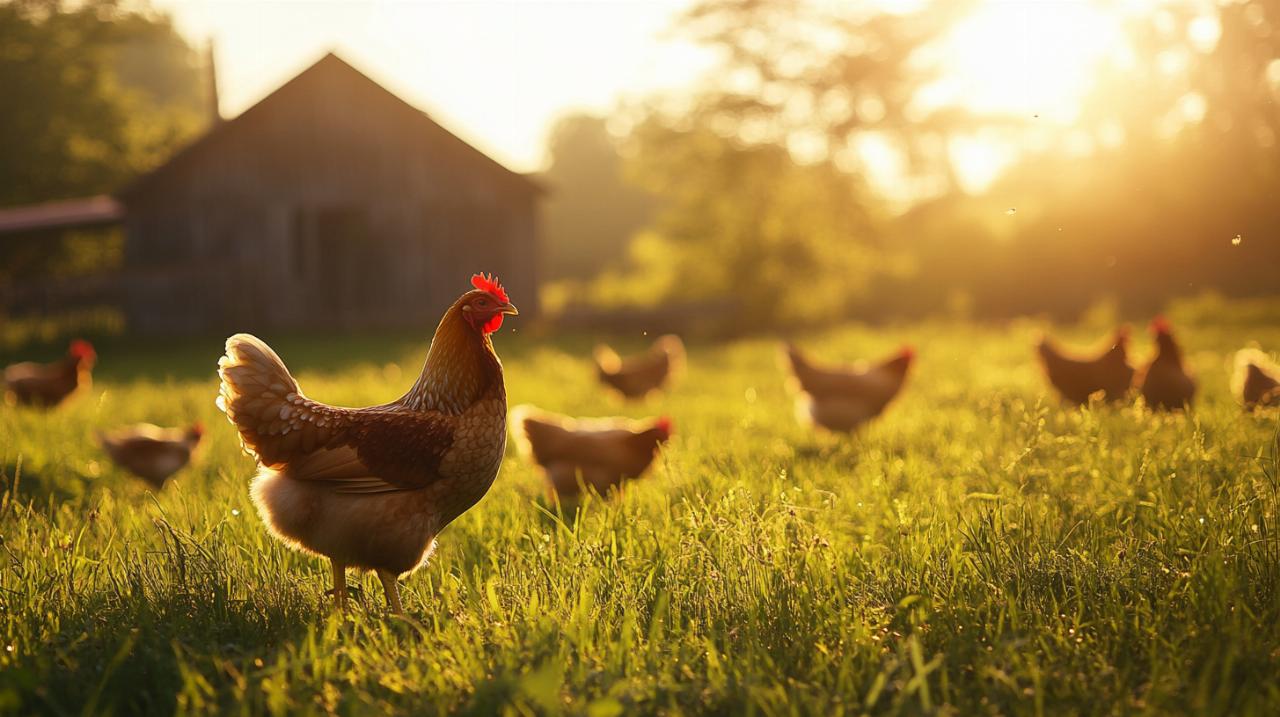
The duration of egg production can vary depending on the breed of hen, with some lines maintaining productivity longer than others. Hybrid layers, bred for intensive output, often experience a sharper decline after their second year, as their bodies are pushed to their limits early in life. By contrast, heritage breeds may lay fewer eggs per year but can continue producing at a modest rate for several additional years. This extended, albeit reduced, productivity can make heritage breeds a more sustainable choice for those who prefer to keep hens throughout their natural lifespan rather than replacing flocks frequently.
Understanding these breed-specific differences is crucial for planning and managing a flock. If the primary goal is maximising egg yield in the short term, hybrids are the obvious choice. However, for those who value longevity and are willing to accept a lower annual total, heritage breeds offer a rewarding alternative. Some keepers opt for a mixed flock, combining the high output of hybrids with the steady, long-term contribution of heritage varieties, thereby balancing immediate productivity with sustainable management.
Maintaining healthy laying hens: nutrition, environment, and moulting considerations
Essential Feeding and Coop Management for Consistent Egg Production
Proper nutrition and care in the chicken coop can help maintain healthy laying hens and support consistent egg production throughout their productive years. A balanced diet rich in protein, calcium, and essential vitamins is fundamental to sustaining the laying cycle. Layer pellets or mash formulated specifically for egg production provide the necessary nutrients, while supplementary sources of calcium, such as oyster shell grit, ensure strong eggshells and prevent deficiencies. Access to fresh, clean water at all times is equally vital, as dehydration can rapidly halt egg production.
Beyond feeding, the environment in which hens live plays a significant role in their productivity and wellbeing. Clean, well-ventilated housing that protects birds from draughts, damp, and predators creates the stable conditions necessary for regular laying. Adequate nesting boxes, filled with clean bedding, encourage hens to lay in designated areas, reducing the incidence of broken or soiled eggs. Regular cleaning and maintenance of the coop prevent the build-up of parasites and pathogens, which can compromise health and disrupt laying patterns. Providing sufficient space, both inside the coop and in outdoor runs, reduces stress and aggression, further supporting a healthy and productive flock.
Understanding Moulting Periods and Seasonal Changes in Laying Patterns
Hens may stop laying eggs temporarily during their moulting period, a natural process that typically occurs once a year, often in late summer or autumn. During moulting, hens shed old feathers and grow new plumage, a physically demanding process that diverts energy away from egg production. This pause in laying can last several weeks to a few months, depending on the individual bird and the completeness of the moult. While this cessation can be concerning for keepers expecting a steady supply of eggs, it is a normal and necessary phase that allows hens to regenerate and prepare for the next laying cycle.
Seasonal changes also influence laying patterns, with shorter daylight hours in autumn and winter naturally reducing egg output. Hens are sensitive to light, and diminished day length signals their bodies to slow or cease production. Some keepers choose to provide supplementary lighting in the coop during the darker months to extend laying, though this practice should be approached with care to avoid overstressing the birds. Allowing hens to follow their natural rhythms, including the restorative break during moulting and reduced winter production, can contribute to their long-term health and sustained productivity over multiple years. Balancing human expectations with the biological needs of the flock ensures that hens remain content, healthy, and capable of delivering fresh eggs for as long as their natural laying lifespan permits.