
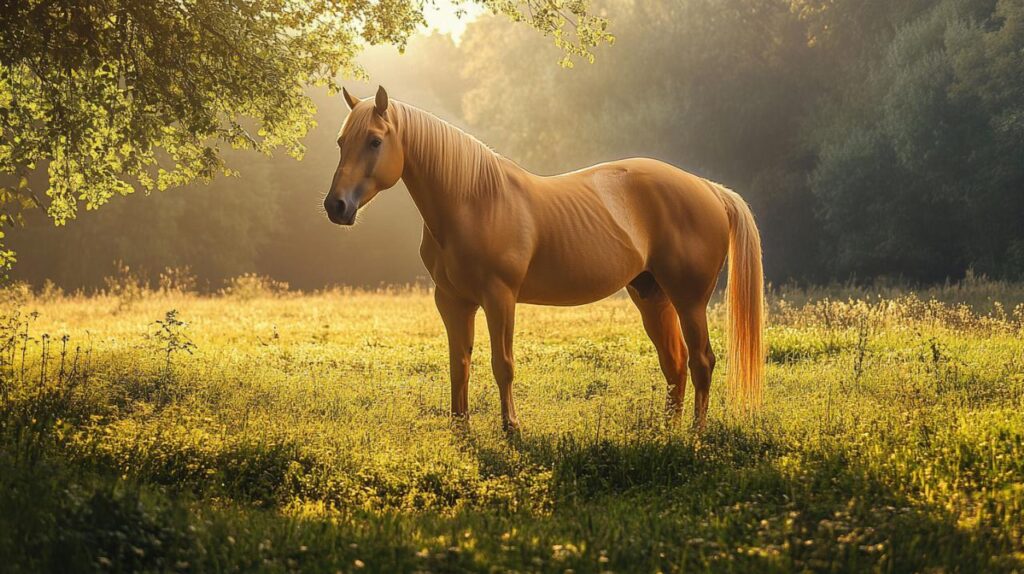
Caring for a horse throughout its life is a rewarding journey, and understanding how long these magnificent creatures can live is essential for any owner. With proper attention to health, nutrition, and overall wellbeing, horses can enjoy many years of companionship and activity. As they transition into their senior years, the care they require evolves, and being prepared for this stage ensures that your equine friend remains comfortable and content.
Understanding Equine Lifespan: What to Expect from Your Horse
Average life expectancy across different breeds
Horses typically have a lifespan ranging from 25 to 30 years, though this can vary considerably depending on the breed and individual circumstances. Smaller breeds, such as Arabians, often enjoy longer lives compared to their larger counterparts like Draft horses. Some ponies, in particular, are known for their remarkable longevity, frequently surpassing the average age expected of larger horses. In recent years, there have been extraordinary cases of horses living well into their 40s, with the UK's oldest horse, Roana, recently celebrating her 46th birthday. These exceptional examples highlight the potential for extended lifespans when health and care are prioritised. The maximum age recorded for a horse is over 50 years, demonstrating that with dedicated attention and a bit of luck, these animals can thrive for decades.
Factors that influence how long horses live
Several key factors determine how long a horse will live, and understanding these can help owners provide the best possible care. Genetics play a fundamental role, as certain breeds are naturally predisposed to longer lifespans. However, the quality of care provided by the owner is equally, if not more, important. Domestic horses generally outlive their wild counterparts due to consistent access to food, shelter, and medical attention. Living conditions also have a significant impact; horses that are kept in clean, safe environments with ample space to move and graze tend to enjoy better health and longevity. Mental health should not be overlooked either, as horses are social animals that benefit greatly from interaction with other horses and mental stimulation. Regular exercise tailored to the horse's age and physical condition helps maintain fitness and prevents injury, while a balanced diet rich in essential nutrients supports overall vitality. Together, these factors create a foundation for a long and healthy life.
Essential health care for ageing horses
Managing common age-related conditions in senior horses
As horses enter their senior years, typically around 15 to 20 years of age, they begin to show signs of ageing that require careful management. Common indicators include a greying coat, slower movement, loss of muscle mass, and reduced strength. Vision and hearing may also decline, with cataracts and hearing loss becoming more prevalent. Arthritis is one of the most frequent conditions affecting older horses, causing stiffness and discomfort that can limit mobility. Joint issues should be monitored closely, and adjustments to exercise routines can help manage pain and maintain flexibility. Dental problems are another significant concern, as worn or missing teeth can make it difficult for horses to chew properly. Regular dental check-ups every six to twelve months are essential to ensure that any issues are addressed promptly, and softer feeds may be necessary to accommodate these changes. Cushing's Disease, a hormonal disorder, is also common in elderly horses and requires veterinary intervention to manage symptoms such as excessive drinking and a long, shaggy coat. Laminitis, a painful condition affecting the hooves, can occur in older horses, particularly those with metabolic disorders. Skin infections and melanomas, especially in grey horses, should be checked regularly, and any unusual growths should be examined by a vet. Reduced immunity means that senior horses are more susceptible to illness, so maintaining a clean environment and monitoring their health closely is crucial.
The Importance of Regular Veterinary Check-Ups and Preventative Care
Preventative healthcare becomes increasingly important as horses age, and regular veterinary check-ups are a cornerstone of maintaining their wellbeing. Annual health assessments allow vets to detect potential issues early, which can make a significant difference in treatment outcomes. Vaccinations and parasite control should remain consistent throughout a horse's life, as older horses may have reduced immunity and be more vulnerable to infections. Dental care is particularly vital, as untreated dental problems can lead to weight loss and other complications. A farrier should be consulted regularly, ideally every six to eight weeks, as hoof growth slows with age and maintaining healthy hooves is critical for mobility. Daily hoof checks can help identify any issues before they become serious. Monitoring weight is another essential aspect of preventative care, as older horses may experience loss of appetite or difficulty maintaining a healthy fat score. A balanced diet that is high in fibre and protein, along with access to fresh water at all times, supports digestive health and overall vitality. High-quality forage and fat supplements can be beneficial for horses that struggle to maintain weight. The British Horse Society provides valuable guidance for horse owners, offering support and resources on topics ranging from routine care to making difficult decisions about euthanasia. For those seeking further advice, contacting the British Horse Society at 02476 840517 or via email at [email protected] can provide expert assistance.
Maximising Quality of Life for Your Retired Horse
Nutrition and Exercise Requirements for Elderly Equines
Nutrition plays a central role in the health of senior horses, and adjusting their diet to meet changing needs is essential. As horses age, their metabolism and digestive efficiency may decline, making it important to provide feeds that are easy to digest and rich in nutrients. High-quality forage should form the basis of their diet, supplemented with protein-rich feeds to help maintain muscle mass. Weight monitoring is crucial, as maintaining a healthy fat score of around 2.5 to 3 out of 5 can prevent both underweight and overweight conditions, each of which carries its own health risks. Horses that struggle to maintain weight may benefit from fat supplements, which provide additional calories without requiring large volumes of feed. Softer feeds can be particularly helpful for horses with dental issues, ensuring they receive adequate nutrition without discomfort. Fresh water must be available at all times, as hydration is vital for digestion and overall health. Exercise remains important for elderly horses, though the intensity and duration should be adjusted to suit their capabilities. Light riding, gentle turnout, and mental challenges can help keep them fit and engaged without placing undue stress on ageing joints and muscles. Regular movement supports circulation, maintains flexibility, and prevents stiffness, all of which contribute to a better quality of life.
Creating a Comfortable Environment for Your Senior Companion
A comfortable and safe environment is essential for the wellbeing of a retired horse. As mobility decreases and sensitivity increases, making adjustments to their living conditions can significantly enhance their comfort. Soft bedding in stables helps cushion joints and reduces the risk of pressure sores, while adequate shelter protects them from harsh weather. Access to pasture for grazing and gentle exercise is beneficial, though care should be taken to ensure that the ground is safe and free from hazards that could cause injury. Grooming routines should be calming and gentle, as older horses may be more sensitive to touch. Regular grooming not only helps maintain a healthy coat but also provides an opportunity to check for skin infections, lumps, or other abnormalities. Clipping may be necessary for horses with thick coats, particularly those suffering from Cushing's Disease, to prevent overheating and discomfort. Social interaction is vital for mental and emotional health, and allowing senior horses to spend time with companions can reduce stress and improve their overall happiness. Mental stimulation, whether through gentle training exercises or simply exploring their environment, helps keep their minds active and engaged. The British Horse Society, the largest equestrian charity in the UK, is dedicated to improving education, welfare, access, and safety for horses and their caretakers. With 34,000 members in British Riding Clubs and a wealth of resources available, the organisation provides valuable support for horse owners at every stage of their horse's life. Whether you are caring for a young horse or ensuring the comfort of a senior companion, equestrian retail outlets across the UK offer a wide range of products, from riding wear and country attire to horse care items and safety equipment, helping you provide the best possible care for your equine friend.