
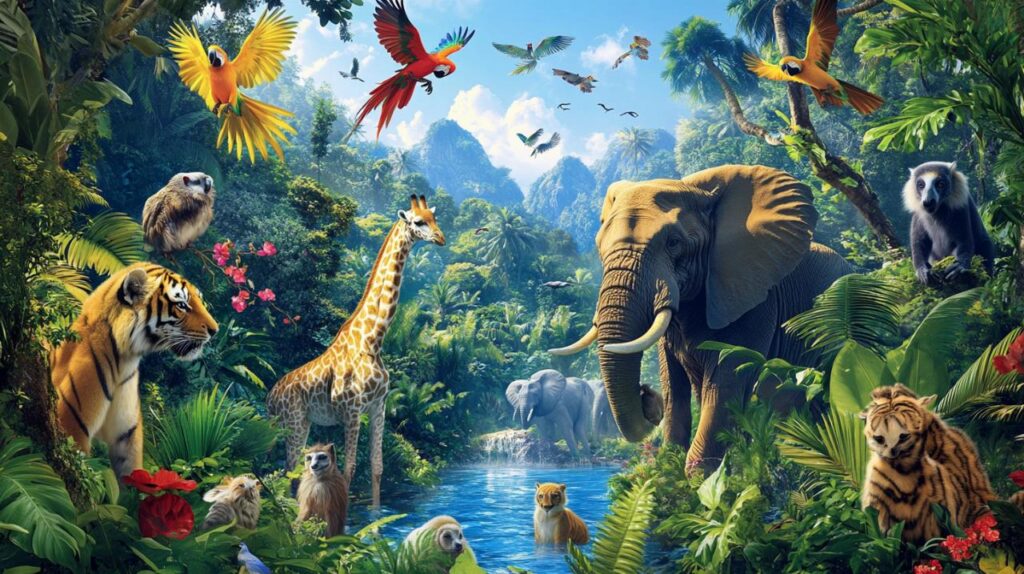
Throughout history, humanity has been captivated by the mysterious and the rare, and nowhere is this more evident than in our enduring fascination with creatures that exist far from our everyday experience. From the dense rainforests of South America to the arid deserts of Africa, exotic animal species continue to inspire wonder, curiosity, and a desire to understand the natural world in all its diversity. This fascination is not merely aesthetic; it touches upon deeper themes of conservation, culture, ecology, and ethics that define our relationship with the planet.
The Allure of Unique and Unusual Wildlife
There is something undeniably compelling about encountering an animal that defies our expectations. Whether it is the striking plumage of a tropical bird, the bizarre morphology of a deep-sea creature, or the elusive nature of a forest-dwelling mammal, these beings captivate us precisely because they are so different from the familiar fauna of our own backyards. The human mind is drawn to novelty, and rare creatures offer a glimpse into the vast evolutionary experiments that have unfolded over millions of years. This allure is not new; it has driven explorers, naturalists, and adventurers for centuries, fuelling both scientific inquiry and popular imagination.
Why rare creatures capture our imagination
The appeal of unusual wildlife lies partly in their scarcity and the challenge of observing them in their natural habitats. exotic animal species often inhabit remote or inaccessible regions, which adds an element of mystery and exclusivity to any encounter. This rarity creates a sense of privilege and wonder, as if witnessing something that few others have seen. Furthermore, many of these creatures possess extraordinary adaptations that defy conventional understanding, such as bioluminescence, extreme camouflage, or unique reproductive strategies. These traits not only fascinate biologists but also resonate with a broader audience who appreciate the ingenuity of nature.
The growing trend of exotic animal appreciation
In recent years, there has been a noticeable increase in public interest in unusual wildlife, driven in part by the accessibility of information through digital media and documentaries. High-quality nature programming and social media platforms have brought the wonders of the natural world into our homes, sparking curiosity and a desire to learn more about species that were once known only to specialists. This trend has also been reflected in the popularity of wildlife tourism, where travellers seek out opportunities to observe rare animals in their native environments. Such experiences not only satisfy a thirst for adventure but also foster a deeper appreciation for biodiversity and the need to protect it.
Conservation efforts for endangered exotic species
As our fascination with unusual wildlife has grown, so too has the awareness of the threats they face. Habitat loss, climate change, poaching, and pollution have placed many exotic animal species on the brink of extinction. Conservation efforts have become increasingly urgent and sophisticated, involving international collaboration, scientific research, and community engagement. The goal is not only to prevent the disappearance of these creatures but also to restore ecosystems and ensure that future generations can continue to marvel at the diversity of life on Earth.
Global initiatives protecting rare wildlife
Numerous international organisations and agreements have been established to safeguard endangered species. Programmes such as the Convention on International Trade in Endangered Species of Wild Fauna and Flora work to regulate and monitor the trade of vulnerable animals, whilst other initiatives focus on habitat preservation and restoration. Conservationists collaborate across borders, sharing data and resources to tackle the complex challenges posed by modern threats. Grassroots movements and local communities also play a vital role, often serving as the first line of defence against illegal activities and environmental degradation. These collective efforts demonstrate a global commitment to preserving the natural heritage that defines our planet.
The Role of Zoos and Sanctuaries in Species Preservation
Zoos and sanctuaries have evolved significantly over the past few decades, transforming from mere exhibition spaces into vital centres for conservation and education. Many institutions now participate in breeding programmes designed to increase the populations of critically endangered species, with the ultimate aim of reintroducing them into the wild. These facilities also serve as important research hubs, where scientists can study animal behaviour, genetics, and health in controlled environments. Moreover, they play a crucial educational role, raising public awareness about the plight of exotic animal species and inspiring visitors to support conservation efforts. The modern zoo is thus a complex entity, balancing the needs of animal welfare, scientific research, and public engagement.
Cultural and Symbolic Importance of Exotic Animals
Beyond their ecological and scientific significance, exotic creatures have long held a place in the cultural and spiritual lives of human societies. Throughout history, unusual animals have been imbued with symbolic meanings, appearing in myths, legends, and religious texts. They have served as totems, omens, and embodiments of natural forces, reflecting the deep connection between humanity and the animal kingdom. Understanding this cultural dimension enriches our appreciation of biodiversity and highlights the diverse ways in which different societies interpret and value the natural world.
Exotic Creatures in Mythology and Folklore
Many cultures have woven tales around rare and mysterious animals, attributing to them powers and qualities that transcend the physical realm. Dragons, phoenixes, and sea serpents are but a few examples of creatures that, whilst often fantastical, draw inspiration from real exotic animal species or the human desire to explain the unknown. In some traditions, specific animals are revered as guardians or bringers of fortune, whilst in others they are feared as harbingers of misfortune. These narratives reveal much about the values, fears, and aspirations of the societies that created them, and they continue to influence art, literature, and popular culture to this day.
How different societies view unusual wildlife
Cultural attitudes towards exotic animals vary widely across the globe. In some regions, certain species are considered sacred and are protected by religious or customary law, whilst in others they may be hunted for food, medicine, or ceremonial purposes. These differing perspectives are shaped by historical, environmental, and socioeconomic factors, and they can have profound implications for conservation efforts. Recognising and respecting these diverse viewpoints is essential for developing effective strategies that balance human needs with the imperative to protect biodiversity. Collaboration between conservationists and local communities often leads to more sustainable and culturally sensitive outcomes.
The ecological significance of exotic species
Every organism, no matter how rare or unusual, plays a role within its ecosystem. Exotic animal species are often key players in maintaining the health and balance of their habitats, whether as predators, prey, pollinators, or seed dispersers. Understanding these ecological roles is crucial for conservation, as the loss of a single species can trigger cascading effects throughout the entire system. At the same time, the introduction of non-native species into new environments can disrupt established ecosystems, highlighting the delicate balance that exists in nature.
Understanding their role in natural ecosystems
Many exotic animals occupy specialised niches, performing functions that no other species can fulfil. For instance, certain pollinators are uniquely adapted to specific plants, and their disappearance would threaten the survival of those flora and the myriad creatures that depend on them. Similarly, apex predators help regulate the populations of other animals, preventing overgrazing and maintaining the structure of habitats. By studying these relationships, ecologists gain insights into the intricate web of life and the importance of preserving every thread. This knowledge informs conservation strategies and underscores the interconnectedness of all living things.
The balance between native and non-native wildlife
Whilst exotic species are often celebrated for their uniqueness, the introduction of non-native animals into new environments can pose significant challenges. Invasive species can outcompete native fauna for resources, spread diseases, and alter habitats in ways that are detrimental to local biodiversity. Managing these impacts requires careful monitoring and, in some cases, active intervention to control or eradicate invasive populations. However, not all non-native species are harmful; some integrate into ecosystems without causing disruption. The key lies in understanding the specific context and adopting a science-based approach to wildlife management that prioritises the health of ecosystems over blanket policies.
Ethical dilemmas surrounding exotic pet ownership
The desire to own and care for exotic animal species has led to a burgeoning trade in unusual pets, raising a host of ethical, legal, and practical concerns. Whilst some individuals are motivated by a genuine love of animals and a commitment to their welfare, others may be drawn by the novelty or status associated with owning a rare creature. The reality is that many exotic animals have complex needs that are difficult to meet in a domestic setting, and their capture or breeding for the pet trade can have serious consequences for wild populations and ecosystems.
The welfare concerns of keeping unusual animals
Exotic pets often require specialised diets, environmental conditions, and social interactions that are challenging to replicate outside their natural habitats. Inadequate care can lead to physical and psychological suffering, and many animals are abandoned or surrendered when their owners realise the extent of the commitment involved. Furthermore, the stress of capture, transport, and confinement can have lasting effects on the health and behaviour of these creatures. Animal welfare advocates argue that, for many species, life in captivity is inherently incompatible with their wellbeing, and that the best way to appreciate them is in their natural environments or in accredited sanctuaries dedicated to their care.
Legal and Moral Responsibilities of Exotic Pet Keepers
Owning an exotic animal comes with significant responsibilities, both legal and moral. Many jurisdictions have enacted regulations to control the trade and ownership of certain species, requiring permits, inspections, and adherence to strict standards of care. These laws are designed to protect both the animals and the public, as some species can pose health or safety risks. Beyond legal compliance, there is a moral obligation to consider the broader impact of exotic pet ownership. Supporting the trade in wild-caught animals can contribute to population declines and ecological disruption, whilst poorly managed breeding operations can perpetuate suffering. Prospective owners must educate themselves thoroughly and reflect on whether they can truly meet the needs of an exotic pet before making such a commitment.