
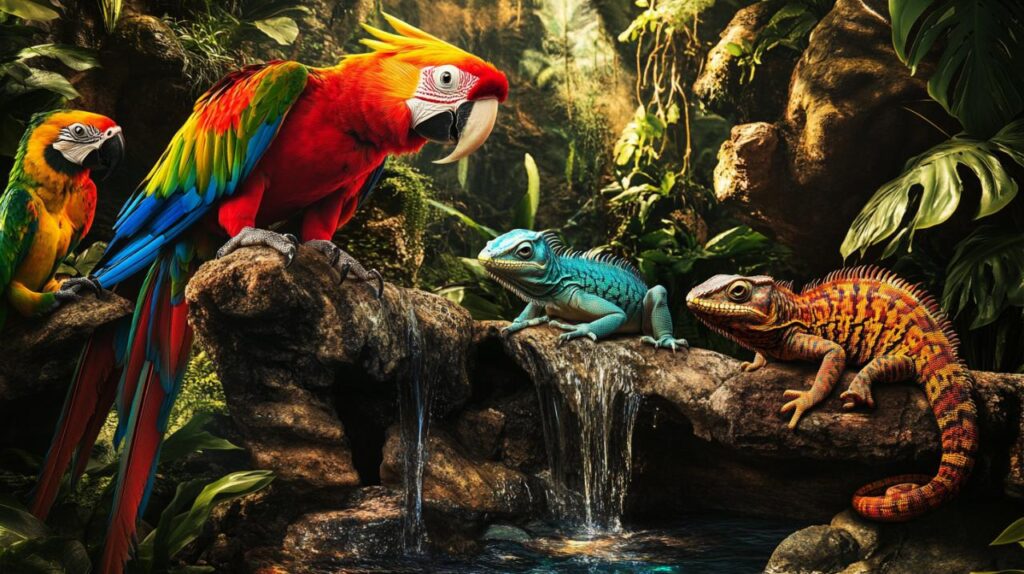
Bringing an exotic animal into your home can be an extraordinarily rewarding experience, but it comes with responsibilities that extend far beyond what many traditional pet owners might expect. These remarkable creatures, from vibrant parrots to elegant iguanas, demand a level of commitment and understanding that reflects their unique origins and complex biological needs. Whether you are considering your first exotic companion or seeking to improve the care of an animal already in your keeping, grasping the fundamentals of exotic animal care is essential to ensuring their health, happiness, and longevity. With over thirteen thousand species of reptiles and amphibians alone kept as pets globally, the diversity of requirements is staggering, and each species brings its own set of challenges and joys.
Understanding your exotic pet's natural requirements
The foundation of responsible exotic animal care lies in a thorough understanding of the species-specific needs and behaviours of your chosen companion. Unlike domesticated cats or dogs, exotic animals retain many of the instincts and biological imperatives of their wild counterparts. This means that before welcoming an exotic pet into your life, you must invest time in researching everything from their dietary preferences to their social structures. For instance, a parrot may thrive on seeds and fruits, whilst an iguana requires a diet rich in vegetables to maintain optimal health. Overlooking these nuances can lead to serious health complications and a diminished quality of life for your pet.
Researching species-specific needs and behaviours
Every exotic species comes with a unique set of requirements that must be meticulously understood and respected. Some animals are highly social and require regular interaction with their human caregivers or even other members of their species, whilst others are solitary and may become stressed by excessive handling. Understanding these behavioural traits is crucial for creating an environment where your pet can flourish. Additionally, many exotic animals have specific temperature and humidity control needs that must be replicated indoors to prevent illness. Failing to account for these factors can result in stress, behavioural issues, and a host of preventable health problems. Engaging with reputable sources, consulting with experienced veterinary services, and connecting with communities of fellow exotic pet owners can provide invaluable insights into the day-to-day realities of caring for your chosen species.
Creating an authentic habitat environment
Once you have a firm grasp of your exotic pet's natural requirements, the next step is to create a habitat that faithfully mimics their native environment. This involves more than simply placing your animal in a tank or cage; it requires careful attention to substrate, lighting, temperature gradients, and even humidity levels. For reptiles and amphibians, the right balance of these elements is critical to their physiological processes, including digestion, shedding, and overall wellness. Many species also benefit from enrichment features such as climbing structures, hiding spots, and water features that encourage natural behaviours. Regular maintenance of habitat cleanliness is equally important, as a dirty environment can quickly become a breeding ground for bacteria and parasites. By investing in quality equipment and committing to routine upkeep, you can provide your exotic pet with a space that not only supports their physical health but also promotes mental stimulation and behavioural enrichment.
Nutrition and Dietary Considerations for Exotic Animals
Feeding an exotic pet is far more complex than simply filling a bowl with generic pet food. Each species has evolved to consume a particular diet in the wild, and replicating this as closely as possible is essential for their long-term health. Nutritional deficiencies or imbalances can lead to a range of serious health issues, from metabolic bone disease in reptiles to feather plucking in parrots. Understanding the dietary requirements of your exotic pet is therefore a cornerstone of responsible ownership.
Tailoring a Balanced Diet to Your Pet's Species
A balanced diet for an exotic animal is one that provides all the necessary nutrients in the correct proportions. For example, iguanas thrive on a diet dominated by leafy greens and vegetables, whilst parrots require a varied mix of seeds, nuts, fruits, and vegetables to meet their nutritional needs. Fresh produce should be a staple, and it is important to source high-quality, pesticide-free options whenever possible. Some species also require specific supplements, such as calcium or vitamin D3, to support bone health and metabolic function. Consulting with a veterinary professional who has expertise in exotic animals can help you develop a personalised care plan that addresses your pet's unique dietary needs. Additionally, staying informed about the latest research and recommendations in exotic pet care can help you make adjustments as your pet ages or as new information becomes available.
Avoiding common feeding mistakes
Even well-intentioned owners can fall into common feeding traps that compromise their pet's health. Overfeeding, offering inappropriate foods, or failing to provide sufficient variety are all mistakes that can have serious consequences. For instance, feeding a ferret a diet intended for cats or dogs can lead to nutritional imbalances, whilst offering a parrot too many high-fat seeds can result in obesity and related health issues. It is also important to be aware of toxic foods that should never be given to your exotic pet, such as avocado for birds or certain types of insects for reptiles. By educating yourself about the specific dietary requirements and restrictions of your chosen species, you can avoid these pitfalls and ensure that your pet receives the nutrition they need to thrive.
Health monitoring and veterinary care
Regular health monitoring and access to specialised veterinary services are vital components of exotic animal care. Unlike more common pets, exotic animals often hide signs of illness until a condition has progressed significantly, making early detection and preventative care all the more important. Establishing a relationship with a veterinarian who has experience in treating exotic species is one of the most important steps you can take to safeguard your pet's wellbeing.
Regular health checks and warning signs
Routine wellness examinations, ideally conducted at least once a year, allow a veterinary professional to assess your pet's overall health and catch potential issues before they become serious. During these check-ups, your vet will evaluate your pet's weight, body condition, and behaviour, as well as perform any necessary diagnostic tests. Between visits, it is your responsibility to monitor your pet closely for any changes in behaviour, appetite, or appearance. Common warning signs of illness include lethargy, loss of appetite, changes in droppings, difficulty breathing, and unusual aggression or withdrawal. Early illness detection can make a significant difference in treatment outcomes, so it is essential to trust your instincts and seek professional advice if something seems amiss. Keeping a detailed record of your pet's health history, including diet, behaviour, and any medical treatments, can also be invaluable in helping your vet provide the best possible care.
Finding a Vet with Exotic Animal Expertise
Not all veterinary clinics are equipped to handle exotic animals, so finding a vet with the necessary expertise is crucial. Look for a practice that explicitly offers specialised veterinary services for exotic species and ask about the qualifications and experience of the staff. A good exotic animal vet will be knowledgeable about species-specific needs, familiar with the latest advancements in exotic pet care, and able to provide guidance on everything from habitat setup to dietary requirements. Building a strong relationship with your vet ensures that you have a trusted resource to turn to in times of need, whether for routine preventative care or emergency treatment. During the cost-of-living crisis, maintaining access to quality veterinary care can be challenging, but it is an investment that pays dividends in the health and happiness of your pet.
Legal and Ethical Responsibilities of Exotic Pet Ownership
Owning an exotic animal is not simply a matter of desire and capability; it also involves navigating a complex landscape of legal and ethical considerations. In the United Kingdom, regulations surrounding the ownership of exotic pets are designed to protect both the animals and the public, and it is your responsibility to ensure that you are in full compliance with these rules.
Navigating uk regulations and licensing requirements
The legal framework governing exotic pet ownership in the UK includes licensing requirements, restrictions on certain species, and standards for housing and care. Depending on the type of animal you wish to keep, you may need to obtain a licence from your local authority, demonstrate that you have appropriate facilities, and provide evidence of your ability to meet the animal's welfare needs. Failing to comply with these regulations can result in fines, the confiscation of your pet, or even criminal charges. It is therefore essential to familiarise yourself with the specific laws that apply to your chosen species and to keep abreast of any changes in legislation. Consulting with organisations that campaign against animal cruelty and advocate for animal welfare can provide valuable guidance and support as you navigate these requirements.
Ethical considerations before acquiring an exotic pet
Beyond the legal requirements, there are important ethical questions to consider before bringing an exotic animal into your home. Many exotic pets are captured from the wild or bred in conditions that do not prioritise their welfare, and purchasing such animals can inadvertently support harmful practices. It is crucial to source your pet from reputable breeders or rescue organisations that prioritise the health and well-being of their animals. Additionally, you should carefully consider whether you have the time, resources, and knowledge to meet the complex needs of an exotic pet over the entirety of its lifespan. Exotic animals are not a fleeting hobby; they are a long-term commitment that requires dedication, patience, and a genuine respect for the animal's natural behaviours and requirements. Reflecting on these ethical considerations before making a decision can help ensure that you are prepared for the responsibilities ahead.
Long-term commitment and social enrichment
Exotic pet ownership is a long-term commitment that extends far beyond the initial excitement of bringing a new animal home. Many exotic species have lengthy lifespans, and their care requirements can evolve as they age. Understanding the full scope of this commitment is essential to providing a stable and fulfilling life for your pet.
Preparing for your exotic pet's lifespan
Some exotic animals can live for several decades, meaning that acquiring one is a decision that will shape a significant portion of your life. Parrots, for example, can live for fifty years or more, whilst certain reptiles may have lifespans of twenty to thirty years or longer. This longevity requires a commitment to ongoing care, including routine veterinary check-ups, habitat maintenance, and adapting to any changes in your pet's health or behaviour. It is also important to consider lifespan considerations when making plans for the future, such as ensuring that someone else can care for your pet if you are unable to do so. By preparing for the long term, you can provide your exotic pet with the stability and consistency they need to thrive.
Meeting behavioural and social needs
In addition to physical care, exotic animals require mental stimulation and social interaction to maintain their psychological well-being. Many species benefit from behavioural enrichment activities such as puzzle toys, foraging opportunities, and interactive play. Social interaction is also vital for some species, with animals like parrots and ferrets requiring regular companionship to prevent loneliness and boredom. Conversely, other species may be more solitary and can become stressed by excessive handling or interaction. Understanding the social needs of your pet and providing appropriate opportunities for companionship and enrichment can help prevent behavioural issues and ensure a happier, healthier life. By committing to meeting both the physical and emotional needs of your exotic animal, you can build a rewarding relationship that enriches both your lives.