
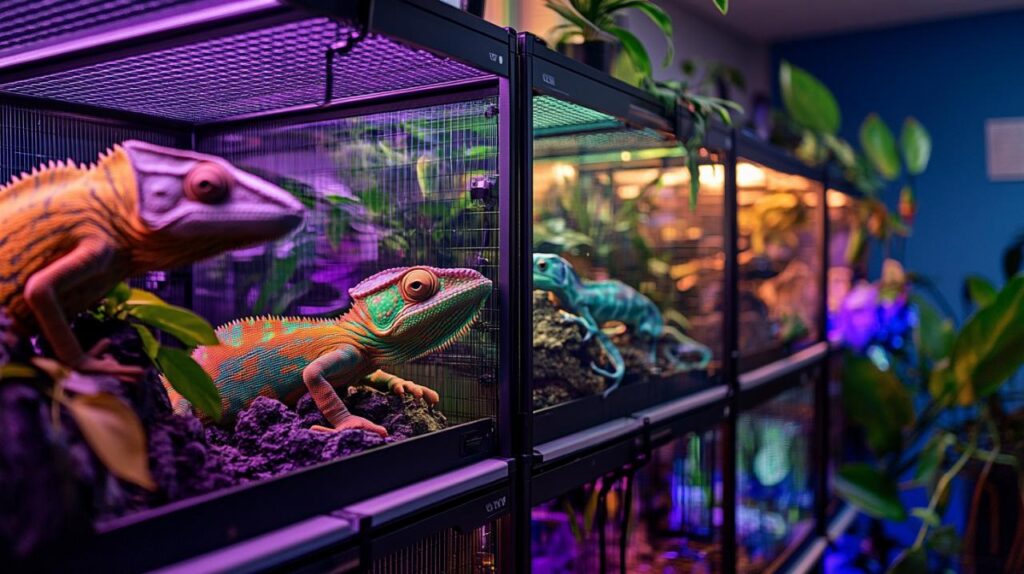
Bringing an exotic animal into your home can be one of the most rewarding experiences for any enthusiast, but it also comes with a unique set of responsibilities that extend far beyond the care of traditional pets. From reptiles basking under carefully calibrated heat lamps to more unusual companions requiring bespoke dietary regimes, the world of exotic pet ownership demands dedication, research, and a willingness to adapt your living space to meet the specific needs of these remarkable creatures. Whether you are considering a bearded dragon, a corn snake, or another captivating species, understanding the fundamentals of their care is essential to ensure their health, happiness, and longevity.
Understanding your exotic pet's unique requirements
One of the most critical steps in responsible exotic pet ownership is recognising that each species comes with its own set of environmental, behavioural, and dietary needs. Unlike cats or dogs, exotic animals have evolved in diverse habitats around the world, and replicating these conditions at home is paramount to their wellbeing. An exotic animal care guide serves as an invaluable resource for new and experienced keepers alike, offering insights into the subtleties of temperature regulation, humidity levels, and the spatial requirements that allow these animals to thrive. Ignoring these factors can lead to stress, illness, and a shortened lifespan, making thorough research an indispensable part of the journey.
Researching species-specific needs and behaviours
Before welcoming an exotic pet into your home, it is essential to delve into the natural history and behavioural tendencies of the species you are considering. Reptiles such as bearded dragons and corn snakes, for instance, have distinct habitat preferences and activity patterns that must be understood to provide adequate care. Bearded dragons hail from the arid regions of Australia and require a basking spot with high temperatures alongside a cooler retreat, while corn snakes, native to North America, thrive in environments that mimic woodland floors with ample hiding spaces. Understanding these nuances allows you to anticipate their needs and create a living space that supports their instinctive behaviours. Moreover, researching the lifespan of your chosen species is crucial, as many exotic pets live for decades, demanding a long-term commitment that should not be taken lightly.
Beyond physical requirements, recognising the social and psychological needs of exotic animals is equally important. Some species are solitary by nature and may become stressed if housed with others, while certain reptiles and birds benefit from environmental enrichment that stimulates their natural foraging and exploratory instincts. Observing your pet's behaviour and adjusting their environment accordingly fosters a sense of security and contentment. Many keepers find that spending time learning about their pet's body language and vocalisation can significantly enhance the bond between human and animal, leading to a more rewarding experience for both parties.
Creating the Ideal Habitat with Proper Environmental Controls
Once you have a solid understanding of your exotic pet's needs, the next step is to establish a habitat that accurately reflects their natural environment. Temperature and humidity control are non-negotiable aspects of exotic pet care, particularly for reptiles, which rely on external heat sources to regulate their body temperature. Investing in quality heating and lighting equipment, including thermostats and hygrometers, ensures that your pet's enclosure remains within the optimal range at all times. In the current economic climate, where the cost of living has become a pressing concern for many households, maintaining these conditions can feel daunting. However, there are practical measures you can take to alleviate expenses without compromising on care. For example, sharing heat sources between multiple enclosures, seeking out energy-efficient equipment, and exploring cheaper energy tariffs can all contribute to more manageable running costs.
Temperature monitoring is a task that requires diligence, and many experienced keepers recommend using three thermometers positioned at different points within the enclosure to ensure accuracy. This approach allows you to verify that the basking area, the mid-zone, and the cooler end of the habitat are all at appropriate levels. Additionally, crafting DIY toys and perches from safe, natural materials can enrich your pet's environment while keeping costs down. Old toothbrushes can be repurposed for cleaning hard-to-reach corners, and a solution of diluted white vinegar serves as an effective and non-toxic disinfectant. These small adjustments not only save money but also encourage a hands-on approach to pet care that deepens your understanding of your animal's needs.
Maintaining Health and Wellbeing for Exotic Companions
Ensuring the long-term health of an exotic pet goes beyond creating the perfect habitat. Regular monitoring, a tailored diet, and access to specialist veterinary care are all essential components of responsible ownership. Exotic animals can be prone to health issues that are not always immediately apparent, making proactive care and routine check-ups vital. Building a relationship with a veterinary practice that has experience in treating exotic species provides peace of mind and ensures that any concerns can be addressed promptly and professionally.
Nutrition Planning and Dietary Considerations for Different Species
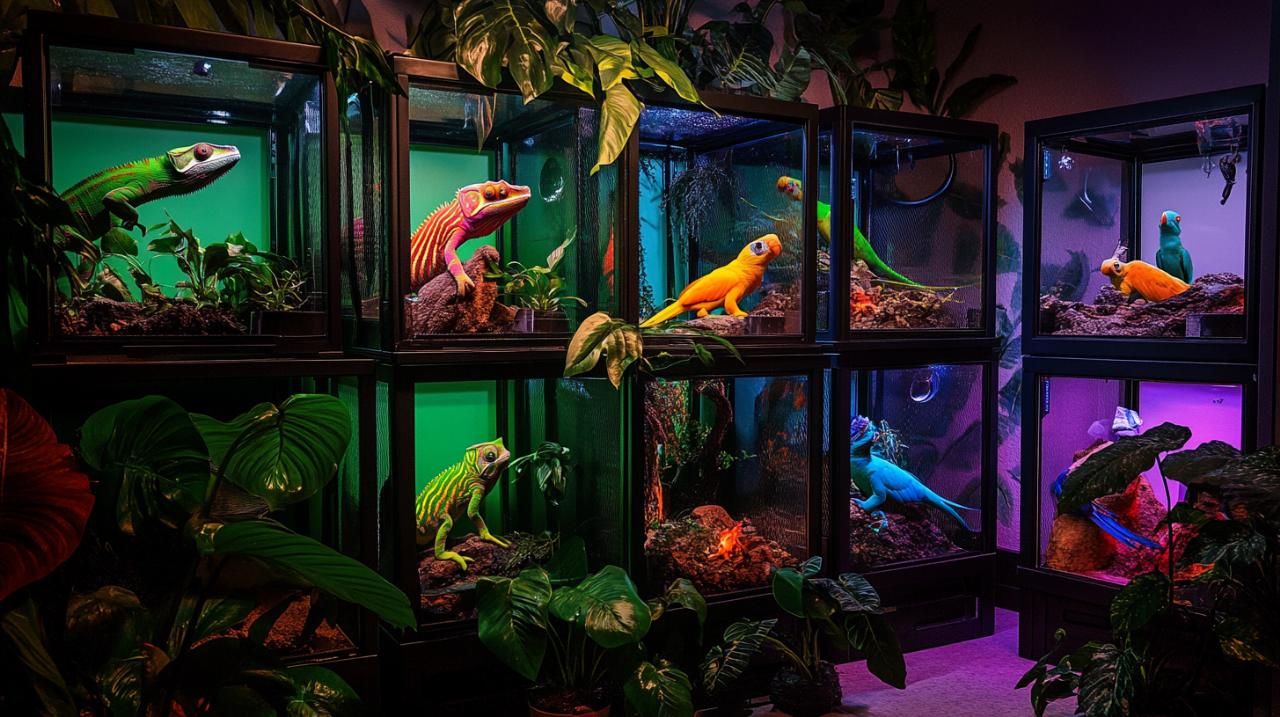
Diet is one of the most variable aspects of exotic pet care, with each species requiring a carefully balanced intake of nutrients to maintain optimal health. Reptiles, for instance, often need a combination of live prey, vegetables, and supplements to meet their dietary needs. Bearded dragons thrive on a mix of insects and leafy greens, with calcium and vitamin supplements playing a crucial role in preventing metabolic bone disease. Corn snakes, on the other hand, are carnivorous and require appropriately sized rodents, typically offered frozen and then thawed to ensure safety and convenience. Feeding tips such as using frozen portions can help manage costs and reduce waste, while scatter feeding encourages natural foraging behaviours and provides mental stimulation for your pet.
Understanding the feeding schedule for your exotic pet is equally important, as overfeeding or underfeeding can lead to serious health complications. Many reptiles have slower metabolisms than mammals, meaning they require less frequent meals. Monitoring your pet's weight and body condition regularly allows you to adjust their diet as needed, ensuring they remain healthy and active. For those caring for multiple exotic animals or managing a tight budget, planning meals in advance and sourcing food from reputable suppliers can make a significant difference in both cost and quality.
Regular Veterinary Care and Legal Compliance for Exotic Pet Ownership
Access to specialist veterinary services is a cornerstone of exotic pet care, as these animals often require medical attention that goes beyond the scope of a general practice. Molesey Vets, for example, offers a range of services tailored to the needs of exotic pets, ensuring that owners have a trusted partner in maintaining their animal's health. Routine check-ups, parasite screenings, and dental care are just some of the services that can prevent minor issues from escalating into major health crises. Building a relationship with a vet who understands the intricacies of exotic animal medicine provides invaluable support, particularly for first-time owners navigating the complexities of species-specific care.
In addition to medical care, understanding the legal requirements surrounding exotic pet ownership is essential to ensure compliance with local and national regulations. Some species are subject to licensing, permits, or restrictions, and failing to adhere to these rules can result in legal consequences and the potential loss of your pet. Educating yourself about the legal landscape before acquiring an exotic animal not only protects you but also supports broader conservation efforts by discouraging the illegal trade of wildlife. Many organisations and veterinary centres offer resources and guidance on these matters, making it easier for prospective owners to make informed and responsible decisions.
Caring for exotic pets also involves recognising that every animal is unique, with individual preferences and quirks that set them apart from others of their species. Bonding with your pet takes patience and consistency, and techniques such as glove training for nervous animals or using a worn t-shirt to provide a familiar scent can help build trust over time. Handling your pet gently and respecting their natural behaviours fosters a positive relationship and reduces stress for both of you. Whether you are a seasoned keeper or embarking on your first exotic pet adventure, the commitment to continuous learning and adaptation is what ultimately ensures the health and happiness of these extraordinary creatures.
For those seeking further support or advice, reaching out to specialist services such as Molesey Veterinary Centre, located at Park Road in East Molesey, can provide valuable insights and assistance. With a commitment to offering comprehensive care for a wide range of animals, including cats, dogs, horses, rabbits, farm animals, and wildlife, such centres are invaluable resources for the exotic pet community. Additionally, many organisations welcome donations, gift aid, and sponsorship to support their work, ensuring that both pets and their owners receive the care and guidance they deserve.