
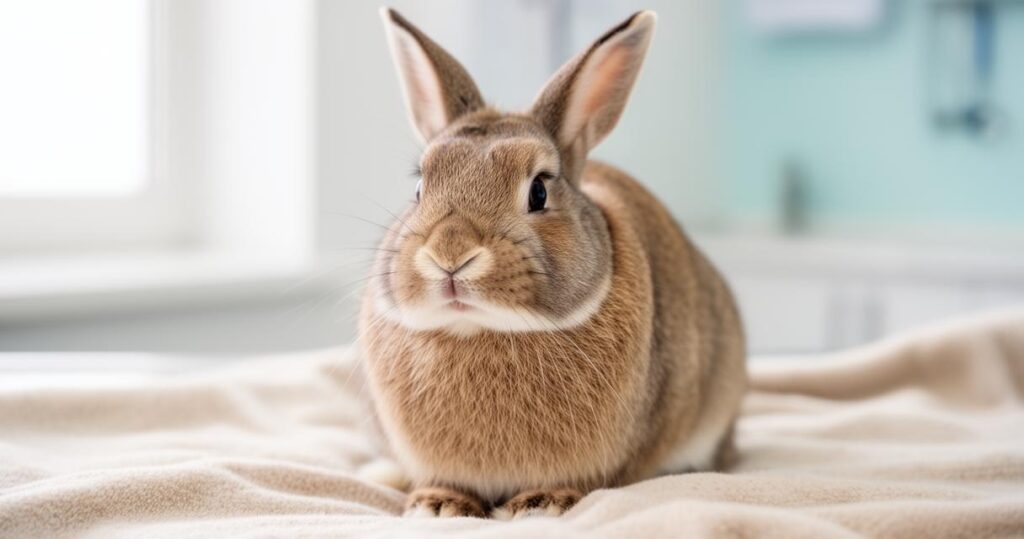
Coryza is a respiratory condition that affects many rabbits, causing distress and concern for pet owners who wish to see their companions healthy and thriving. This disease primarily manifests through symptoms such as nasal discharge, sneezing, and difficulty breathing, all of which can significantly impact the quality of life for affected animals. Understanding the underlying causes of this condition and how to treat it effectively whilst safeguarding the immune system is essential for any rabbit owner committed to providing the best possible care for their pet.
Understanding Coryza in Rabbits: Symptoms and Respiratory Health Concerns
Recognising the early signs of coryza in rabbits is crucial for timely intervention and successful management. The condition typically begins with mild symptoms that can easily be mistaken for a simple cold, but without proper attention, these signs can escalate into more serious respiratory complications. Owners may notice their rabbit sneezing more frequently than usual, which can be accompanied by a clear or cloudy nasal discharge. As the condition progresses, the discharge may become thicker and more purulent, indicating a deeper infection that requires immediate veterinary attention.
Recognising the Clinical Signs of Coryza in Your Rabbit
The clinical signs of coryza extend beyond simple nasal discharge and sneezing. Many rabbits will also exhibit laboured breathing, a reluctance to eat or drink, and a noticeable decrease in their usual activity levels. These symptoms are often the result of inflammation and congestion in the nasal passages and upper respiratory tract, which can make it difficult for the rabbit to breathe comfortably. In some cases, the eyes may also become watery or develop a discharge, further indicating that the respiratory system is under duress. Observing these changes in behaviour and physical appearance is vital for early detection, as prompt treatment can prevent the condition from worsening and causing long-term damage to the respiratory system.
The Role of Pasteurella multocida and Other Pathogens in Respiratory Infections
Pasteurella multocida is one of the primary bacterial pathogens responsible for respiratory infections in rabbits, and it plays a significant role in the development of coryza. This bacterium is commonly found in the nasal passages and upper respiratory tract of many rabbits, often remaining dormant until the immune system is weakened by stress, poor nutrition, or environmental factors. Once the bacteria become active, they can cause a range of symptoms from mild nasal discharge to severe pneumonia. In addition to Pasteurella multocida, other pathogens including various viruses and secondary bacterial invaders can complicate the clinical picture, making it essential to identify the specific cause of the infection through veterinary diagnostics. The interplay between these microorganisms and the rabbit's immune response determines the severity and duration of the disease, highlighting the importance of a comprehensive approach to treatment and prevention.
Effective Treatment Strategies and Prevention Methods for Rabbit Coryza
Treating coryza in rabbits requires a multifaceted approach that addresses both the immediate symptoms and the underlying infection. The goal is not only to alleviate discomfort but also to restore the respiratory system to full health whilst supporting the overall immune function of the animal. Veterinary intervention is the cornerstone of effective treatment, as only a qualified professional can accurately diagnose the condition and prescribe the appropriate medications and supportive care measures.
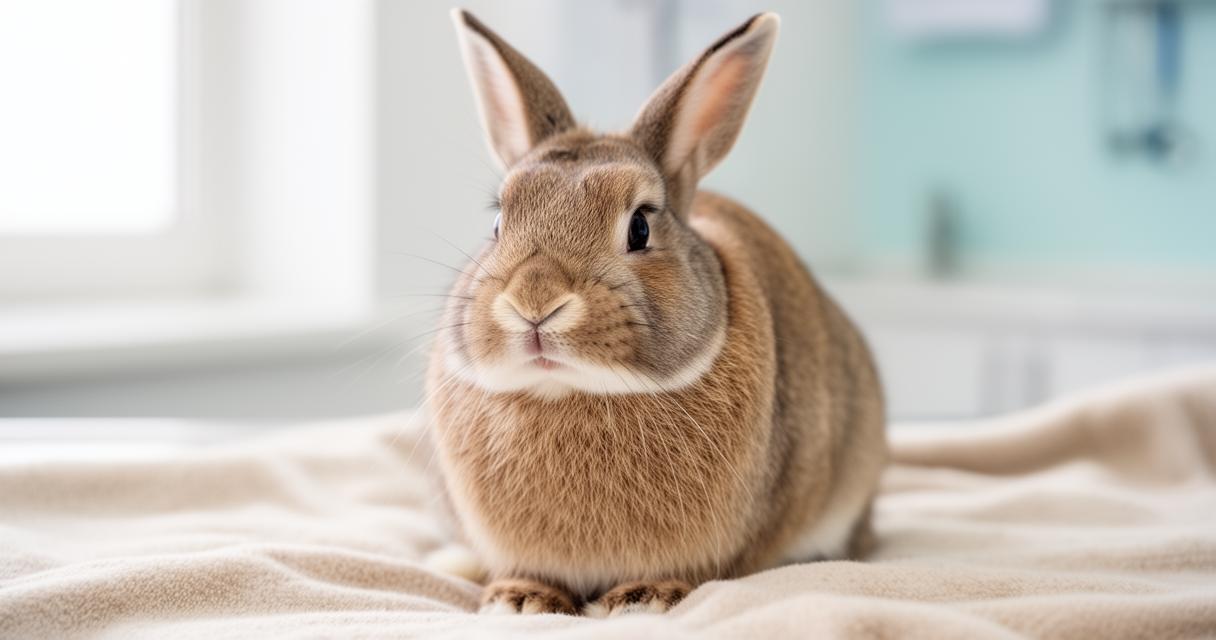
Veterinary Diagnosis and Tailored Treatment Approaches Based on Age and Condition
A thorough veterinary examination is the first step in managing coryza, as it allows the vet to assess the severity of the infection and determine the most suitable treatment plan. Diagnostic tests may include nasal swabs, blood tests, and radiographs to evaluate the extent of respiratory involvement and identify any secondary complications. Treatment typically involves the administration of antibiotics to combat bacterial infections, with the choice of medication tailored to the specific pathogens involved and the overall health status of the rabbit. It is important to note that the age and general condition of the rabbit play a significant role in determining the treatment protocol. Younger rabbits or those with pre-existing health conditions may require more intensive care and closer monitoring to ensure a successful recovery. In some cases, supportive therapies such as nebulisation and oxygen therapy may be recommended to ease breathing difficulties and help clear the airways.
Vaccination Options and Long-term Prevention Measures for Your Rabbit
Vaccination is an important tool in the prevention of respiratory diseases in rabbits, although specific vaccines for coryza may not always be available. However, ensuring that your rabbit receives all recommended vaccinations can help strengthen its immune system and reduce the risk of secondary infections that may complicate respiratory illnesses. Beyond vaccination, long-term prevention measures include maintaining a clean and well-ventilated living environment, minimising stress, and providing a balanced diet rich in essential nutrients. Regular veterinary check-ups are also vital, as they allow for early detection of any health issues and ensure that your rabbit remains in optimal condition. By adopting a proactive approach to your pet's health, you can significantly reduce the likelihood of coryza and other infectious diseases taking hold.
Supporting your rabbit's immune system during recovery from coryza
The immune system plays a pivotal role in the recovery process, and supporting it effectively can make a substantial difference in the speed and completeness of healing. While antibiotics and other medications target the infection directly, bolstering the rabbit's natural defences helps the body fight off pathogens more efficiently and reduces the risk of recurrence. This involves a combination of proper nutrition, adequate hydration, and environmental management to create the best possible conditions for recovery.
The Importance of Proper Hydration and Nutritional Support for Affected Rabbits
Hydration is particularly important for rabbits suffering from coryza, as the illness can lead to a reduced appetite and a reluctance to drink water. Ensuring that fresh, clean water is always available is essential, and in some cases, offering water-rich vegetables or using a syringe to provide small amounts of water may be necessary to maintain adequate hydration levels. Nutritional support is equally critical, as a well-balanced diet provides the vitamins and minerals needed to support immune function and promote tissue repair. High-quality hay, fresh leafy greens, and specially formulated rabbit pellets should form the basis of the diet, with care taken to avoid foods that may be too rich or difficult to digest during the recovery period. Monitoring the rabbit's weight and overall condition closely during treatment can help identify any nutritional deficiencies early and allow for timely adjustments to the diet.
Strengthening natural defences to help your rabbit combat infectious diseases
Strengthening the natural defences of your rabbit involves more than just addressing immediate health concerns; it requires a holistic approach that considers all aspects of the animal's wellbeing. Stress is a known suppressor of immune function, so creating a calm and stable environment is essential for recovery. This may involve reducing noise levels, providing comfortable bedding, and ensuring that the rabbit has a safe space where it can rest undisturbed. Regular gentle handling and interaction can also help to reassure your pet and reduce anxiety. In addition to environmental factors, supplements and natural remedies may be considered under veterinary guidance to support immune health, although it is important to discuss any such interventions with a professional to avoid potential interactions with prescribed medications. By focusing on both the physical and emotional needs of your rabbit, you can help to create the ideal conditions for a swift and complete recovery from coryza whilst safeguarding long-term health and resilience against future infections.