
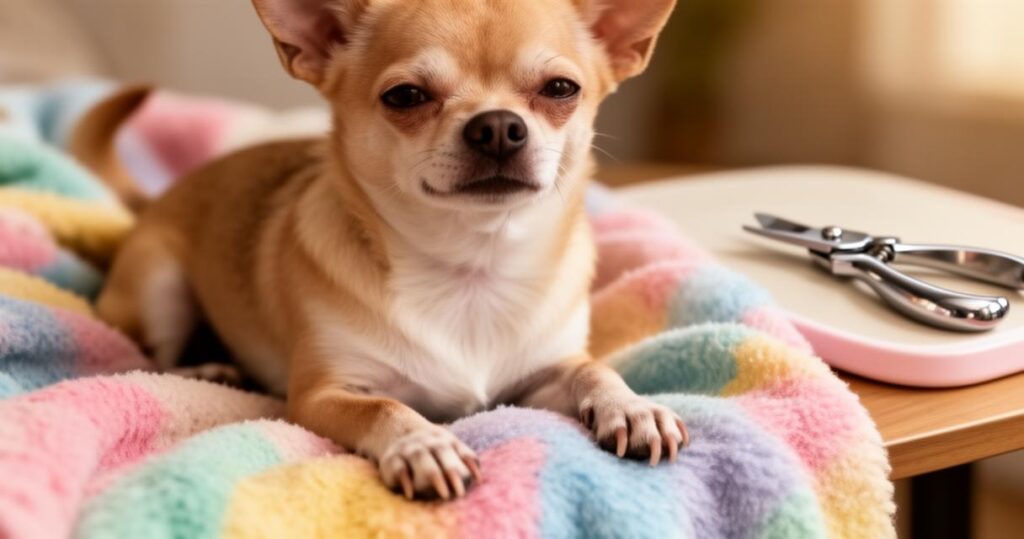
Keeping your Chihuahua's claws at an appropriate length is one of the most important aspects of responsible pet ownership, yet it often becomes a source of worry for many dog owners. Whether you are new to canine care or have years of experience, understanding the nuances of nail trimming can transform this routine task into a stress-free activity that benefits both you and your beloved companion. With the right approach, a bit of patience, and a solid grasp of the fundamentals, you can confidently maintain your dog's nails at home, ensuring their comfort and health for years to come.
- Understanding a dog's nail anatomy, particularly the blood-filled 'quick,' is essential to avoid causing pain and bleeding during trimming.
- Regular nail maintenance is vital for a Chihuahua's health, as overgrown nails can cause joint strain, mobility issues, and even painful infections.
- To trim dark nails safely, owners should cut in small increments and watch for a change in texture inside the nail, which indicates the proximity of the quick.
- Accidental bleeding can be managed by remaining calm and applying styptic powder or cornflour with gentle pressure to the affected nail.
- Establishing a consistent, positive grooming routine helps prevent nail-related injuries and reduces anxiety, strengthening the bond between owner and pet.
- Proper preparation, such as selecting a well-lit space and using appropriate tools like scissor-style clippers, ensures a safer and more efficient trimming session.
Understanding Your Chihuahua's Nail Anatomy and the Importance of Regular Trimming
Before you pick up a pair of clippers, it is essential to familiarise yourself with the basic structure of your dog's claws. Unlike human nails, a dog's nail contains a living section known as the quick, which includes blood vessels and nerve endings. This part of the nail is sensitive, and cutting into it can cause discomfort and bleeding. In lighter-coloured nails, the quick is often visible as a pinkish area within the nail, making it easier to identify where to cut. However, in darker nails, which are common in many Chihuahuas, spotting the quick becomes more challenging, requiring extra caution and a conservative approach.
Regular nail maintenance is not merely a cosmetic concern; it plays a vital role in your Chihuahua's overall health and wellbeing. Overgrown nails can alter the way your dog walks, placing undue pressure on their joints and potentially leading to pain or long-term mobility issues. In severe cases, excessively long nails may curl and grow into the paw pads, causing infections and considerable discomfort. Furthermore, untrimmed dew claws, which do not naturally wear down through walking, can become problematic if neglected. By keeping your dog's nails trimmed, you help them move comfortably, reduce the risk of injury, and contribute to their quality of life.
Recognising the Quick and Preventing Bleeding During Nail Care
Identifying the quick is the cornerstone of safe nail trimming. For dogs with translucent or white nails, hold the paw up to a light source to see the pink tissue running through the centre of the nail. Trim just beyond this point, leaving a small margin to avoid accidentally cutting into the quick. For darker nails, it is wise to trim in small increments, examining the cut surface after each snip. As you approach the quick, the centre of the nail will begin to change from a dry, hollow appearance to a darker, more solid look. This change signals that you are nearing the sensitive area and should stop trimming.
Despite your best efforts, accidents can happen, and nicking the quick is not uncommon, especially when you are still learning. If bleeding occurs, remain calm and apply a styptic powder or cornflour to the affected nail. Gentle pressure with a clean cloth can also help stem the flow. Most minor bleeding will stop within a few minutes, but if it persists or if you notice signs of distress in your dog, it is advisable to consult a veterinarian. With practice and patience, you will become more adept at recognising the quick and minimising the risk of injury.
Why Proper Nail Maintenance is Crucial for Your Chihuahua's Health and Wellbeing
The consequences of neglecting your Chihuahua's nails extend beyond immediate discomfort. Dogs rely on their paws for balance and traction, and overgrown nails can interfere with these natural functions. When nails grow too long, they force the toes to splay unnaturally, which can lead to pain and even arthritis over time. This is particularly concerning for smaller breeds like Chihuahuas, whose delicate frames are more susceptible to joint strain. Regular trimming helps maintain proper posture and gait, reducing the likelihood of chronic pain and ensuring your dog remains active and happy.
In addition to physical health, nail care has implications for your dog's behaviour and emotional state. Overgrown nails can catch on carpets, furniture, or outdoor surfaces, causing sudden jolts that may frighten or injure your pet. This can lead to anxiety around certain environments or activities, diminishing their confidence and enjoyment of daily life. By establishing a consistent grooming routine, you not only protect your Chihuahua from these risks but also strengthen the bond of trust between you, as they learn to associate nail care with gentle, positive interactions.
Step-by-Step Guide to Trimming Your Chihuahua's Claws Safely at Home
Embarking on the task of trimming your Chihuahua's nails at home requires preparation, the right tools, and a methodical approach. Begin by selecting a quiet, well-lit space where both you and your dog feel comfortable. Gather all necessary supplies before you start, including clippers, a file, styptic powder, and a few treats to reward your pet for good behaviour. It is helpful to have someone assist you, especially during the initial sessions, as they can hold your dog steady and offer reassurance while you focus on the trimming.
When you are ready to begin, gently hold your dog's paw and examine each nail. Identify the quick if possible, and decide where to make the first cut. Position the clippers at a slight angle, parallel to the floor, to avoid crushing the nail. Make a clean, confident snip, removing only a small portion of the nail. Repeat this process for each claw, working slowly and checking your progress frequently. Remember to include the dew claws, which are located higher up on the leg and do not naturally wear down through walking. Throughout the process, speak to your Chihuahua in a calm, soothing voice, and offer treats and praise to reinforce positive behaviour.
Choosing the Right Tools and Techniques for Effective Nail Trimming
The choice of tools can significantly impact the ease and safety of nail trimming. Scissor-style clippers are a popular option for small breeds, as they offer precision and control. Guillotine clippers are another choice, though some dog owners find them less intuitive to use. For those who prefer a quieter, more gradual approach, electric nail grinders can be an excellent alternative. These devices file down the nail incrementally, reducing the risk of cutting too deeply, though they do require your dog to become accustomed to the noise and vibration.
Regardless of the tool you choose, ensure it is sharp and well-maintained. Dull blades can crush the nail rather than cutting cleanly, causing unnecessary discomfort. It is also important to consider your dog's size and the thickness of their nails when selecting clippers. For Chihuahuas, a smaller, more precise tool is generally preferable, as their nails are finer than those of larger breeds. Take the time to practise holding and manipulating the clippers before you begin, so you feel confident and in control during the actual trimming session.
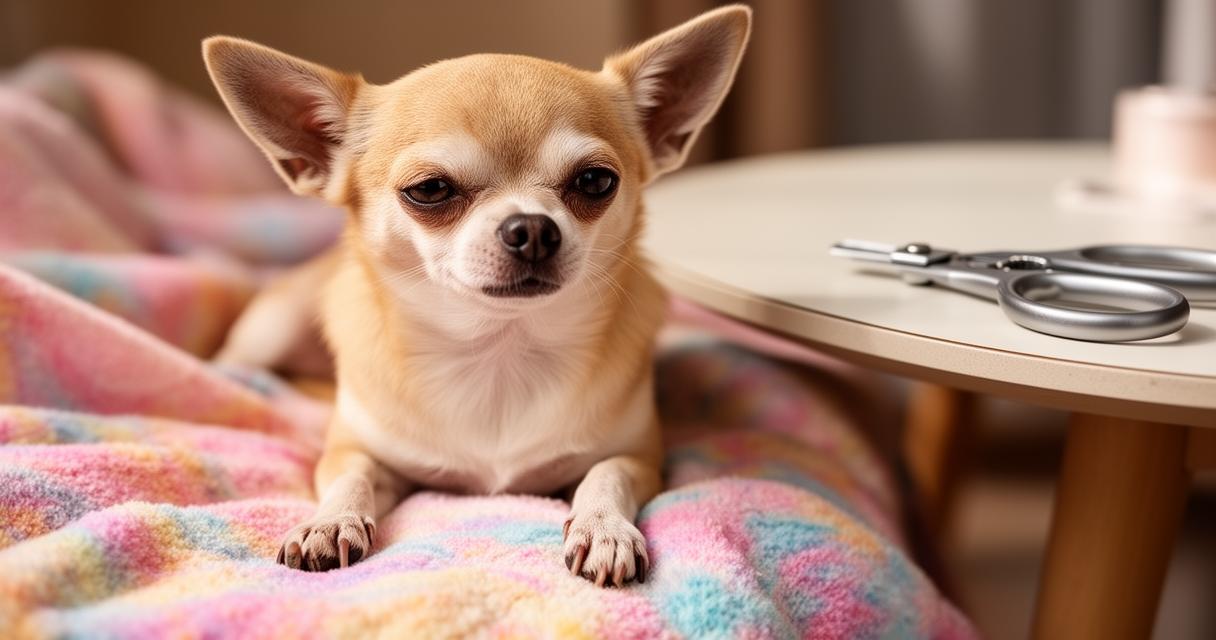
Using a File to Smooth and Shape Your Dog's Nails After Cutting
Once you have trimmed your Chihuahua's nails to an appropriate length, using a file to smooth the edges is a crucial finishing step. Freshly cut nails can be sharp and rough, posing a risk of scratching to both you and your dog. A standard emery board or a specialised pet nail file can be used to gently round off any jagged edges, creating a smooth, comfortable finish. This process also helps prevent the nail from snagging on fabrics or other surfaces, which can cause splitting or tearing.
Filing also offers an opportunity to further refine the shape of the nail, ensuring it sits neatly against the paw. Work in gentle, even strokes, checking your progress regularly to avoid over-filing. Some dogs may be more sensitive to the sensation of filing than clipping, so proceed slowly and watch for signs of discomfort. If your Chihuahua becomes restless, take a break and resume later. Over time, they will grow more accustomed to the routine, and the process will become quicker and easier for both of you.
Keeping your chihuahua calm and stress-free during grooming sessions
One of the greatest challenges in nail trimming is managing your dog's anxiety and ensuring they remain calm throughout the process. Many dogs have a natural aversion to having their paws handled, and previous negative experiences can exacerbate this fear. Creating a positive association with nail care is therefore essential. Start by handling your Chihuahua's paws regularly, even when you are not grooming them, so they become accustomed to the sensation. Reward them with treats and affection each time they allow you to touch their feet, gradually building their tolerance and trust.
During the grooming session itself, maintain a relaxed and patient demeanour. Dogs are highly attuned to their owner's emotions, and any tension or frustration you feel can be transmitted to your pet, increasing their stress. If your Chihuahua becomes overly agitated, it is better to pause and try again later rather than forcing the issue. Consistency and patience are key; over time, your dog will learn that nail trimming is a routine, non-threatening part of their care, and their anxiety will diminish.
Training and Desensitisation Methods to Reduce Anxiety in Puppies and Adult Dogs
For puppies, early exposure to grooming activities, including nail trimming, is invaluable. Begin by simply touching their paws and nails without attempting to cut, rewarding them generously for calm behaviour. Gradually introduce the clippers, allowing your puppy to sniff and investigate the tool without using it. Once they are comfortable, you can simulate the clipping motion by gently pressing the clippers against the nail without actually cutting. This gradual desensitisation helps your puppy understand that the process is safe and non-threatening.
Adult dogs who are already fearful of nail trimming may require more intensive training. Consider breaking the process into smaller steps, rewarding your dog after each successful stage. For example, you might spend one session simply handling their paws, another introducing the clippers, and a third making a single cut. Over several weeks, you can build up to a full grooming session. In some cases, enlisting the help of a professional dog trainer or behaviourist can be beneficial, particularly if your dog's anxiety is severe. These experts can provide tailored strategies to help your pet overcome their fear and make grooming a more positive experience.
When to Seek Professional Assistance from a Veterinarian or Groomer
While many dog owners can successfully trim their Chihuahua's nails at home, there are circumstances where professional assistance is advisable. If your dog's nails are severely overgrown or have curved into the paw pads, attempting to trim them yourself could cause significant pain and injury. In such cases, a veterinarian or experienced groomer has the expertise and equipment to safely address the problem. Additionally, if your dog exhibits extreme anxiety or aggression during grooming, a professional can help manage their behaviour and complete the task with minimal stress.
Regular vet check-ups provide an opportunity to have your dog's nails assessed and trimmed if necessary. Veterinarians can also offer guidance on proper nail care techniques and recommend suitable tools for your pet. For elderly dogs or those with mobility issues, decreased activity levels can lead to faster nail growth, making more frequent trimming necessary. In these situations, professional grooming services can ensure your dog's nails are maintained at an appropriate length, preventing complications and preserving their quality of life.
Taking the time to master the art of nail trimming is an investment in your Chihuahua's health, comfort, and happiness. By understanding the anatomy of their claws, using the right tools and techniques, and fostering a calm, positive environment, you can make this essential aspect of pet care a straightforward and rewarding experience. Whether you choose to manage the task at home or seek professional support, your commitment to regular nail maintenance will help your beloved companion lead a more active, pain-free life, strengthening the bond you share and ensuring many happy years together.