
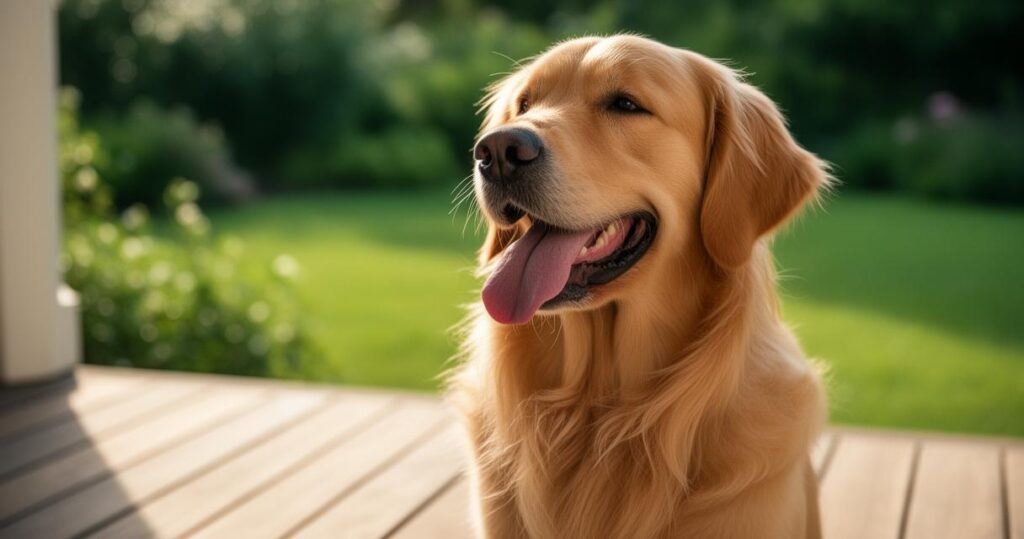
Many dog owners might have noticed damp paw prints left behind by their four-legged companions on warm days and wondered whether their pets experience perspiration in the same way humans do. The truth is that dogs possess a unique system for regulating their body temperature, one that differs significantly from our own. Understanding how your dog cools itself down is not just a matter of curiosity but a vital aspect of responsible pet care, particularly during the sweltering summer months when the risk of overheating becomes a genuine concern for our canine friends.
Understanding canine sweat glands: where dogs actually perspire
Dogs do indeed sweat, but the process is far more limited than the sweating humans experience. While we rely on millions of sweat glands distributed across our skin to help regulate our core temperature, dogs have a much more modest arrangement. Their sweat glands are primarily concentrated in their paw pads, making those small, padded areas the main sites where perspiration occurs. This means that when your dog is feeling the heat, the moisture you might see on the floor is the canine equivalent of a human breaking into a sweat, albeit on a much smaller scale.
The Role of Merocrine Glands in Dog Paw Pads
The sweat glands found in dog paw pads are known as merocrine glands. These glands produce a watery secretion that helps to cool the surface of the paw when it evaporates. This is the same type of gland that humans have all over their bodies, but in dogs, they are restricted to the pads of the feet. When a dog is hot or stressed, these glands can become more active, leaving behind those telltale damp prints. However, the cooling effect provided by this small amount of sweat is minimal when compared to the overall needs of a dog's thermoregulation system. Beyond merocrine glands, dogs also possess apocrine glands, which are distributed more widely across their bodies. These glands do not contribute to cooling, but rather play a role in producing pheromones that are important for communication and scent marking among canines.
Why dogs have fewer sweat glands than humans
The reason dogs have such a limited sweating capacity lies in their evolutionary history and the way their bodies have adapted to manage heat. Unlike humans, who evolved in hot climates and developed extensive sweat glands to cope with high temperatures, dogs have a different set of physiological tools for staying cool. Their fur coat, which might seem like a liability in warm weather, actually serves as insulation that can help regulate body temperature by trapping a layer of air close to the skin. This coat, especially in double-coated breeds, is designed to protect against both heat and cold by managing airflow and preventing direct sun exposure to the skin. Shaving such breeds can actually disrupt this natural insulation system and make them more vulnerable to heat rather than less. The limited distribution of sweat glands means that dogs must rely on other, more effective methods to dissipate heat, which brings us to the central mechanism of canine cooling.
Panting: the primary cooling mechanism for dogs
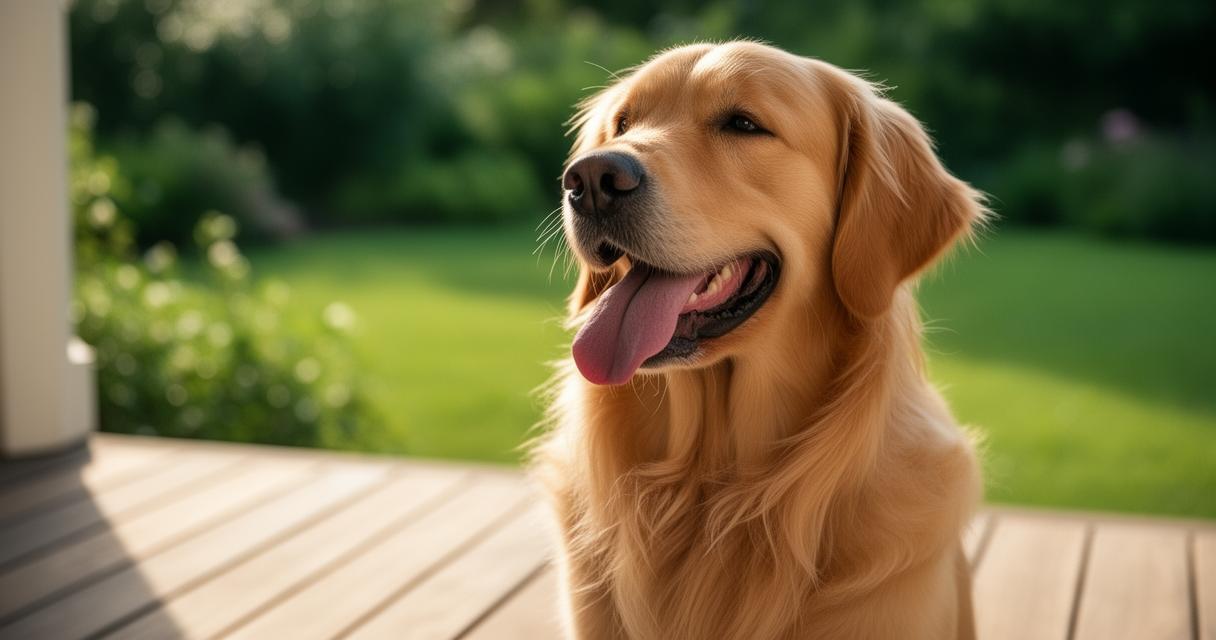
When a dog feels hot, you will almost certainly see it begin to pant, and this is no accident. Panting is the main way dogs cool themselves down, and it is far more effective than the small amount of sweating that occurs through their paw pads. The rapid breathing associated with panting allows moisture to evaporate from the tongue, mouth, and the lining of the lungs, carrying heat away from the body in the process. This form of evaporative cooling is remarkably efficient and allows dogs to regulate their core temperature even when they are unable to sweat like humans. The process also involves vasodilation, where blood vessels near the surface of the skin expand to increase blood flow, helping to disperse heat more effectively throughout the body.
How Evaporative Cooling Works Through the Mouth and Lungs
The science behind panting is rooted in the principles of evaporative cooling. As a dog breathes rapidly with its mouth open and tongue extended, air passes over the moist surfaces of the mouth and respiratory tract. The moisture on these surfaces evaporates, and this phase change from liquid to gas requires energy, which is drawn from the surrounding tissues in the form of heat. This heat removal lowers the temperature of the blood circulating through the mouth and lungs, and this cooler blood is then distributed throughout the rest of the body. The efficiency of this system depends on the humidity of the surrounding air; in very humid conditions, evaporation occurs more slowly, which can make it harder for a dog to cool down effectively. This is why dogs are more at risk of overheating on hot and humid days compared to dry heat.
Breed-specific challenges: brachycephalic dogs and heat regulation
Not all dogs are equally equipped to manage heat through panting. Breeds with short, flat faces, known as brachycephalic breeds, such as pugs, bulldogs, and French bulldogs, face particular challenges when it comes to cooling themselves. Their compressed airways and shorter nasal passages mean that the airflow through their respiratory system is restricted, making panting less efficient. As a result, these breeds are at a significantly higher risk of heatstroke and overheating, even in conditions that might be tolerable for other dogs. Owners of brachycephalic dogs must be especially vigilant during warm weather, ensuring that their pets are kept cool and that any signs of distress are addressed immediately. Even hairless breeds, which might seem like they would handle heat better, still rely on panting rather than sweating across their entire body, and they remain vulnerable to sunburn and overheating without proper protection.
Keeping your dog safe in warm weather: practical care tips
Given that dogs have limited sweating capacity and rely so heavily on panting to stay cool, it is essential for owners to take proactive steps to prevent overheating. Being aware of the risks and understanding your dog's unique needs can make all the difference in ensuring their safety and comfort during the warmer months. Heat-related illnesses in dogs can escalate quickly, so prevention is always better than attempting to manage a crisis after it has begun.
Essential heat prevention strategies for dog owners
One of the most straightforward yet effective ways to protect your dog from overheating is to provide constant access to fresh, cool water. Dehydration can set in rapidly, especially when a dog is panting heavily, so ensuring that your pet can drink whenever needed is crucial. Shade is equally important; whether you are spending time in the garden or taking your dog out for a walk, make sure there is always a shaded area where your pet can retreat from direct sunlight. Avoid exercising your dog during the hottest parts of the day, typically between late morning and early evening. Instead, opt for early morning or late evening walks when temperatures are more moderate. If you must be outdoors during peak heat, consider using cooling vests or bandanas designed to help lower your dog's body temperature. These accessories work by retaining moisture that evaporates slowly, providing an additional layer of cooling alongside your dog's natural panting. Monitoring indoor temperatures is also vital, as even a comfortable room can become dangerously hot for a dog if there is no ventilation or air conditioning. Never leave your dog in a parked car, even for a few minutes, as the temperature inside can soar to lethal levels in a remarkably short time.
Recognising Warning Signs of Overheating in Your Pet
Despite your best efforts, there may be times when your dog shows signs of struggling with the heat. Recognising these warning signs early can be lifesaving. Heavy, laboured panting that does not subside even after your dog has been moved to a cooler environment is a red flag. Excessive drooling, particularly if the saliva appears thick or sticky, is another indicator that your dog may be overheating. A high body temperature, which you might notice through touch, along with lethargy, weakness, or confusion, should prompt immediate action. In severe cases, dogs can experience seizures or collapse, which are medical emergencies requiring urgent veterinary attention. Dehydration is often a companion to heatstroke, so if your dog's gums appear dry or tacky, or if the skin does not spring back quickly when gently pinched, these are signs that your pet needs help. If you suspect your dog is suffering from heatstroke, move them to a cool, shaded area immediately, offer small amounts of water, and contact your vet without delay. Applying cool, not cold, water to your dog's body can help bring down their temperature, but avoid using ice or very cold water, as this can cause blood vessels to constrict and actually hinder the cooling process. Consulting with a veterinary professional is always the best course of action if you have any concerns about your dog's health in warm weather.