
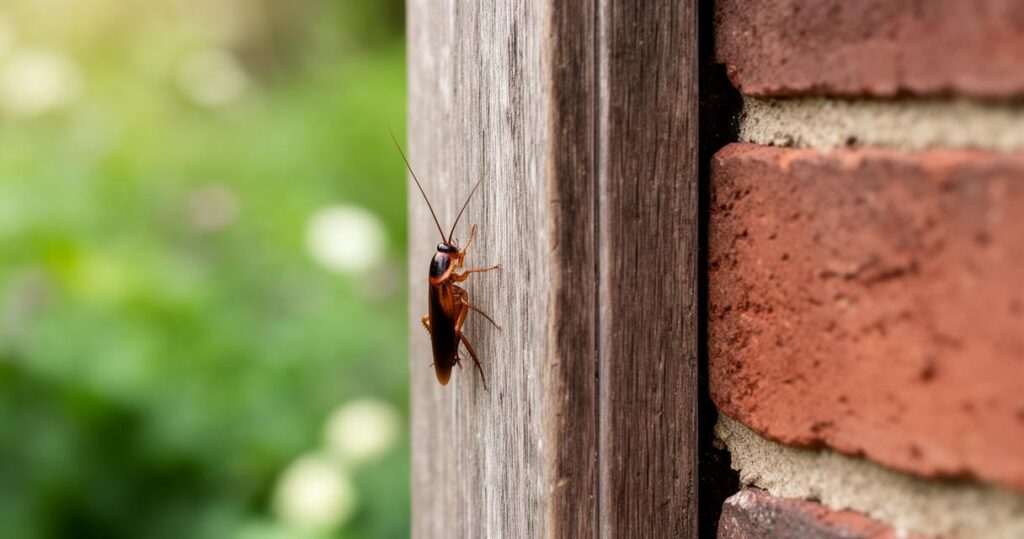
The presence of cockroaches in the home is a source of considerable anxiety for many British households, often evoking a visceral response that goes beyond mere annoyance. These resilient insects, commonly found in gardens across the United Kingdom, occasionally venture indoors, prompting questions about why they make this journey and what it signifies about our living spaces. Understanding the motivations behind their indoor migration, alongside the cultural perceptions surrounding these pests, offers valuable insights into both pest management and the broader social implications of cleanliness standards in British culture.
Understanding why garden cockroaches enter british homes
Garden cockroaches, while primarily outdoor dwellers, are not strangers to the interior spaces of our homes. Their migration indoors is driven by a combination of survival instincts and environmental factors that make domestic settings an attractive alternative to the garden. Recognising these motivations is essential for homeowners seeking to prevent unwelcome intrusions and maintain a pest-free environment.
The Search for Food and Water: Primary Drivers for Indoor Migration
The fundamental reasons cockroaches venture from the garden into the house revolve around their basic needs for sustenance and hydration. These insects are opportunistic feeders, constantly on the lookout for accessible food sources that can support their rapid reproduction cycles. When gardens fail to provide sufficient nourishment, particularly during colder months or periods of drought, cockroaches naturally turn their attention towards human habitats where crumbs, spills, and improperly stored food offer an abundant supply. The kitchen, with its warmth and frequent food preparation activities, becomes an especially appealing target. Even the smallest remnants of meals left on countertops or in bins can attract these pests, who possess an extraordinary ability to detect organic matter from considerable distances. Water is equally critical to their survival, and areas with leaks, condensation, or standing moisture create ideal conditions for cockroaches to thrive indoors.
Moreover, the presence of unpleasant odours emanating from food waste or poorly maintained rubbish bins can act as a beacon, drawing cockroaches towards the home. These insects are also attracted by the humidity levels commonly found in British households, particularly during the winter months when central heating and inadequate ventilation can elevate indoor moisture. Maintaining optimal humidity levels between thirty and sixty percent is recommended to discourage such invasions. Dark, undisturbed areas within the home, such as cupboards, behind appliances, and in utility rooms, provide the concealment cockroaches require, further incentivising their move from the garden. The combination of food availability, water sources, and suitable hiding spots creates an environment where cockroaches can establish themselves, potentially leading to infestations if left unchecked.
Species-specific behaviour: why ectobius and other varieties seek moisture indoors
Different species of cockroaches exhibit distinct behaviours and preferences that influence their likelihood of entering homes. In the United Kingdom, the ectobius species, commonly known as the lesser cockroach, is frequently encountered in gardens. These particular insects have a strong preference for moist environments, which explains their attraction to areas with high humidity levels inside the home. Unlike some tropical species that thrive in consistently warm and dry conditions, ectobius cockroaches are adapted to temperate climates and are especially drawn to damp spaces such as bathrooms, basements, and kitchens where water is regularly used. Their tendency to seek out moisture means that any areas within the home suffering from leaks, condensation, or poor ventilation become prime real estate for these pests.
Understanding the specific needs of ectobius and other cockroach varieties is crucial for effective prevention. These insects are prolific breeders, with studies indicating that a single pair can produce millions of offspring within just a few years under favourable conditions. This remarkable reproductive capacity underscores the importance of early intervention and ongoing vigilance. Once cockroaches establish a foothold indoors, their populations can expand rapidly, making eradication significantly more challenging. The species-specific behaviour of seeking moisture not only explains their migration patterns but also highlights the necessity of addressing humidity control as a central component of pest management strategies. By recognising that ectobius cockroaches are particularly vulnerable to environmental manipulation, homeowners can take targeted actions to render their living spaces less hospitable to these unwelcome guests.
Preventative measures: keeping your home and garden cockroach-free
Preventing cockroaches from entering the home requires a proactive and comprehensive approach that addresses both indoor hygiene and outdoor maintenance. By eliminating the factors that attract these pests and creating barriers to their entry, British homeowners can significantly reduce the risk of infestation and maintain a comfortable living environment free from the anxiety associated with cockroach encounters.
Kitchen Hygiene and Food Source Control: Essential Deterrents for Roach Prevention
Maintaining impeccable kitchen hygiene is perhaps the most effective deterrent against cockroaches seeking to invade your home. These insects are relentless scavengers, and even the smallest food particles can provide sufficient nourishment to sustain a growing population. Regular cleaning routines that include wiping down surfaces, sweeping floors, and promptly disposing of rubbish are essential. Food should be stored in airtight containers, and spills must be cleaned immediately to remove any traces that might attract pests. Particular attention should be paid to areas beneath and behind appliances, where crumbs and grease can accumulate unnoticed, creating hidden food sources that cockroaches will exploit.
Controlling food sources extends beyond the kitchen itself. Pet food bowls, if left out overnight, can also attract cockroaches, as can compost bins and outdoor rubbish areas located near entry points to the home. Ensuring that bins are sealed and regularly emptied helps to minimise the odours and organic matter that draw these pests. Additionally, addressing any leaks or sources of standing water is vital, as cockroaches require moisture to survive and reproduce. By denying them access to both food and water, homeowners can create an inhospitable environment that discourages cockroaches from entering and establishing themselves indoors. The combination of rigorous hygiene practices and strategic food management forms the foundation of effective cockroach prevention.
Garden maintenance strategies: eliminating hiding spots and reducing cockroach populations
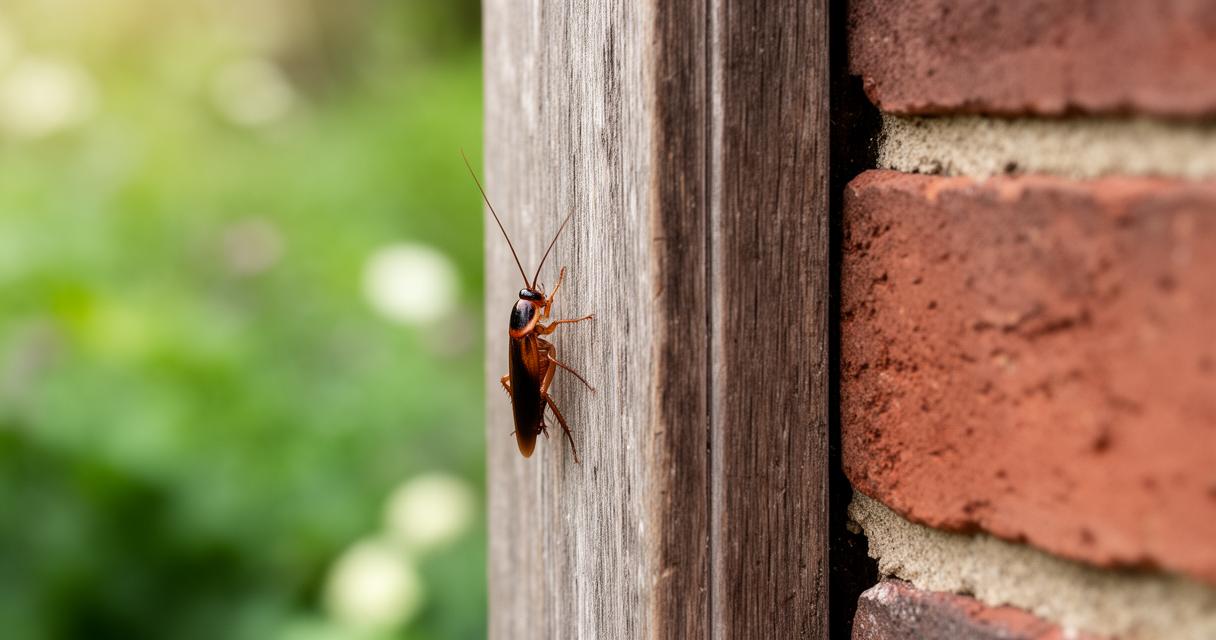
The garden itself can serve as a breeding ground and reservoir for cockroaches, making outdoor maintenance a critical component of any comprehensive pest control strategy. Unkempt gardens with overgrown vegetation, piles of leaves, and accumulated debris provide ideal hiding spots where cockroaches can thrive undisturbed. Regular garden maintenance, including trimming shrubs, clearing leaf litter, and removing any organic waste, helps to eliminate these hiding places and reduce the overall cockroach population near the home. By creating a less hospitable outdoor environment, homeowners can decrease the likelihood that cockroaches will venture indoors in search of better conditions.
In addition to physical maintenance, controlling outdoor food sources is equally important. Fallen fruit, vegetable scraps, and improperly managed compost heaps can attract cockroaches, encouraging them to remain in close proximity to the house. Ensuring that compost bins are properly sealed and located away from entry points can help mitigate this risk. Furthermore, addressing moisture issues in the garden, such as fixing leaky outdoor taps and ensuring proper drainage, reduces the availability of water that cockroaches need to survive. By combining regular garden upkeep with strategic management of food and water sources, homeowners can create a barrier that significantly diminishes the chances of cockroaches making the journey from garden to home.
Natural Remedies and Social Perceptions of Cockroaches in British Households
Beyond conventional pest control methods, many British households are turning to natural remedies as part of a broader commitment to eco-friendly living. At the same time, the presence of cockroaches carries significant social implications, reflecting and reinforcing cultural attitudes towards cleanliness and household management. Exploring both the practical and symbolic dimensions of cockroach control offers a deeper understanding of why these pests provoke such strong reactions and what their presence reveals about our homes and values.
Using Baking Soda and Other Natural Traps: Eco-Friendly Solutions for Cockroach Control
Natural remedies such as baking soda have gained popularity among homeowners seeking alternatives to chemical pesticides. Baking soda can be used as an effective natural trap for cockroaches when mixed with sugar or other attractants. The insects are drawn to the sweetness, but upon ingestion, the baking soda reacts with the acids in their digestive systems, ultimately proving fatal. This method is particularly appealing to those concerned about the environmental impact of synthetic chemicals and the potential health risks they pose to children and pets. Other natural deterrents include diatomaceous earth, which damages the exoskeletons of cockroaches, and essential oils such as peppermint or eucalyptus, which can repel these pests when applied around entry points and common hiding spots.
While natural remedies can play a valuable role in an integrated pest management strategy, it is important to recognise their limitations. These methods are generally most effective as preventative measures or for managing small populations, and may not suffice in cases of severe infestation. Professional pest control services, which are available across the United Kingdom with rapid response times often within an hour, offer bespoke solutions tailored to the specific needs of each household. These services follow strict health and safety protocols and employ technicians with professional qualifications, ensuring effective and safe eradication of cockroach populations. For homeowners committed to eco-friendly approaches, working with professionals who offer environmentally responsible options can provide the best of both worlds, combining natural methods with expert intervention when necessary.
The cultural stigma of household pests: what cockroaches reveal about cleanliness standards
In British culture, the presence of cockroaches in the home carries a significant social stigma that goes beyond mere pest management concerns. These insects are often perceived as indicators of poor hygiene and inadequate housekeeping, leading to feelings of shame and embarrassment for those who encounter them. This perception is deeply rooted in cultural attitudes towards cleanliness, where maintaining an immaculate home is not only a matter of personal pride but also a reflection of one's social standing and respectability. The fear of cockroaches, known as katsaridaphobia, affects tens of millions of people and is often linked to traumatic childhood experiences that reinforce the association between these pests and uncleanliness.
Interestingly, while cockroaches are not considered significant disease vectors compared to other insects, they do carry allergens and bacteria that can impact human health. Cockroach allergens have been linked to higher rates of asthma, particularly among children living in urban areas, further fuelling anxieties about their presence in the home. The sense of violation that many people feel when encountering cockroaches in their personal spaces underscores the emotional dimension of pest control, where the issue extends beyond physical discomfort to encompass broader concerns about safety, health, and social acceptability. New treatment possibilities, including augmented reality therapies designed to help phobics confront their fears in controlled environments, reflect the growing recognition of the psychological impact of cockroach infestations.
Despite advances in pest control, cockroaches have evolved and adapted to resist many measures once thought effective, complicating efforts to eradicate them. This resilience only adds to their reputation as formidable adversaries, reinforcing the cultural narrative that their presence is both a practical challenge and a social failing. For many British households, addressing a cockroach problem is not merely about eliminating pests but also about restoring a sense of order, cleanliness, and respectability. The availability of comprehensive cleaning services, including industrial, commercial, and domestic options, as well as specialist services such as biohazard decontamination and trauma cleaning, reflects the seriousness with which these issues are treated. By understanding the social perceptions of household pests, we can better appreciate why cockroaches provoke such strong reactions and what their presence reveals about our collective values and standards.