
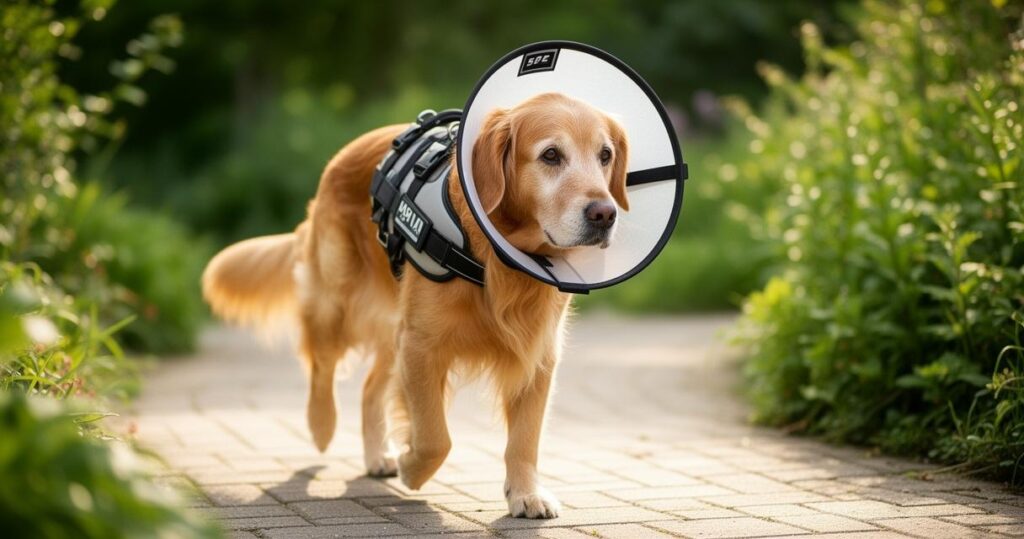
When a beloved canine companion begins to lose their sight, the journey ahead may seem daunting for both pet and owner. Yet the world of specialist accessories for blind dogs has evolved remarkably, offering innovative solutions that transform anxiety into confidence and limitation into freedom. From thoughtfully designed harnesses to ingenious halo devices, these tools do far more than compensate for diminished vision. They restore independence, protect from harm, and most importantly, preserve the joyful spirit that defines our four-legged friends. Understanding the options available and selecting the right equipment can make an extraordinary difference to a visually impaired dog's daily experience, ensuring they continue to explore, play, and thrive despite their disability.
Understanding essential safety equipment for visually impaired dogs
The landscape of adaptive equipment for dogs with visual impairments has expanded considerably in recent years, reflecting a growing understanding of how we can support these animals in leading fulfilling lives. At the heart of this equipment range are two fundamental categories: protective harnesses and collision prevention devices. Each serves a distinct purpose whilst working together to create a comprehensive safety system that addresses the unique challenges blind dogs face in navigating their environment.
The Critical Role of Protective Harnesses and Collars in Daily Life
Specialised harnesses for blind dogs differ substantially from standard walking equipment. These carefully engineered accessories feature reinforced stitching, broader weight distribution panels, and strategically positioned attachment points that give handlers greater control without compromising the dog's comfort. The design philosophy centres on providing gentle guidance rather than forceful restraint, allowing the owner to communicate directional changes and potential hazards through subtle pressure rather than abrupt pulls. Many contemporary harnesses incorporate reflective materials and bright colour schemes that increase visibility during twilight walks or in low-light conditions, adding an extra layer of safety when visual impairment is compounded by environmental factors. The padding around chest and shoulder areas prevents chafing during extended wear, recognising that blind dogs often require more frequent direction than their sighted counterparts. Adjustable straps accommodate growth in younger animals or weight fluctuations in older dogs, ensuring a consistent fit that neither restricts breathing nor allows the harness to slip during sudden movements. Some models include identification patches where owners can display messages alerting strangers to the dog's condition, reducing the likelihood of well-meaning passersby inadvertently startling the animal. The psychological benefit of a properly fitted harness extends beyond physical safety, as the gentle pressure provides reassuring tactile feedback that helps anxious dogs feel more secure in unfamiliar surroundings.
How halo devices prevent collisions and build canine confidence
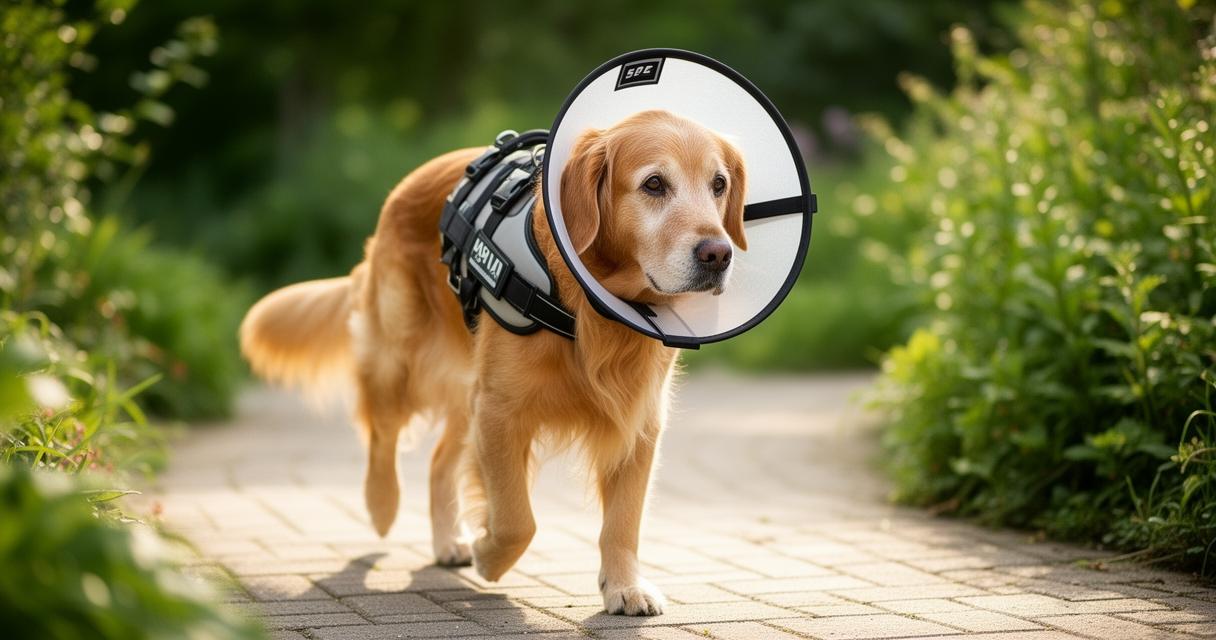
Halo devices represent perhaps the most innovative advancement in blind dog care, functioning as a tactile early warning system that alerts animals to obstacles before direct contact occurs. These ingenious accessories typically consist of a lightweight frame that extends forward from a harness or collar, creating a protective buffer zone around the dog's head and face. When the halo makes contact with a wall, furniture leg, or other obstruction, the dog receives immediate feedback without experiencing the jarring impact or potential injury that would result from a direct collision. Over time, this consistent sensory input helps blind dogs develop sophisticated mental maps of their environment, dramatically improving their confidence and willingness to explore. The psychological transformation that accompanies halo use often surprises even experienced pet owners. Dogs who initially moved tentatively, heads lowered and steps hesitant, frequently become markedly more adventurous once they trust their halo to provide advance warning of hazards. This renewed confidence extends beyond physical movement to encompass social interactions, with many dogs becoming more willing to approach unfamiliar people or investigate novel sounds once they feel protected from unexpected collisions. Modern halo designs emphasise flexibility and shock absorption, using materials that bend upon contact rather than transmitting force directly to the dog's neck or shoulders. Height adjustment mechanisms allow owners to customise the device based on their dog's size and the typical obstacles in their environment, with lower settings appropriate for detecting ground-level hazards and higher configurations better suited to homes with abundant furniture. Some advanced models incorporate quick-release mechanisms that allow rapid removal if the halo becomes entangled, whilst others feature modular designs that permit owners to modify the configuration as their dog's needs evolve or as they transition between different environments.
Selecting the Perfect Fit: Features, Customisation and Breed-Specific Considerations
Choosing appropriate accessories for a blind dog demands careful consideration of multiple factors that extend well beyond simple size measurements. The ideal equipment must balance protective functionality with comfort, durability with flexibility, and comprehensive coverage with minimal weight. Understanding how different features address specific challenges helps owners make informed decisions that genuinely improve their pet's quality of life rather than simply adding unnecessary bulk or complexity.
Key Features That Enhance Mobility and Protection for Blind Pets
The most effective accessories for visually impaired dogs incorporate several critical design elements that work synergistically to maximise both safety and comfort. Breathable fabrics feature prominently in quality harnesses, preventing the overheating and skin irritation that can result from extended wear, particularly during warmer months or in active dogs who maintain high energy levels despite their disability. Reinforced stress points at connection locations ensure longevity even when subjected to the additional strain that comes from providing constant guidance to a dog who cannot anticipate obstacles independently. Quick-adjust buckles and sliders enable owners to achieve a precise fit without the frustration of threading straps through multiple loops, a feature particularly valuable when managing an anxious or impatient animal. Padding distribution represents another crucial consideration, with premium products featuring memory foam or gel inserts at pressure points to prevent the development of sore spots during extended use. The positioning of D-rings and leash attachment points significantly impacts handling dynamics, with front-clip designs offering superior directional control for dogs prone to pulling, whilst back-mounted options suit calmer animals who respond well to gentle guidance. Integrated handle grips on dorsal harness sections provide an invaluable tool for assisting dogs over obstacles, into vehicles, or up stairs, eliminating the need to lift by the collar and risk injury to the trachea. Waterproof or water-resistant materials maintain their protective properties and structural integrity even after exposure to rain or during post-walk cleaning, ensuring consistent performance across varying conditions. Reflective striping or piping enhances visibility during early morning or evening walks, whilst some manufacturers offer accessories with integrated LED lighting systems for maximum conspicuity in darkness. The weight of the complete accessory system matters considerably, particularly for smaller breeds or elderly dogs who may struggle with heavy equipment that restricts natural movement or causes fatigue during extended outings.
Customisation Options: Colours, Sizes and Adjustability for Every Breed
The diversity within the canine population necessitates extensive customisation options to ensure appropriate fit and function across breeds ranging from diminutive toy varieties to substantial working dogs. Reputable suppliers typically offer measurement guides that go beyond simple neck and chest circumferences, requesting information about body length, leg clearance, and specific anatomical features that might influence fit. Colour selections serve both aesthetic and practical purposes, with high-visibility shades in fluorescent yellow, orange, or pink ensuring the dog remains conspicuous to motorists and cyclists, whilst more subdued tones appeal to owners who prefer understated elegance. Some manufacturers provide personalisation services that allow owners to add embroidered names, contact information, or medical alerts directly onto the harness, eliminating the need for separate identification tags that may become lost or illegible over time. Adjustability features prove essential for breeds prone to significant seasonal weight fluctuations or for puppies who will continue growing after receiving their initial diagnosis of visual impairment. Multi-point adjustment systems with independent chest, belly, and neck controls ensure optimal fit regardless of body proportions, accommodating the barrel-chested build of breeds like Bulldogs as easily as the deep-chested profile of Greyhounds or Whippets. Modular systems that allow owners to attach or detach halo components depending on the environment offer remarkable versatility, with some families opting to use full protective configurations outdoors whilst removing the forward projecting elements for indoor use where the dog has already memorised the layout. Breed-specific considerations extend to material selection as well, with double-coated breeds like Labrador Retrievers or Golden Retrievers benefiting from harnesses with moisture-wicking linings that prevent the damp, matted fur that can develop beneath traditional nylon webbing. Shorter-snouted breeds require halo devices with modified geometry that accounts for their facial structure, ensuring the protective buffer extends adequately forward despite the compressed profile of their skulls. Companies like labradorcnm.com recognise these diverse requirements and maintain extensive inventories that span size ranges and design variations to accommodate the full spectrum of canine builds and temperaments.
Practical Information for Pet Owners: Pricing, Delivery and Ongoing Support
Navigating the financial and logistical aspects of acquiring specialist equipment for a blind dog forms an essential component of the decision-making process. Understanding typical price ranges, delivery timelines, and the nature of customer support available helps owners budget appropriately and select suppliers who will provide not just products but genuine partnership throughout their dog's journey with visual impairment.
Investment in Quality: Understanding Pricing and Value for Specialist Accessories
The cost of accessories for blind dogs varies considerably based on materials, construction quality, feature complexity, and manufacturer reputation. Entry-level harnesses typically begin around the twenty to thirty pound mark, offering basic functionality suitable for small dogs or for owners wishing to trial the concept before committing to premium options. Mid-range products occupying the forty to seventy pound bracket generally feature superior materials, enhanced adjustability, and more thoughtful ergonomic design that justifies the increased expenditure through improved durability and comfort. Premium harnesses and integrated halo systems can exceed one hundred pounds, but often incorporate advanced features such as impact-absorbing padding, aerospace-grade aluminium frames, or custom-fitted components that represent the pinnacle of current assistive technology for visually impaired animals. When evaluating pricing, owners should consider the longevity of the investment rather than solely the initial outlay. A well-constructed harness that remains serviceable for three or four years represents far better value than an inexpensive alternative requiring replacement every six months due to worn stitching or degraded materials. The emotional cost of equipment failure at a critical moment, potentially resulting in injury to a vulnerable animal, far exceeds any financial savings achieved through purchasing inadequate gear. Many suppliers offer package deals that bundle harnesses with matching halos and supplementary accessories like guide leashes or bumper attachments, providing comprehensive solutions at reduced per-item costs. Some retailers maintain trade-in or recycling programmes that offer credit towards new purchases when dogs outgrow their existing equipment, helping to offset upgrade costs for families with young animals or those managing progressive vision loss. Insurance considerations merit attention as well, with certain pet insurance policies covering adaptive equipment under their wellness or chronic condition provisions, effectively reducing the out-of-pocket expense for policyholders. Financing options have emerged from some specialist retailers, recognising that the unexpected diagnosis of blindness may catch families financially unprepared to immediately purchase optimal equipment, allowing them to spread the cost across several months whilst their pet benefits from proper protection immediately.
Delivery Options and Customer Support: What to Expect from Reputable Suppliers
The purchasing experience extends well beyond simply selecting products and processing payment, with exemplary suppliers distinguishing themselves through comprehensive customer support that acknowledges the emotional complexity of caring for a disabled pet. Standard delivery within the United Kingdom typically ranges from two to five business days for in-stock items, with many companies offering expedited options for situations where a dog's safety demands immediate access to protective equipment. International shipping introduces additional complexity and extended timelines, though established suppliers maintain relationships with reliable carriers to minimise delays and provide accurate tracking information throughout transit. Packaging quality matters considerably with these often bulky and structured items, with responsible companies using appropriate protective materials that prevent damage during handling whilst avoiding excessive waste. Returns policies prove particularly important given the challenge of assessing fit and function based solely on online descriptions and measurements, with consumer-friendly suppliers typically allowing returns or exchanges within defined periods provided items remain in unused condition. Some forward-thinking companies have implemented virtual fitting consultations where staff with veterinary or animal behaviour backgrounds review photographs and measurements submitted by customers to recommend optimal products before purchase, dramatically reducing the likelihood of expensive returns due to poor fit. Post-purchase support distinguishes exceptional suppliers from merely adequate ones, with the best maintaining accessible customer service teams able to address questions about adjustment, cleaning, or troubleshooting issues that emerge during regular use. Video tutorials and detailed fitting guides available through supplier websites empower owners to maximise the benefit of their purchases through proper utilisation rather than abandoning perfectly suitable equipment due to user error or misunderstanding. Some companies foster customer communities through social media groups or dedicated forums where owners of blind dogs share experiences, modifications, and encouragement, creating valuable peer support networks that complement formal customer service channels. Warranty coverage varies but typically extends from six months to two years for manufacturing defects, with some premium manufacturers offering lifetime guarantees that demonstrate confidence in their construction quality. Progressive companies actively solicit feedback from customers and incorporate suggestions into product development, creating an iterative improvement process that ensures accessories evolve to meet the genuine needs of the families who depend upon them daily.