
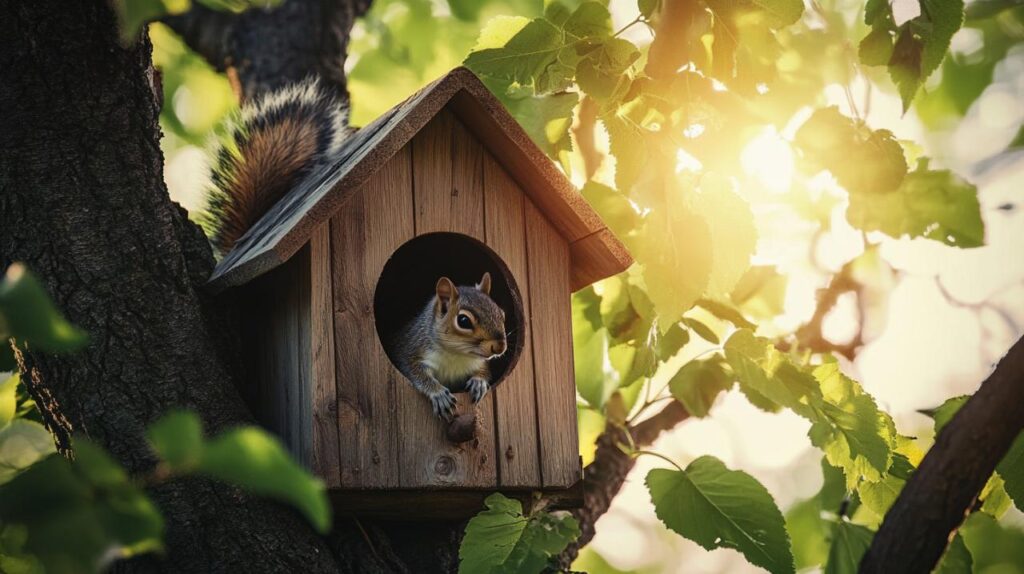
Creating a cosy refuge for squirrels in your garden is a rewarding way to support local wildlife whilst adding a charming feature to your outdoor space. With the removal of many dead trees that once offered natural cavities, safe nesting spots have become increasingly scarce. By constructing a squirrel house, you provide vital shelter that protects these lively creatures from predators and the harshest winter conditions. The process is straightforward, requiring only modest materials and a couple of hours of your time, yet the benefits for garden squirrels are substantial. Understanding their seasonal habits and nesting preferences will ensure your efforts create a welcoming haven that serves them throughout the year.
Understanding squirrel behaviour and winter nesting requirements
Seasonal Patterns and Nesting Habits of Garden Squirrels
Squirrels are remarkably adaptable creatures, and their behaviour shifts significantly with the changing seasons. During the warmer months, they are busy foraging for seeds and nuts, which they cache in various locations around trees and woods to sustain them when food becomes scarce. As autumn arrives, squirrels intensify their preparation for winter, seeking out secure nesting sites where they can remain sheltered during cold spells. They naturally prefer to nest in tree cavities or construct leaf nests known as dreys high above the ground, where they can stay safe from ground-based predators and severe weather. These nesting spots are crucial for their survival, particularly during the coldest months when energy conservation becomes paramount.
In many regions across the UK, the loss of mature woodland and the removal of dead trees with natural cavities have led to a shortage of these safe shelters. This scarcity makes supplementary nesting boxes an essential resource for wildlife conservation efforts. Installing a squirrel house in your garden during the autumn or early spring allows these animals to discover and claim the shelter before the harshest weather sets in. By understanding these seasonal patterns, you can better time your construction and placement to align with the natural rhythms of squirrel life, ensuring your nesting box becomes a valued refuge.
Why red squirrels and other species need sheltered winter homes
Red squirrels, in particular, face significant challenges in the UK due to habitat loss and competition from grey squirrels. These smaller, native animals are often found in specific locations such as Northumberland and the Lake District, where conservation efforts are most active. Red squirrels require sheltered winter homes to maintain their body temperature and protect their young during the breeding season, which can extend into the colder months. Providing a well-constructed nesting box offers them a critical advantage, helping to bolster populations in areas where the Woodland Trust and other organisations focus their habitat restoration work.
Even grey squirrels, which are more widespread, benefit greatly from dedicated shelters. Both species rely on safe nesting spots to rear their kits and to retreat from harsh weather and predators. A squirrel house not only supports individual animals but also contributes to broader wildlife conservation efforts by encouraging healthy, stable populations. By creating these habitats, you join a community effort that values tree protection, woodland restoration, and the preservation of native wildlife. Your garden can become part of a network of safe havens that support squirrels and other woodland creatures, reinforcing the importance of urban trees and green spaces in sustaining biodiversity.
Designing and constructing your squirrel nesting box
Selecting proper wood and materials including wire mesh
The choice of materials is fundamental to building a durable and effective squirrel house. Cedar wood is highly recommended for construction, as it naturally resists decay and can last between ten and twenty years, even when exposed to the elements. Avoid using treated lumber, as the chemicals can be harmful to wildlife and may deter squirrels from occupying the box. The wood should be cut to create a sturdy structure with walls that are thick enough to provide insulation during winter yet light enough to be mounted securely in a tree. Typically, a nesting box measuring around twelve inches in height and eight inches in width offers ample space for a squirrel family.
Incorporating wire mesh into your design can serve multiple purposes. A small section of mesh can be placed inside the box to provide grip for young squirrels learning to climb, ensuring they can navigate the interior safely. Additionally, covering any ventilation holes or drainage gaps with fine mesh prevents larger predators from accessing the nest while still allowing air circulation. This attention to detail in material selection and design enhances both the safety and comfort of the shelter, making it an attractive option for squirrels seeking a secure home.
Optimal Placement in Trees and Garden Locations
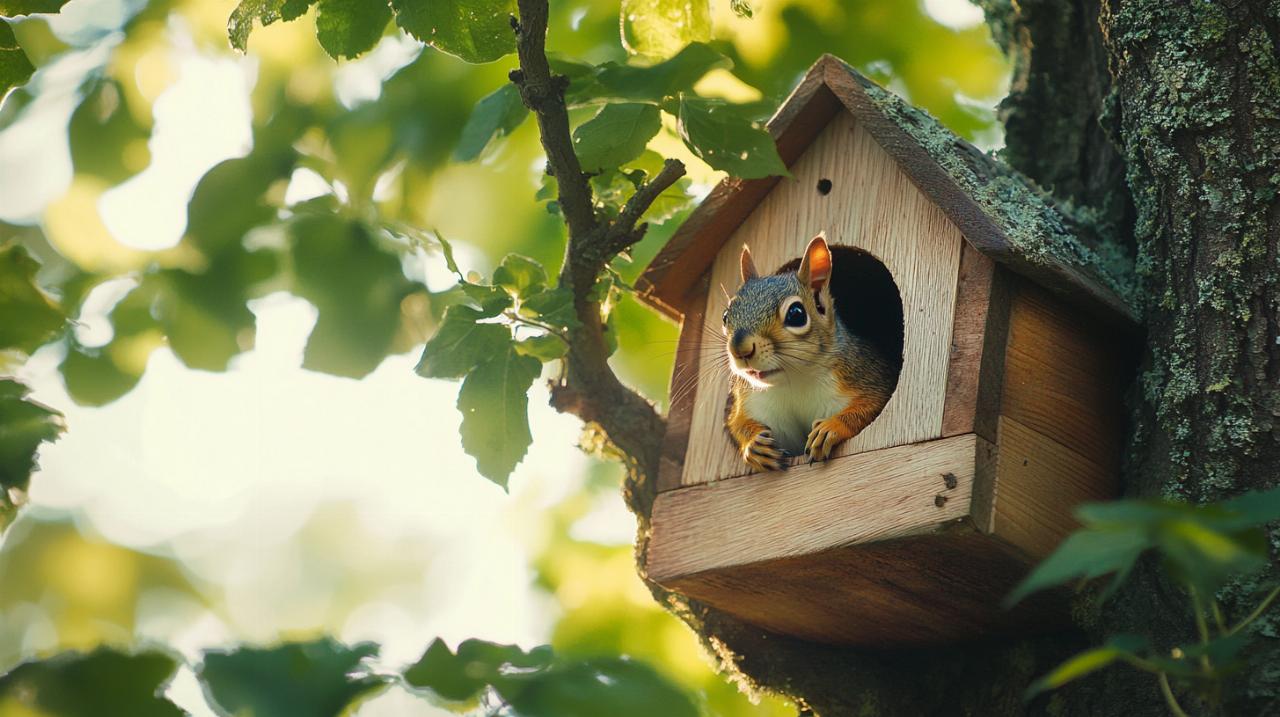
Where you position your squirrel house is just as important as how you build it. Mounting the box at a height of fifteen to thirty feet on a tree trunk provides the elevation squirrels naturally prefer, keeping them well above ground-based threats. The entrance hole, which should be approximately three inches in diameter, is best oriented towards the east or south. This direction offers warmth from the morning sun and protection from prevailing westerly winds, creating a more comfortable microclimate inside the nesting box.
Selecting the right tree is also crucial. Mature trees with sturdy trunks in quiet areas of your garden are ideal, as they offer stability and a sense of security. Avoid placing the box too close to busy paths or areas with high human activity, as this can stress the animals and discourage occupancy. If you have access to woods or a more extensive garden, positioning multiple boxes at intervals can accommodate several squirrels, reducing competition and territorial disputes. By thoughtfully considering placement, you maximise the likelihood that your nesting box will become a cherished home for garden squirrels throughout the seasons.
Creating a Welcoming Habitat with Food and Water Provisions
Providing seeds, nuts and winter food supplies
A well-constructed squirrel house is only part of creating a supportive environment; ensuring a reliable food supply is equally vital. Squirrels rely heavily on seeds and nuts, particularly during winter when natural foraging becomes more challenging. Offering a variety of foods such as hazelnuts, walnuts, and sunflower seeds near the nesting box encourages squirrels to settle in your garden. Scattering these provisions on feeding platforms or in sheltered spots helps mimic natural caching behaviour and provides essential nutrition when resources in the wider landscape are scarce.
Timing your food provisioning to coincide with the installation of the nesting box can help attract squirrels more quickly. During autumn, when animals are actively storing food, increasing the availability of seeds and nuts can draw them to your garden. However, it is important to avoid overfeeding or providing foods that are harmful, such as salted nuts or processed items. By offering appropriate, natural food sources, you support the health and vitality of squirrels, enabling them to thrive even in urban environments where tree planting and habitat conservation efforts are ongoing.
Installing Water Sources and Making Your Cabin a Charming Garden Feature
Water is an often-overlooked necessity for wildlife, yet it is just as critical as food and shelter. Installing a shallow water dish or a small birdbath near your squirrel house ensures that animals have access to fresh drinking water throughout the year, particularly during dry spells or frosty conditions when natural sources may freeze. Regularly refreshing the water and cleaning the container helps maintain hygiene and prevents the spread of disease among garden visitors.
Beyond its functional benefits, a thoughtfully designed squirrel house can enhance the aesthetic appeal of your garden. Choosing attractive wood finishes, adding a small roof overhang for extra weather protection, or positioning the box amongst flowering shrubs and native plants transforms the shelter into a charming garden feature. This integration of wildlife support with landscaping not only benefits squirrels but also enriches your outdoor space, creating a haven for various species and fostering a deeper connection to nature. Through community efforts, volunteering, and donations to organisations such as the Woodland Trust, your actions contribute to broader habitat conservation, ensuring that woods, trees, and the wildlife they support continue to flourish across the UK.