
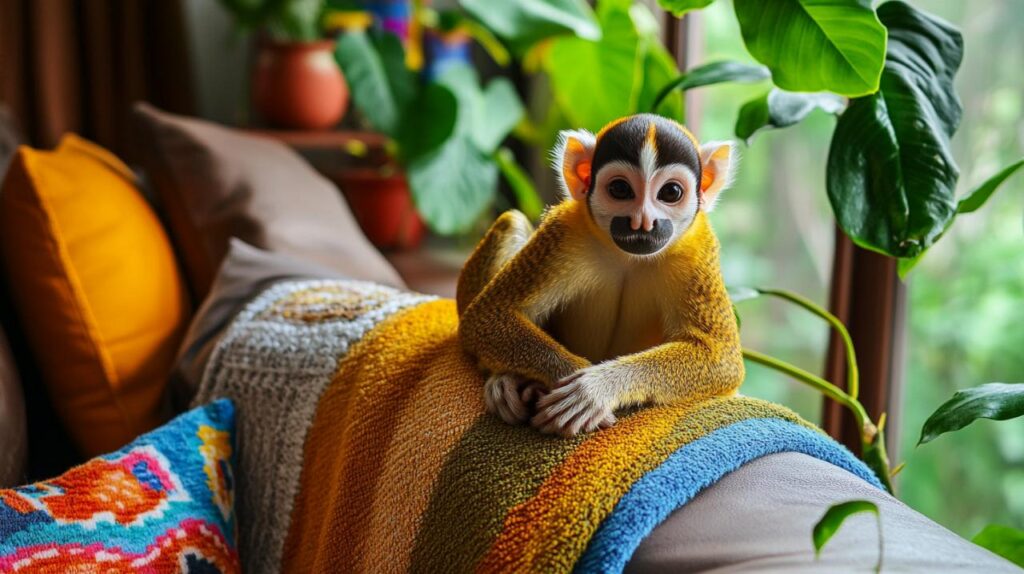
The common squirrel monkey, known scientifically as saimiri, has recently captured the imagination of animal enthusiasts and prospective pet owners alike. With their lively personalities and endearing expressions, these diminutive primates are becoming a notable presence not only in zoological collections but also in homes across Europe. As this trend continues to grow, it becomes increasingly important to understand the natural world of these creatures, the responsibilities involved in their care, and the vital conservation efforts aimed at protecting their wild populations.
Understanding the Common Squirrel Monkey: Natural Behaviour and Habitat
The Playful Nature of Saimiri in the Wild
In their natural environment, squirrel monkeys exhibit a remarkable blend of curiosity, agility, and social interaction. These primates are renowned for their playful antics and dynamic group behaviours, living in troops that can number in the dozens. Their days are filled with foraging for fruits, insects, and small vertebrates, all while maintaining a complex network of social bonds. The playful nature of saimiri is not merely a charming trait but an essential aspect of their survival, allowing them to navigate the dense canopy with impressive dexterity and to communicate effectively with their peers. Observations of these animals in the wild reveal a species that thrives on interaction and movement, with every leap and call serving a purpose in their intricate social structure.
Distribution across costa rica and beyond: a primate's natural range
The natural range of the common squirrel monkey extends across various regions of Central and South America, with Costa Rica being one of the notable habitats where these primates flourish. Within these lush tropical forests, squirrel monkeys have adapted to a life spent primarily in the trees, where the abundance of food and shelter allows them to thrive. Beyond Costa Rica, related species and subspecies inhabit parts of the Amazon basin and surrounding territories, each population exhibiting subtle variations in behaviour and physical characteristics. Recent genetic research has further refined our understanding of these primates, leading to reclassifications that distinguish the Guianan squirrel monkeys as a unique group. This scientific progress, while enhancing conservation strategies, also highlights the challenges faced by these animals in their native habitats, where deforestation and human encroachment continue to pose significant threats.
The Rising Trend of Squirrel Monkeys as Companion Animals in Europe
Why Saimiri Are Capturing Hearts Across France and the United Kingdom
Across countries such as France and the United Kingdom, the allure of the squirrel monkey as a companion animal has been steadily increasing. Part of this fascination stems from the widespread sharing of animal videos on social media platforms, where the charming antics of these primates are displayed in vivid detail. Their friendly disposition and agile movements make them appear as ideal candidates for those seeking an exotic and engaging pet. Furthermore, the presence of squirrel monkeys in prominent wildlife parks and zoological collections has heightened public awareness and interest. Institutions like Woburn Safari Park, situated within The Bedford Estates in London, have played a pivotal role in showcasing these animals through various safari experiences and animal encounters. The success of breeding programmes, such as the one celebrated in recent news regarding Guianan squirrel monkeys, has also contributed to a broader appreciation of the species. These programmes not only ensure genetic diversity and population stability but also serve as educational platforms that inform the public about the importance of conservation.
Responsibilities and Realities of Keeping Exotic Primates at Home
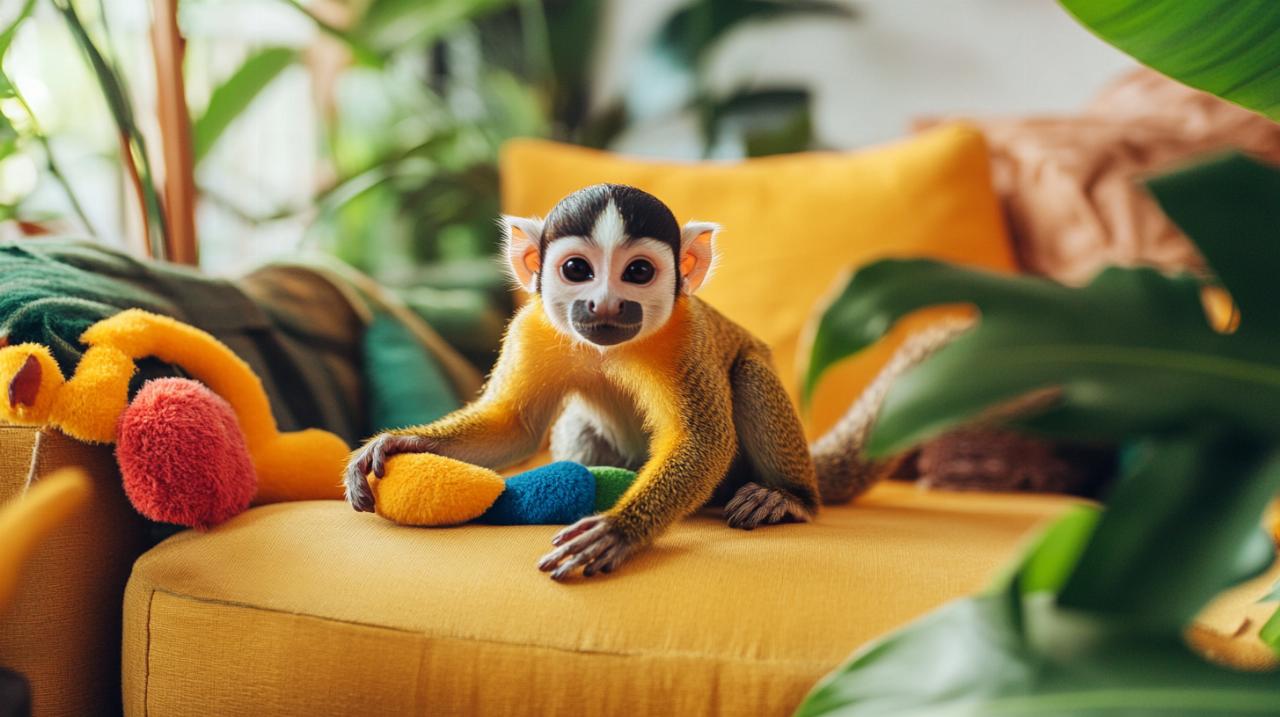
While the idea of keeping a squirrel monkey as a pet may seem appealing, the realities of caring for such an exotic primate demand serious consideration. These animals have complex social, dietary, and environmental needs that are challenging to replicate in a domestic setting. Squirrel monkeys require ample space to move and climb, a diet that closely mirrors their natural foraging habits, and, crucially, the companionship of other members of their species. Isolation can lead to stress and behavioural issues, making it clear that these are not solitary pets suited to a conventional household. Prospective owners must also be aware of the legal and ethical implications of keeping primates, as regulations vary significantly across regions and the welfare of the animal must always be the foremost priority. The responsibility extends beyond daily care to include long-term commitments to veterinary attention, environmental enrichment, and ensuring that the animal's psychological needs are met. The rising interest in exotic pets should be tempered with a thorough understanding of what such a commitment truly entails.
Conservation Challenges and Supporting Rescue Efforts for Squirrel Monkeys
Wildlife conservation concerns in natural habitats
Despite the common squirrel monkey not currently being classified as endangered, the pressures on their natural habitats remain a cause for concern among conservationists. Deforestation driven by agricultural expansion and urban development continues to erode the forests that these primates call home. Additionally, the illegal pet trade poses a persistent threat, as the capture of wild individuals for sale as pets disrupts populations and undermines conservation efforts. The reclassification of the Guianan squirrel monkeys, based on advancing genetic research, has underscored the need for targeted conservation strategies that recognise the unique status of different populations. With approximately six hundred pure Guianan individuals remaining in Europe, the importance of maintaining genetic integrity and supporting wild populations becomes ever more critical. Addressing these challenges requires a coordinated effort involving governments, conservation organisations, and the public, all working together to ensure that these vibrant primates have a future in the wild.
How zoological parks and rescue initiatives protect threatened species
Zoological parks and rescue initiatives play an indispensable role in the conservation of squirrel monkeys and other vulnerable species. Institutions such as Woburn Safari Park have developed comprehensive breeding programmes that are managed by specialists like Hayley Potter, who serves on the EEP committee responsible for making breeding recommendations. These programmes are meticulously designed to maintain genetic diversity and ensure the long-term survival of species that face threats in their natural habitats. Beyond breeding, these facilities offer a range of educational experiences, from road and foot safaris to VIP encounters and workshops, all aimed at raising public awareness about the importance of wildlife conservation. Visitors can engage with the animals in meaningful ways, learning about their behaviours, habitats, and the challenges they face. Many parks also offer adoption programmes, where supporters can contribute to the care of individual animals and receive gift packs as a token of appreciation. These initiatives not only provide vital funding for conservation work but also foster a deeper connection between the public and the natural world. By supporting such programmes through visits, adoptions, and donations, individuals can play an active role in safeguarding the future of squirrel monkeys and the ecosystems they inhabit. The ongoing success of these efforts, celebrated in recent news and updates available through newsletters and promotional channels, demonstrates the positive impact that dedicated conservation work can have on threatened species.