
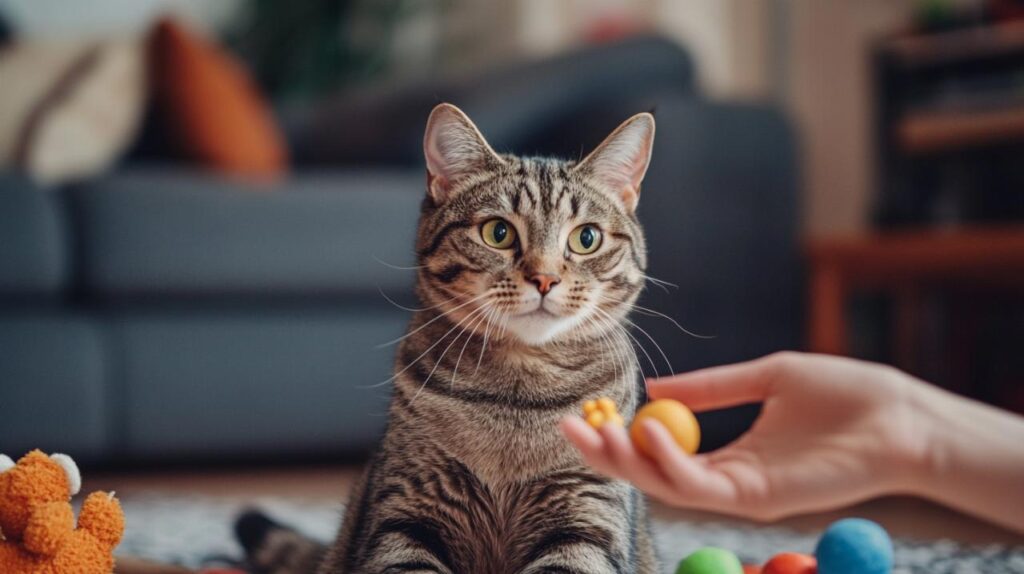
Training a cat can transform the way you understand and interact with your feline friend, turning daily routines into opportunities for deeper connection and mutual respect. While many people assume that cats are independent creatures resistant to training, the reality is quite different. With the right approach rooted in positive reinforcement, particularly through clicker training techniques, you can encourage desirable behaviours, strengthen your bond, and even address common challenges that arise in cat ownership. This journey into feline education opens up a world where communication flows more freely and both you and your cat enjoy a more harmonious life together.
Fundamentals of Feline Behaviour and Clicker Training
Understanding your cat's natural instincts and communication
Cats are creatures of instinct, shaped by thousands of years of evolution that have honed their hunting prowess, territorial awareness, and unique forms of communication. Recognising these natural behaviours is the first step in effective training. Your cat's actions, from the flick of a tail to the soft trill of a greeting, are all part of a complex language that expresses mood, intention, and needs. Understanding this feline vocabulary allows you to interpret what your cat is trying to tell you, whether it is a sign of stress, playfulness, or contentment. This awareness is crucial because training must work with, not against, these deeply ingrained instincts. For instance, chewing behaviours are often rooted in your cat's natural need to explore and interact with their environment. Rather than attempting to suppress such instincts entirely, the most successful approach involves redirecting them towards safe and appropriate outlets, such as providing engaging toys that satisfy their curiosity and need to chew. By respecting these natural tendencies and incorporating them into your training strategy, you create a foundation built on empathy and understanding, which is far more effective than punishment or force.
Introduction to clicker training: how positive reinforcement works
Clicker training is a method that revolves around the principles of positive reinforcement, a technique that rewards desired behaviours to encourage their repetition. The clicker itself is a small handheld device that produces a distinct, consistent sound. This sound acts as a marker, signalling to your cat the exact moment they have performed a behaviour you wish to encourage. The beauty of clicker training lies in its clarity and precision. Unlike verbal praise, which can vary in tone and timing, the clicker offers an unambiguous signal that bridges the gap between action and reward. When your cat hears the click, they quickly learn to associate that sound with a forthcoming treat or positive outcome. This method is particularly effective because it taps into the way cats naturally learn through association. The process begins by simply clicking and immediately offering a small, tasty treat, allowing your cat to form a connection between the sound and the reward. Over time, this association becomes so strong that the click itself becomes a powerful motivator. Clicker training not only shapes behaviour but also strengthens the bond between you and your cat, as it fosters a relationship based on trust, communication, and mutual enjoyment. It avoids the pitfalls of punishment, which can damage your relationship and create fear or anxiety, and instead focuses on celebrating and reinforcing the behaviours you want to see more of.
Practical clicker training techniques for everyday cat care
Teaching Essential Commands and Cues for Better Communication
Once you have established the basic clicker association, you can begin teaching your cat simple commands that improve daily communication and make life together more enjoyable. One of the most fundamental commands is 'sit', which serves as a building block for further training. To teach this, observe your cat's natural movements and wait for the moment they begin to lower into a sitting position. The instant their bottom touches the ground, click and immediately offer a treat. With consistent practice, your cat will start to understand that sitting on cue results in a positive outcome. This method can be extended to other behaviours such as lying down or even coming when called. The key is patience and timing: the click must occur at the precise moment the desired behaviour happens, so your cat can make the connection between action and reward. Teaching commands such as these not only provides mental stimulation but also gives you tools to manage everyday situations more smoothly. For example, a cat trained to sit on cue is easier to manage during feeding times or when guests arrive. Similarly, training your cat to use a cat flap can be achieved through gradual, positive steps, rewarding each successful attempt until the behaviour becomes routine. The process is never rushed; instead, it respects your cat's learning pace and temperament, ensuring that training remains a positive and stress-free experience for both of you.
Reward systems and treating strategies that encourage desirable behaviours
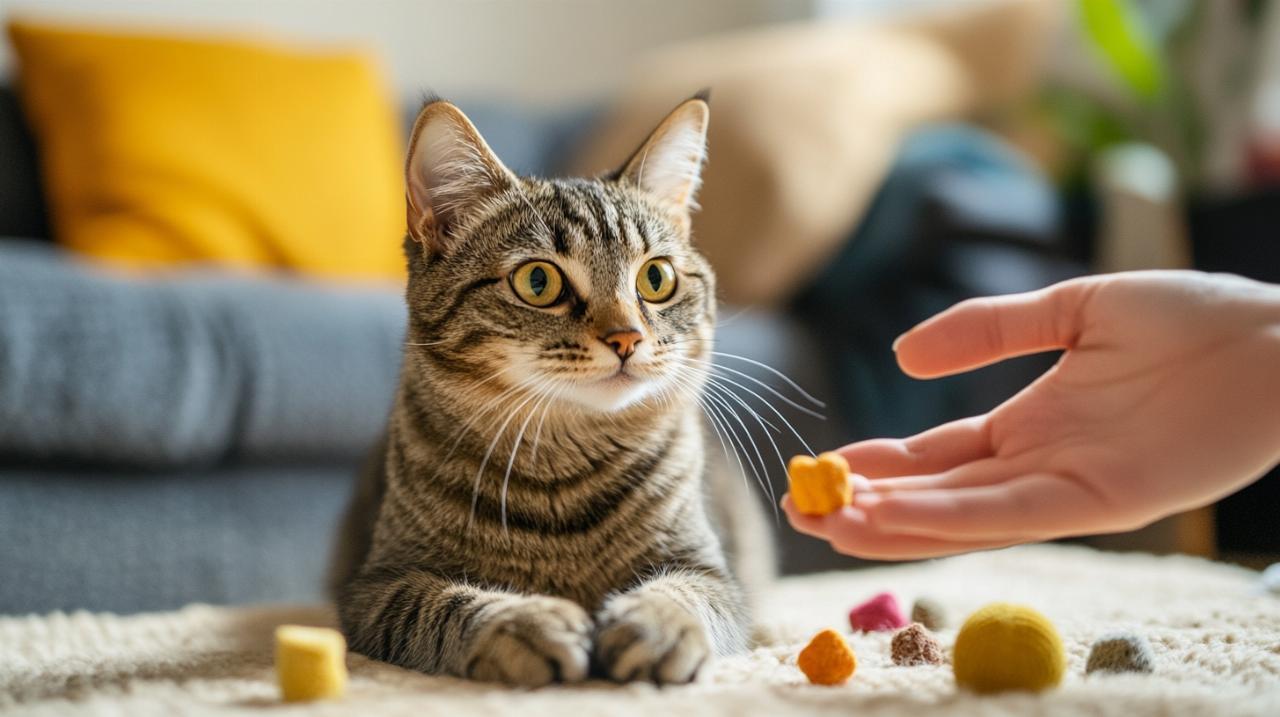
The effectiveness of clicker training hinges on the careful selection and use of rewards. Treats should be small, highly palatable, and something your cat finds irresistible. The reward must be delivered quickly after the click to reinforce the connection between behaviour and outcome. Timing is everything in this process, as a delay can cause confusion and weaken the association. It is also important to vary the types of rewards occasionally to keep your cat engaged and motivated, although consistency in the quality and timing of treats is paramount during the initial learning phase. Beyond treats, some cats respond well to play or affection as rewards, particularly once a behaviour is well established. The goal is to create a positive feedback loop where your cat actively seeks to repeat the behaviours that earn them rewards. This approach is far more effective than attempting to train through punishment or negative reinforcement, which can lead to fear, anxiety, and a breakdown in trust. By focusing on what you want your cat to do, rather than what you want them to stop doing, you shift the training dynamic towards encouragement and celebration. This method also helps in managing problem behaviours by redirecting your cat's attention towards more appropriate actions. For instance, if your cat tends to scratch furniture, training them to use a scratching post through positive reinforcement transforms an undesirable habit into a desirable one without causing stress or harm to your relationship.
Building a Harmonious Life with Your Feline Companion
Creating daily routines that support your cat's health and well-being
Establishing consistent daily routines is essential for maintaining your cat's physical and emotional health. Cats thrive on predictability, and a stable routine helps reduce stress and anxiety, creating an environment where they feel secure and content. Incorporating training sessions into your daily schedule provides mental stimulation and enrichment, which are vital for a cat's well-being. These sessions do not need to be lengthy; even a few minutes each day can make a significant difference in your cat's behaviour and happiness. Regular training also offers an opportunity to monitor your cat's health, as changes in responsiveness or energy levels can be early indicators of underlying issues. Beyond training, daily routines should include regular feeding times, play sessions, and opportunities for rest in safe, comfortable spaces. Providing a variety of toys and activities that cater to your cat's natural instincts, such as hunting and climbing, keeps them engaged and prevents boredom, which can lead to unwanted behaviours. A well-structured routine also makes it easier to integrate other aspects of care, such as grooming and health checks, into your cat's daily life. By making these activities predictable and positive, you help your cat feel more relaxed and cooperative, strengthening the bond you share.
Managing transportation and veterinary visits through training
One of the most challenging aspects of cat ownership can be transporting your cat, whether for routine veterinary visits or during travel. Many cats find carriers stressful, and the journey itself can be a source of anxiety. However, with patience and the application of clicker training principles, you can transform these experiences into much calmer and more manageable events. Start by introducing the carrier as a positive space within your home, placing treats, toys, or soft bedding inside to encourage your cat to explore it voluntarily. Click and reward your cat for any interaction with the carrier, such as sniffing, entering, or simply sitting nearby. Gradually increase the duration your cat spends inside the carrier, always rewarding calm behaviour. Once your cat is comfortable, you can begin short practice trips, starting with just a few minutes and gradually extending the time. The goal is to desensitise your cat to the carrier and the motion of travel, reducing fear and stress. Regular veterinary visits are crucial for your cat's health, including vaccinations, neutering, and routine check-ups. By making the carrier and transportation process less intimidating, you help ensure that these essential appointments are as stress-free as possible for your cat. This proactive approach not only benefits your cat's physical health but also supports their emotional well-being, as a cat that is less stressed during vet visits is more likely to receive thorough care and respond positively to treatment. Ultimately, the investment in training your cat for these situations pays dividends in the form of a calmer, healthier, and happier companion.