
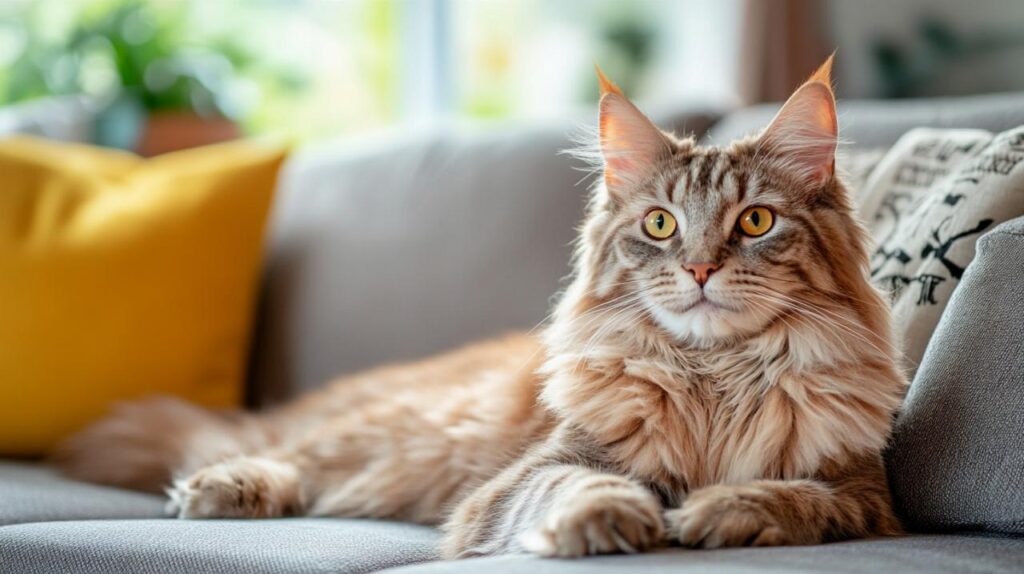
Bringing a Maine Coon into your home is an exciting prospect, yet it requires careful financial planning. This majestic breed, known for its impressive size and gentle temperament, comes with both initial acquisition costs and ongoing expenses that span over a decade or more. Understanding the full financial commitment involved ensures you can provide the best care throughout your feline companion's lifetime.
Initial Acquisition Costs: Understanding the Price Range for Male and Female Maine Coons
Purchase Price from Reputable Breeders and Registration Considerations
When considering the purchase of a Maine Coon, the price can vary significantly depending on several factors including pedigree, breeder reputation, and whether the cat is intended for show or simply as a companion. Reputable breeders who prioritise health testing and breed standards typically charge higher prices, reflecting the quality and care invested in their breeding programmes. A well-bred Maine Coon from a registered breeder can command a price that reflects the lineage and health guarantees provided, often ranging from several hundred to over a thousand pounds. Registration with a recognised feline association adds to the initial cost but ensures that the cat meets breed standards and has documented ancestry.
Males and females may differ slightly in price, though this is not a universal rule. Some breeders price their cats based on colour, markings, or temperament rather than gender. It is essential to select a breeder who is transparent about their breeding practices and willing to provide health certificates for both the kitten and its parents. This investment in a reputable source reduces the risk of hereditary health issues and ensures that your Maine Coon has been well-socialised from an early age. Researching breeds and breeders thoroughly is a top recommendation for prospective pet owners, as it helps to avoid unexpected costs and heartache down the line.
Adoption as a Cost-Effective Alternative: Rescue Centres and Rehoming Options
For those seeking a more affordable route, adoption from a reputable rehoming centre presents a compassionate and budget-friendly alternative. Many Maine Coons and mixed breeds resembling them find themselves in rescue centres due to changes in their previous owners' circumstances rather than any fault of their own. Adopting a cat from a rescue centre not only reduces the initial cost but also provides a loving home to an animal in need. Adoption fees are generally much lower than breeder prices and often include initial veterinary care such as vaccinations, microchipping, and neutering.
Reputable rehoming centres conduct thorough assessments to match cats with suitable homes, ensuring that both the pet and the new owner are well-suited to each other. This process can be invaluable for first-time cat owners or those unfamiliar with the specific needs of the Maine Coon breed. By choosing adoption, prospective owners can make a positive impact while managing their budget more effectively. It is worth noting that more than half of UK households own pets, and the trend towards adopting rather than purchasing is growing as awareness of animal welfare increases.
Essential first-year expenses: equipment, healthcare, and initial veterinary requirements
Starter kit necessities: bedding, litter trays, scratching posts, and feeding equipment
Once you have brought your Maine Coon home, the initial setup costs begin to accumulate. Essential equipment includes bedding, litter trays, scratching posts, feeding bowls, and toys. Given the Maine Coon's large size, it is advisable to invest in robust and appropriately sized items. A high-quality litter tray that accommodates their substantial frame is necessary, as is a scratching post tall enough to allow them to stretch fully. These initial purchases form the foundation of a comfortable and safe environment for your new companion.
The estimated initial setup costs for getting a cat are approximately three hundred and sixty-six pounds, though this can vary depending on the quality and quantity of items purchased. It is wise to prioritise durable products that will withstand the wear and tear of a large, active cat. Feeding equipment should be sturdy and easy to clean, and investing in a variety of toys will help keep your Maine Coon mentally stimulated and physically active. Preparing for these expenses in advance ensures a smooth transition for both you and your pet.
Initial veterinary costs: vaccinations, microchipping, neutering, and health checks
Veterinary care is a critical component of responsible pet ownership, and the first year involves several essential procedures. Vaccinations protect your Maine Coon against common feline diseases and are typically administered in a series during the kitten's early months. Microchipping is a legal requirement in the UK and provides a permanent means of identification should your cat ever go missing. Neutering, recommended for both males and females, helps prevent unwanted litters and can reduce certain health and behavioural issues.
These initial veterinary costs are an investment in your cat's long-term health and wellbeing. Reputable rehoming centres often include some of these procedures in their adoption fees, which can significantly reduce the financial burden during the first year. However, if you purchase from a breeder, it is important to budget for these expenses separately. Monthly costs of owning a cat are estimated to be at least seventy-nine pounds, and this figure does not include veterinary fees due to illness or injury, which can be substantial. Therefore, obtaining pet insurance is strongly advised to mitigate the risk of unexpected and potentially high veterinary bills.
Long-Term Care Budget: Ongoing Expenses for Food, Health Insurance, and Maintenance Throughout Their Lifespan
Nutritional Requirements and Food Costs: Quality Feeding for a Large Breed Cat
Maine Coons are known for their impressive size, and this naturally translates to higher food consumption compared to smaller breeds. Providing a balanced, high-quality diet is essential to maintain their health and support their muscular build. Premium cat food formulated for large breeds or high-energy cats is often recommended, though it comes at a higher cost than standard options. The ongoing expense of feeding a Maine Coon is a significant part of the monthly budget, and owners should plan for this throughout the cat's lifetime.
Average cat life expectancy is between eleven point seven and fourteen years, and Maine Coons often live well into their mid-teens with proper care. Over this extended period, the cumulative cost of food can be considerable. Costs of owning a cat over a lifetime are estimated to be between eleven thousand four hundred and thirteen thousand six hundred pounds, with food being one of the primary recurring expenses. It is important to factor in the possibility of special diets as your cat ages or if health issues arise, as these can further increase monthly expenditure.
Veterinary Care, Insurance Options, and Grooming Needs: Planning for a 12-15 Year Commitment
Long-term veterinary care encompasses routine health checks, dental care, parasite prevention, and treatment for any illnesses or injuries that may occur. Veterinary care prices are rising at nearly twice the rate of inflation, making it increasingly important to plan for these costs. Pet insurance is a prudent investment, as it can help cover unexpected medical expenses that would otherwise place a significant strain on household finances. The costs do not include vet fees due to illness or injury, which can run into hundreds or even thousands of pounds depending on the condition.
In addition to veterinary care, Maine Coons require regular grooming due to their long, dense fur. While they are relatively low-maintenance compared to some breeds, weekly brushing is necessary to prevent matting and reduce shedding. Professional grooming may be needed occasionally, particularly if the coat becomes tangled or if the cat is elderly and less able to groom itself. These grooming costs, though not as high as veterinary expenses, should be included in the overall budget.
Owning a pet incurs significant financial costs including food, insurance, and grooming, and it is essential to prepare for these throughout the cat's lifespan. Physical health benefits and mental wellbeing are among the many rewards of pet ownership, with seventy-one percent of pet owners reporting improved physical health and eighty-eight percent claiming enhanced mental wellbeing. However, these benefits come with the responsibility of ensuring that your Maine Coon receives the care it deserves. Top tips for prospective owners include researching breeds, planning for costs, preparing for the unexpected, and saving smartly. By taking these steps, you can ensure a happy, healthy life for your Maine Coon while managing your finances effectively over the long term.