

Welcoming an exotic pet into your household brings both excitement and responsibility. Unlike traditional domestic companions, these fascinating creatures demand a deeper understanding of their natural instincts and environmental needs. Whether you're drawn to the elegance of a reptile or the charm of an amphibian, success begins with thorough preparation and commitment to providing expert care tailored to each species.
Understanding your exotic pet's unique requirements
Before bringing home any exotic animal, it is essential to gather comprehensive exotic animal care information to ensure you can meet their specific demands. Each species exhibits distinct behaviours, dietary preferences, and environmental sensitivities that differ vastly from conventional pets. Researching these particulars helps prevent common mistakes and promotes a healthier, happier life for your companion. Consulting veterinary services with experience in exotic pet care, such as those provided by Molesey Vets and similar clinics, ensures you receive reliable guidance from the outset. Understanding the lifespan, size, and social needs of your chosen animal will help you prepare adequately for the long-term commitment involved.
Researching species-specific behaviours and needs
Every exotic pet possesses unique behavioural traits shaped by their natural habitat and evolutionary history. Lizards, snakes, tortoises, and amphibians each require different approaches to handling, feeding, and interaction. For instance, reptile care often involves understanding temperature regulation and recognising basking behaviours, while some birds and ferrets thrive on social interaction and mental stimulation. Darren Partridge, a vet specialising in exotic pets, emphasises the importance of tailoring care to individual needs rather than applying a one-size-fits-all approach. Learning about scatter feeding techniques, glove training for nervous animals, and providing worn clothing for comfort can significantly improve bonding and reduce stress. These species-specific strategies not only enhance pet welfare but also enrich the relationship between owner and animal.
Recognising Signs of Stress and Illness
Early detection of health issues is vital for exotic pets, as they often hide symptoms until conditions become severe. Changes in appetite, lethargy, unusual postures, or alterations in skin colour can indicate underlying problems requiring prompt veterinary attention. Regular veterinary check-ups, offered by clinics like White House Vet Clinic and Animal Family Veterinary Care Center, allow professionals to monitor your pet's health and provide preventative care. Owners should observe their animals daily, noting any deviations from normal behaviour or appearance. Understanding the signs of stress, such as excessive hiding or aggression, helps you adjust the pet environment and minimise discomfort. Illness detection relies on familiarity with your pet's baseline behaviour, making consistent observation an indispensable part of responsible ownership.
Creating the perfect habitat environment
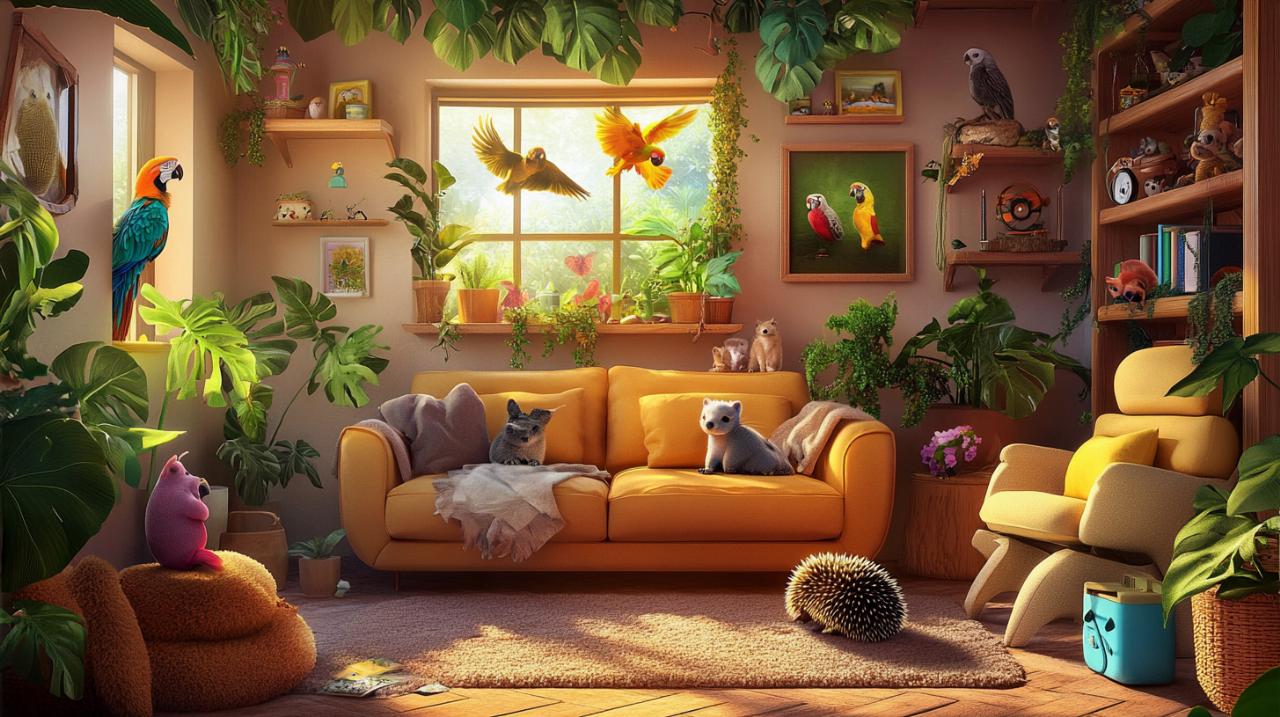
The quality of the pet habitat directly influences the health and wellbeing of exotic animals. Unlike cats or dogs, these creatures cannot adapt easily to standard home conditions and require carefully designed enclosures that replicate their natural surroundings. Factors such as space, temperature, humidity, lighting, and substrate must all be considered to create a thriving environment. Investing time and resources into habitat setup from the beginning prevents future complications and supports the animal's physical and psychological needs. Many rescue centres and adoption considerations emphasise the importance of suitable housing before bringing an exotic pet home, as inadequate conditions often lead to stress and disease.
Maintaining optimal temperature and humidity levels
Temperature management is critical for reptiles and amphibians, as these ectothermic animals rely on external heat sources to regulate their body functions. Using reliable thermometers and heat pads ensures the enclosure maintains the correct thermal gradients, allowing your pet to move between warmer and cooler zones as needed. Humidity levels also play a crucial role, particularly for species originating from tropical or rainforest environments. Regular monitoring and adjustments help prevent respiratory issues, shedding problems, and other health complications. DIY pet care solutions, such as misting systems or water features, can assist in maintaining appropriate humidity without excessive expense. Understanding seasonal pet care needs is equally important, as changes in ambient temperature may require modifications to heating and lighting throughout the year.
Designing an enclosure that mimics natural surroundings
Creating a naturalistic enclosure enhances both the aesthetic appeal and the psychological health of your exotic pet. Incorporating elements such as branches, rocks, plants, and hiding spots encourages natural behaviours and reduces stress. The pet diet and feeding routine should also be integrated into the habitat design, with scatter feeding techniques promoting foraging instincts in species that benefit from such enrichment activities. Cleanliness is paramount, and using pet-safe cleaning methods, such as white vinegar and old toothbrushes, helps maintain hygiene without exposing your animal to harmful chemicals. Regularly inspecting and updating the enclosure prevents the buildup of waste and bacteria, supporting overall pet welfare. By thoughtfully designing a space that reflects the animal's natural environment, you provide mental stimulation and a sense of security, which are essential for long-term health and happiness.