
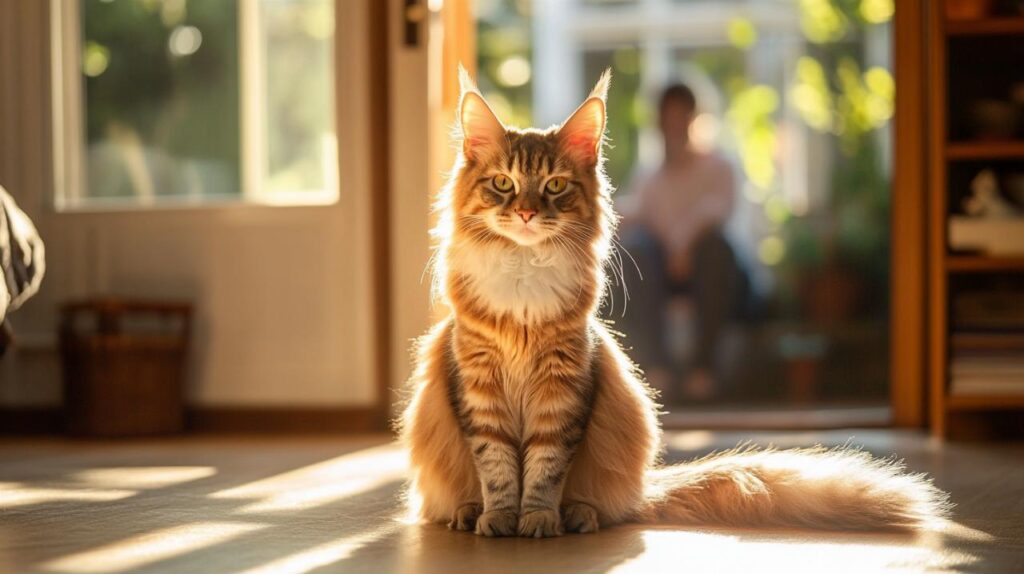
Acquiring a Maine Coon is a decision that requires careful thought and preparation. These magnificent felines, known for their impressive size and gentle temperament, deserve owners who understand the commitment involved in bringing such a creature into their lives. From ensuring the cat's health through rigorous testing to verifying pedigree documentation, every step in the adoption process plays a crucial role in securing a happy and healthy companion. This article explores the essential conditions and procedures that prospective owners must follow to adopt a Maine Coon, covering health screenings, pedigree requirements, and the importance of selecting a reputable breeder.
Essential health screenings and veterinary checks before bringing your maine coon home
Before welcoming a Maine Coon kitten into your home, it is imperative to understand the health tests that responsible breeders conduct to ensure the wellbeing of their animals. The breed is susceptible to a range of hereditary conditions, and thorough screening is the first line of defence against these potential issues. Health is not merely a matter of chance but a responsibility that both breeders and new owners must take seriously. In recent years, regulatory bodies such as the Governing Council of the Cat Fancy have introduced strict requirements to safeguard the breed's future, making it essential for anyone considering adoption to be well informed about these protocols.
Genetic Testing for Hip Dysplasia and Hereditary Feline Conditions
Genetic testing has become a cornerstone of responsible breeding practices, particularly for a breed as cherished as the Maine Coon. One of the most significant health concerns is hip dysplasia, a genetic condition that affects the hip joint and can lead to discomfort and mobility issues. Although the incidence of hip dysplasia in the United Kingdom appears to be relatively low, it remains a concern that cannot be overlooked. Prospective owners should ensure that breeders have conducted appropriate screenings for this condition, as early detection and preventive measures can make a substantial difference in the quality of life for these animals.
Beyond hip dysplasia, there are several other hereditary conditions that require attention. Hypertrophic Cardiomyopathy, commonly referred to as HCM, involves the thickening of the heart muscle and is one of the most prevalent issues in the breed. While breeders cannot claim their cats are entirely free from HCM, they can provide evidence that the parents are homozygous negative for the currently identified gene associated with this condition, or that the cat was deemed clear during its last cardiography scan. As of June 2024, all Maine Coons must be homozygous negative for this gene before they can be placed on the GCCF Active Breeding Register, and regular scanning is strongly recommended to monitor heart health over time.
Spinal Muscular Atrophy, known as SMA, is another condition that causes muscle weakness and can significantly impact a cat's mobility. From June 2024, Maine Coons must test negative for SMA to qualify for the GCCF Active Register, a measure designed to prevent the propagation of this debilitating condition. Similarly, Pyruvate Kinase Deficiency, or PKDef, which leads to anaemia, must also return a negative result for registration purposes. These stringent requirements underscore the importance of genetic testing in maintaining the health and vitality of the breed.
For white Maine Coons, deafness linked to the Dominant Blue Eye gene, or DBE, presents an additional concern. All white Maine Coons must undergo a BAER test to confirm they are not deaf before they can be added to the GCCF Active Register. The GCCF Maine Coon breed has made it clear that DBE cats will not be accepted for showing, and both breeders and prospective owners should be aware of the potential health risks associated with this gene before proceeding with breeding or purchasing such a kitten. These measures collectively ensure that the animals entering homes across the country are as healthy as possible, reducing the likelihood of heartache and unexpected veterinary expenses down the line.
The Role of the Veterinarian in Pre-Adoption Health Assessments
The veterinarian plays an indispensable role in the pre-adoption process, serving as both a health adviser and a source of reassurance for new owners. Scheduling an initial vet appointment shortly after bringing your kitten home is essential, as this visit allows for a comprehensive health assessment and the establishment of a vaccination schedule. The FVRCP vaccination, which protects against feline viral rhinotracheitis, calicivirus, and panleukopenia, is typically administered at eight, twelve, and sixteen weeks of age. The rabies vaccination, on the other hand, is usually given between twelve and sixteen weeks. These jabs are critical in safeguarding the kitten's health during its formative months and should be prioritised by all responsible owners.
In addition to vaccinations, the veterinarian will conduct a thorough physical examination to identify any signs of common health issues. Mouth, teeth, and gum problems, for instance, can manifest through symptoms such as inflamed gums, drooling, and difficulty eating. If any of these signs are present, a vet consultation is strongly recommended to address the issue before it escalates. Obesity is another concern that can affect Maine Coons, and veterinarians often provide guidance on controlled feeding, exercise, and environmental enrichment to help manage the cat's weight. Given that these felines can weigh up to eight kilograms or more, maintaining a healthy body condition is crucial for their overall wellbeing and longevity.
Beyond the initial health checks, the veterinarian can offer advice on grooming, dental care, and ongoing health monitoring. Maine Coons require regular grooming, with brushing recommended at least two to three times a week to prevent matting and reduce shedding. Dental care is equally important, as adult teeth typically emerge around six months of age. Brushing your cat's teeth at least once a week can help prevent the onset of gum disease and other oral health issues. The veterinarian may also discuss the benefits of microchipping, which provides a permanent form of identification and greatly increases the chances of reuniting with your pet should it ever go astray. Establishing a strong relationship with a trusted veterinary practice from the outset ensures that your Maine Coon receives the best possible care throughout its life, which can span twelve to fifteen years, with some individuals living well into their late teens.
Navigating Pedigree Documentation and LOOF Registration for Your Maine Coon
Pedigree documentation is a critical aspect of adopting a Maine Coon, particularly for those who wish to participate in breeding or showing. Understanding the origins and bloodline of your kitten not only provides insight into its genetic background but also offers assurance regarding the quality and health of the animal. In the United Kingdom, the pedigree certificate serves as an official record of the cat's lineage, tracing its ancestry back several generations and verifying that the kitten has been bred according to established standards. For many prospective owners, this documentation is a mark of authenticity and a testament to the breeder's commitment to maintaining the integrity of the breed.
Understanding pedigree certificates and bloodline origins
The pedigree certificate is much more than a piece of paper; it is a comprehensive record that details the cat's ancestry, including the names and registration numbers of its parents, grandparents, and often great-grandparents. This documentation allows prospective owners to trace the bloodline and assess the genetic diversity within the lineage. The Maine Coon's origins can be traced back to matings between local short-haired cats and the Norwegian Forest cat in Maine, USA, around 1850. The breed was introduced to the United Kingdom in the 1980s, and since then, it has become one of the most beloved feline breeds in the country.
Understanding the bloodline is particularly important for those who intend to show or breed their Maine Coon. Show-quality kittens, which can cost over a thousand pounds, are carefully bred to conform to breed standards, including specific coat colours, patterns, and physical traits. Common coat colours include brown tabby, black, white, grey, tortie, and calico, with many Maine Coons displaying the iconic tabby or brown tabby pattern. The breed's layered coat, ear tufts, and occasional polydactyl trait, which manifests as extra toes, are all characteristics that can be traced through pedigree documentation. By examining the lineage, prospective owners can gain insight into the physical and behavioural traits their kitten is likely to exhibit as it matures.
It is worth noting that Maine Coons take longer to reach full maturity compared to other breeds, often finishing their development at around four to five months longer than their counterparts. This extended maturation timeline means that the kitten's appearance and temperament may continue to evolve over several years, making the pedigree certificate an invaluable tool for predicting these changes. For those who are passionate about preserving the breed's characteristics, having access to detailed bloodline information is essential in making informed decisions about future breeding programmes.
LOOF Registration Requirements and What They Mean for Your Kitten
While the LOOF, or Livre Officiel des Origines Félines, is primarily associated with French cat registration, many prospective owners in the United Kingdom may encounter references to this system when researching breeders or pedigree standards. In the UK context, the GCCF is the primary registration body, and understanding its requirements is crucial for anyone looking to adopt a Maine Coon with a view to breeding or showing. As previously mentioned, the GCCF has introduced stringent health testing requirements as of June 2024, mandating that all Maine Coons registered for breeding must have negative DNA tests for specific genes associated with hereditary conditions.
These registration requirements are designed to protect the breed's long-term health and ensure that only the healthiest animals are used for breeding purposes. For prospective owners, this means that any kitten purchased from a reputable breeder should come with documentation proving that the necessary health tests have been conducted and that the parents are registered appropriately. The GCCF Active Register is reserved for cats that meet these rigorous standards, and breeders who fail to comply may face restrictions on their ability to register future litters.
For those who are not planning to breed or show their Maine Coon, the registration status may seem less critical. However, it remains an important indicator of the breeder's commitment to ethical practices and the overall health of the kitten. Even pet-quality kittens should come from parents who have undergone thorough health screenings, as this reduces the risk of hereditary conditions manifesting later in life. Prospective owners should always request copies of health test results and registration certificates before committing to an adoption, as these documents provide transparency and peace of mind.
In addition to health testing, registration requirements often encompass broader considerations such as the kitten's socialisation and early development. Reputable breeders will ensure that kittens are exposed to a variety of sights, sounds, and experiences during their formative weeks, helping them to develop into well-adjusted adults. Positive reinforcement and clicker training can be introduced early on to teach basic commands and encourage desirable behaviours, such as using a scratching post or walking on a lead. By choosing a breeder who prioritises both health and socialisation, prospective owners can significantly increase the likelihood of a smooth transition and a harmonious relationship with their new feline companion.
Selecting a Reputable Breeder and Understanding the True Price of a Maine Coon
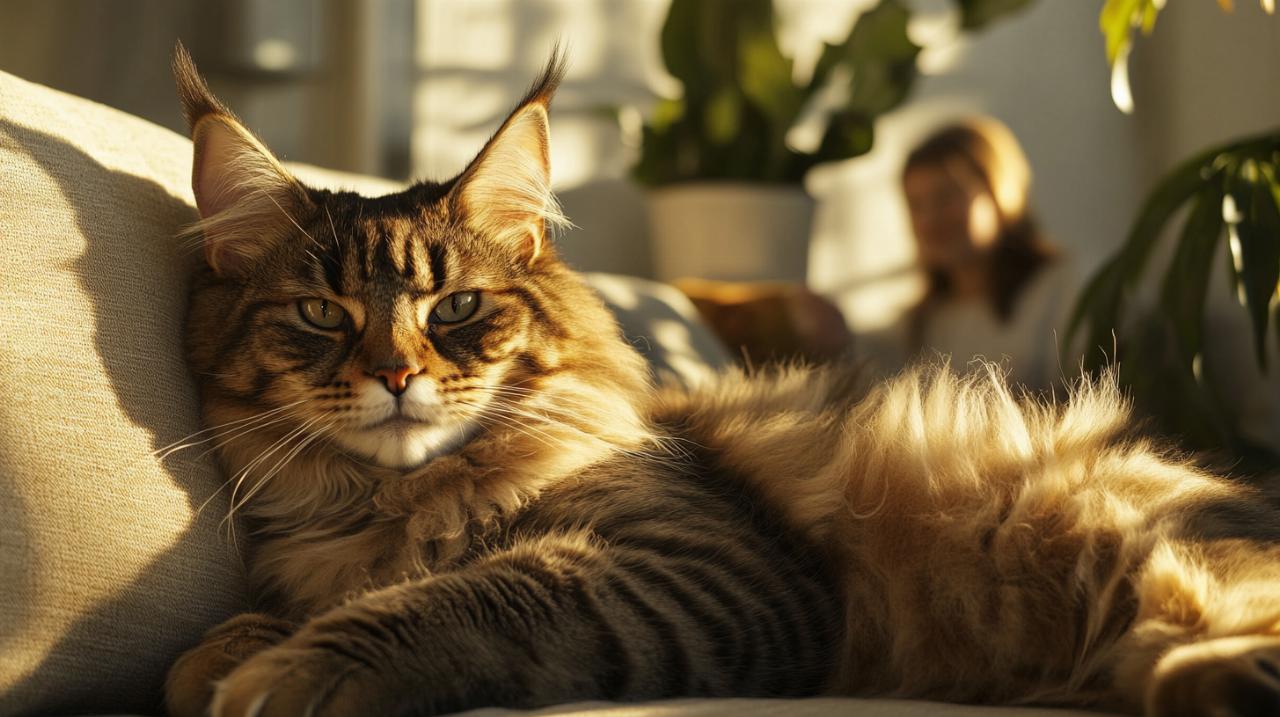
The decision to adopt a Maine Coon should never be taken lightly, and selecting a reputable breeder is perhaps the most important step in the entire process. A responsible breeder will not only provide comprehensive health documentation and pedigree certificates but will also offer ongoing support and guidance to new owners. In an era where unscrupulous breeders and kitten mills continue to operate, it is essential to conduct thorough research and ask the right questions before making a commitment. The true price of a Maine Coon extends far beyond the initial purchase cost, encompassing considerations such as health, temperament, and the ethical practices employed by the breeder.
What to Look for When Choosing a Responsible Breeder
A responsible breeder will be transparent about their breeding practices and willing to provide detailed information about the health and lineage of their cats. Prospective owners should look for breeders who are registered with recognised organisations such as the GCCF or The International Cat Association, commonly known as TICA. Membership in these organisations indicates that the breeder adheres to established standards and is committed to the welfare of their animals. One example of a TICA-registered breeder is Bellspurr, based in Texas, which offers Maine Coon kittens through safe and transparent transactions with convenient delivery options. While this particular breeder is located in the United States, the principles of responsible breeding are universal and should be sought out regardless of geographical location.
When visiting a breeder, prospective owners should pay close attention to the environment in which the kittens are raised. A reputable breeder will maintain a clean, spacious facility where the animals have access to natural light, enrichment, and social interaction. The kittens should appear healthy, with bright eyes, clean coats, and playful demeanours. Breeders who are genuinely invested in the wellbeing of their cats will encourage potential owners to spend time with the kittens and observe their behaviour, as this interaction provides valuable insight into the animals' temperaments and overall health.
It is also important to ask about the breeder's health testing protocols and to request copies of test results for both the kitten and its parents. Responsible breeders will have conducted genetic screenings for conditions such as HCM, hip dysplasia, SMA, and PKDef, and will be forthcoming with this information. They should also be able to provide a vaccination schedule and details of any veterinary care the kitten has received to date. Additionally, a good breeder will offer a health guarantee and be willing to take the kitten back if circumstances change, demonstrating their commitment to the animal's long-term welfare.
Socialisation is another key consideration when evaluating a breeder. Maine Coons are known for their affectionate yet independent personalities, often chirping instead of meowing and displaying a gentle giant temperament. These traits are partly genetic but are also shaped by early experiences. Kittens that have been handled gently from a young age, exposed to different sounds and environments, and given opportunities to interact with both humans and other animals are more likely to develop into well-adjusted adults. Prospective owners should ask the breeder about their socialisation practices and seek evidence that the kittens have been raised in a stimulating and nurturing environment.
Price considerations: balancing quality, health, and ethical breeding practices
The cost of a Maine Coon can vary significantly depending on factors such as pedigree, appearance, and the breeder's reputation. In the United Kingdom, prices typically range from two hundred and fifty pounds to two thousand five hundred pounds, with show-quality kittens commanding prices at the higher end of the spectrum. While it may be tempting to seek out a bargain, prospective owners should be wary of breeders who offer kittens at unusually low prices, as this can be a red flag indicating substandard care or a lack of proper health testing.
The true price of a Maine Coon encompasses far more than the initial purchase cost. Ongoing expenses such as high-quality food, veterinary care, grooming supplies, and environmental enrichment must also be factored into the budget. Maine Coons require a diet that includes a mix of wet and dry food, with portion control essential to prevent weight gain. Aim for approximately twenty to thirty minutes of daily play to keep your cat active and engaged, and invest in tall multi-level cat trees, sisal rope scratching posts, and interactive toys such as feather wands and puzzle feeders to meet their physical and mental stimulation needs.
Grooming is another consideration that should not be underestimated. The breed's long, layered coat requires brushing at least two to three times a week to prevent matting and reduce shedding, although they are not hypoallergenic and do shed considerably. Nail trimming and dental care are also essential components of a comprehensive grooming routine, with brushing of the teeth recommended at least once a week once the adult teeth have emerged around six months of age. These ongoing maintenance tasks require both time and financial investment, and prospective owners should be prepared to commit to them for the duration of the cat's life.
Ethical breeding practices also come at a cost, and this is reflected in the price of the kitten. Breeders who conduct thorough health screenings, provide proper veterinary care, and invest in high-quality nutrition and enrichment for their animals will necessarily charge more than those who cut corners. By choosing to support a reputable breeder, prospective owners are not only ensuring the health and wellbeing of their own kitten but are also contributing to the broader effort to maintain the integrity and vitality of the breed. This investment pays dividends in the form of a healthy, well-adjusted companion who will bring joy and companionship for many years to come.
In conclusion, adopting a Maine Coon is a rewarding but complex process that requires careful consideration of health testing, pedigree documentation, and breeder selection. By prioritising these factors and being willing to invest both time and resources, prospective owners can ensure that they bring home a happy, healthy kitten who will thrive in its new environment. The journey from initial research to welcoming your Maine Coon home may be demanding, but the companionship and affection of these gentle giants make every effort worthwhile.